Home >
Hot Products >
China Pharmaceutical Aluminum Foil Suppliers - High-Quality Packaging Material from Trusted Factory
1 / 1
China Pharmaceutical Aluminum Foil Suppliers - High-Quality Packaging Material from Trusted Factory
,
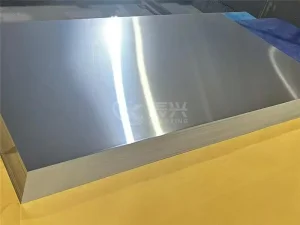
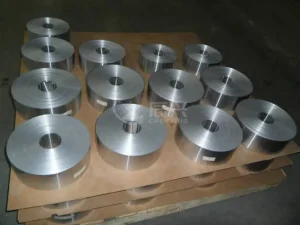
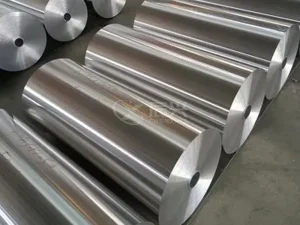
Pharmaceutical aluminum foil is a vital component in the pharmaceutical packaging industry, primarily utilized for the secure sealing of solid dosage forms like tablets and capsules. Sourced from reliable China suppliers and manufactured in state-of-the-art facilities, our pharmaceutical aluminum foil ensures optimal protection and longevity for various medicinal products. Partner with our factory to meet your packaging needs with high-quality, durable aluminum foil that adheres to industry standards.
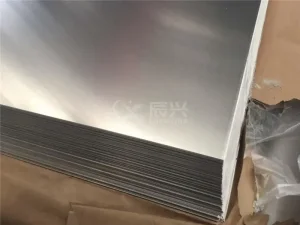
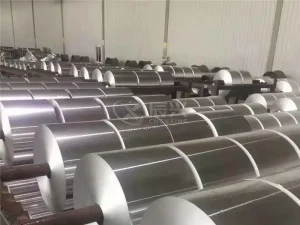
Single-layer pharmaceutical aluminum foil: Rolled from pure aluminum, mainly used for simple sealing or as a composite base material.
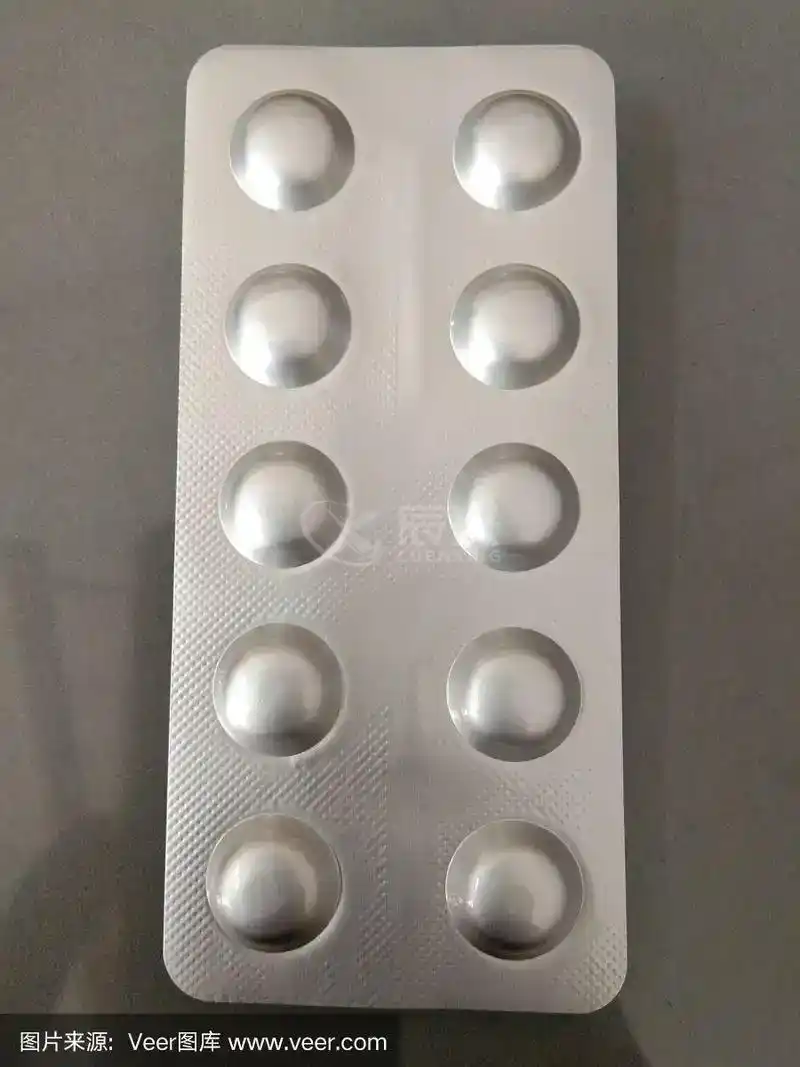
Composite pharmaceutical aluminum foil: Combined with plastic films (e.g., PVC, PE) or paper, integrating the barrier property of aluminum foil and the flexibility of other materials. It is widely used in blister packaging (PTP aluminum foil).
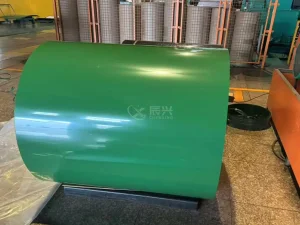
Coated pharmaceutical aluminum foil: Coated with pharmaceutical-grade adhesives and protective layers on the surface to improve sealing performance and printing adaptability.
Main Application Scenarios
Blister packaging (most common): Cooperates with plastic blisters to individually package each tablet or capsule, facilitating portability and administration.
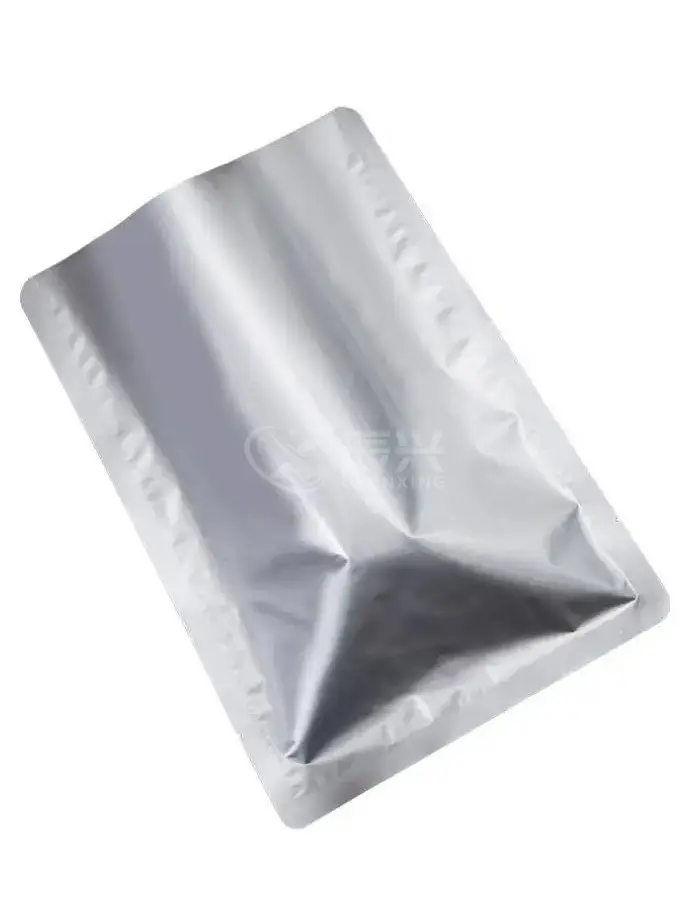
Pouch packaging: Serves as the inner barrier material of composite pouches for large packaging of granular preparations and powders.
Bottle cap sealing: Used as aluminum foil gaskets for medicine bottle mouths to enhance sealing effect and prevent drugs from dampening and deteriorating.
Detail Image
Detail1
Detail1
Frequently Asked Questions
Q
What is pharmaceutical aluminum foil and what makes it different from regular aluminum foil?
Pharmaceutical aluminum foil is specifically manufactured to meet strict hygiene and safety standards required for drug packaging. Unlike regular aluminum foil, it is coated with pharmaceutical-grade adhesives and protective layers, ensuring it is non-toxic, highly resistant to moisture and light, and compatible with drug contact requirements.
Q
What is PTP aluminum foil and why is it commonly used in blister packaging?
PTP (Press Through Packaging) aluminum foil is a composite aluminum foil combined with plastic films such as PVC or PE. It is the most common format for blister packaging because it allows each tablet or capsule to be individually sealed, protecting the drug from moisture, oxygen, and contamination while enabling easy, single-dose dispensing.
Q
Can pharmaceutical aluminum foil be used for both solid and powder drug packaging?
Yes. Pharmaceutical aluminum foil is versatile and suitable for various drug forms. It is used in blister packaging for tablets and capsules, as well as in composite pouches for granular preparations and powders, providing an effective barrier against moisture, air, and light.
Q
How does coated pharmaceutical aluminum foil improve packaging performance?
Coated pharmaceutical aluminum foil features pharmaceutical-grade adhesive and protective layers applied to its surface. These coatings significantly improve heat-sealing performance, enhance bonding strength with plastic films, and increase compatibility with printing inks, resulting in more reliable and visually appealing drug packaging.
Q
What role does pharmaceutical aluminum foil play in bottle cap sealing?
In bottle cap sealing applications, pharmaceutical aluminum foil is used as a gasket inside the cap of medicine bottles. It creates an airtight and moisture-proof seal at the bottle mouth, effectively preventing drugs from absorbing humidity, oxidizing, or deteriorating during storage and transport.
Q
What are the key quality standards pharmaceutical aluminum foil must meet?
Pharmaceutical aluminum foil must comply with relevant pharmacopoeia and regulatory standards, including requirements for purity, pinhole-free surface, non-toxicity, chemical resistance, and compatibility with drug substances. It must also demonstrate excellent barrier properties against moisture, oxygen, and UV light to ensure drug stability and shelf life.