Direct supply from leading Chinese mill fabricators offering certified specifications for global partners.
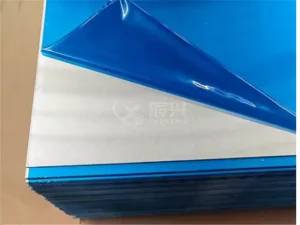
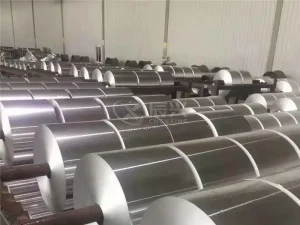
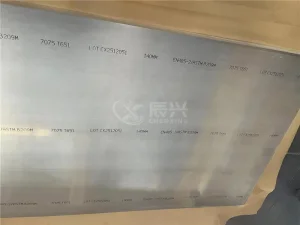
Understanding the global demand dynamics, standardizations, and industrial positioning of 5083 aluminum.
The global metal fabrication landscape has identified 5083 aluminum plate as a corner-stone material within structural marine, cryogenic processing, and advanced logistics industries. Best characterized by its superior magnesium-alloy composition, the 5083 standard delivers unmatched corrosion mitigation in highly saline waters, high thermal conductivity, and outstanding performance parameters at extreme sub-zero temperatures. From marine architectural planning in Scandinavian deep seas to mega-structural LNG containment systems in the Indo-Pacific, 5083 aluminum plates have replaced heavier carbon steel alternatives, promoting critical fuel efficiencies and green transport transition goals.
Today, China's metal processing facilities handle a major proportion of global hot and cold-rolled 5083 aluminum plate distribution. Benefiting from vertically integrated raw material processing, state-of-the-art wide-plate rolling mills, and advanced precision heat-treatment, China 5083 Plate Companies are recognized as key strategic suppliers. These companies provide high-grade marine alloys carrying international standard certifications like DNV-GL, Lloyd’s Register, Bureau Veritas, and the American Bureau of Shipping (ABS), establishing ultimate reliability across demanding international supply chains.
Aluminum 5083 belongs to the non-heat-treatable 5xxx Al-Mg alloy series, obtaining its tensile strength via solid solution strengthening through magnesium additions, and subsequent strain hardening. Key tempers supplied by Chinese mills include H111, H112, H116, and H321. The latter two are specifically optimized to inhibit intergranular corrosion (IGC) and exfoliation corrosion in continuous saltwater immersion environments, meeting the stringent requirements of ASTM B209 and EN 485 specifications.
| Alloy Temper | Tensile Strength (MPa) | Yield Strength (MPa) | Elongation (%) | Typical Applications |
|---|---|---|---|---|
| 5083-O | 270 - 350 | 125 Min | 16 - 22 | Cryogenic Vessels, LNG Tankers, Storage Tanks |
| 5083-H111 | 275 - 350 | 125 Min | 15 - 20 | Vehicle Subframes, General Structural Framing |
| 5083-H112 | 275 Min | 125 Min | 12 - 16 | High-stress Machinery Parts, Molds & Fixtures |
| 5083-H116 | 290 - 380 | 215 Min | 10 - 15 | Marine Hulls, Ship Superstructures, Deck Structures |
| 5083-H321 | 290 - 380 | 215 Min | 10 - 15 | Corrosive Offshore Drilling Topsides, High-speed Catamarans |
Combining world-class production capabilities with certified quality management system to deliver value.
Two decades of fine-tuning metallurgical treatments and scaling up premium aluminum supply lines.
Serving critical infrastructure, marine shipyards, and aerospace contractors globally.

Continuous raw material verification, ultrasonic plate inspection, and full heat-lot tracing.

Dedicated 8D response engineering teams to address structural designs, tolerances, and logistics.
How the market is adapting to environmental targets, lightweight engineering, and automation.
By transitioning from steel constructions to 5083 aluminum plates, commercial shipping fleets realize significant mass savings, increasing cargo tonnage capacities and meeting IM0 decarbonization parameters.
As liquid hydrogen and LNG become core to energy transition efforts, the sub-zero toughness of 5083 alloy (retaining ductility and structural stability at -196°C) ensures demand from LNG containment builders.
Advancements in FSW technologies allow welding without filler alloys. The uniform grain structures of 5083 plates fabricated by top Chinese companies yield superior joint strength and minimize heat-affected zone issues.
Deploying smart gauge controls on modern rolling lines produces plates with minimal thickness deviations and exceptional flatness, cutting down post-machining work for marine builders.
Different markets present unique engineering demands. For instance, European yards building luxury yachts and high-speed ferries demand large-format 5083-H116 plates (widths up to 3000mm) to minimize welded joints, which lowers construction costs and increases structural strength. Conversely, North American buyers utilizing 5083 for heavy-duty dump bodies focus on wear resistance and weld ductility under dynamic loading conditions. Chinese manufacturers respond to these diverse demands by providing tailored chemistry variations, customizing manganese ratios to optimize weld strength, and carrying out extensive intergranular corrosion verification testing.
Our structural aluminum series serves key modern industrial segments, providing weight reductions and corrosion protection.
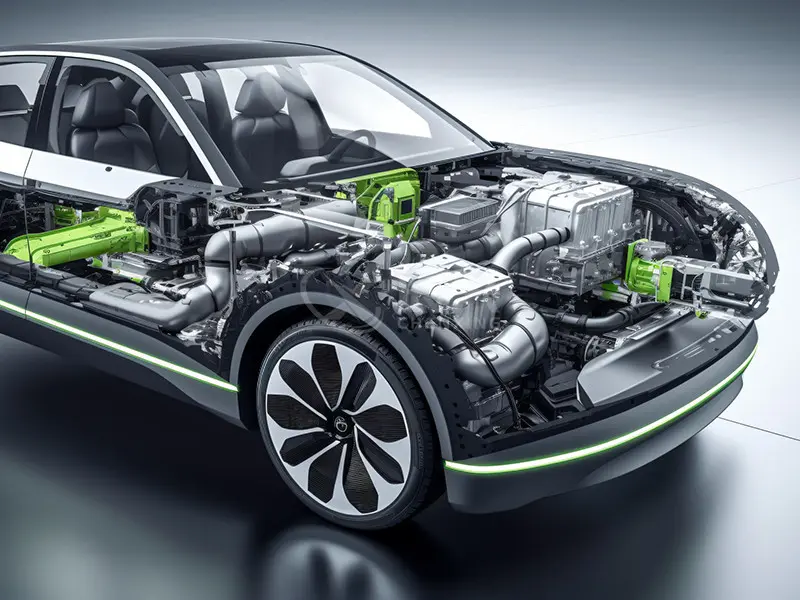
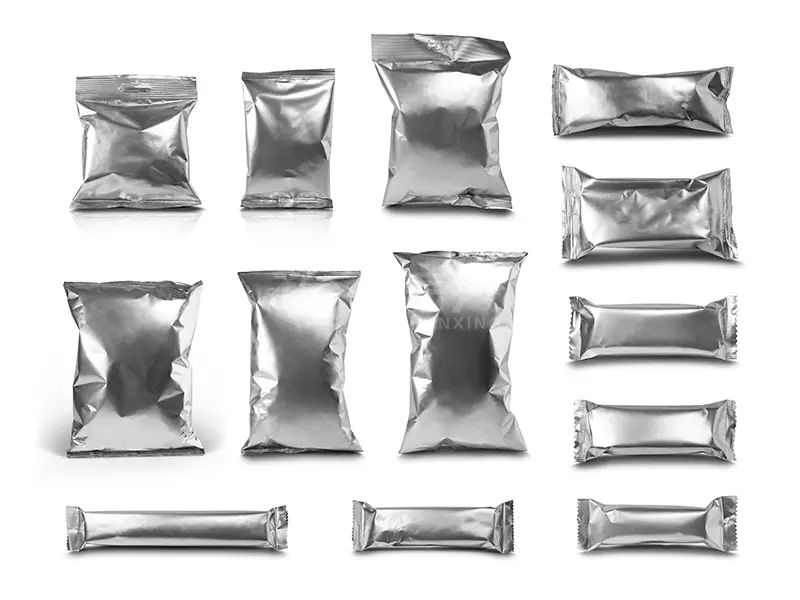


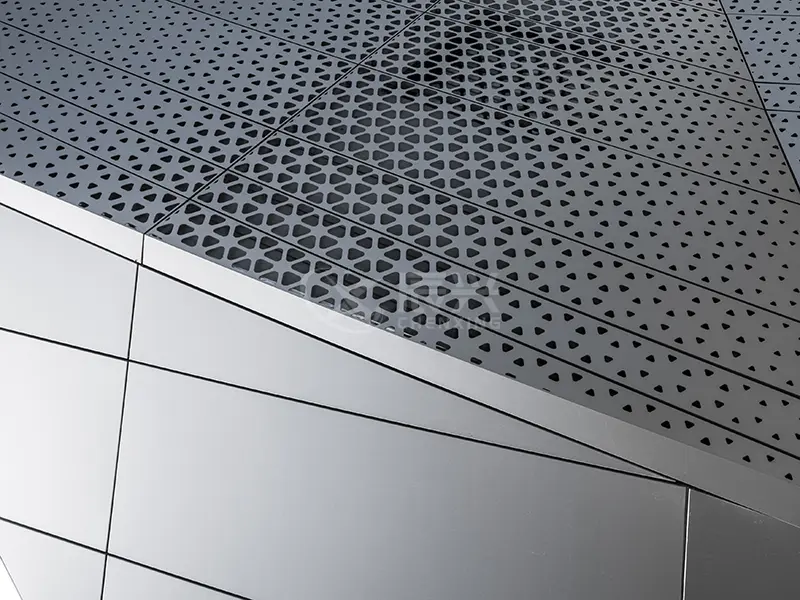
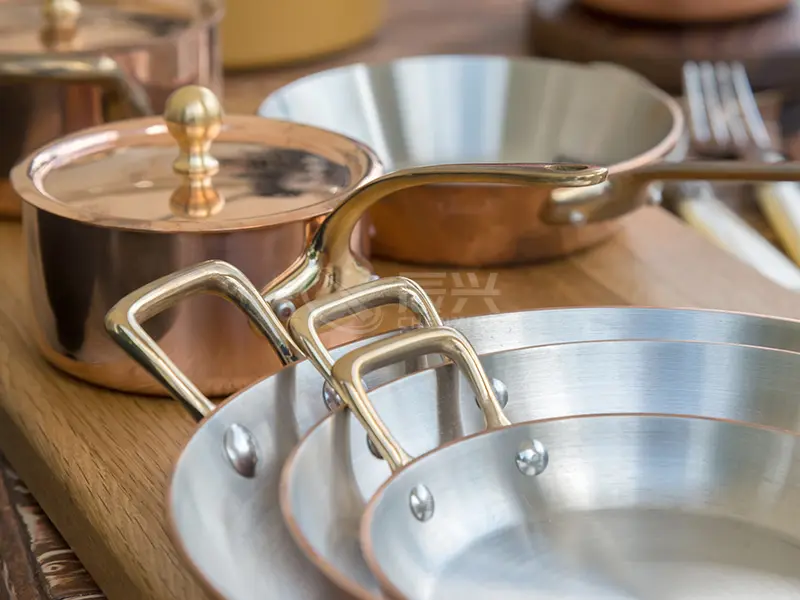
Get answers to common technical, design, and sourcing questions about 5083 aluminum plates.
A: While both tempers deliver excellent performance in marine structures, they undergo slightly different strain-hardening processes. 5083-H116 features high corrosion resistance and undergoes specific testing to ensure resistance to intergranular corrosion. 5083-H321 undergoes thermal stabilization to prevent magnesium precipitation at grain boundaries under elevated temperatures, minimizing exfoliation corrosion. For structures regularly exposed to temperatures above 65°C, H321 is often the preferred selection.
A: 5083 aluminum is highly suited for cryogenic operations, such as handling liquefied natural gas (LNG). Unlike carbon steels, which can become brittle at sub-zero temperatures, the tensile strength and elongation performance of 5083 aluminum increase or remain stable as the temperature drops to -196°C, ensuring structural integrity.
A: For marine and offshore applications, verification from recognized classification societies is essential. Ensure your supplier can provide Mill Test Certificates (MTR) according to EN 10204 3.1 or 3.2, alongside certifications from organizations like DNV, Lloyd’s Register (LR), American Bureau of Shipping (ABS), or Bureau Veritas (BV).
A: 5083 aluminum contains a higher percentage of magnesium (typically 4.0% to 4.9%) compared to 5052 (2.2% to 2.8%). This higher magnesium level gives 5083 superior tensile strength, excellent weldability, and improved corrosion resistance, making it the preferred choice for heavy-duty marine structures, pressure vessels, and specialized transport applications.
Get in touch with our team for details on dimensions, certified tempers, custom plate processing, and competitive direct-factory pricing. We reply within 24 hours.
Submit Inquiry NowKeep up with global market adjustments, technical advances, and news from our production facilities.
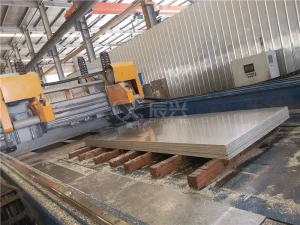
Read how we are increasing output capacity to meet rising global demand for marine and structural grades.
Read More
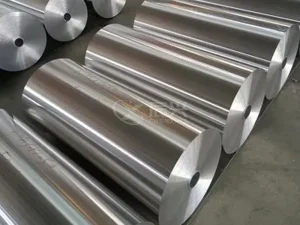
Analyzing trends in clean energy and our developments in high-purity battery foil production.
Read More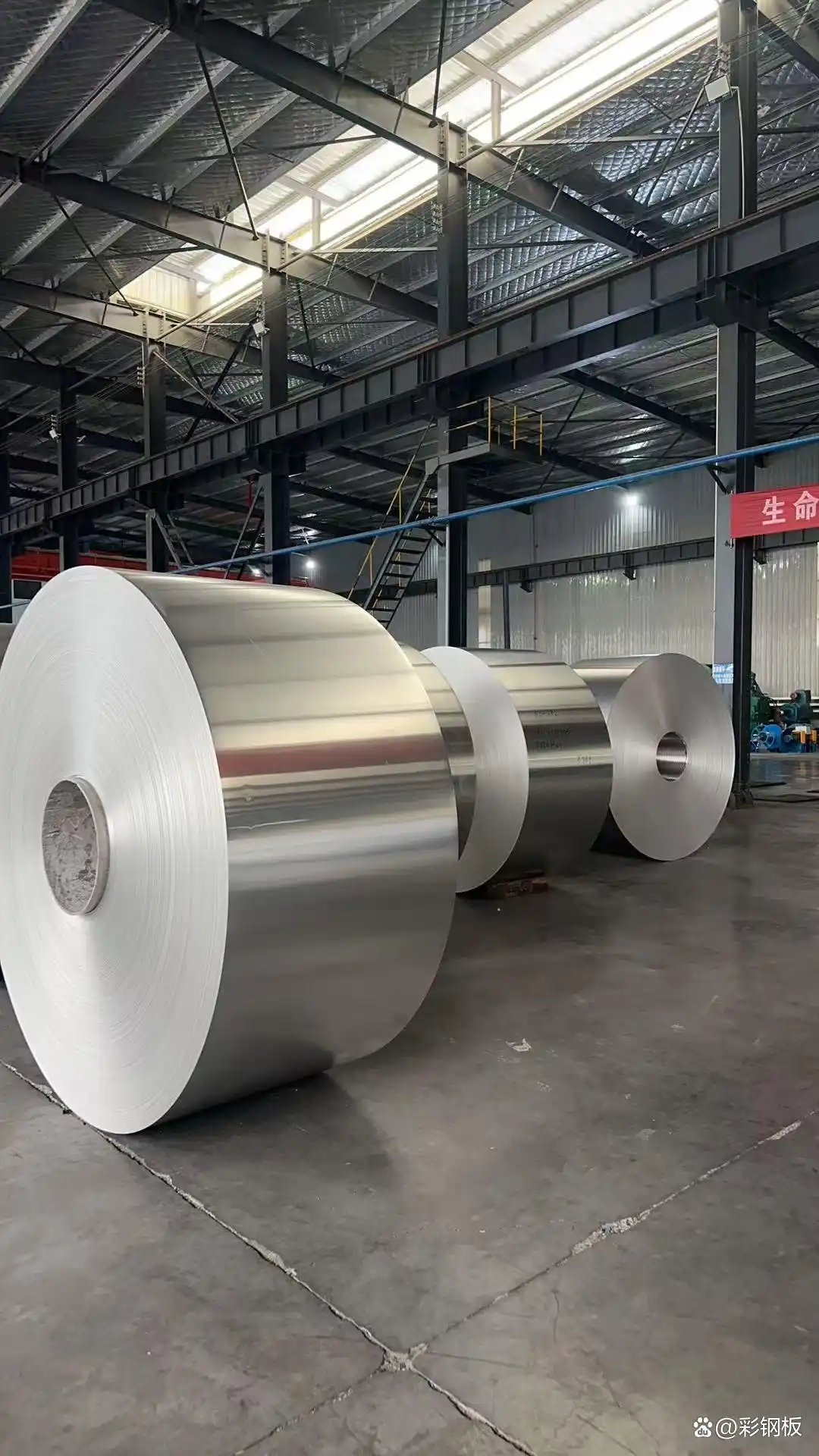
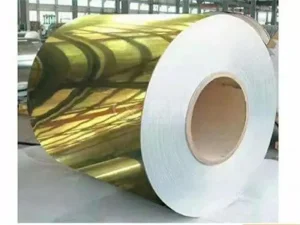
Analyzing trends in coated, mirror, and brushed coils within eco-conscious architecture projects.
Read MoreExplore our range of aluminum circles, sheets, structural tubes, and functional foils.