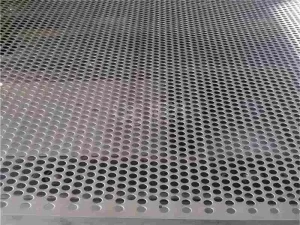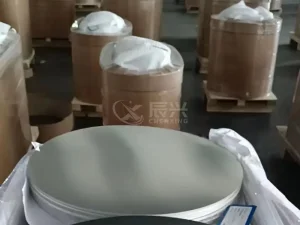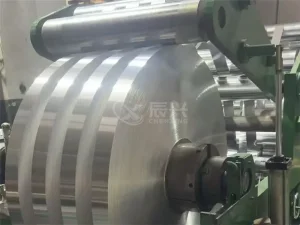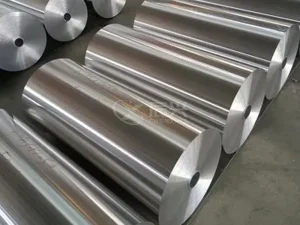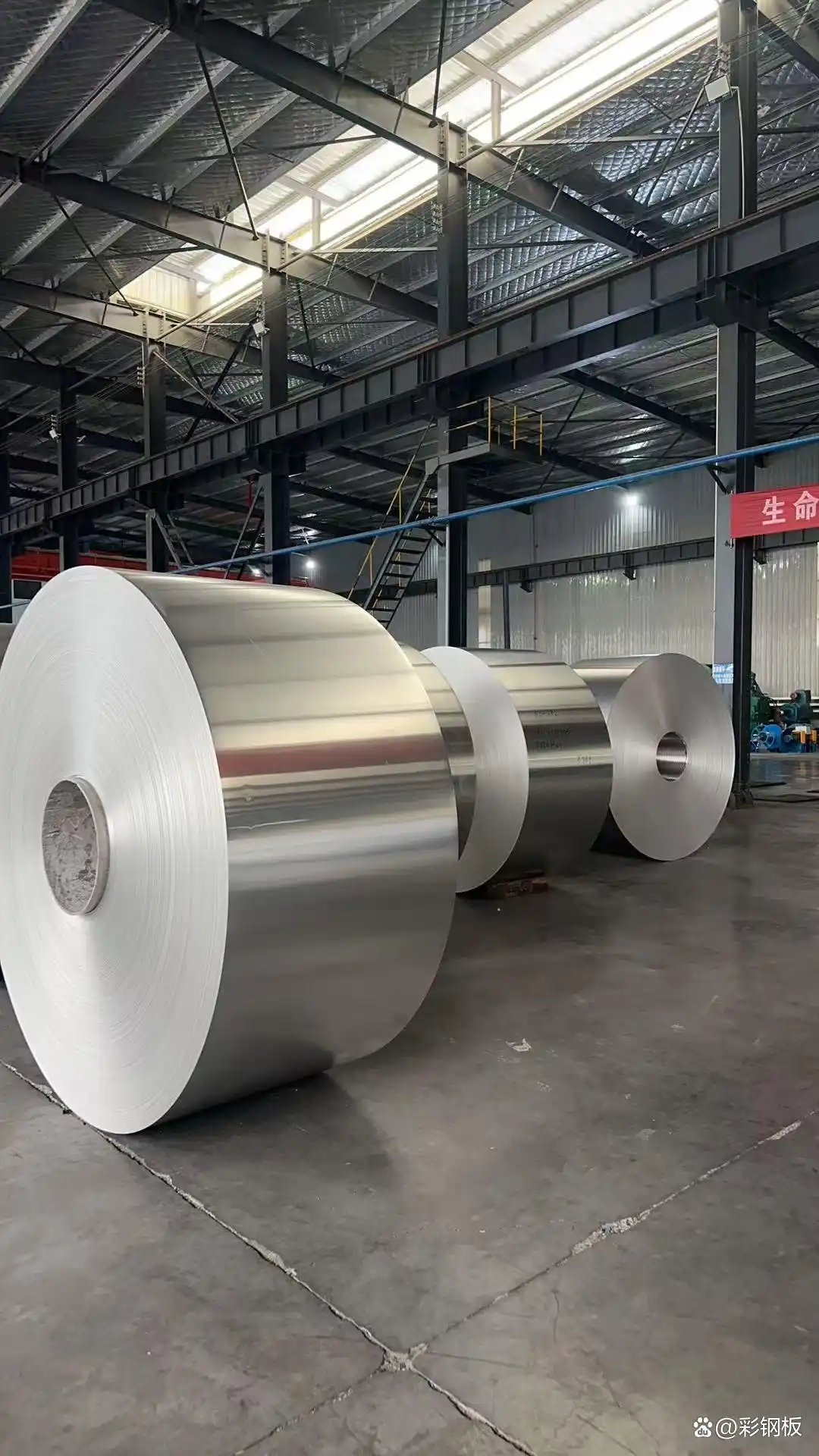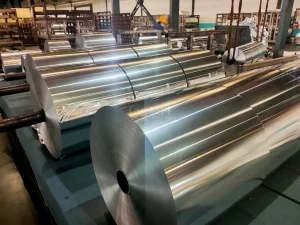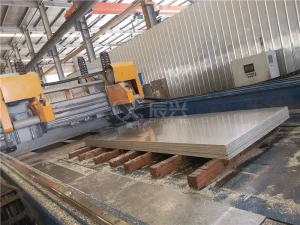
Procure certified material direct from our smart manufacturing plant. Strict tolerance control and custom dimensional specs across global logistics networks.
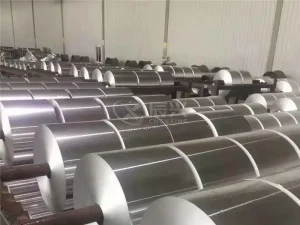
Backed by over two decades of metallurgical research, our factory leverages advanced production dynamics to ensure compliance with demanding global standards.
Continuous R&D in high-purity alloy extrusion, rolling process parameters, and metallurgical grain refinement.
Exporting customized materials compliant with EN, ASTM, JIS, and DIN specifications to global logistics hubs.
Intelligent digital tracking systems coupled with complete chemical composition and mechanical test certification.
Customer-centric localized response utilizing structured 8D methodology to resolve industrial and design issues.
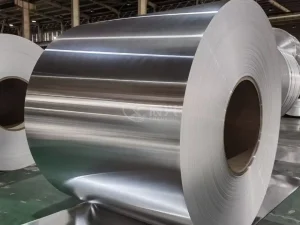
China's dominance in raw aluminum extraction, casting, and precision rolling is rooted in vertical integration. As a leading manufacturer, our facilities capitalize on direct access to liquid aluminum, localized chemical processing, and low-latency transport links. This localized cluster effect minimizes transport costs, prevents transit-related temperature fluctuations during raw casting phases, and yields high purity control.
Beyond simple cost advantages, our industrial ecosystem enables rapid adjustments to customized orders. For global buyers, this means flexible production switching between common industrial alloys like the 1000-series (pure aluminum) and specialty high-tensile 3000, 5000, and 8000 series, optimizing lead times and reducing overall procurement costs.
Selecting the appropriate alloy formulation is critical for final product performance. Whether managing deep-draw processing for hollowware, thermal efficiency in heat exchanges, or chemical resilience in marine enclosures, our mill processes specific raw materials to meet your performance profiles.
| Alloy Series | Common Temper Configurations | Core Mechanical Attributes | Primary Applications & Scenarios |
|---|---|---|---|
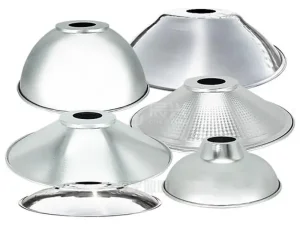
| 1050 / 1060 | O, H12, H14, H18, H24 | High conductivity (99.5%+ Al), outstanding formability, superior anodizing. | Reflectors, electrical busbars, lighting fixtures, cosmetic trims. |
| 3003 / 3105 | O, H14, H18, H24 | Medium strength, high corrosion resistance, excellent deep-drawing properties. | Cookware circles, heat exchangers, chemical processing tanks, dynamic ductwork. |
| 5083 | O, H111, H112, H321 | Exceptional resistance to seawater exposure, weldability, structural strength. | Marine vessel hulls, pressure vessels, high-strength transportation components. |
| 8011 | O, H14, H18, H22, H24 | High tensile strength in ultra-thin gauges, barrier properties, thermal stability. | Pharmaceutical blister packaging, battery casings, air conditioner fins. |
Managing international supply routes demands compliance with regional standard frameworks. In the United States and Europe, material procurement requires strict alignment with ASTM B209, EN 485, and RoHS/REACH environmental safety profiles. We mitigate import risks by structuring all supply agreements with verified third-party laboratory reports (SGS/TÜV), indicating exact element counts and silicon-to-iron proportions.
To support global operations, our logistics framework handles customs clearances, maritime moisture prevention, and JIT (Just-In-Time) warehousing. By utilizing customized anti-corrosive inter-layer papers and reinforced heavy-duty wooden packaging, our materials arrive free of surface oxidation, ready for automated stamping lines.
Modern manufacturing is focusing on environmental responsibility. Our factory is systematically decreasing our carbon footprint by utilizing clean hydroelectric energy sources for smelting and processing recycled clean aluminum scrap (E-scrap). This structural transition supports the carbon border adjustment mechanisms (CBAM) that affect major trade zones today.
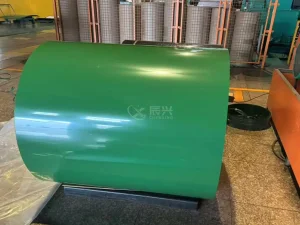
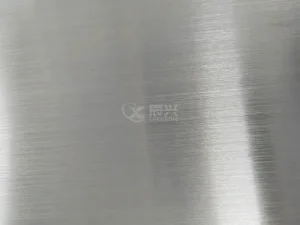
Simultaneously, surface technology is advancing beyond simple mill finishes. Our research team is enhancing performance with multi-layer PVDF coatings, precision mirror polishing, and mechanical brushing. These surface treatments improve structural durability, lower maintenance requirements, and extend product lifespans in harsh environments.
Delivering specific material properties to match precise industrial use cases and fabrication methods.
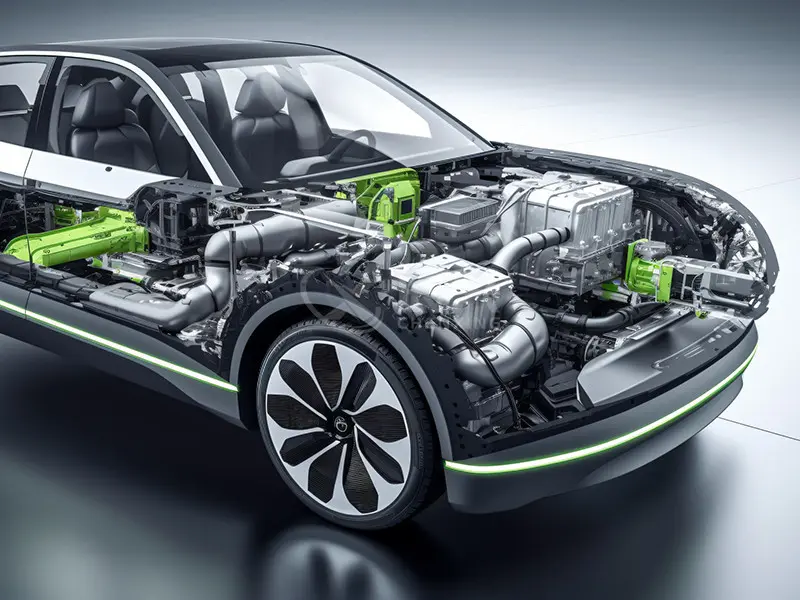
Reducing weight in structural frames, trailer floorings, and marine hulls using high-strength 5083 and 5xxx series alloys with weldability certification.
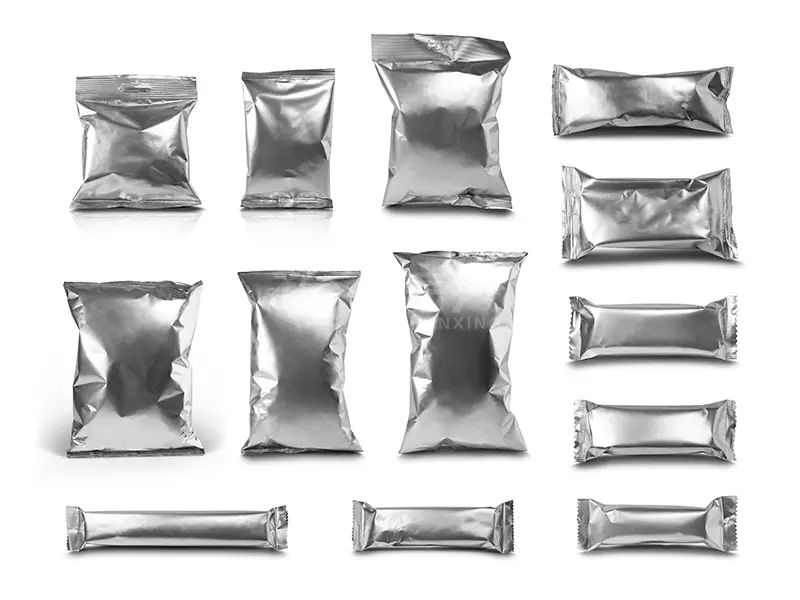
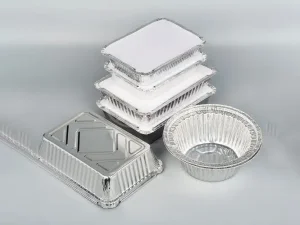
High-barrier 8011 and pharmaceutical foils designed for capsule blister lines, food containers, and lightweight caps demanding high formability.

High thermal-conductivity materials for electronic heat sinks, casing components, and battery cell connector tabs requiring ultra-low contact resistance.

Providing high strength-to-weight performance, damage tolerance, and fatigue resistance for interior cladding and aerospace component fabrication.
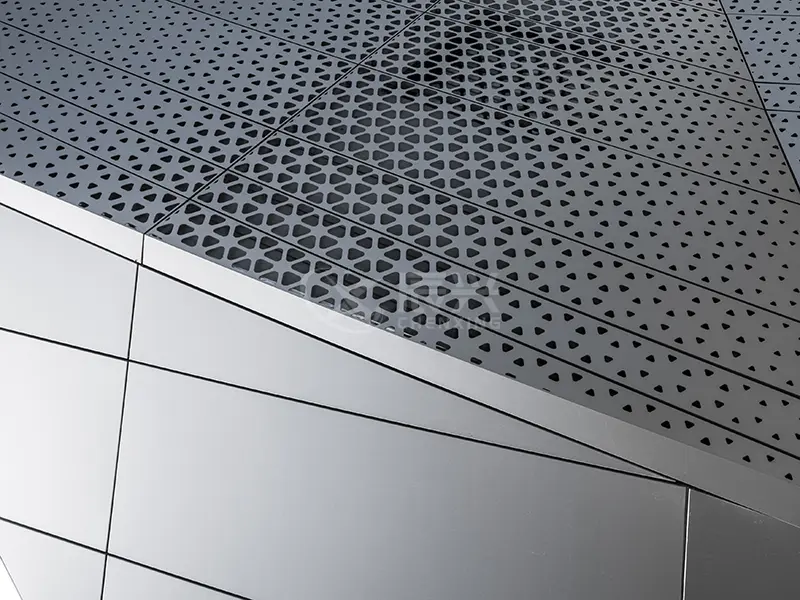
Weatherproof architectural materials, curtain walls, PVDF-coated panels, and roof coverings engineered to resist UV, moisture, and acid rain.
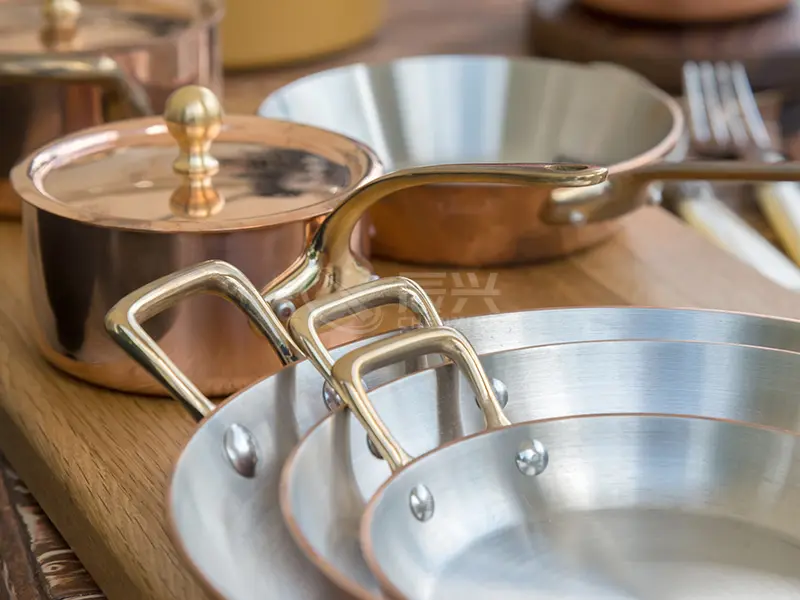
Clean cosmetic finishes, brushed patterns, and fingerprint-resistant surfaces for modern refrigerators, microwave interiors, and oven surrounds.
Stay informed with technical bulletins and global export updates directly from our engineering team.
In-depth responses to common technical questions from structural engineers and procurement specialists.
Provide your alloy grade, temper, thickness, and width requirements. Our application engineering team will provide a tailored quote and structural evaluation within 24 hours.
Refined materials designed for specialized packaging, consumer goods, and electrical component fabrication.