In the modern manufacturing landscape, the strategic sourcing of large aluminium sheets has become a critical focal point for structural designers, marine engineers, aerospace manufacturers, and heavy-industry procurement directors globally. As industries shift towards high-strength, low-weight alternatives to conventional steel, large-format aluminium plates provide the essential raw materials required to produce complex assemblies with minimal seams, enhancing overall structural integrity and reducing assembly labor costs.
Large aluminium sheets, generally defined as sheets or plates exceeding 1500mm in width and 3000mm in length, are highly specialized products. Their production requires sophisticated hot and cold rolling mill installations, precise temperature control mechanisms, and advanced tension-leveling technology. When searching for reliable large aluminium sheet companies, enterprise-level buyers must evaluate key variables including raw alloy grade, temper consistency, flatness tolerances, and geographical mill capacities.
Aluminium alloys are categorized by their main alloying elements, which dictate their mechanical properties, weldability, corrosion resistance, and thermal conductivity. For large-format sheet requirements, several key alloy families dominate:
| Alloy Series | Primary Alloying Elements | Core Characteristics | Typical Applications |
|---|---|---|---|
| 1xxx Series | Pure Aluminium (≥99.0%) | Excellent thermal & electrical conductivity, superior corrosion resistance, low mechanical strength. | Chemical equipment, industrial electrical busbars, reflective surfaces. |
| 3xxx Series | Manganese (Mn) | Moderate strength, highly workable, excellent corrosion resistance. Non-heat treatable. | Architecture, roofing, thermal insulation jacketing, industrial ducting. |
| 5xxx Series | Magnesium (Mg) | High tensile strength, exceptional weldability, and marine-grade corrosion resistance in salt-water. | Shipbuilding, LNG storage tanks, high-stress pressure vessels, transport vehicles. |
| 6xxx Series | Magnesium & Silicon (Mg-Si) | Medium to high strength, heat-treatable, excellent machinability, and good structural stability. | Structural framing, automotive chassis panels, heavy-duty flatbed trailers. |
| 7xxx Series | Zinc (Zn) | Ultra-high strength, fatigue resistance, heat-treatable. Highly specialized processing. | Aerospace structural bulkheads, defense components, precision molds. |
Years Manufacture Experience
Exported To 35+ Countries

Strict QC Inspection & Intelligent Tracking

24-Hour Customer Service, 8D Response
The production of ultra-wide and ultra-long aluminum sheets is concentrated in regions equipped with heavy industrial rolling mills, primarily East Asia (especially China), Europe, and North America. Chinese manufacturers have made significant technological leaps over the last decade, transitioning from producing standard commodity sheets to high-precision aerospace and marine-grade plates.
Currently, the industry faces double-sided pressures: meeting the surge in demand from the New Energy Vehicle (NEV) and Aerospace sectors while adhering to stringent global carbon emission caps. The implementation of "Green Aluminum" Initiatives—which leverage hydropower or recycled scrap processing to reduce the carbon footprint per ton of aluminum—has emerged as a key differentiating factor for global manufacturers.
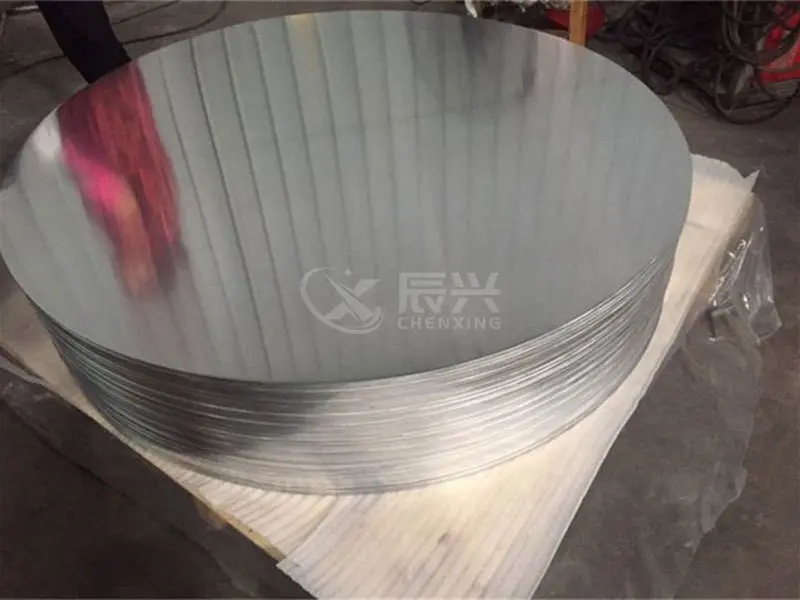
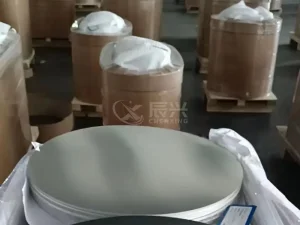
Premium purity metal with superior thermal properties, used extensively in high-draw kitchenware and industrial lighting components.
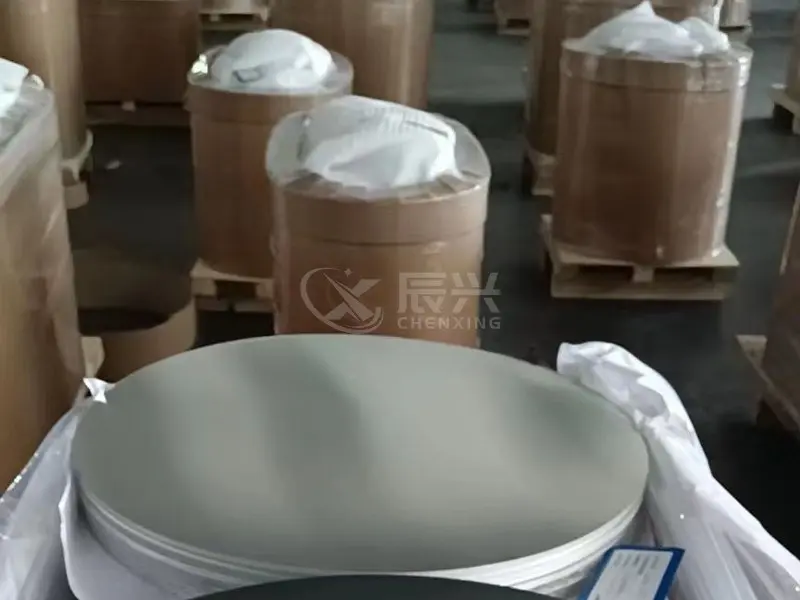
Enhanced manganese alloy circle providing optimal ductility and mechanical performance for heavy deep drawing applications.
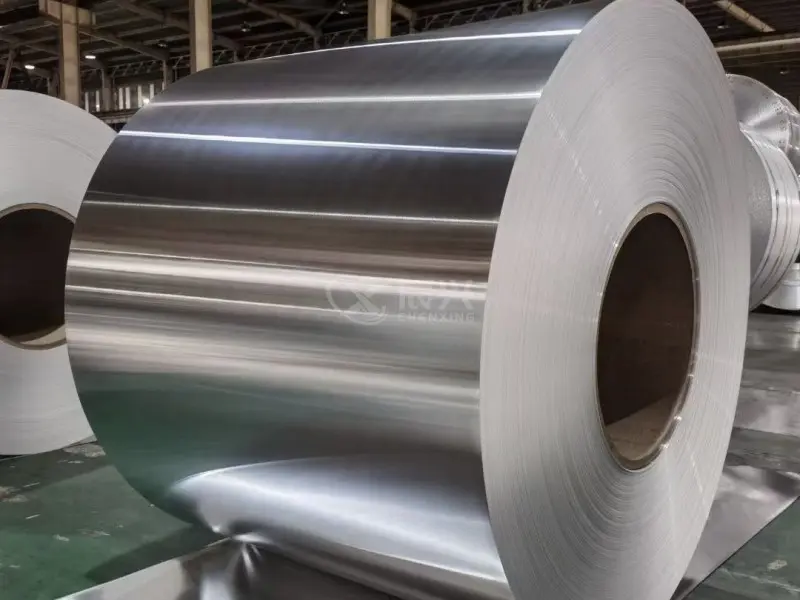
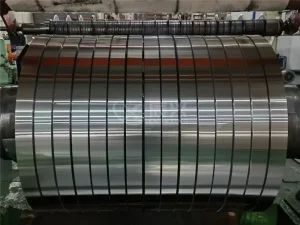
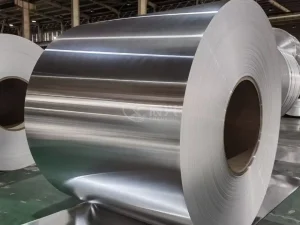
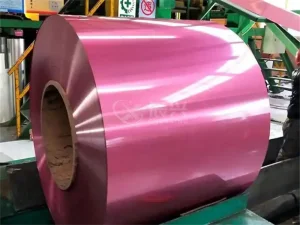
High-precision hot and cold rolled coils, ready for slitting, stamping, or protective coating processing lines.
Aesthetically superior linear-brushed finish for consumer electronics, high-end interior trims, and appliance panels.
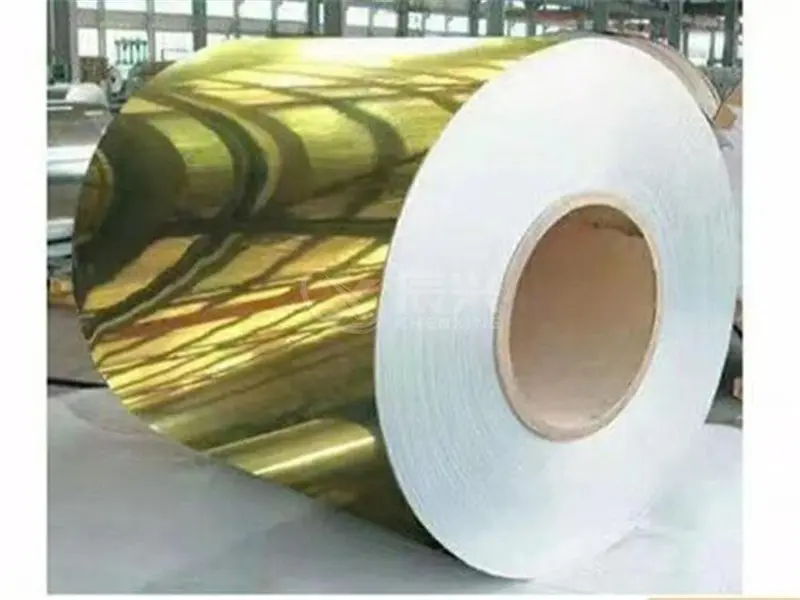
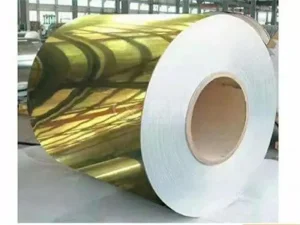
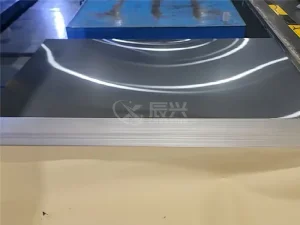
Highly reflective mirror surface finish, utilizing optical-grade polishing or anodizing, suitable for solar collectors and architectural lighting.
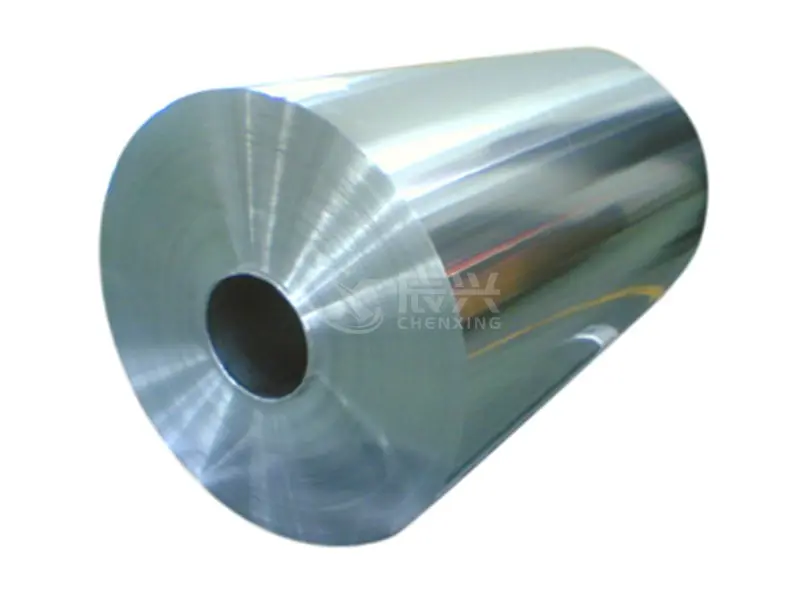
Specially coated or bare hydrophilic foil, engineered for optimized heat-exchange efficiency and corrosion prevention.
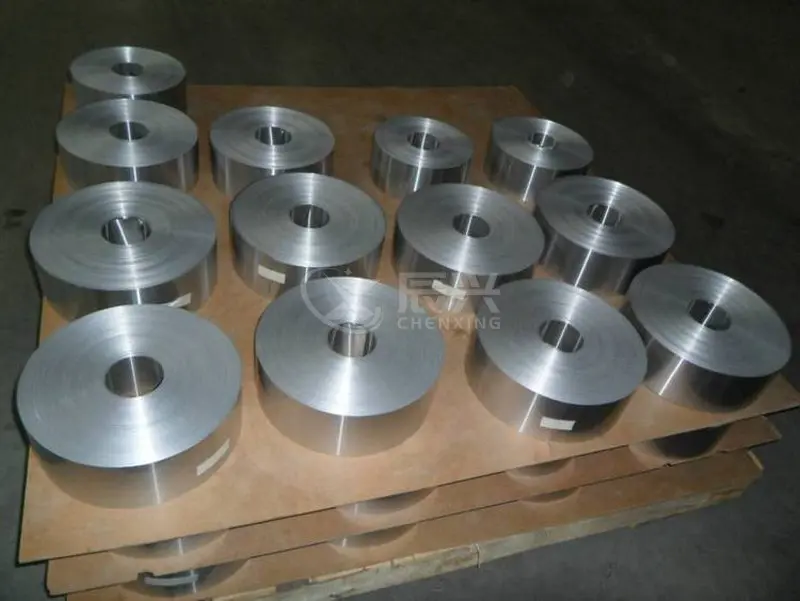
Flexible, tear-resistant composite foil laminate designed for high-performance HVAC systems and thermal insulation barriers.
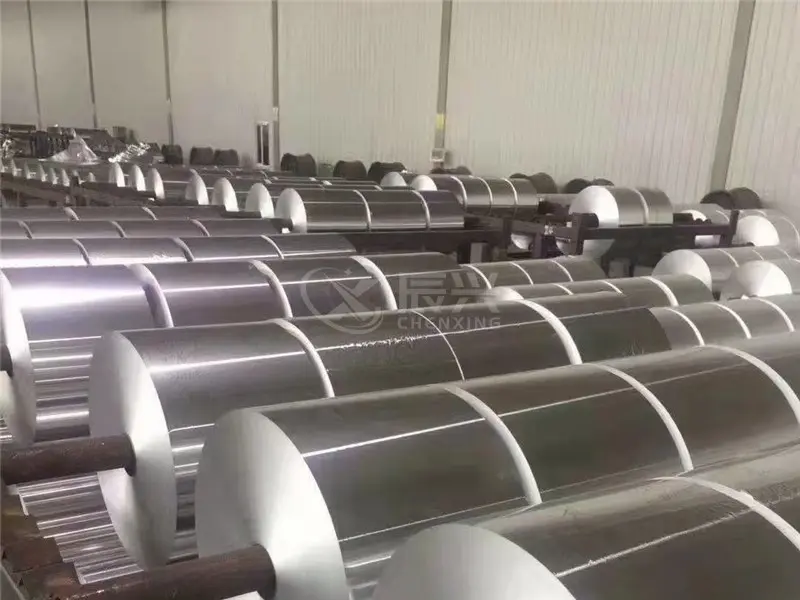
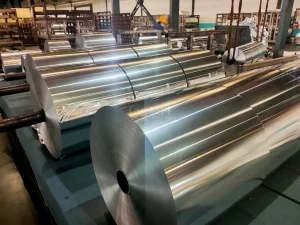
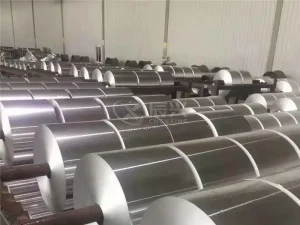
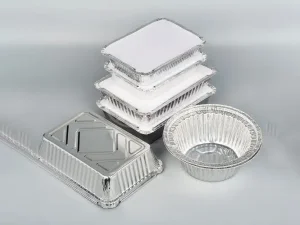
Multipurpose light-gauge barrier packaging foil, offering barrier protection against moisture, gases, and light.
The metallurgical sector is transitioning through structural enhancements aimed at quality and precision. Modern hot-rolling mills utilize online automatic gauge control (AGC) systems and visual defect scanners to monitor sheet thickness and surface uniformity in real-time. Let's look at the current technological roadmap:
Large-format sheets are highly susceptible to localized wave defects, center buckles, or side curls. Modern mills employ multi-roll tension leveling systems that apply precise mechanical strain beyond the material's yield point, neutralizing internal stress patterns and resulting in optimal flatness across wide surfaces.
Mechanical property consistency relies on the uniformity of the crystal grain structure. Through micro-alloying techniques (e.g., adding trace amounts of Titanium, Zirconium, or Scandium) and optimized heat-treatment cycles (such as continuous solution annealing), manufacturers can enhance both recrystallization control and crack-propagation resistance in structural sheets.
Sustainable sourcing relies on reducing carbon footprints during raw material processing. Primary smelting using renewable energy (hydro, solar) and optimizing high-ratio recycled scrap recovery lines (reducing energy consumption by up to 95% compared to primary smelting) are defining the next decade of large aluminum sheet sourcing.

Weight reduction solution for structural framing, floorbeds, and bulkheads in modern transport vehicles, freight trains, and passenger cars.
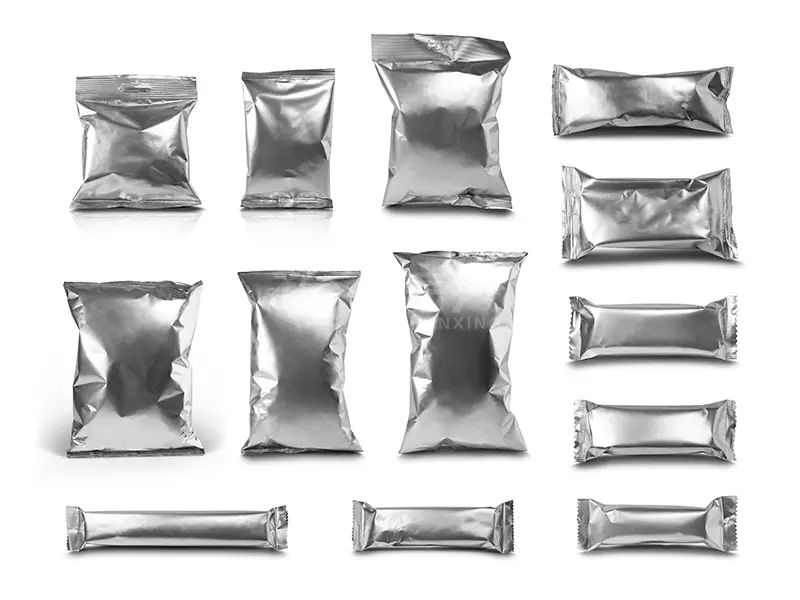
Food-grade and pharmaceutical-grade barrier protection solutions, preserving freshness and shelf stability under strict sanitation guidelines.

Exceptional thermal dissipation and EMI shielding plates for high-end server racks, telecom housings, and premium consumer electronics.

High fatigue-strength structural sheets, including 2024 and 7075 alloys, meeting the strict quality specifications of structural aerospace frames.
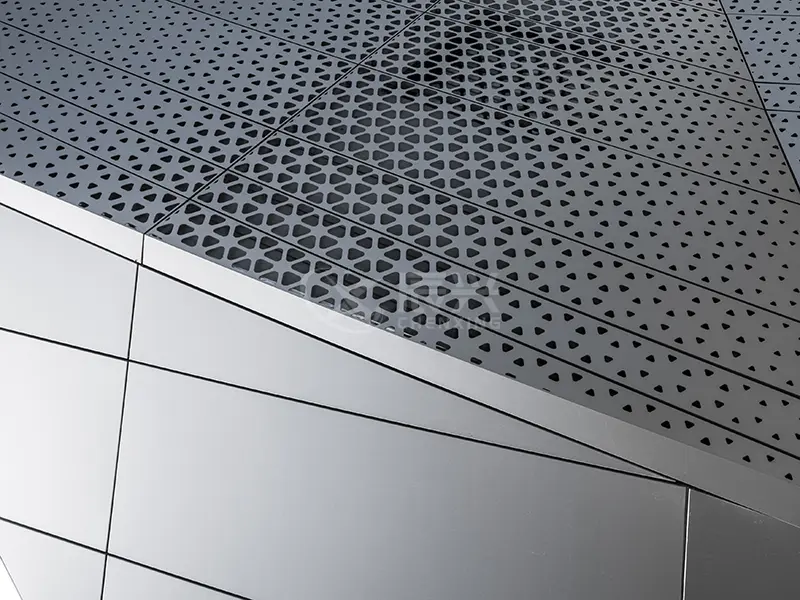
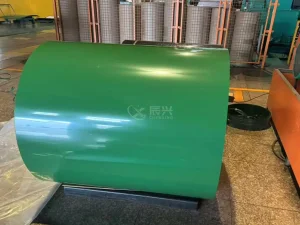
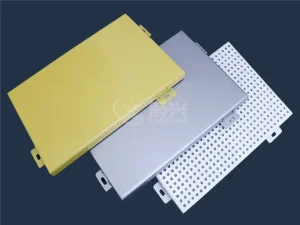
Aesthetic structural cladding, PVDF external curtain wall plates, and durable roofing components offering extensive operational lifespans.

Clean, corrosion-resistant surface coatings and panels for refrigerators, washing machines, and HVAC systems.
Procuring industrial large-scale aluminium sheets requires a systematic evaluation framework. Buying decisions must look beyond simple base pricing per ton and focus on total cost of ownership (TCO) and quality assurance. Key parameters include:
Most large-scale mills can produce widths up to 2600mm to 3000mm, with lengths stretching up to 8000mm to 12000mm depending on the alloy series, temper state, and plate thickness. Heavy-gauge plates (over 6mm) have different size envelopes compared to thin sheets (0.5mm - 6mm).
5xxx series alloys (such as 5083 and 5086) contain Magnesium as their primary alloying element. This element provides excellent resistance to intergranular corrosion and stress-corrosion cracking in saline environments, while maintaining high weld joint strength without heat treatment.
Moisture accumulation between stacked sheets causes galvanic corrosion, leading to water staining. Reputable factories resolve this by interleaving sheets with neutral pH paper, wrapping bundles in vapor-barrier plastic lining, and including silica-gel desiccant packs within heavy-duty wooden crates.
Standard mill production cycles range from 30 to 45 days depending on the alloy complexity and volume. For customized anodized or pre-painted finishes (like PVDF coated sheets), processing can add 7 to 10 additional working days to the delivery cycle.
Looking for a reliable large aluminium sheet manufacturer or company? Submit your structural specifications, alloy requirements, and delivery terms below. Our team responds within 24 hours with a comprehensive quotation and feasibility report.
Submit Inquiry NowTracking international export data trends and analyzing domestic output expansions across industrial alloys.
More News →
Analyzing current demand cycles in electric vehicle battery cathodes and clean energy battery storage applications.
More News →
Assessing the global shift towards low-carbon aluminum and sustainable supply chain initiatives.
More News →