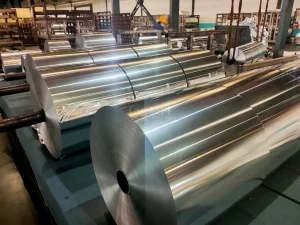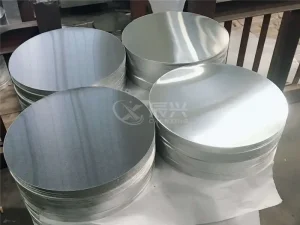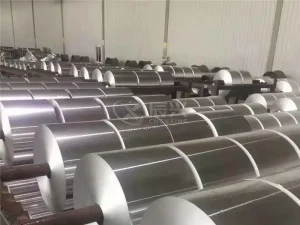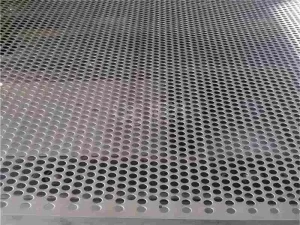
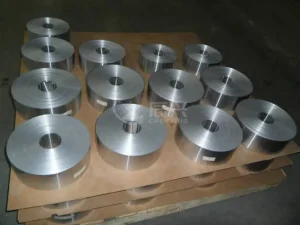
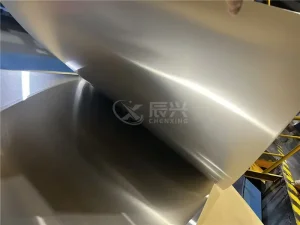
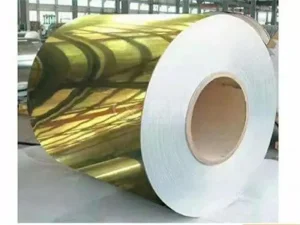
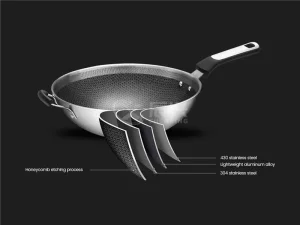
Explore our highly requested commercial alloys, precision deep-drawing blanks, and performance surface coils direct from the factory floor.
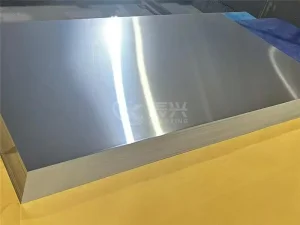
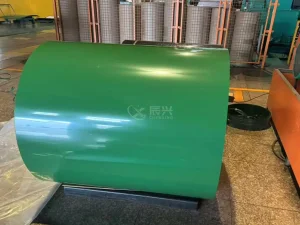
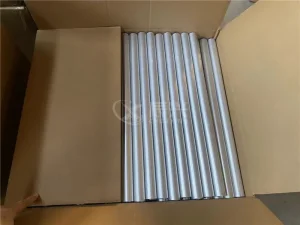

An authoritative analysis of metallurgical trends, dynamic procurement challenges, and technological frameworks shaping high-performance sheet production.
The global industrial sector is undergoing a massive transformation, demanding higher structural performance and lower carbon footprints from materials. As premier aluminum sheet distributors and manufacturers, we observe that modern supply chains require more than standard logistics. Today, procurement optimization lies at the intersection of metallurgy and localized regulatory compliance. Global buyers are moving away from spot purchases toward long-term raw material partnerships that secure mill-run price hedging, consistent dimensional tolerances, and high-purity ingot sources.
High-performance alloys such as 7075 and 3104 require precise thermal control and homogenization during production to eliminate microstructural defects. An expert aluminum factory must employ Direct Chill (DC) casting alongside advanced hot rolling processes to ensure isotropic mechanical properties. Whether the end application is in structural aerospace engineering or architectural claddings, maintaining strict chemistry constraints (such as managing copper, silicon, and iron impurity levels) defines the difference between standard grade and high-performance engineering plates.
Procurement professionals are navigating severe macro-economic challenges: volatile ocean freight rates, anti-dumping duties, and rigorous domestic import standards (such as ASTM B209, EN 485, and JIS H4000). To mitigate these bottlenecks, top manufacturers must deliver complete traceability through mill test certificates (MTC) matching EN 10204 3.1. We provide rigorous packaging methods, using heavy-duty wooden skids with robust water-barrier papers and silica desiccant packs, protecting high-finish mirror coils and thin-gauge foils from tropical condensation during sea voyages.
By integrating casting, hot rolling, cold rolling, and finishing in one contiguous production loop, verified factories minimize cumulative thermal variances. This yields consistent elongation percentages and tensile strengths, optimizing the press stroke and cycle times for downstream automotive and stamping industries.


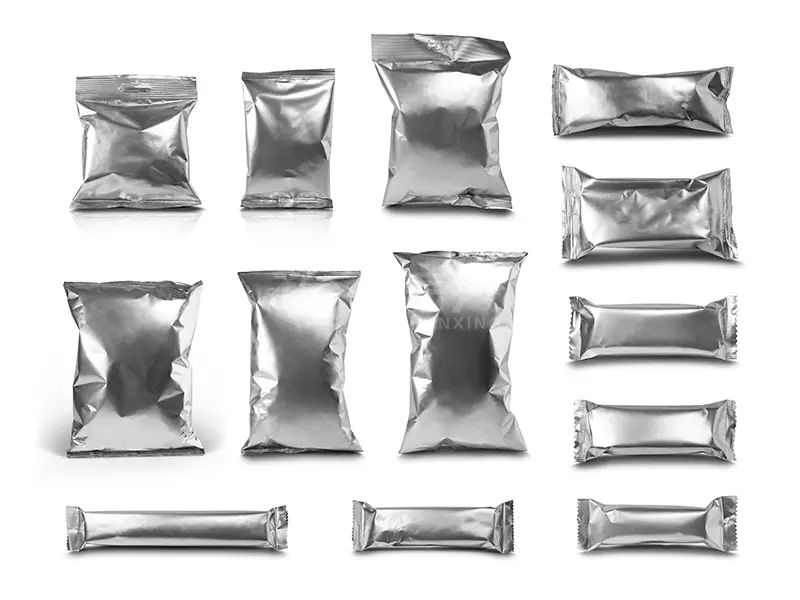
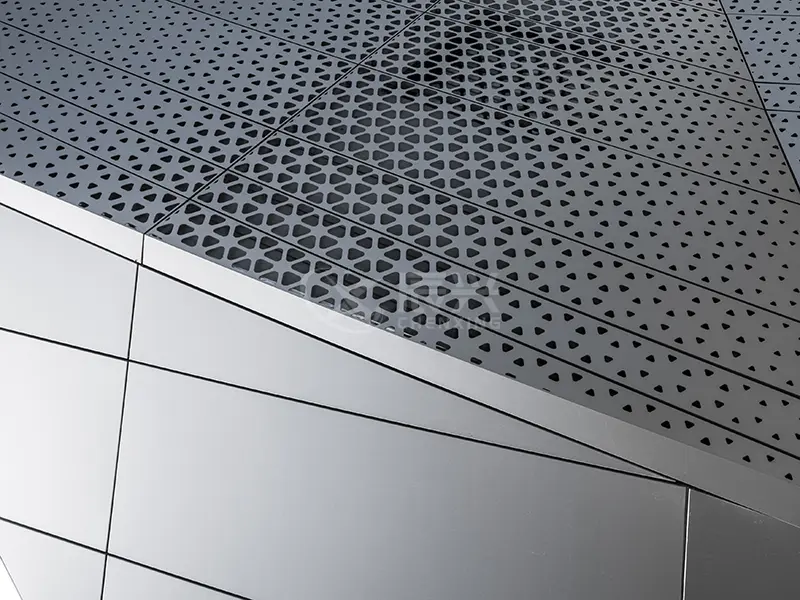
Aluminum has become the baseline material for lightweighting programs worldwide. In building and construction, PVDF-coated coils and perforated sheets provide decades of UV and corrosion protection for exterior envelopes. For structural applications, heavy plates (such as 7075-T651) display a remarkable strength-to-weight ratio, effectively replacing tool steels in blow molds and aerospace structural fittings. Meanwhile, the consumer packaging and electronics markets depend on ultra-thin, high-purity foils and specialized tubes for heat transfer efficiency, ensuring longevity and reliable thermal output.
The production of high-precision aluminum disks and complex clad plates requires deep metallurgical controls. By investing in electromagnetic stirring (EMS) in the melting furnace, our factories ensure absolute alloy homogeneity. Standard hot rolling processes are monitored using advanced automatic gauge control (AGC) and online surface inspection cameras, catching microscopic slivers, pinholes, and roll marks before the material proceeds to cold rolling or slitting stages.
Providing engineered alloy solutions across diverse industrial sectors requiring certified chemical and physical properties.




Sustainable sourcing has moved from an ESG ideal to a structural procurement requirement. With the introduction of the European Union's Carbon Border Adjustment Mechanism (CBAM) and strict Scope 3 emission targets, global manufacturers must track the carbon footprint of their raw material supply chains. As a result, sourcing green aluminum (produced using hydroelectricity or high-recycled ingot content) has become a priority.
Our manufacturing pathways are built around strict compliance frameworks. We provide detailed carbon emission calculations per ton of shipped metal. This transparent reporting structure assists global distributors and enterprise-level end-users in calculating their carbon tax liabilities, maintaining smooth operations in tariff zones, and satisfying environmental standards without sacrificing structural metal performance.
For inquiries regarding custom alloy sizes, tolerances, minimum order quantities (MOQ), and shipping schedules, contact our technical team today.
Stay updated with current market dynamics, raw material pricing, technological developments, and global trade updates.
Recent reports point to an uptick in demand for high-strength aluminum sheets. Our factories have ramped up hot-rolling capacity to meet global orders.
Read Article →
With electric vehicle rollouts accelerating, we analyze how thin-gauge battery foils are manufactured under cleanroom environments to guarantee cell integrity.
Read Article →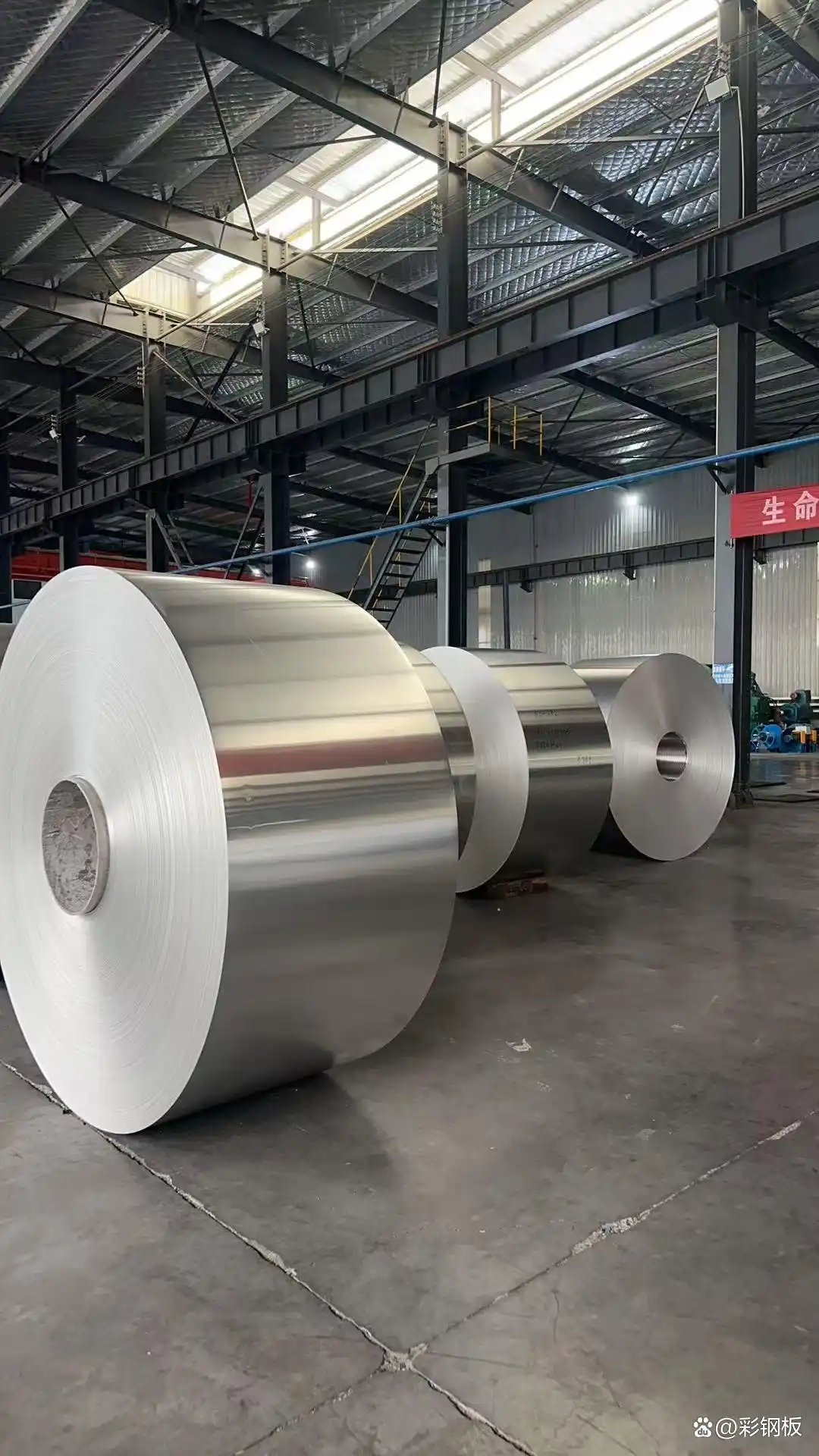
Green construction initiatives are driving demand for PVDF and anodized aluminum coils. A deep dive into sustainable architecture trends.
Read Article →Crucial procurement answers regarding tolerances, alloy selections, processing, and direct shipments.
Discover our highly specialized selection of deep-draw circles, packaging materials, and HVAC foil solutions.