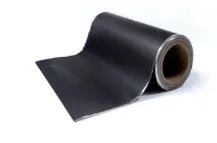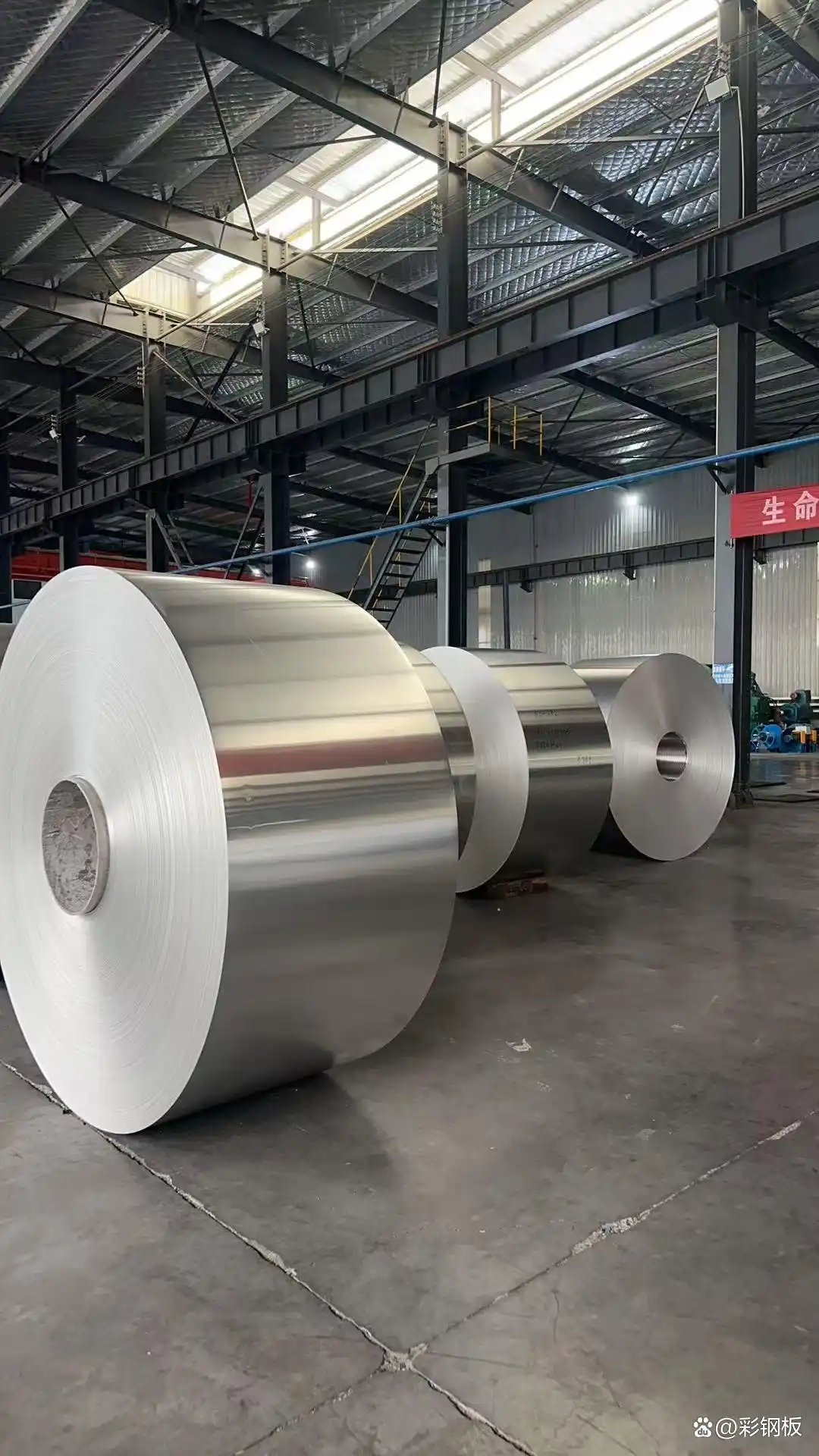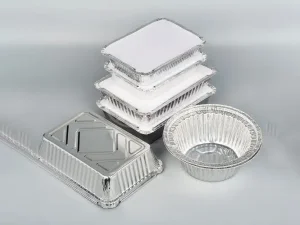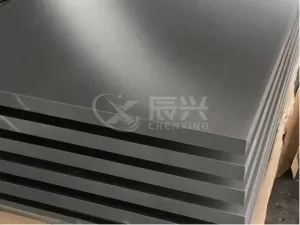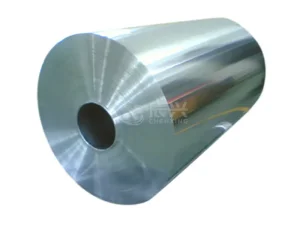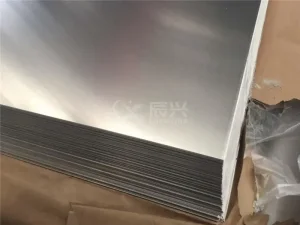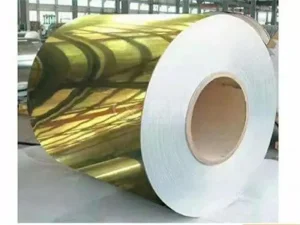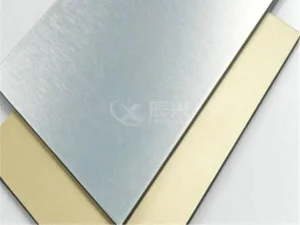
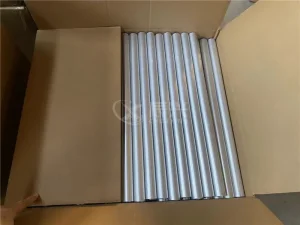
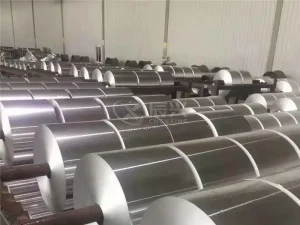
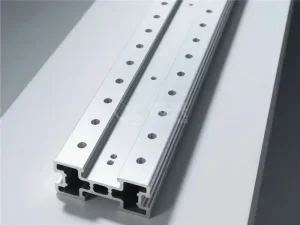
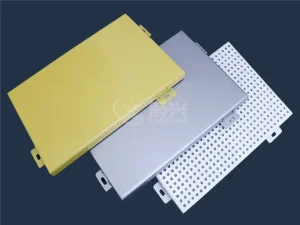
Aluminum plated steel (frequently referred to as aluminized steel) occupies an indispensable position in modern metallurgy and global manufacturing supply chains. Developed primarily by hot-dipping carbon steel into an aluminum-silicon alloy bath, this compound material merges the high mechanical strength and structural integrity of carbon steel with the excellent corrosion and high thermal reflectivity of aluminum.
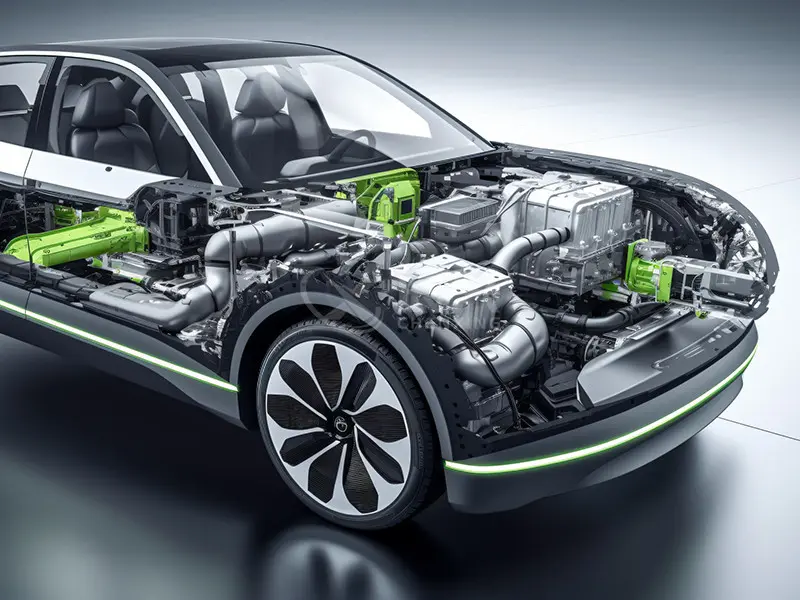
In the global industrial sector, the demand for high-temperature and rust-resistant metals has skyrocketed, driven by the strict emission standards in automotive assembly, heavy industrial oven design, and HVAC infrastructure. Geopolitically and economically, the market is segmented into Type 1 (aluminum-silicon coating for thermal protection) and Type 2 (pure aluminum coating for structural atmospheric corrosion protection). Modern buyers look to manufacturers capable of maintaining strict control over the intermetallic alloy layer (Al-Fe-Si), ensuring that during severe forming or deep-drawing processes, the coating does not peel or crack.
"By 2026, the global demand for high-strength aluminized sheet components is expected to grow by over 5.4% CAGR, driven strongly by the development of thermal management shields in hybrid vehicles and heat recovery units in green building envelopes."
Consequently, procurement managers are transitioning away from simple distributors, preferring to source directly from integrated companies and factories that possess advanced cold-rolling mills and continuous hot-dip galvanizing/aluminizing facilities. This bypasses intermediary trading margins and guarantees direct traceability of raw materials.


China’s industrial infrastructure has evolved from a basic processing hub to a smart-manufacturing leader in metallurgical science. This dominance in the aluminum plated steel sector is built on several key pillars:
| Standard Reference | Coating Type Designation | Typical Coating Comp. | Primary Target Application |
|---|---|---|---|
| ASTM A463 / Type 1 | T1-25 to T1-40 (Light to Regular) | 90% Al, 10% Si | Automotive mufflers, heat shields, space heaters |
| ASTM A463 / Type 2 | T2-65 to T2-100 (High Thickness) | 100% Pure Al | Outdoor corrugated roofing, grain silos, piping jackets |
| EN 10346 (AS Coating) | AS060 to AS150 | 91% Al, 9% Si | Exhaust systems, heavy-duty boiler structural parts |
Traditional aluminized coatings are shifting toward advanced ternary configurations incorporating zinc, silicon, and magnesium. Incorporating trace percentages of Mg in the coating bath produces a self-healing cathodic protection edge, preventing galvanic corrosion at sheared edges where bare steel meets raw atmospheres. Additionally, advanced heat treating methods allow factories to pre-diffuse the interface layer, raising the temperature limit from 800°C up to 900°C.
When buying aluminum-plated steel components, procurement officers must look beyond simple price-per-ton metrics. To ensure high E-E-A-T and operational durability, keep this evaluation framework in mind:
Contact our metallurgy and engineering departments to receive structural calculations, custom thickness specifications, and pricing tables within 24 hours.