Direct from top-tier Chinese factories optimized for high structural resilience and custom alloy formulations.
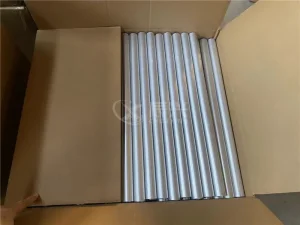


Analyzing global metallurgical trends, efficiency paradigms, and procurement frameworks.
The global aluminium foil market is undergoing a structural transition. Driven by structural shifts in packaging regulations, the exponential growth of lithium-ion batteries, and the thermal management requirements of next-generation HVAC systems, pure aluminum rolling technology has transformed. Aluminum foil, defined as a rolled sheet under 0.2mm (200 microns) in thickness, acts as a critical raw material for flexible barrier packaging, electromagnetic shielding, and cathodic battery current collectors.
From a global commercial standpoint, the demand centers are shifting towards highly specialized tempers and alloy compositions. The conventional 1xxx (purity > 99%) series is now augmented by high-performance 3xxx, 8xxx, and battery-grade 1235 and 1060 alloys. In Europe and North America, strict environmental directives and the Carbon Border Adjustment Mechanism (CBAM) are forcing procurers to seek supply chains that can prove high material yield, low pinhole counts, and carbon transparency.
Why do global procurers look to Chinese factories? The structural advantage of China's aluminum industry lies in the localized integration of the supply chain. From bauxite refining and aluminum ingot smelting to direct-chill casting and cold rolling, production is clustered in provinces like Henan, Shandong, and Jiangsu. This spatial integration yields significant structural efficiencies:
As sustainability mandates evolve, leading manufacturers are transitioning to low-carbon aluminum sourcing. By utilizing hydroelectric power for primary smelting (often referred to as green aluminum) and increasing the ratio of clean scrap recycling, Chinese manufacturers are significantly shrinking the carbon footprint per ton of finished foil. This is crucial for automotive and packaging enterprises aiming to hit Scope 3 emissions reductions.
Explore our main product streams, engineered for high mechanical reliability and structural integrity.
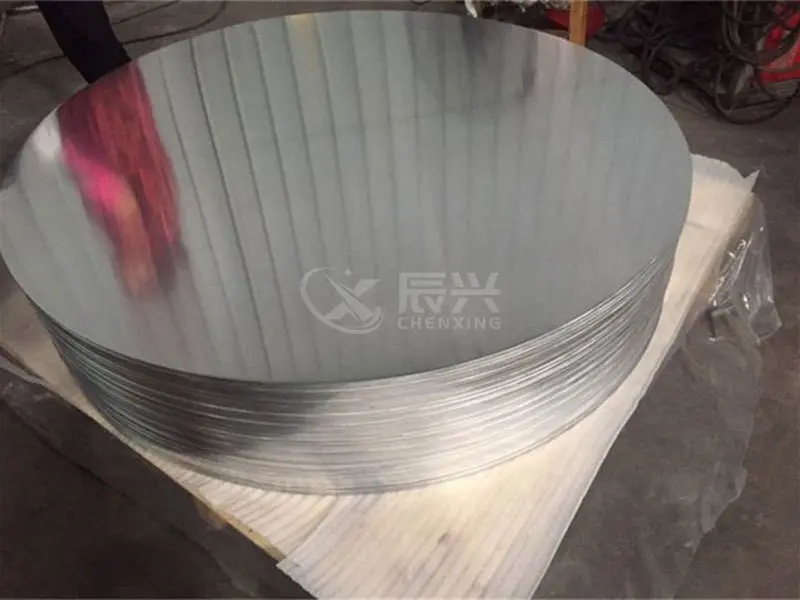
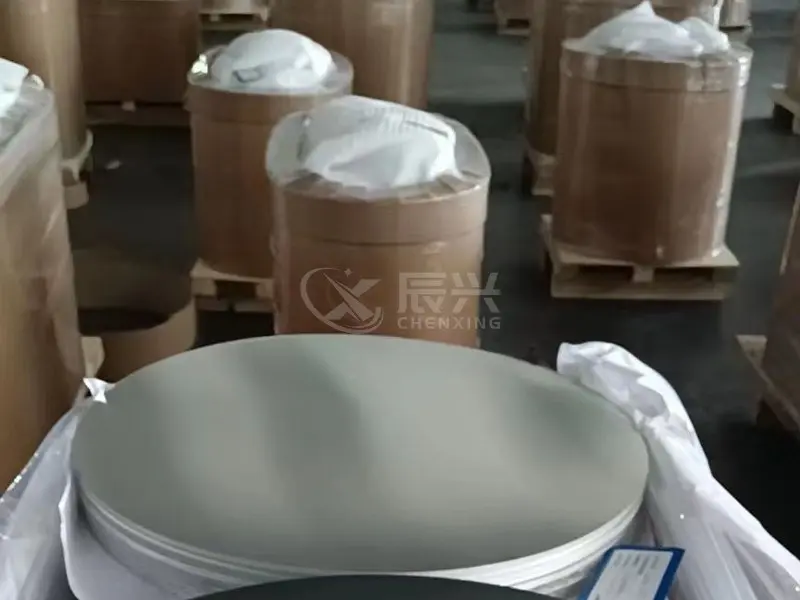
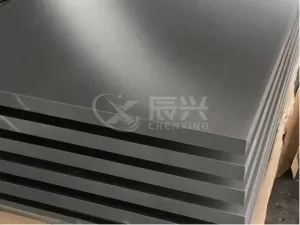
Mn-alloyed circle offering superior strength and corrosion resistance.
Inquire Price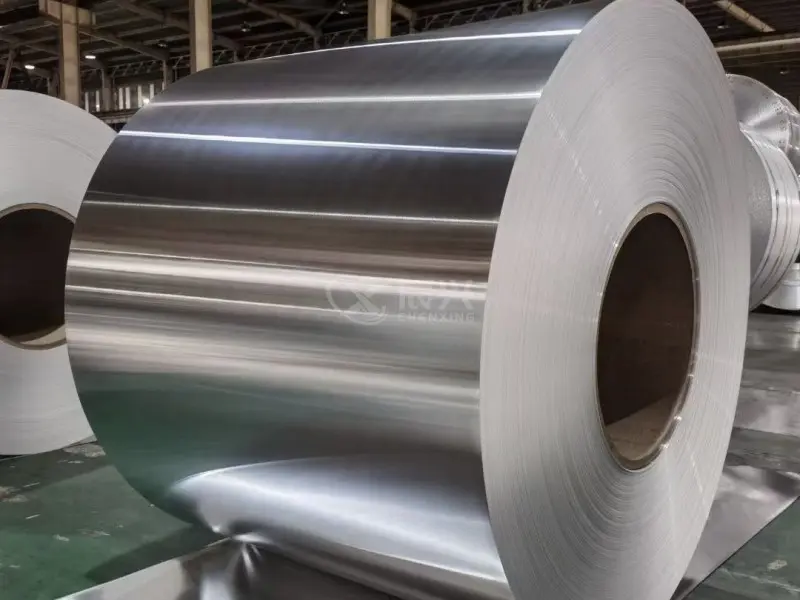
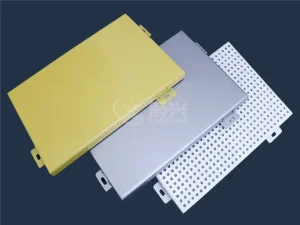
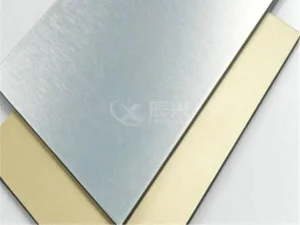
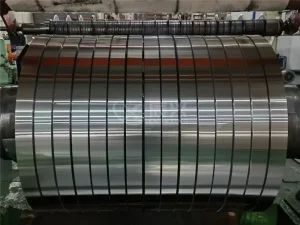
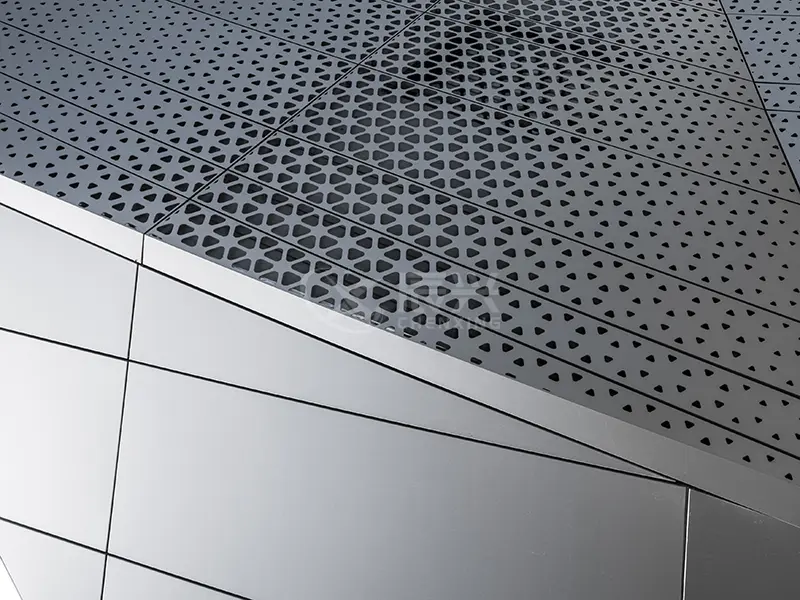
Multi-alloy coils for cladding, building facades, and panels.
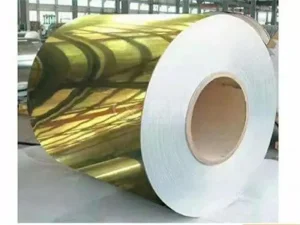
Inquire PricePre-treated surface finish optimized for high-end appliance panels.
Inquire Price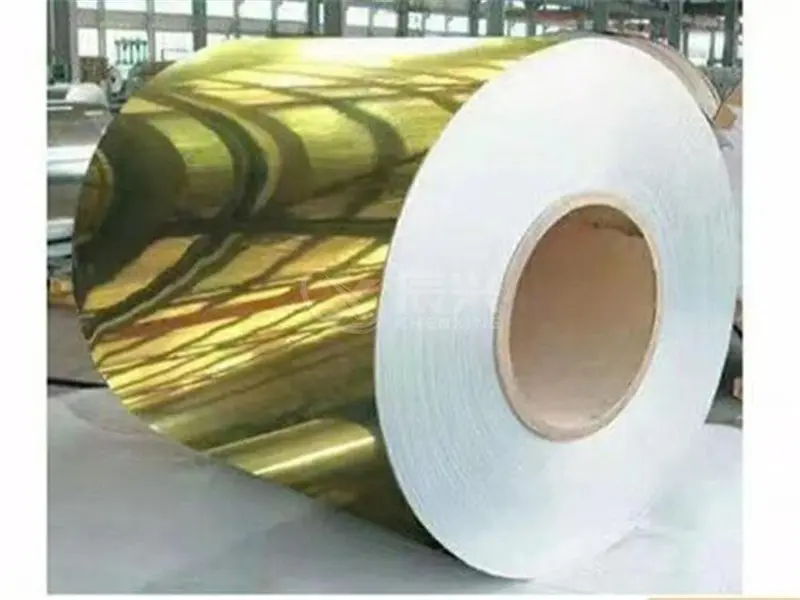
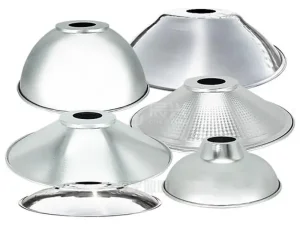
Total reflectivity over 86% for solar concentrators and architectural louvers.
Inquire Price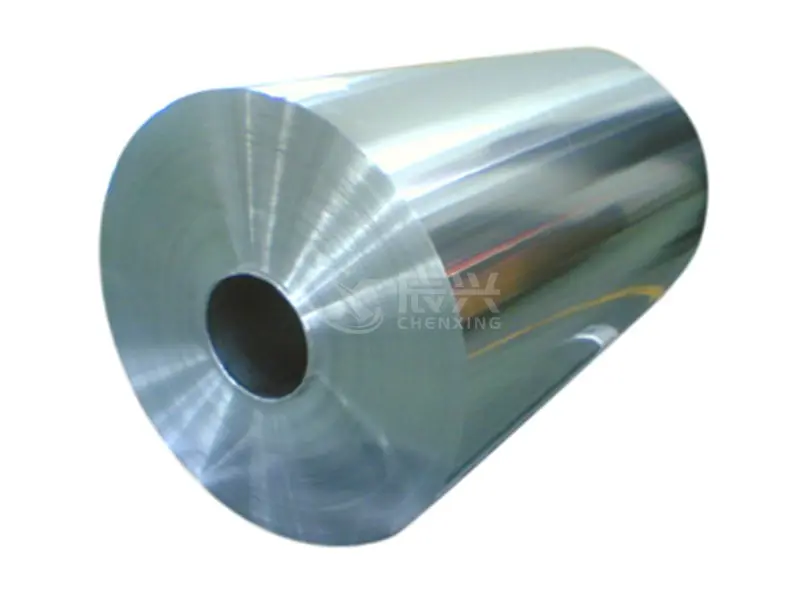
Hydrophilic and bare fin stock for industrial heat exchangers.
Inquire Price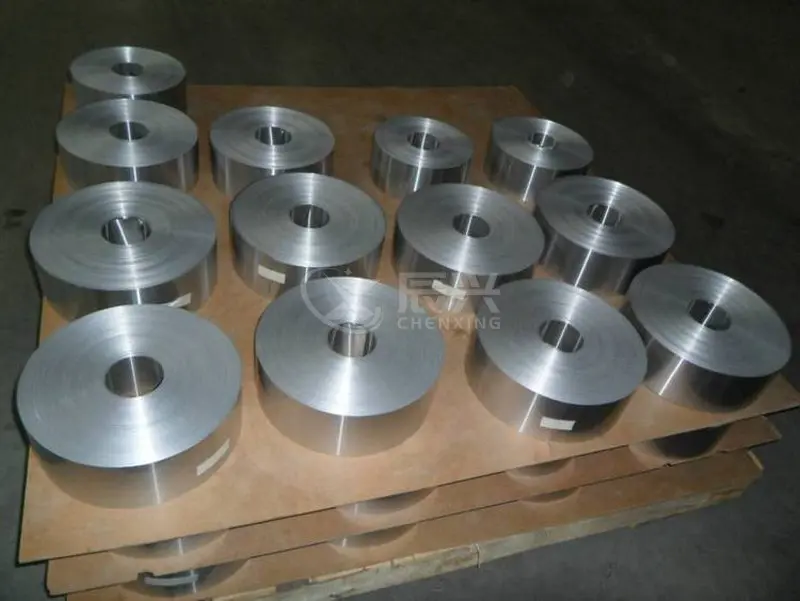
High strength-to-weight ratio foil for flexible ventilation ducts.
Inquire Price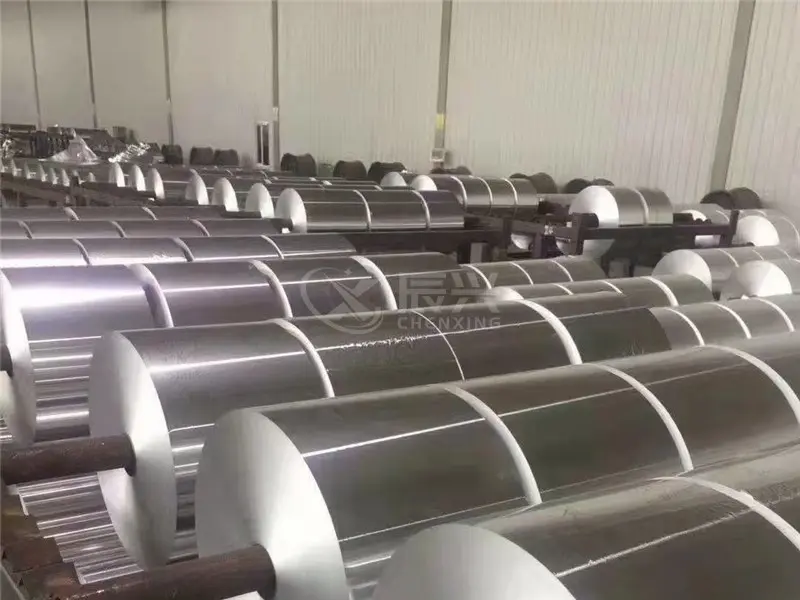
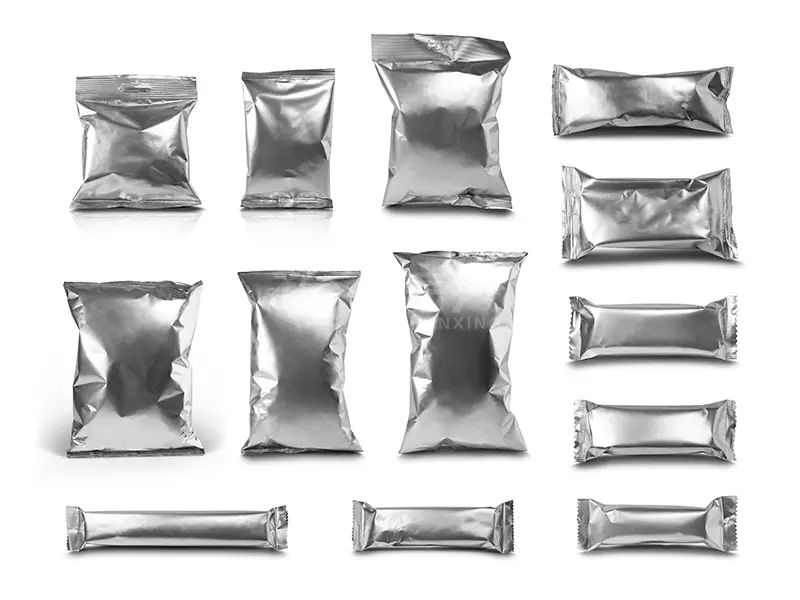
Standard barrier grade foil for composite laminations and packaging.
Inquire PriceTailored structural characteristics designed to meet demanding applications across industries.



Procuring raw materials for industrial-scale manufacturing requires strict quality assurance. For aluminum materials, procurement specifications focus on structural consistency. Mechanical tolerances, chemical composition limits, and surface quality must be strictly verified. The primary parameters include:
The industry is moving towards the adoption of ultra-thin foils, particularly down to 6 and even 4.5 microns, specifically for energy storage electrodes. Simultaneously, factories are integrating AI-powered surface defect detection systems that screen the entire surface of the moving metal at speeds up to 1200 meters per minute. This mitigates risks of pinholes, black lines, and roll marks before the material is packed and shipped.
Stay informed with technical analyses and reports from global logistics and metallurgy experts.
Meeting the increasing demand for high-strength industrial sheets across emerging markets...
Read Technical Report →
A critical review of chemical composition standards and surface tension requirements for electric vehicles...
Read Technical Report →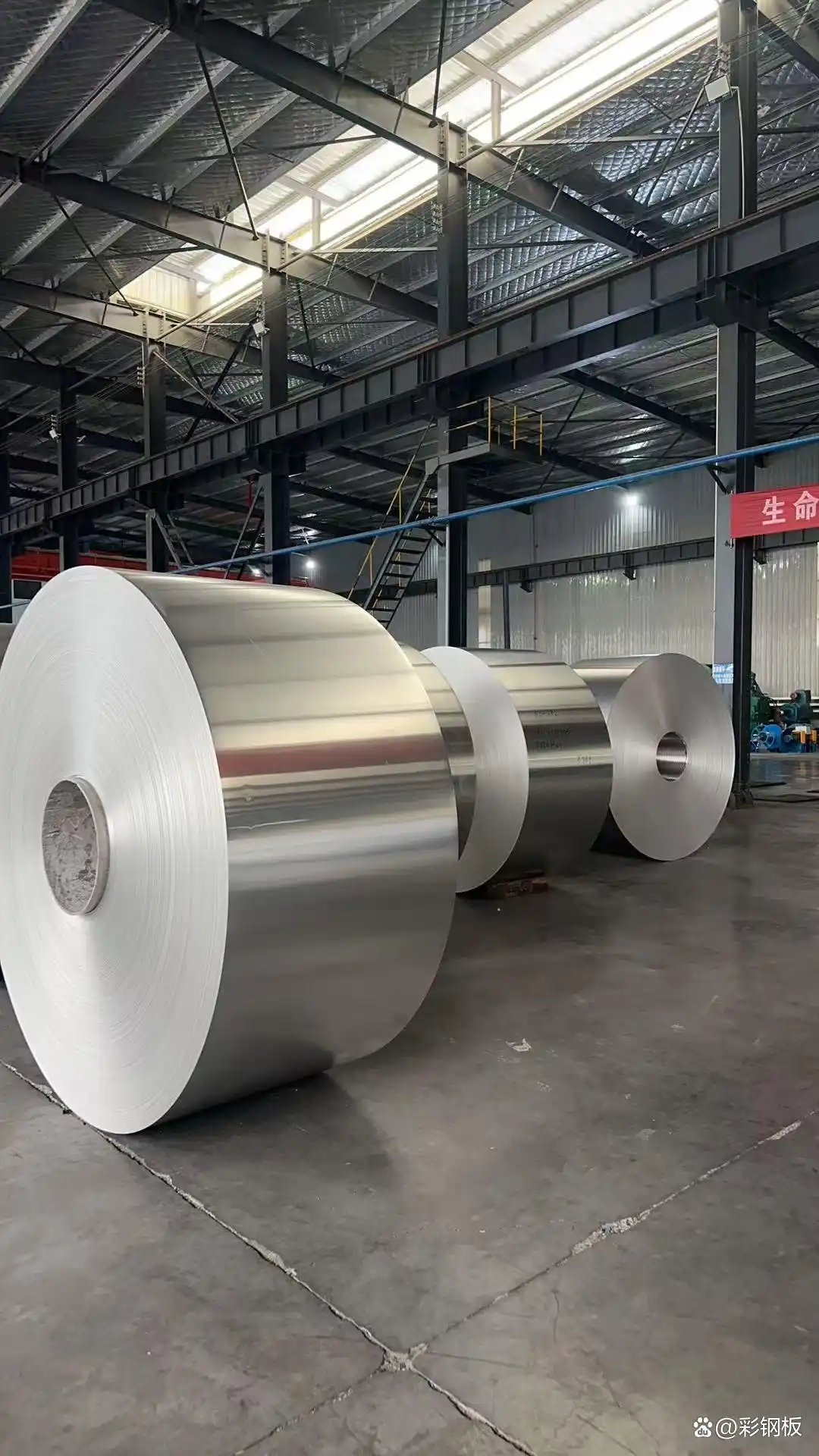
How low-carbon smelting processes are redefining standard procurement specifications in Europe and US...
Read Technical Report →Whether you require specific mechanical properties, specialized surface anodizing, or custom-dimension coils, submit your technical parameters to our metallurgical engineering team. We provide a full quotation and structural assessment within 24 hours.
SUBMIT INQUIRY NOWExpert answers addressing the metallurgical, chemical, and logistics challenges of global aluminum procurement.
Pinhole density is directly governed by metallurgical purity and the micro-structure of the casting slab. Non-metallic inclusions (like oxides) and dissolved gases (principally hydrogen) can cause small ruptures during the reduction rolling process down to gauges like 6 or 7 microns. To minimize pinholes, quality-focused factories use inline degassers, ceramic foam filtration systems, and cold-rolling mills equipped with automatic thickness control systems.
Alloy 8079 contains higher percentages of iron (Fe) and silicon (Si) compared to 1235. This micro-alloying improves both tensile strength and elongation metrics. Consequently, 8079 can be processed down to thin gauges while retaining superior burst strength and ductility, making it ideal for pharmaceutical blister packs and retort pouches.
The temper state (e.g., O, H32, T6) determines the dislocation density within the alloy's crystalline structure. For instance, 5052-O (fully annealed) is highly ductile and suitable for deep drawing but has lower yield strength. Conversely, 5052-H32 has undergone strain hardening and stabilization, yielding higher strength but reduced elongation. For structural applications, selecting the appropriate temper balance prevents cracking during press brake forming.
For lithium-ion batteries, aluminum foil acts as the cathode collector. The surface must be completely free of rolling oils (low surface tension, typically dynamic water contact angle < 40°) to ensure uniform slurry wetting. Advanced carbon coatings are often applied to decrease internal resistance, enhance adhesion to active materials, and protect the foil from electrochemical corrosion.
Aluminum is highly sensitive to moisture during transit, which can cause galvanic oxidation. Standard export packaging uses "Eye-to-Sky" or "Eye-to-Wall" configurations on robust wooden pallets. Coils are wrapped in plastic barriers, packed with active desiccant bags, wrapped in tough corrugated board, and bound with steel strapping inside IPPC-certified wooden crates to prevent movement.
Industrial components and specialized alloys engineered for harsh operational environments.