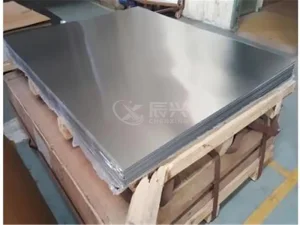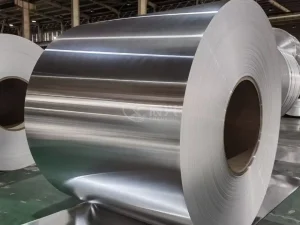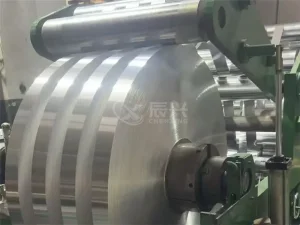
Explore our select architectural, structural, and custom-engineered industrial aluminum solutions sourced directly from our certified smart factories.
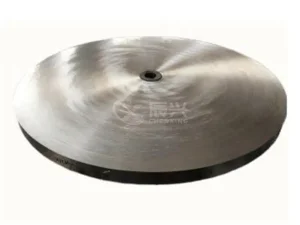
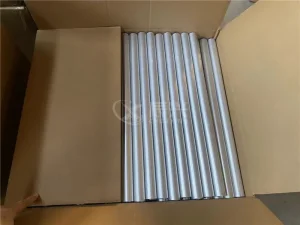
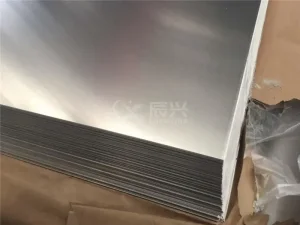
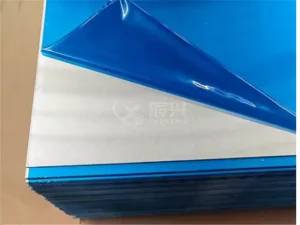
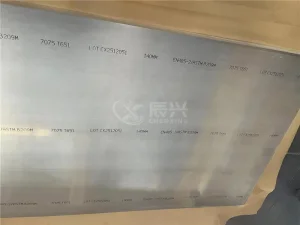
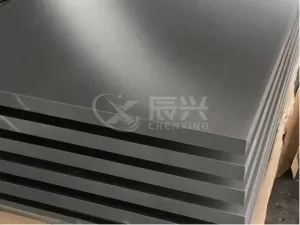
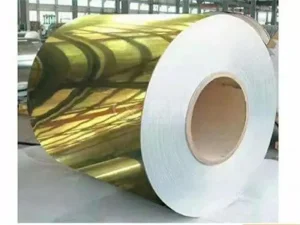
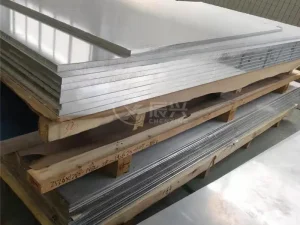
Why Tier-1 industrial enterprises choose our production system for their heavy-duty structural and thermal applications.
In modern manufacturing, 3003 aluminum alloy serves as the backbone for critical cooling systems, chemical storage, food processing equipment, and electrical packaging. Classified under the 3xxx series of non-heat-treatable aluminum-manganese alloys, 3003 aluminum provides approximately 20% higher mechanical strength than pure 1100 alloy while maintaining exceptional formability, high corrosion resistance, and superb weldability.
The mechanical characteristics of 3003 aluminum are derived from its solid solution strengthening, primarily driven by the introduction of Manganese (Mn) as the chief alloying element. Manganese impedes the dislocation movements during deformation, which increases structural yield without compromising the alloy's structural integrity or ductility.
| Alloy Element | Si (Silicon) | Fe (Iron) | Cu (Copper) | Mn (Manganese) | Zn (Zinc) | Al (Aluminum) |
|---|---|---|---|---|---|---|
| 3003 Composition (%) | 0.6 Max | 0.7 Max | 0.05 - 0.20 | 1.0 - 1.5 | 0.10 Max | Remainder (approx. 98.6%) |
During cold working, various tempers are applied to the 3003 alloy to fit specific operational requirements. The most common tempers requested by international procurement professionals include:
| Temper Designation | Tensile Strength (MPa) | Yield Strength (MPa) | Elongation (%) in 50mm | Brinell Hardness (HB) |
|---|---|---|---|---|
| 3003-O | 110 - 135 | 40 - 55 | 30% - 35% | 28 |
| 3003-H14 | 145 - 170 | 120 - 145 | 8% - 16% | 40 |
| 3003-H18 | 200 - 240 | 185 - 220 | 4% - 8% | 55 |
| 3003-H24 | 150 - 180 | 125 - 150 | 10% - 18% | 42 |
When sourcing 3003 aluminum from direct factories, engineering departments must choose between two dominant manufacturing routes: Direct Chill Casting (DC) and Continuous Casting (CC).
Direct Chill (DC) Casting: Produces a highly refined grain structure and minimizes segregation of manganese. This makes DC 3003 aluminum the preferred option for deep drawing, anodizing, and mirror finishing where surface uniformity is critical.
Continuous Casting (CC): Operates as a more cost-efficient route by bypassing several reheating steps. CC material is excellent for standard HVAC ducting, structural cladding, industrial piping, and applications where mechanical stresses are moderate and cosmetic perfection is secondary.
Managing a global supply chain for raw metals requires strict adherence to international standards and quality assurance protocols. Procurement officers sourcing 3003 aluminum in bulk must verify that potential manufacturers meet the criteria established by global testing bodies.
All premium mill runs must comply with ASTM B209 (USA) or EN 485 (Europe) standards. These specifications govern chemical compositions, mechanical properties, dimension tolerances, and flatness criteria. Ensure your vendor provides comprehensive Mill Test Certificates (MTC) matching the chemical heat analysis of the actual coils or sheets delivered.
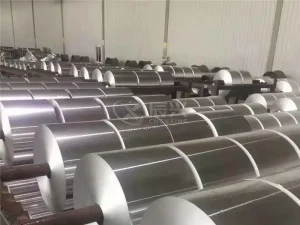
For foil manufacturing, such as battery-grade and HVAC fins, surfaces must be entirely free from rolling oil residues, water stains, and scratches. Advanced factories employ tension levelers and online visual defect scanners to detect mill defects before the product is wound into jumbo rolls.
While 3003 is inherently corrosion-resistant due to a protective aluminum oxide layer, exposure to chloride-rich environments requires meticulous alloy balancing. Insist on low copper levels (below 0.10%) to prevent localized pitting corrosion in humid air conditioning ducts or heat exchangers.
In alignment with global ESG targets, top factories are moving toward clean smelting processes. Sourcing recycled 3003 aluminum or using clean energy during smelting reduces the carbon footprint, helping buyers comply with upcoming carbon import tariffs like the CBAM in Europe.
Adapting the high formability and mechanical properties of 3003 alloy across major global infrastructure and product lines.
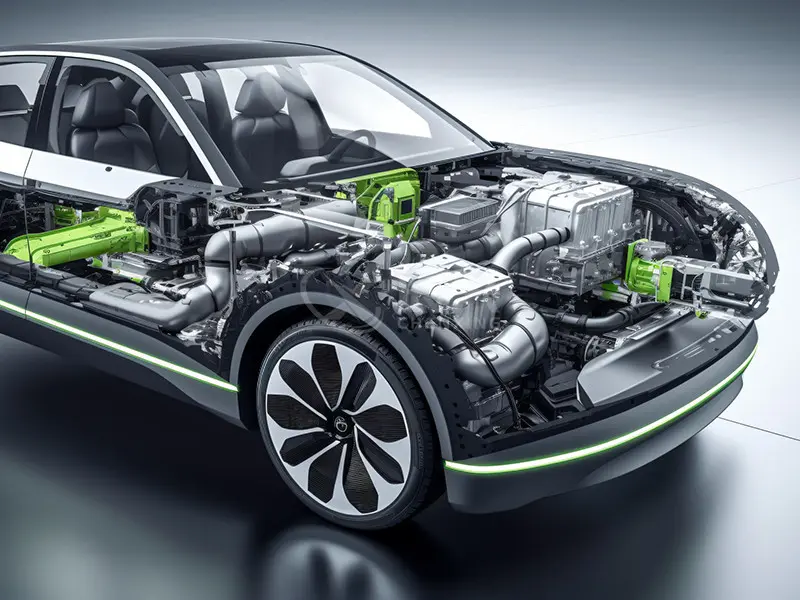
Used in automotive body panels, fuel tank assemblies, structural heat shields, and commercial trailer siding due to its strength-to-weight ratio.
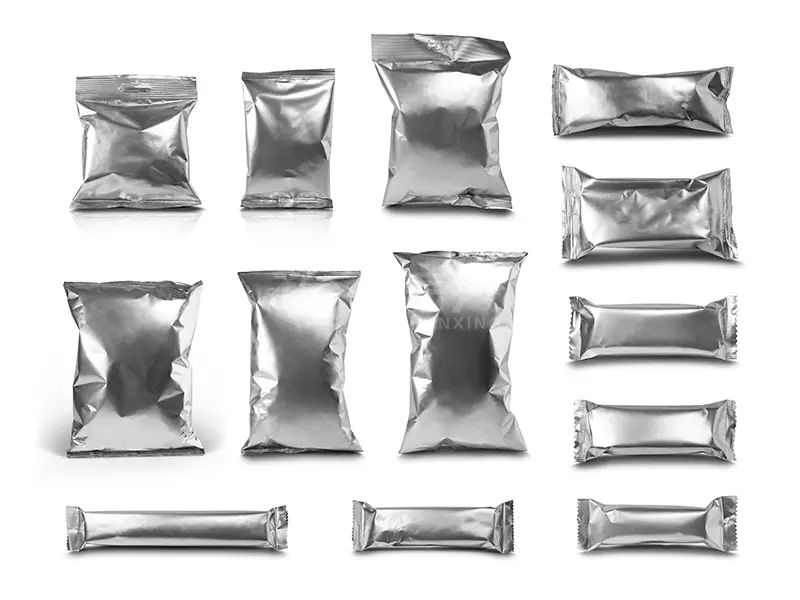
Ideal for food containers, beverage cans, dynamic heat-seal foil lids, and medical blister packs requiring strict hygienic standards.

Common in high-density cooling fins, battery casings, capacitor shells, and EMI shielding housings where thermal dissipation is critical.

Used in internal cabin trim, ventilation duct networks, and secondary structural components where lightweight characteristics are critical.
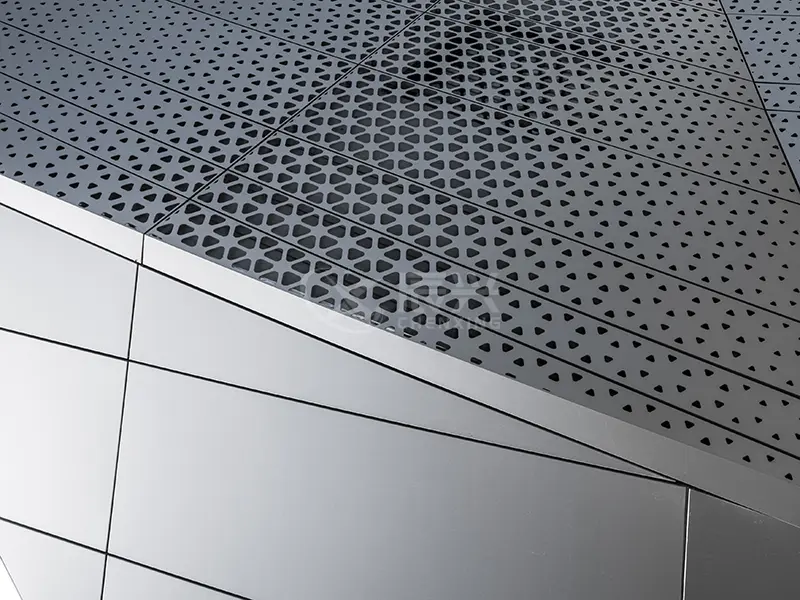
Applied in architectural cladding, metal roofing, rain gutters, soundproof interior partitions, and structural facades.

Widely used in microwave cavities, washing machine drums, refrigerator evaporator panels, and thermal range parts.
Direct answers from our metallurgical quality assurance team regarding the procurement, specification, and application of 3003 aluminum alloys.
Keep up with technical updates, structural market shifts, and new product launches across the global aluminum manufacturing sector.
As international demand for architectural and structural metal plates grows, our manufacturing units are adding advanced hot-rolling equipment to scale output.
More news
This report details how high-strength foils are manufactured to support the growing electric vehicle and energy storage sectors.
More news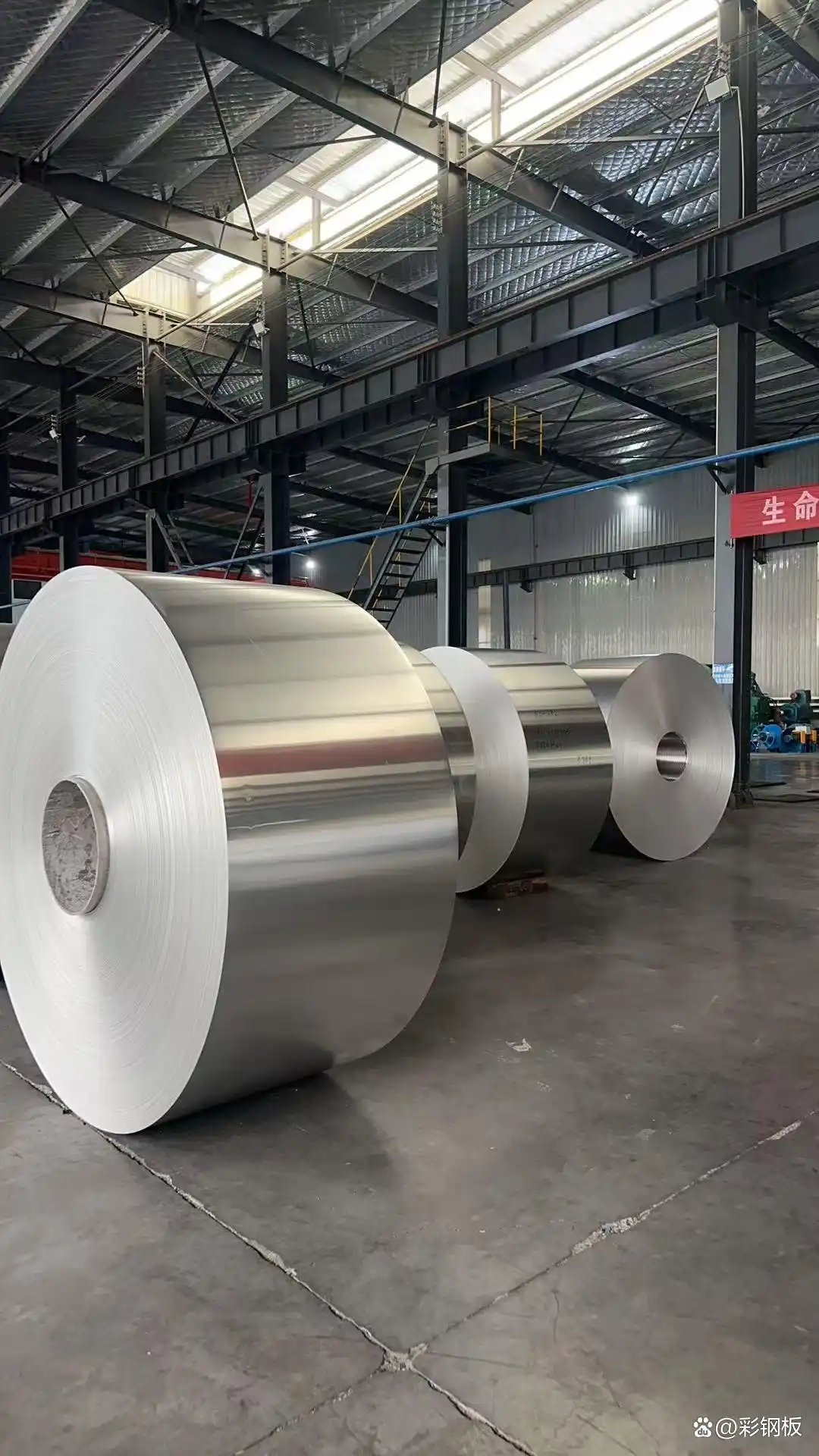
A comprehensive study on how low-carbon metal processing technologies are helping industries meet strict greenhouse gas regulations.
More newsLooking for a custom alloy composition or specific temper? Send your parameters to our metallurgy division and receive a detailed quote within 24 hours.
Submit NowBrowse our selection of specialized aluminum materials, including foil, coil, sheets, and circles, designed to meet your precise engineering specifications.