Engineered for structural durability and precision performance in the Philippine manufacturing sector.
The Philippines is currently witnessing an unprecedented growth phase in industrial manufacturing, structural infrastructure, and marine engineering. Under the government's current development plans, major projects in transportation (metro systems, airport developments, and coastal ports) are expanding rapidly. This rapid development requires highly durable, lightweight, and corrosion-resistant materials. Aluminum sheet metal has emerged as a critical element in bridging the gap between cost-efficiency and architectural integrity.
Due to the tropical, marine-influenced, and highly humid climate of the Philippines, metallic components are vulnerable to rapid corrosion. Standard ferrous alloys struggle to survive coastal atmospheric exposures without costly, continuous painting programs. Modern structural projects in Metro Manila, Metro Cebu, and Davao are pivoting toward premium-grade aluminum alloys, which self-generate a protective oxide layer that resists salt spray and atmospheric moisture.
While the Philippines boasts vibrant fabrication workshops and distributors in industrial zones such as Calabarzon (Cavite, Laguna, Batangas, Rizal, and Quezon) and Cebu, the lack of local high-capacity primary smelting and hot-rolling facilities means the country relies heavily on importing high-grade aluminum sheets. Procurement managers, fabrication contractors, and marine engineers in the country must partner with reliable global manufacturers that can guarantee metallurgical consistency.
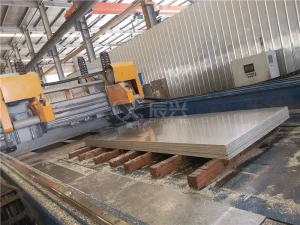
Chinese factories represent the absolute vanguard of this supply chain, combining automated cold-rolling mills, state-of-the-art heat treatment lines, and precise alloy chemistry controls with competitive lead times. High-volume container logistics lines from ports such as Qingdao and Shenzhen to Manila South Harbor, Batangas Port, and Cebu Port allow contractors to bypass regional middleman margins and procure mill-certified materials directly.
Choosing the correct aluminum grade is critical to project safety and lifetime performance. Below is a detailed technical matrix summarizing the characteristics of the most commonly imported alloys for the Philippine market:
| Alloy Series | Common Tempers | Tensile Strength (MPa) | Corrosion Resistance | Primary Application in the Philippines |
|---|---|---|---|---|
| 1050 / 1100 | O, H14, H24 | 75 - 145 | Excellent (Atmospheric) | Lighting reflectors, chemical equipment, transformer windings, metal cladding. |
| 3003 / 3104 | H14, H24, H18 | 110 - 260 | Very High | HVAC ducting, architectural wall facades, roof sheets, deep-drawn container cups. |
| 5052 | H32, H34, O | 190 - 290 | Excellent (Marine/Salt) | Fuel tanks, marine bulkheads, sheet metal enclosures, vehicle body panels. |
| 5083 / 5754 | H111, H112, O, H321 | 190 - 345 | Outstanding (Marine Grade) | Hull plating for vessels, high-pressure vessels, transportation tankers. |
| 6082 | T6, T651 | 290 - 370 | High | High-stress structural frames, bridges, pylons, machined components. |
| 7075 | T6, T651 | 510 - 620 | Moderate | High-strength structural brackets, mold-making, aerospace components. |
Purchasing directly from specialized manufacturers in China delivers significant competitive advantages to Philippine contractors and raw material distributors:
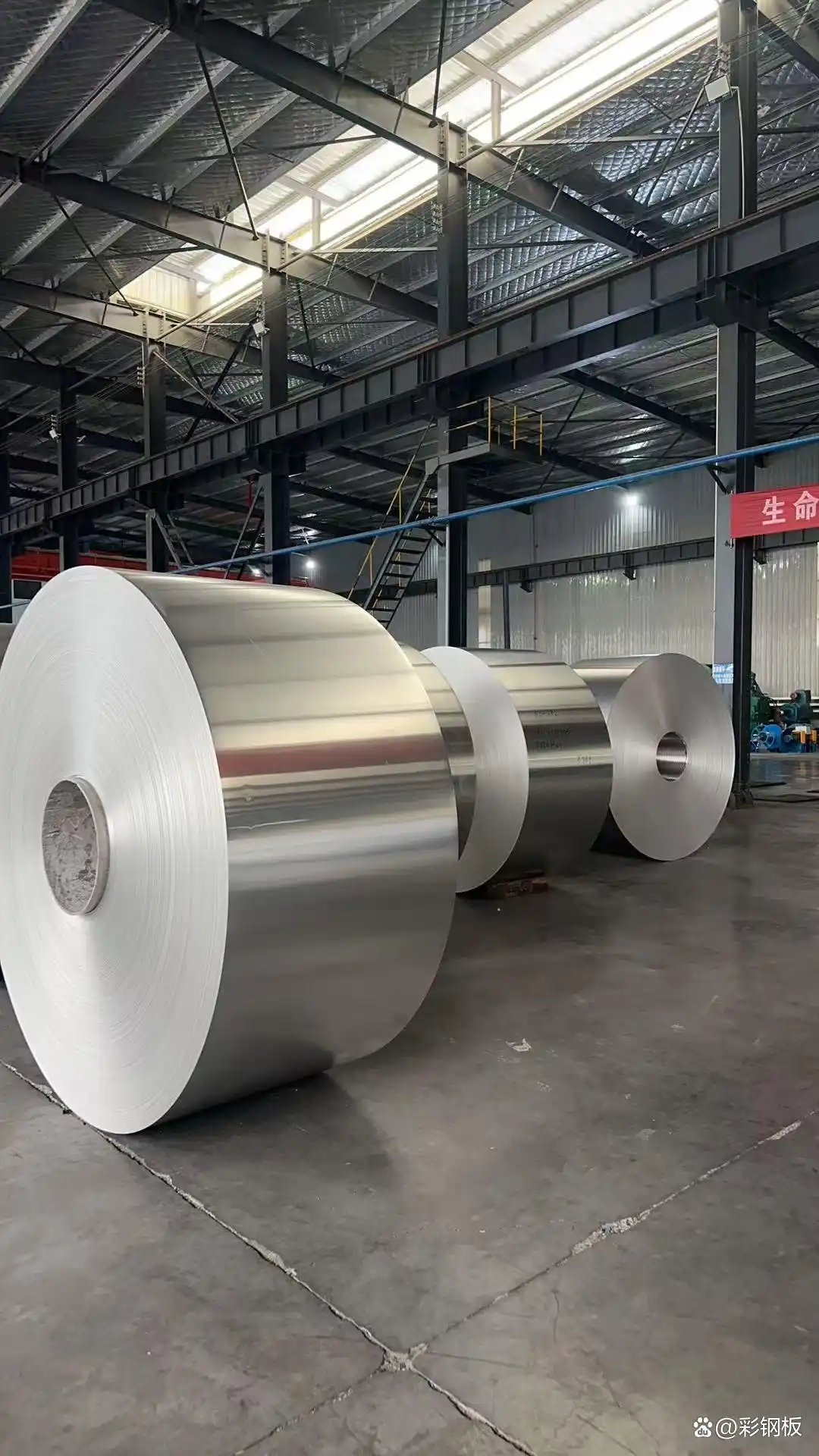
Direct-from-factory scale designed to streamline international metal procurement.


Empowering the nation’s growth across crucial engineering and construction sectors.

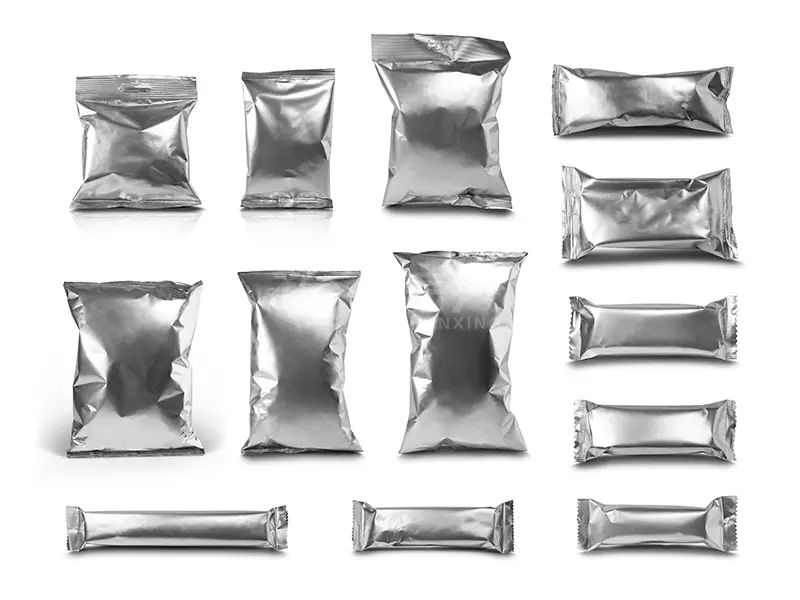


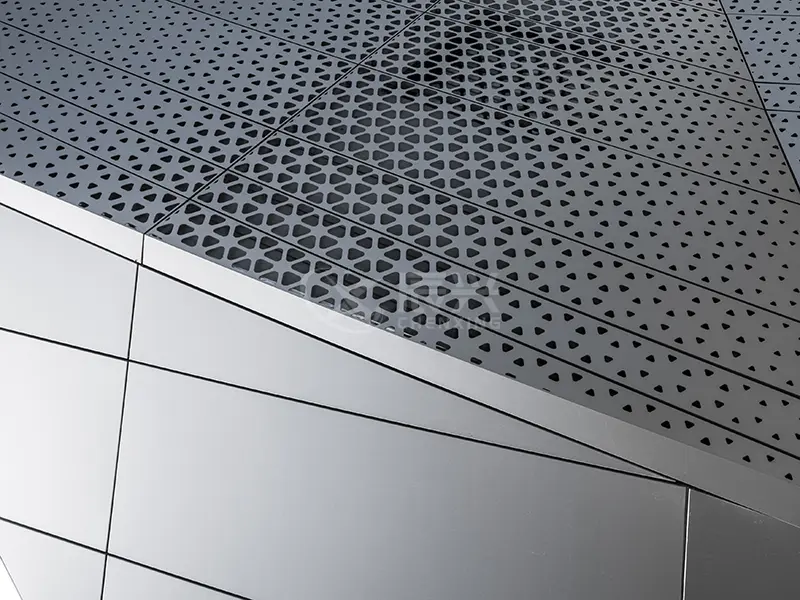
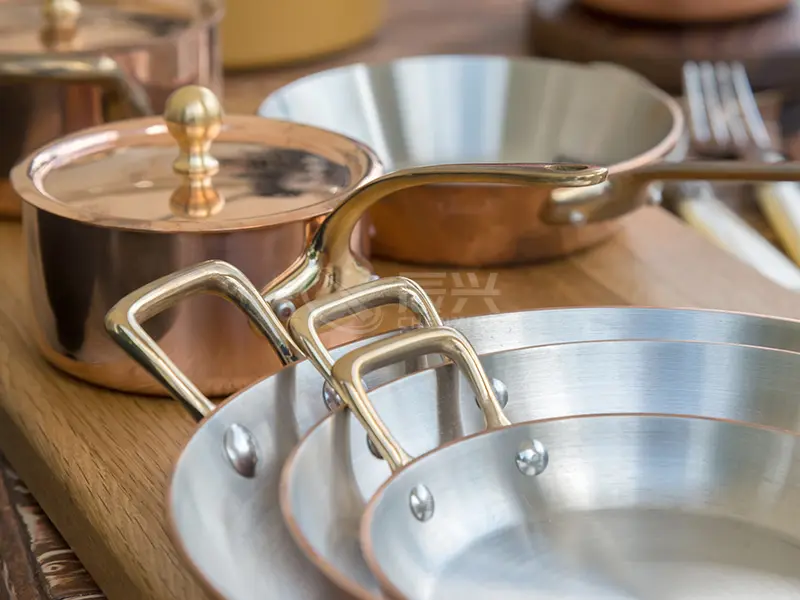
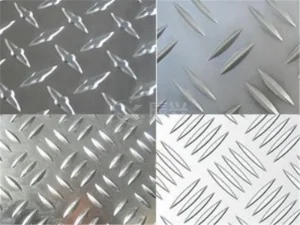
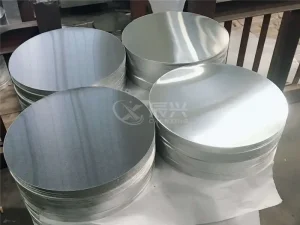
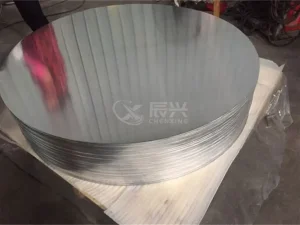
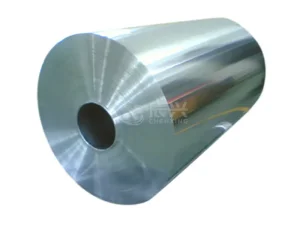
Explore our extensive line of mill-certified sheet, plate, foil, and circular blank products.
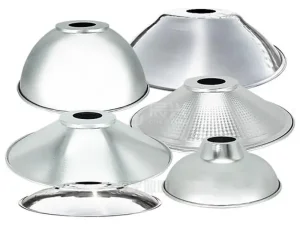
High-purity raw materials configured for lighting components, heat sinks, and home appliances.
Crucial guidelines and commercial details for importing aluminum sheets into the Philippines.
Generally, our MOQ for mill-finish aluminum sheets (such as 1050, 3003, and 5052) is 3 to 5 metric tons per specification. For custom finishes like anodized coatings or highly specialized alloys (e.g., 7075, 6082 T6), MOQ may vary based on mill schedules. Please contact our sales team to discuss trial shipment quantities.
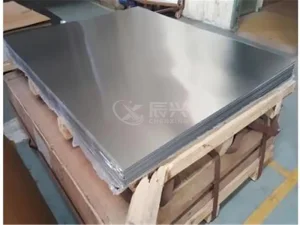
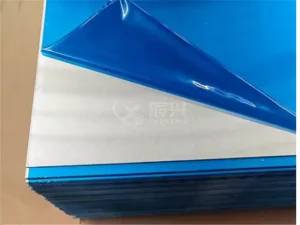
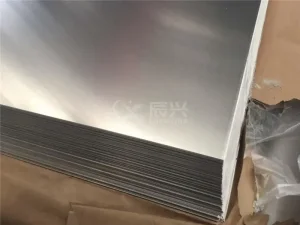
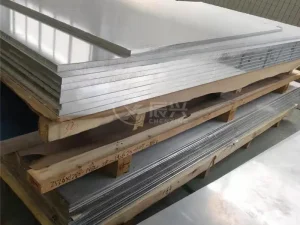
We employ strict export-grade packaging. Aluminum plates and sheets are interleaved with acid-free paper, wrapped in waterproof plastic film, bundled with structural steel straps, and fixed on heavy-duty wooden pallets. Desiccant packs are inserted to control internal humidity levels during ocean shipping across tropical waters.
For marine hull fabrication, 5083-H116 or 5083-H321 are the industry standards due to their outstanding resistance to marine corrosion and structural fatigue. For lighter superstructures or decorative panels, 5052-H32 is commonly used as a lighter, highly formable alternative.
We provide all standard shipping documentation, including Mill Test Certificates (MTC) conforming to EN 10204 3.1, commercial invoices, detailed packing lists, ocean bills of lading, and Certificate of Origin (Form E) to facilitate tax preferences under the ASEAN-China Free Trade Area.
Stay informed about global aluminum market dynamics and advanced fabrication trends.
Partner with a mill-direct supplier of premium aluminum sheets, coils, and circles. Fill out our contact form and receive a comprehensive technical proposal and price quote within 24 hours.