
Engineered for high-barrier mechanical performance, industrial HVAC systems, and battery-grade reliability.
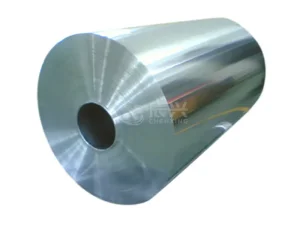
Specialized hydrophilic and bare aluminum foil designed for heat exchangers and high-efficiency HVAC systems operating in Swiss climate control networks.
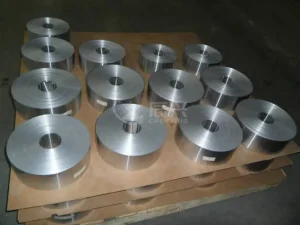
High-tensile, corrosion-resistant foil laminated for flexible duct manufacturing. Perfectly compliant with EU and Swiss building energy requirements.
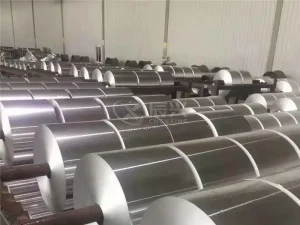
A comprehensive range of industrial foils featuring ultra-thin gauges, customizable temper (O, H18, H22, H24), and high barrier integrity.
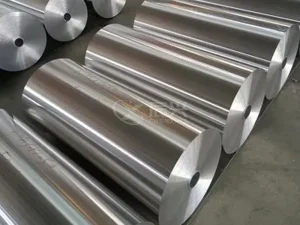
High-purity (≥99.9%) conductive substrate aluminum foil optimized for lithium-ion battery cathode current collectors and energy storage systems.
The Swiss industrial ecosystem is globally recognized for its uncompromising commitment to precision, environmental sustainability, and technological excellence. Within this landscape, the procurement of semi-finished aluminum products—specifically premium aluminum foil—demands adherence to the most stringent international standards. Whether utilized in the pharmaceutical centers of Basel, the high-precision mechanical workshops in the Jura Arc, or the multi-national food packaging lines in Vevey, aluminum foil serves as a fundamental building block for Swiss industrial output.
Switzerland’s economy is defined by high value-added sectors. The demand for aluminum foil is primarily driven by three core pillars: Pharmaceutical Packaging (Alu-Alu blister packs), Precision Engineering/HVAC, and High-Barrier Food Preservation. Swiss regulations, monitored by the Federal Food Safety and Veterinary Office (FSVO) and conforming to EU Regulation (EC) No 1935/2004, demand that all materials in contact with food and pharmaceuticals are free from heavy metals, display uniform mechanical properties, and show zero pinholes. As local manufacturing costs within Europe rise, Swiss companies are increasingly looking for reliable global supply partners that can deliver premium quality products without compromising on delivery reliability or environmental standards.
The global aluminum industry is undergoing a structural transition toward decarbonization. Swiss buyers are prioritizing supply chains that integrate low-carbon smelting practices and active scrap recycling loops. There is a noticeable trend toward the downgauging of packaging foils—moving from 12 microns down to 9 or even 6 microns—to reduce material consumption while retaining 100% barrier protection against light, moisture, and gases. Furthermore, the expansion of local e-mobility projects and local high-capacity energy storage facilities in Switzerland has triggered an exponential demand for specialized battery-grade foils featuring ultra-thin gauges (10 to 15 microns) and high tensile strength.


As supply chain uncertainties affect European manufacturing, Swiss procurement professionals are focusing on supply chain diversification. China’s advanced aluminum rolling industry has evolved through massive investments in Smart Factory 4.0 technology. Modern manufacturing setups are no longer merely about cost efficiency; they are designed around quality repeatability, process control, and logistics transparency.
Our mills utilize automatic gauge control (AGC) and automatic flatness control (AFC) systems to ensure gauge tolerances down to ±2%. This level of precision is essential for high-speed foil conversion machinery operating in Switzerland, preventing line breaks and reducing downtime.
For pharmaceutical and food-grade runs, production takes place in GMP-standard environments. The entire manufacturing sequence—from direct casting, cold rolling, foil rolling, slitting, to final annealing—is continuously monitored with smart sensors, creating a digital record for every roll delivered to Switzerland.
Precision-rolled sheets, coils, and specialty barrier foils designed to meet Swiss engineering tolerances.
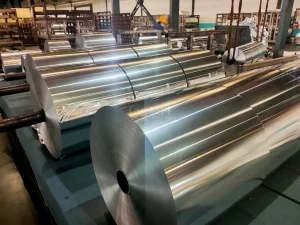
Formable and high-stiffness container foil grades (3003 and 8011) designed for Swiss catering, food retail packaging, and bakery industries.
Large industrial rolls engineered for high-speed rewinding and lamination, featuring high mechanical strength and clean surface properties.
O-temper soft foil and hard-tempered push-through foils optimized for blister packs. Offers 100% protection against environmental variables.
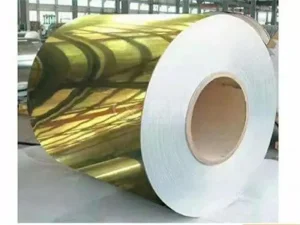
Specially polished sheets featuring over 85% total reflectance, widely used in Swiss precision solar collector optics and architectural elements.
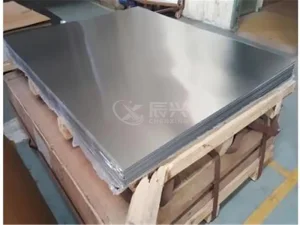
Highly conductive, 99.5% pure electrical-grade aluminum sheets designed for busbars, capacitor housings, and electrical engineering components.
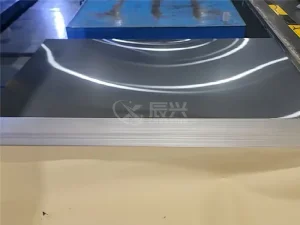
An AL-Mn alloy offering corrosion resistance and moderate formability, optimized for Swiss architectural cladding and automotive shielding.
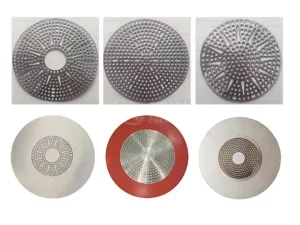
Deep-drawing quality circular blanks optimized for high-end Swiss cookware, featuring excellent heat distribution properties.
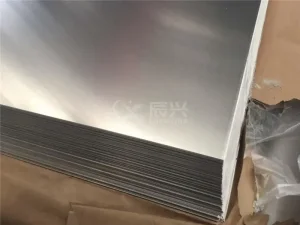
A high-strength alloy designed for heavy-stress structural components in Swiss machinery, aerospace, and precision machining systems.
Explore our specialized catalog covering packaging containers, circular blanks, and narrow-slitted strip coils.
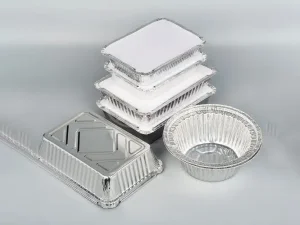
Stackable and customizable aluminum boxes and containers engineered for long-term storage and industrial food processing.
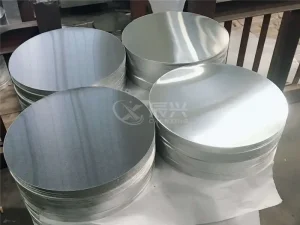
Precision-blanked discs with clean edges and smooth surfaces, designed for Swiss industrial stampings and metal spinning.
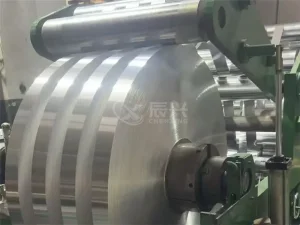
Slit-to-width aluminum strips optimized for plastic-composite pipe cladding, electrical cables, and protective ducting wraps.
High-grade raw sheet materials optimized for stamping, forming, and anodizing applications across European markets.
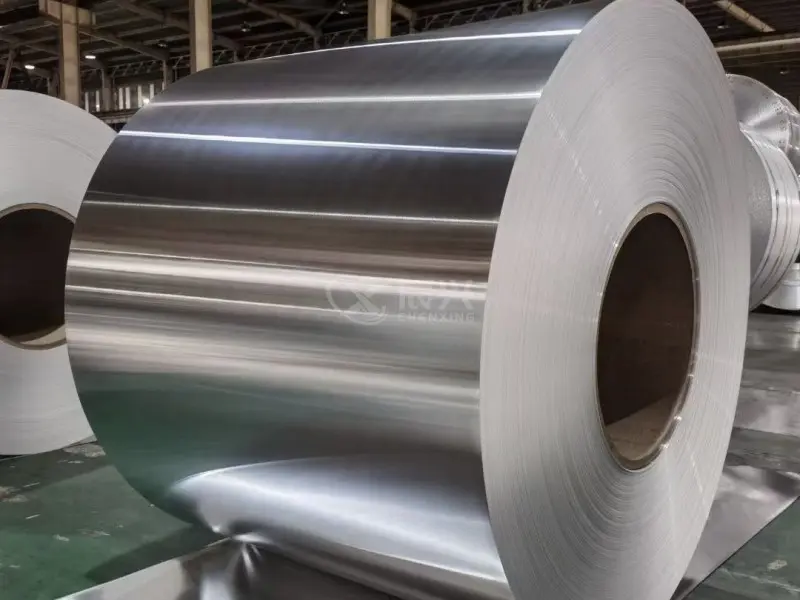
A closer look at our primary rolling lines, supporting global manufacturing standards.
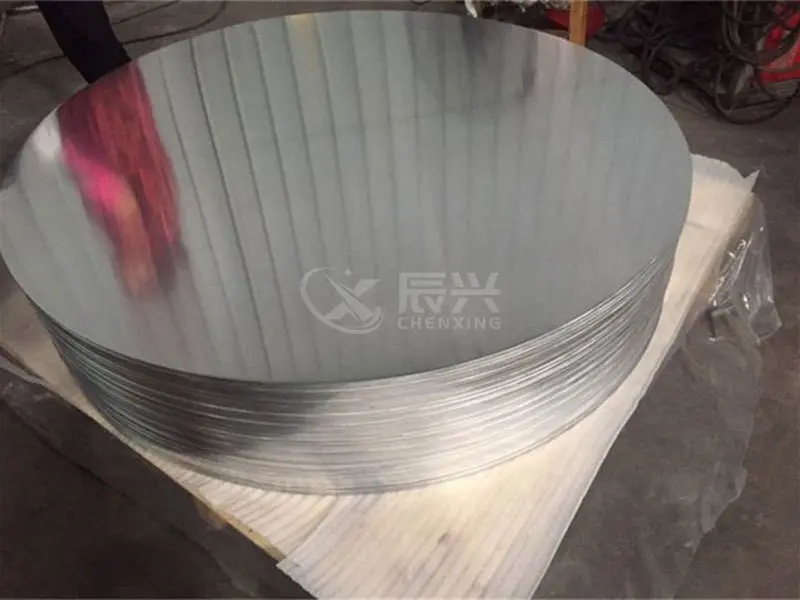
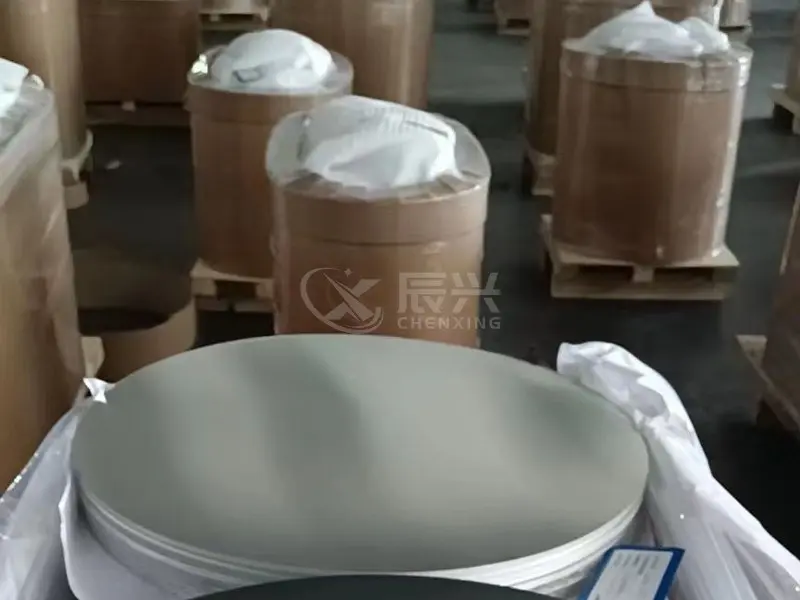
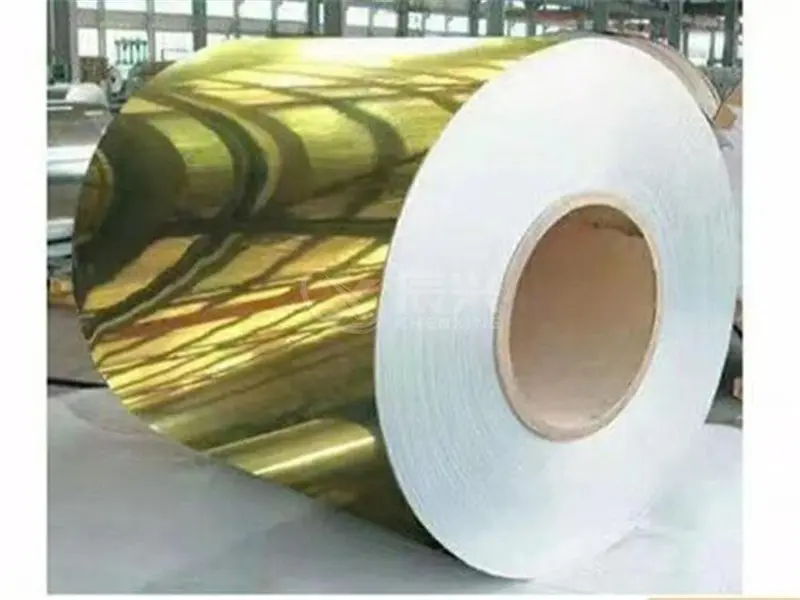
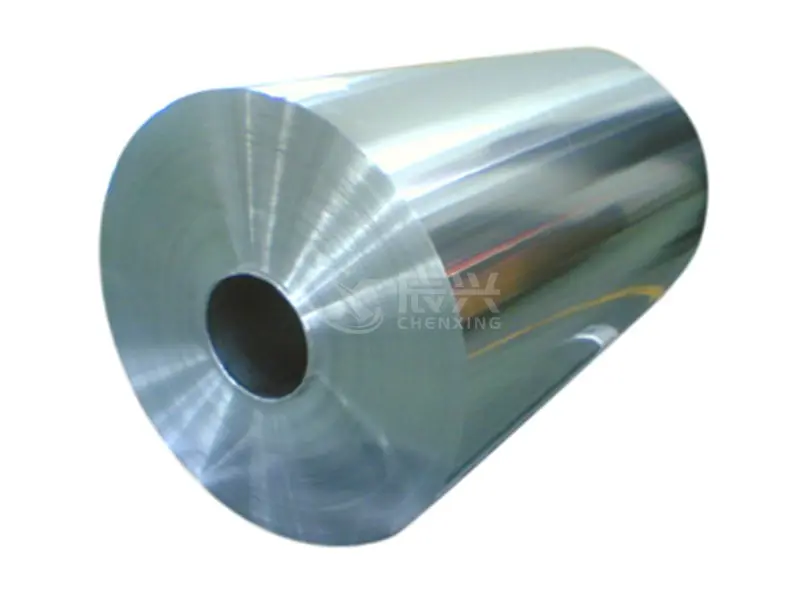
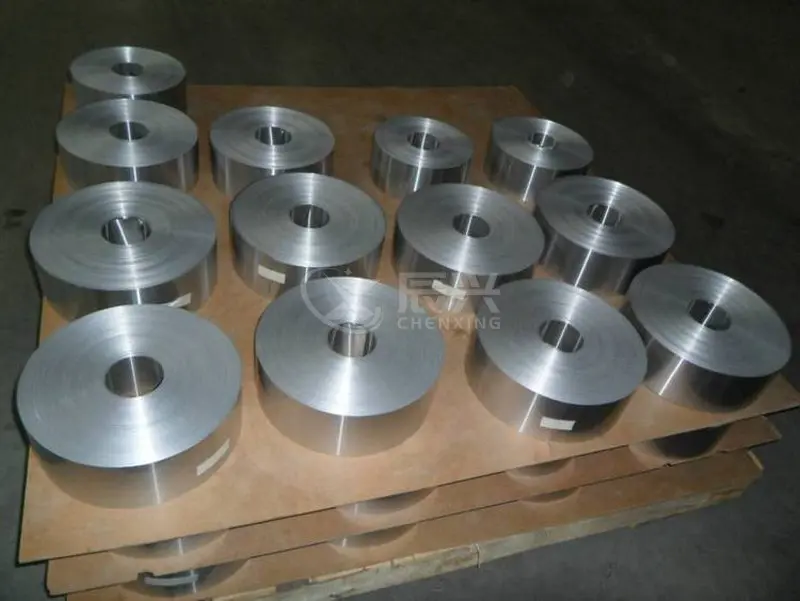
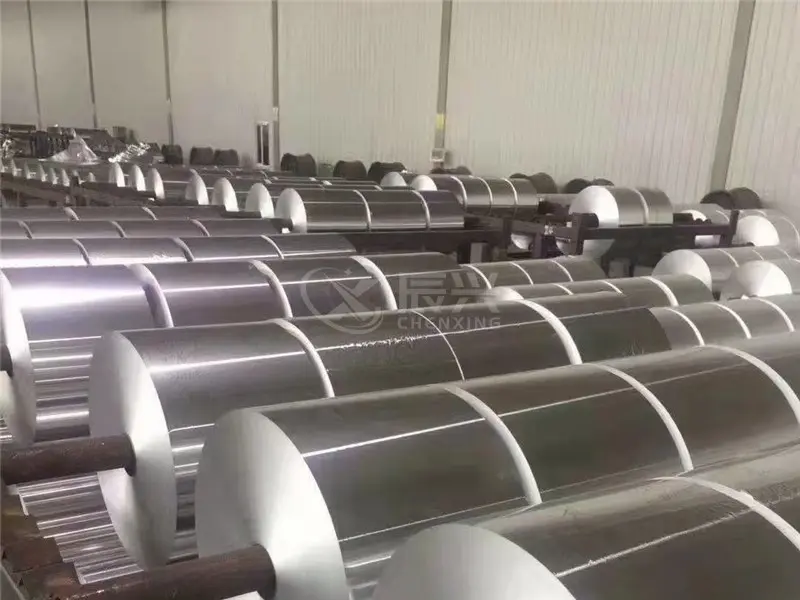
How our custom alloys are integrated into the Swiss domestic production chain.

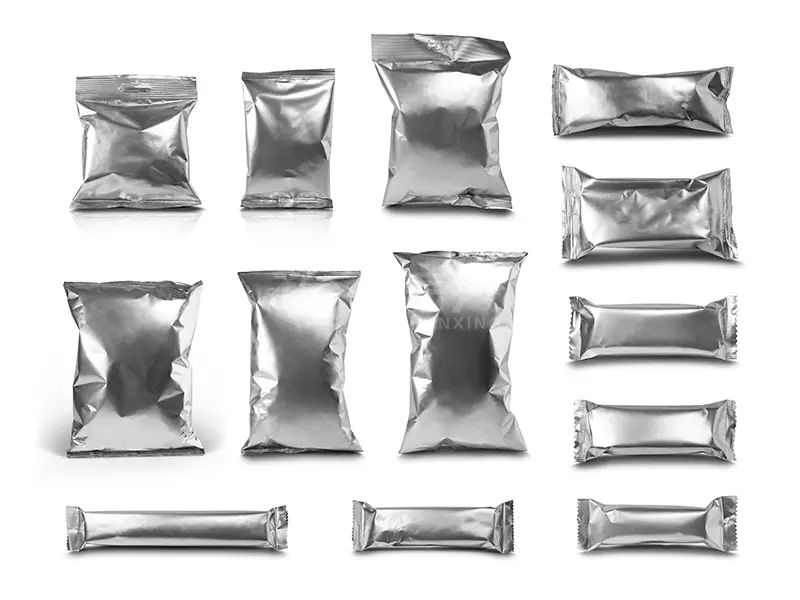


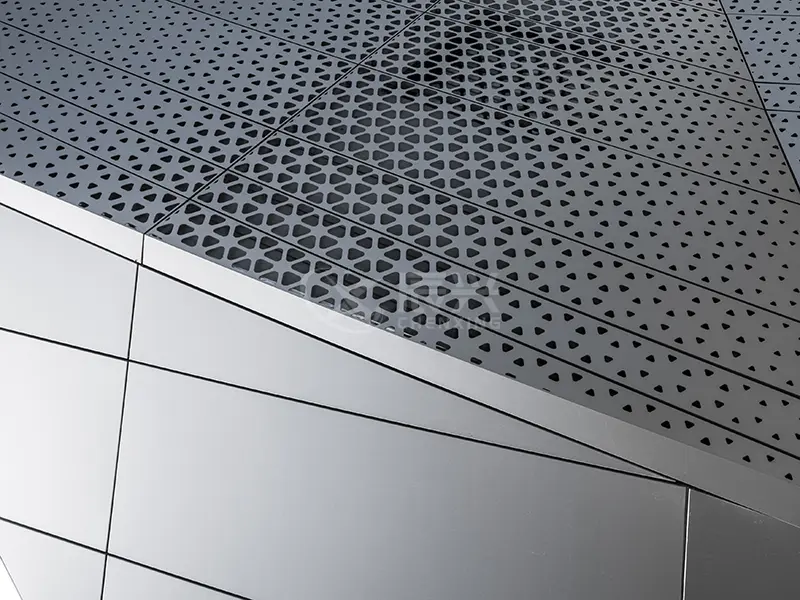

In accordance with the principles of Experience, Expertise, Authoritativeness, and Trustworthiness (E-E-A-T) valued by Swiss procurement boards and quality compliance auditors, our manufacturing facilities adhere to strict operational guidelines.
Every ingot used in production comes with complete traceability. Raw materials are verified before melting via optical emission spectrometers to guarantee that core chemical elements (Silicon, Iron, Copper, Manganese, Magnesium, Zinc, Titanium) stay strictly within international designation standards (e.g., AA8011, AA1050, AA3003).
For high-barrier packaging (especially pharmaceutical Alu-Alu and sterile food pouches), pinhole integrity is a critical metric. Standard packaging foils are tested using online optical surface detection systems that catch defect patterns. Tensile testing machines measure yield strength and elongation limits to verify that the foil can withstand processing without tearing.
Foils intended for contact with food or medical formulations undergo regular migration test cycles. These procedures guarantee that total volatile organic compound (VOC) levels, heavy metals (Pb, Cd, Hg, Cr-VI), and organic residuals remain well below international regulation thresholds, satisfying FDA 21 CFR regulations and the Swiss Federal Food Safety and Veterinary Office guidelines.
Stay informed about global price trends, technical advancements in battery foils, and supply line shifts.
How optimized maritime and rail cargo connections are ensuring stable door-to-door delivery schedules from modern Chinese factories to Swiss manufacturing centers.
Read More →
An in-depth look at how the shift to lithium iron phosphate (LFP) and solid-state batteries is increasing the mechanical and cleanliness requirements for cathode current collectors.
Read More →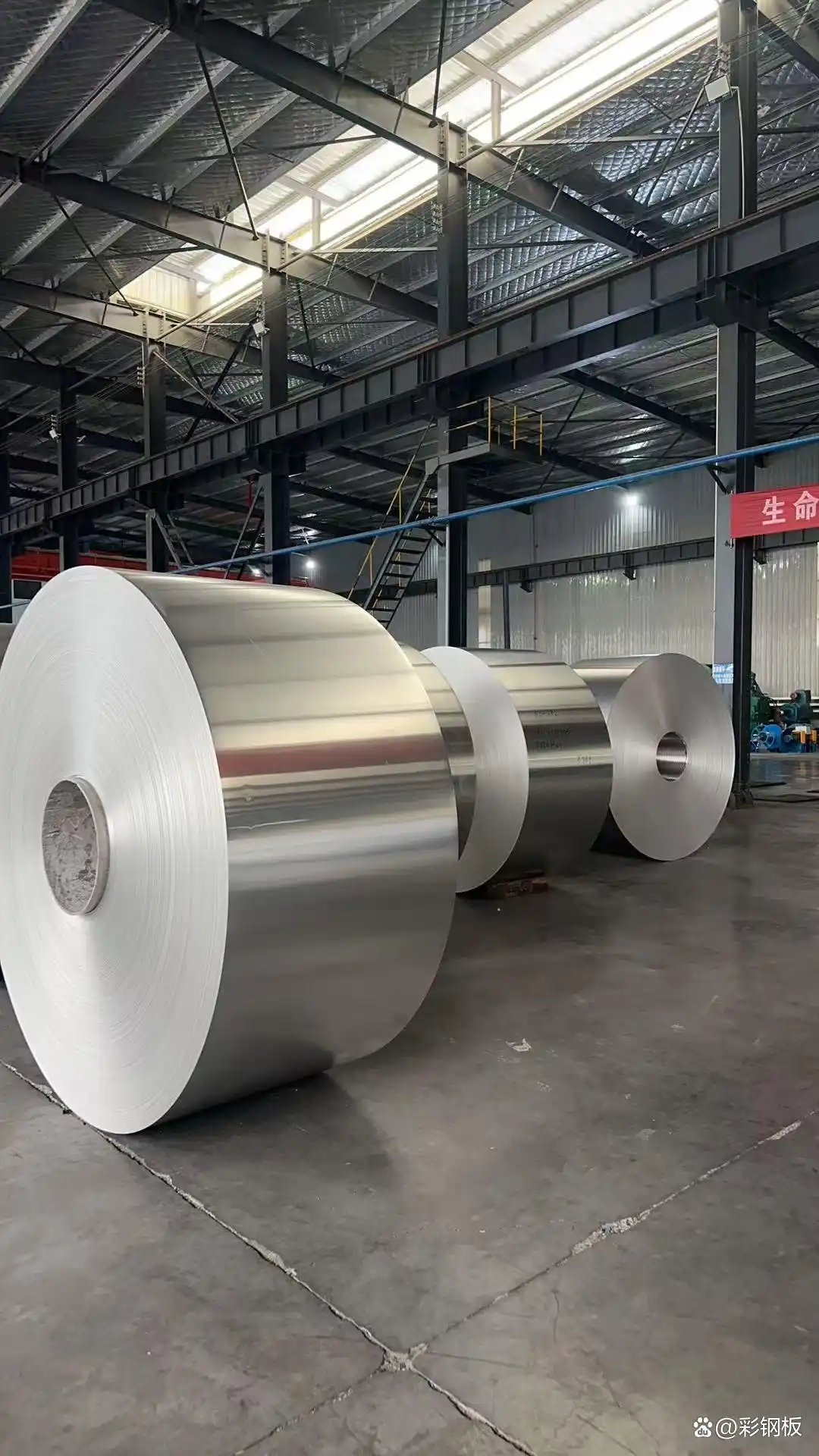
Investigating the rising demand for lightweight structural cladding sheets and building insulation foils designed for modern eco-efficient buildings.
Read More →Addressing the technical, logistics, and quality questions of Swiss industrial procurement specialists.
Yes. All food-grade (alloy 8011, 1235) and pharmaceutical foils are produced under GMP-compliant environments. We provide certifications verifying that migration levels meet European and Swiss food safety laws (including REACH and RoHS requirements).
Depending on the order volume and shipping route, maritime shipping takes between 35 and 45 days. Alternatively, rail cargo options via the Eurasian land bridge can reduce shipping times to approximately 20 to 25 days, delivered directly to major Swiss hubs.
We use online laser detection systems on our foil rolling mills. Additionally, batch samples are tested using light boxes in a darkroom environment to ensure zero pinholes per square meter, maintaining required barrier performance for food and medical packaging.
Our 8D methodology addresses root-cause analysis. When issues are flagged, we review casting parameters, coil rolling temperatures, cooling logs, and mechanical test samples. A comprehensive solution report is sent back to the customer within 48 hours.
Get in touch for custom dimensions, packaging details, and localized freight configurations to Switzerland.
Submit Inquiry Now