

1. Commercial & Industrial Landscape of Aluminum Coil Manufacturing in the US
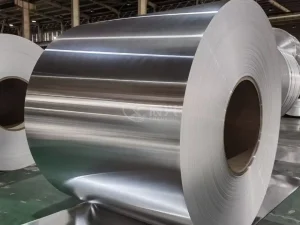
The manufacturing sector for aluminum coil within the United States is undergoing a dynamic transformation. This shift is driven by trade regulations (such as Section 232 tariffs), the localization of high-value supply chains, and legislative acts like the Inflation Reduction Act (IRA) and the Infrastructure Investment and Jobs Act (IIJA). The demand for high-strength, lightweight materials is surging as automakers pivot toward electric vehicles (EVs) and commercial buildings require high-efficiency building envelopes.
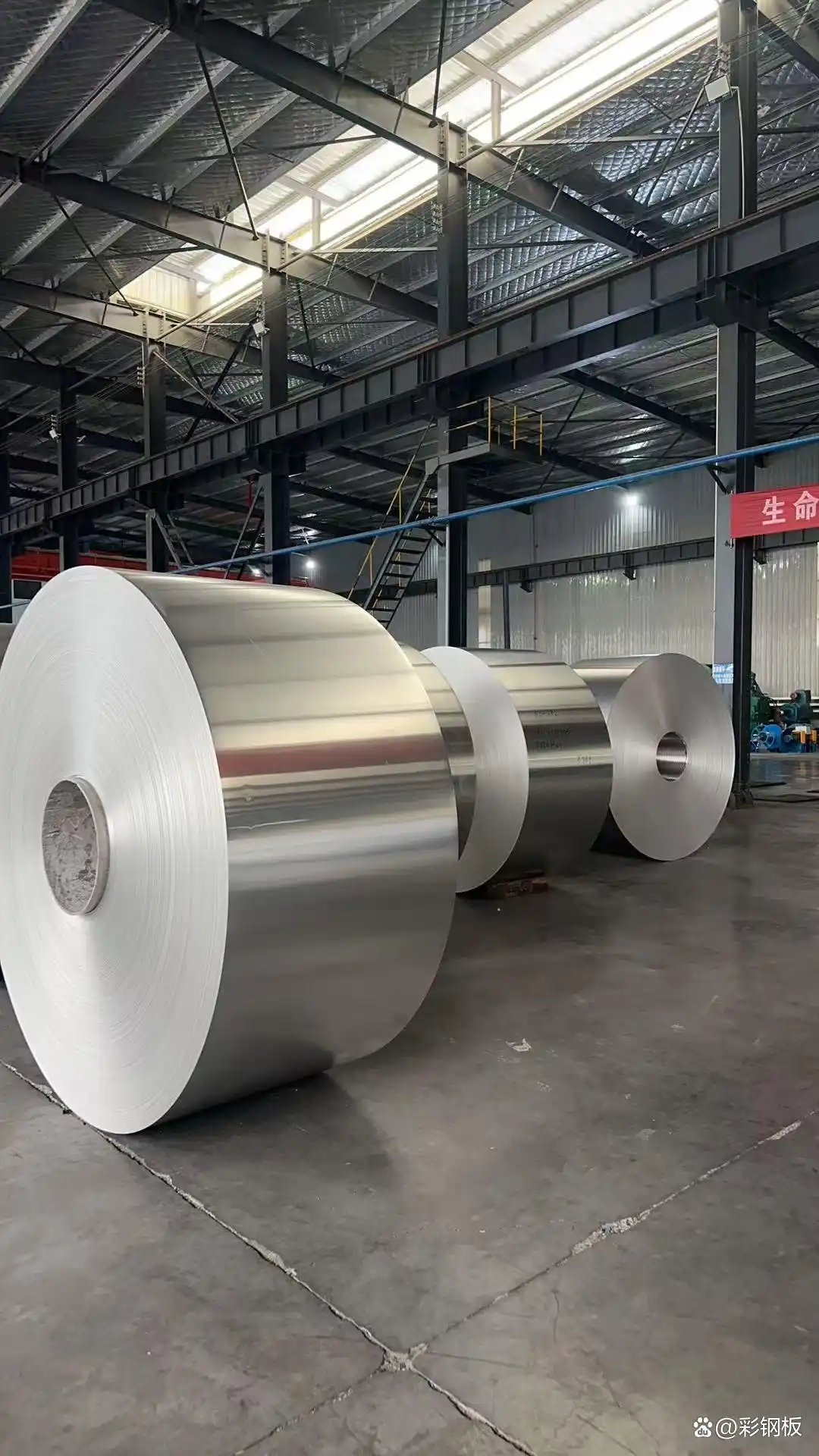
Historically concentrated in industrial hubs across the Midwest (Indiana, Ohio, Michigan) and the Southeast, modern US aluminum mills are focusing heavily on advanced rolling, tension leveling, and automated surface treatment. By minimizing processing tolerances and guaranteeing uniform grain structures, domestic suppliers serve high-tier buyers in the automotive, aerospace, and energy storage spaces. The integration of local supply chains ensures stable logistics, reducing lead times and buffering companies against global transport disruptions.
2. Global Aluminum Trade Dynamics & Smelting Trends
Globally, the aluminum industry is caught between carbon reduction commitments and escalating consumption rates. As primary smelting is energy-intensive, many global manufacturers are pivoting toward secondary smelting processes (recycled aluminum). This approach consumes only 5% of the energy required by primary smelting. The European Union's Carbon Border Adjustment Mechanism (CBAM) and similar carbon-accounting initiatives globally are forcing manufacturers to trace the carbon intensity of every coil shipment.
Furthermore, the global supply of raw bauxite and alumina remains subject to geopolitical and logistics challenges. Consequently, strategic coil manufacturers maintain robust global sourcing partnerships. They bridge the gap between low-carbon primary smelting operations in regions with abundant green energy (such as Canada and Scandinavia) and finished cold-rolling mills located near major consumption hubs.
3. Technological Roadmap & Metallurgical Engineering
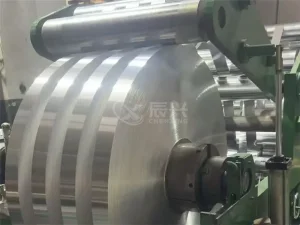
The performance of an aluminum coil is determined at the metallurgical level. From continuous slab casting to hot rolling and final multi-pass cold rolling, precision monitoring ensures consistent mechanical properties. High-speed slitting lines and tension levelers are critical for ensuring flat, stress-free metal sheets suitable for automated high-speed stamping operations.
Alloy Classifications & Mechanical Performance Standards
| Alloy Group | Primary Elements | Typical Tempers | Tensile Strength (MPa) | Key Applications |
|---|---|---|---|---|
| 1xxx Series (e.g., 1050, 1100) | Min. 99% Pure Al | O, H14, H18, H24 | 70 - 145 | Chemical equipment, fin stock, capacitors, deep-drawn kitchenware. |
| 3xxx Series (e.g., 3003) | Manganese (Mn) | O, H14, H24 | 110 - 200 | HVAC fins, heat exchangers, roofing panels, food containers. |
| 5xxx Series (e.g., 5052, 5754) | Magnesium (Mg) | O, H32, H34, H38 | 190 - 290 | Marine structures, automotive body panels, high-pressure piping. |
| 6xxx Series (e.g., 6061, 6082) | Mg & Silicon (Si) | T4, T6 | 150 - 310 | Structural framing, automotive chassis, precision machined parts. |
4. Localized Application Scenarios in US Infrastructure
- Automotive Structural Stamping (EV Enclosures): Using 5052 and 6061-series sheets to fabricate lightweight battery enclosures, decreasing overall vehicle weight and extending driving range.
- HVAC Condensers & Heat Exchangers: Hydrophilic-coated 3003 and 8011 aluminum foils and strips are used for continuous fin runs in residential and commercial air conditioning systems.
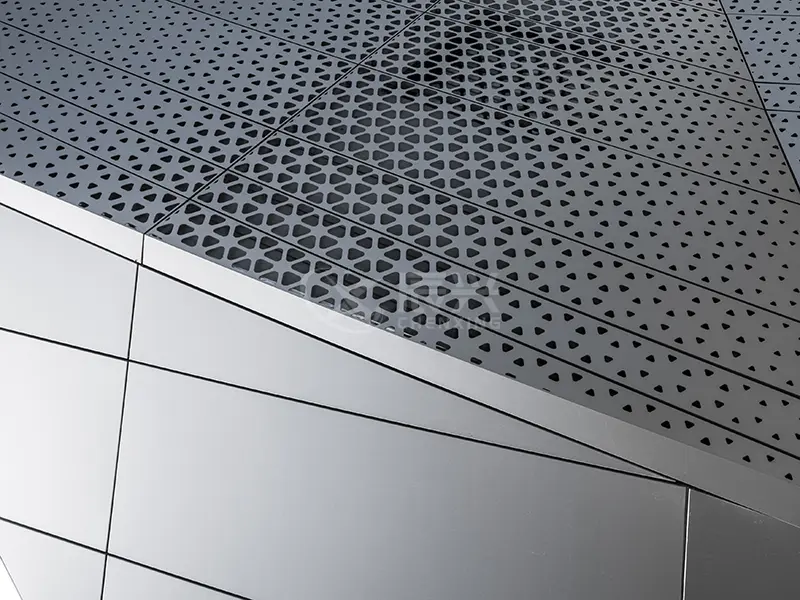
- Architectural Cladding & Facades: Anodized and PVDF-painted aluminum coils provide extreme weatherability and corrosion resistance for high-rise building facades and metal roofs.
- Heavy-Duty Infrastructure Signage: Standard 1050, 1060, and 3003 alloys are stamped into blanks for reflective traffic, highway, and warning signs across municipal networks.
5. Sustainability & Decarbonization in Metal Processing
Forward-thinking manufacturers are implementing closed-loop scrap recycling systems. By segregating alloys at the source, they can melt manufacturing scrap back into identical alloy specifications without degrading the material's properties. In addition, new rolling technologies seek to eliminate VOC emissions by using bio-based rolling oils, positioning aluminum as a key player in the circular economy.