
Direct sourcing channels for metal spinning and heavy stamp mills across Gujranwala, Lahore, and Karachi.
The manufacturing ecosystem in Pakistan is undergoing a major technological transformation. Cities like Gujranwala (the historic hub of kitchenware manufacturing), Lahore, and Karachi host thousands of medium-to-large scale metal pressing and spinning units. Traditionally dependent on local scrap recovery or entry-level castings, these businesses face pressing demands to scale product durability, non-toxic food-grade certifications, and high-efficiency induction capabilities to remain competitive domestically and internationally.
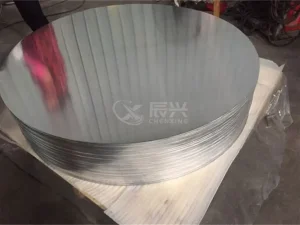
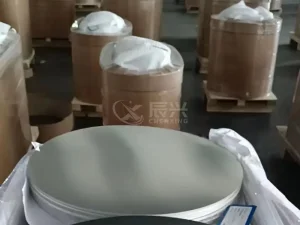
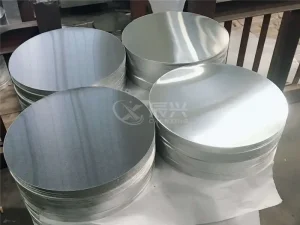
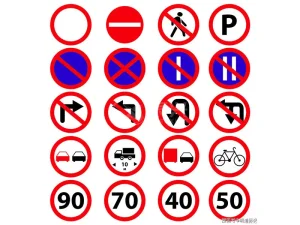
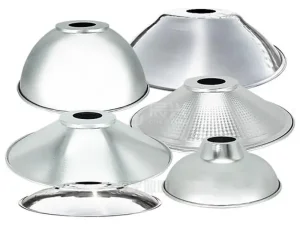
Aluminum circles (or round blanks) form the core raw material for Pakistan's downstream metal fabricators, particularly in the production of pressure cookers, non-stick cooking pans, decorative lighting fixtures, and standard road signs. However, standard local casting processes often yield inconsistent alloy distribution, leading to a high percentage of metal rupture (earing) during heavy hydraulic deep drawing. The transition to high-precision, grain-controlled imported aluminum circles is vital for manufacturers looking to minimize waste and optimize production cycles.
In heavy hydraulic press shops across Punjab and Sindh, the behavior of aluminum during deep drawing dictates profitability. Low-quality circles exhibit structural flaws such as non-metallic inclusions, uneven recrystallization structures, and high earing rates. These defects manifest as the "orange peel" effect or direct rupture under stress, which damages expensive toolings and increases waste rates. Our manufacturing process mitigates these failure modes through rigorous phase control and annealing.
Choosing the correct chemical alloy profile is critical for maximizing performance. Below is a analysis of the core alloy variants engineered specifically for the requirements of Pakistan's industrial manufacturing units:
| Alloy Designation | Al (Min %) | Main Alloying Elements | Temper State | Optimal Applications |
|---|---|---|---|---|
| 1050 | 99.50% | Fe: 0.40%, Si: 0.25% | O, H12, H14 | Electric kettles, light reflectors, chemical containers, basic kitchenware. |
| 1060 | 99.60% | Fe: 0.35%, Si: 0.25% | O, H12, H14 | Reflective sheeting, domestic appliances, deep draw cookware parts. |
| 3003 | 98.60% | Mn: 1.0 - 1.5%, Cu: 0.05 - 0.20% | O, H14, H24 | Heavy-duty pressure cookers, non-stick frying pans, architectural trim. |
| 3004 | 97.80% | Mn: 1.0 - 1.5%, Mg: 0.8 - 1.3% | O, H32, H34 | Structural elements, pressure components, high-strength kitchen vessels. |
Through our advanced continuous casting and hot rolling routes, we achieve tight grain size control (ASTM 6 to 8 scale). The hot rolling processing minimizes directionality in mechanical properties (crystallographic texture), ensuring consistent elongation values in both longitudinal and transverse directions. This isotropic quality reduces the earing rate to below 1.5% under extreme drawing ratios (r-value > 1.3), resulting in a clean edge cut and minimal material trim requirements.
Combining global manufacturing excellence with specialized localized supply chains for Pakistan's metal works.


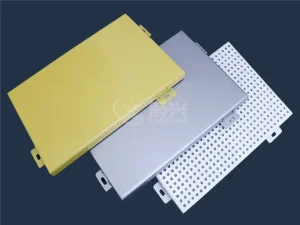
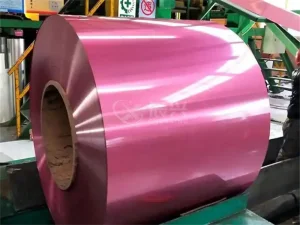
Broadening the industrial spectrum to include structural cladding, flexible food-grade packaging, and strip windings for Pakistan's heavy infrastructure.
Navigating the import process of bulk aluminum materials to Pakistan requires deep understanding of regulatory compliance, freight logistics, and payment safety mechanisms. We offer dedicated logistical structures to guarantee seamless transit from our factories directly to your industrial sites in Karachi, Lahore, and Gujranwala.
We handle all FCL shipping operations through reliable cargo routes to Karachi Port (KICT, PICT, or QICT). Under our CIF/CFR terms, we prepare clean bills of lading, detailed packing lists, and Certificates of Origin to expedite custom clearance protocols.
We accept L/C (Letter of Credit at sight) payments structured to conform to the guidelines of the State Bank of Pakistan. This payment structure ensures complete safety, guaranteeing that materials match your technical specifications before transaction finalization.
We provide complete HS Code documentation (typically HS 7606.91) ensuring accurate application of custom duty and sales tax schedules under Pakistan's Federal Board of Revenue (FBR) systems, minimizing processing bottlenecks.
To assure absolute reliability, every shipment of aluminum circles dispatched to Pakistan is subject to rigorous chemical and mechanical validation assays, including:
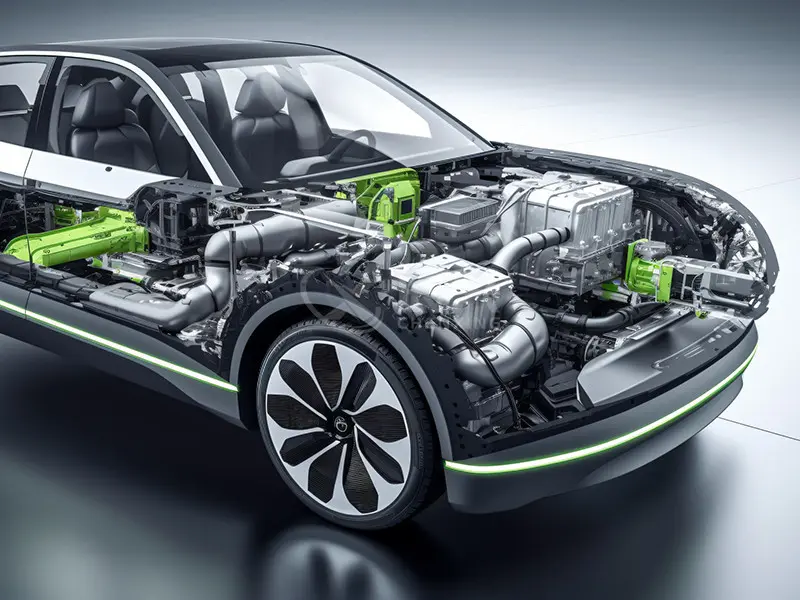
The global metal fabrication landscape is shifting rapidly toward sustainability and automation. To support our clients in Pakistan, our technical roadmap features several innovations designed to lower waste and improve material yield:
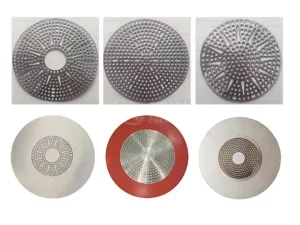
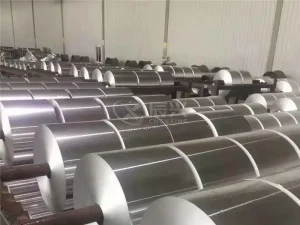
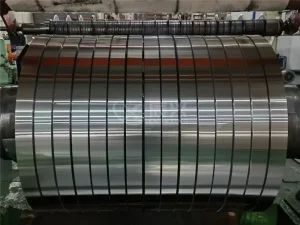
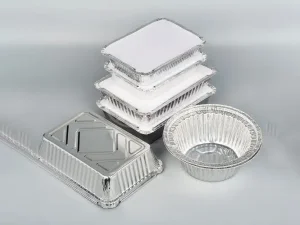
A comprehensive inventory of high-grade raw metals and processed foils designed for diverse industrial applications.
Expert clarifications regarding technical parameters, ordering cycles, and import processes for the Pakistan market.
For standard domestic pots, pans, and basins, Alloy 1050 (minimum 99.50% purity) is commonly selected due to its excellent formability and cost-efficiency. For high-pressure vessels, heavy-duty cookers, or non-stick cookware requiring advanced structural integrity, Alloy 3003 is highly recommended. The added Manganese (Mn) content enhances structural strength and prevents mechanical warping over long periods of heat exposure.
We apply continuous control of the hot rolling and cold rolling parameters, combined with precise annealing (normally O-temper for deep drawing). This process regulates grain structure to ASTM 6-8 sizes. Consistent grain orientation (reducing planar anisotropy) maintains uniform metal flow during hydraulic pressing, keeping the earing rate under 1.5% and eliminating surface roughness (orange peel effect).
Typical sea freight times from our production facilities to Karachi Ports (KICT/QICT) range from 18 to 25 days. To support safe trade, we accept payment structures aligned with the State Bank of Pakistan's import guidelines, including irrevocable sight Letters of Credit (L/C) and T/T terms.
Yes, our complete range of 1xxx and 3xxx series aluminum circles are manufactured using food-grade virgin metal ingots. They are certified non-toxic and compliant with international standards, including FDA, RoHS, and REACH guidelines, ensuring they are fully safe for manufacturing pressure cookers and kitchenware.
Absolutely. We offer complete custom sizing options. Diameters can be set from 80 mm up to 1600 mm, and thickness levels can range from 0.3 mm up to 6.5 mm, catering to everything from small lighting reflectors to large industrial stockpots.
Partner with an established manufacturer to secure consistent material grade, minimize tooling wear, and optimize your production yields.