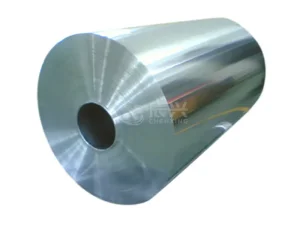
Leverage the raw power of precision-engineered industrial metals from leading Chinese production plants. Our primary export matrix offers verified properties for high-stress manufacturing sectors.
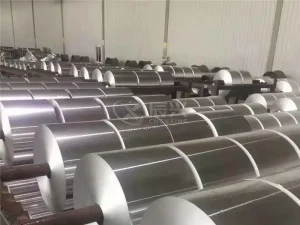
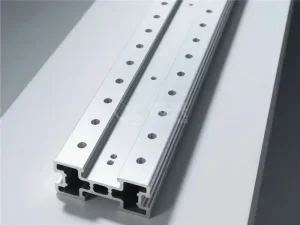
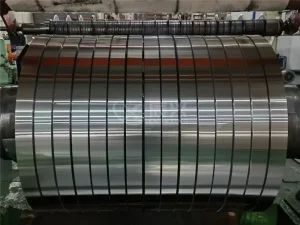
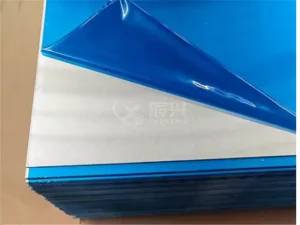
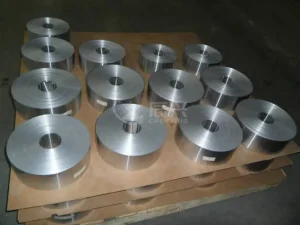
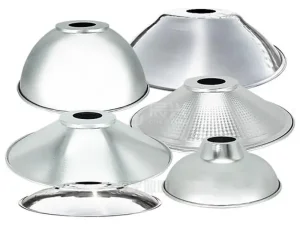
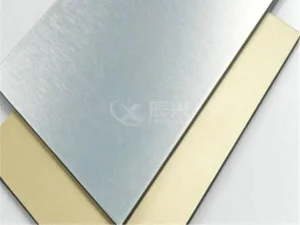
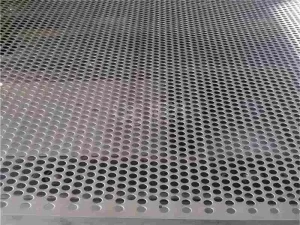
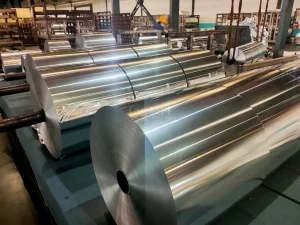
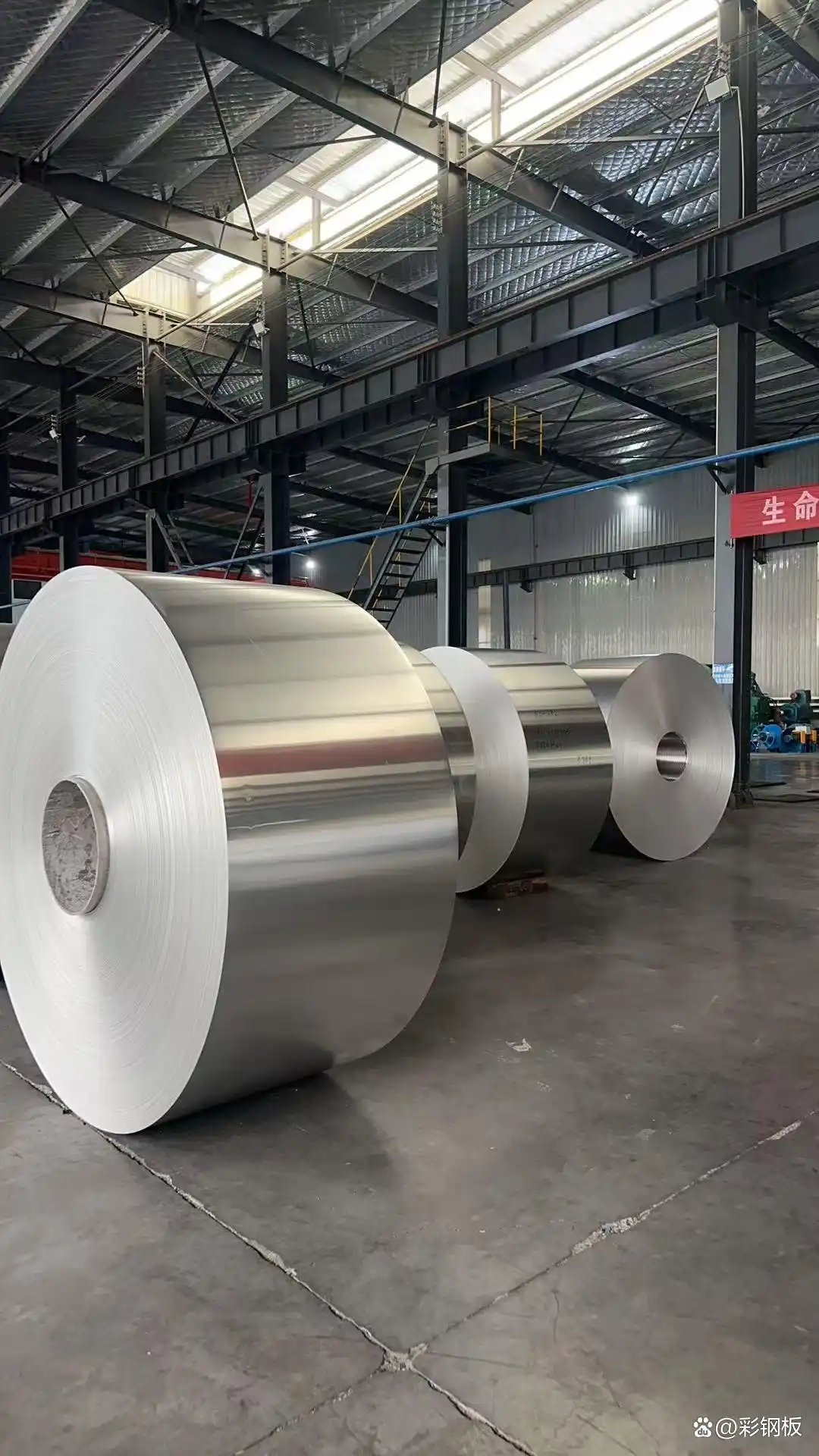
In the globalized industrial market, sourcing Foil Aluminium Rolls requires a balance of metallurgical stability, supply chain flexibility, and economic justification. Chinese manufacturing hubs, specifically cluster regions located in Henan, Shandong, and Guangdong provinces, represent more than 55% of the global output of rolled flat-rolled products (FRP). This dominance is not simply a function of low production costs, but rather the result of systemic supply chain integration and cutting-edge process control.
From bauxite extraction and raw alumina processing to cold-rolling, annealing, and surface treatments, the integrated vertical structure within China ensures minimal transportation time for molten metal and consistent hot-rolled coil inputs. This enables factories to operate with tight quality tolerances. Today's advanced rolling lines feature automated AGC (Automatic Gauge Control) and AFC (Automatic Flatness Control) systems, which keep thickness tolerances below ±2%—meeting the standard required for high-speed foil converter lines.
Furthermore, environmental reforms in China have accelerated the shift toward zero-emission energy inputs. The transition to clean-burning natural gas and direct green electricity (hydropower-sourced aluminum smelters in Southwest China) enables global procurement groups to align their purchases of raw metal with strict Scope 3 decarbonization objectives.
Our network combines structural metallurgy expertise with international logistics standards to deliver reliable supply solutions to global partners.
Selecting the correct aluminium alloy and temper is critical for preventing material failure during processing, such as packaging formation, drawing, or structural bonding. The table below highlights the standard specifications supplied by top-tier Chinese foil aluminium roll factories for global industrial projects.
| Alloy Series | Common Tempers | Thickness Range (mm) | Tensile Strength (MPa) | Primary Industrial Applications |
|---|---|---|---|---|
| 1xxx Series (e.g., 1050, 1060, 1100) | O, H14, H18, H24 | 0.006 - 0.200 | 60 - 135 | Capacitor windings, electrical busbars, transformer foils, and heat-exchanger fins. |
| 3xxx Series (e.g., 3003, 3105) | O, H14, H22, H24 | 0.010 - 0.300 | 110 - 200 | Air conditioning heat exchangers, high-draw food containers, and automotive shield systems. |
| 8xxx Series (e.g., 8011, 8021, 8079) | O, H14, H18, H22 | 0.006 - 0.080 | 80 - 150 | Blister pack pharmaceuticals, laminated food pouches, and sterile household foils. |
| 5xxx Series (e.g., 5052) | O, H32, H34, H38 | 0.100 - 3.0 | 190 - 290 | Marine vessels, aerospace components, structured fuel tanks, and highly corrosive settings. |
For thin foil rolls (thickness < 0.01mm), controlling pinhole frequency is essential. Pinhole density directly impacts the vapor and oxygen barrier performance of packaging materials. Advanced Chinese mills control pinholes down to less than 20 per square meter for 6-micron foils by filtering molten metal through deep ceramic foam filters (CFF) and maintaining roll surface finish to sub-micron tolerances.
From thin flexible barrier foils to thick-gauge structural coils, our aluminum products support diverse applications across key industrial sectors.

Automotive heat shields, battery structural plates, and body panels. Crucial for vehicle lightweighting and improving EV range.
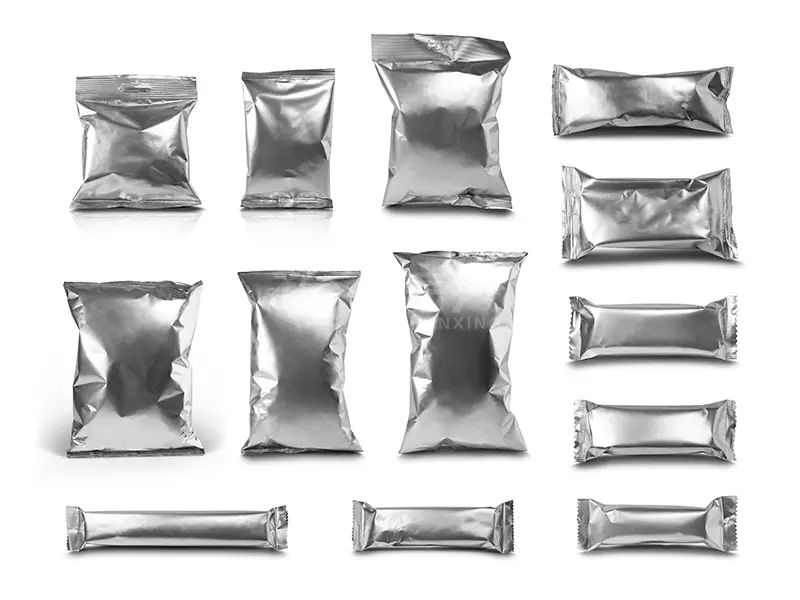
High-barrier pharmaceutical foils, aseptic beverage laminations, and foil food containers that protect contents from oxygen and UV degradation.

Battery-grade collector foils (lithium-ion cells), capacitor packaging, and electromagnetic shielding sheets for server arrays.

Highly stabilized alloys designed for high-stress aerospace applications, low temperatures, and structural fatigue resistance.
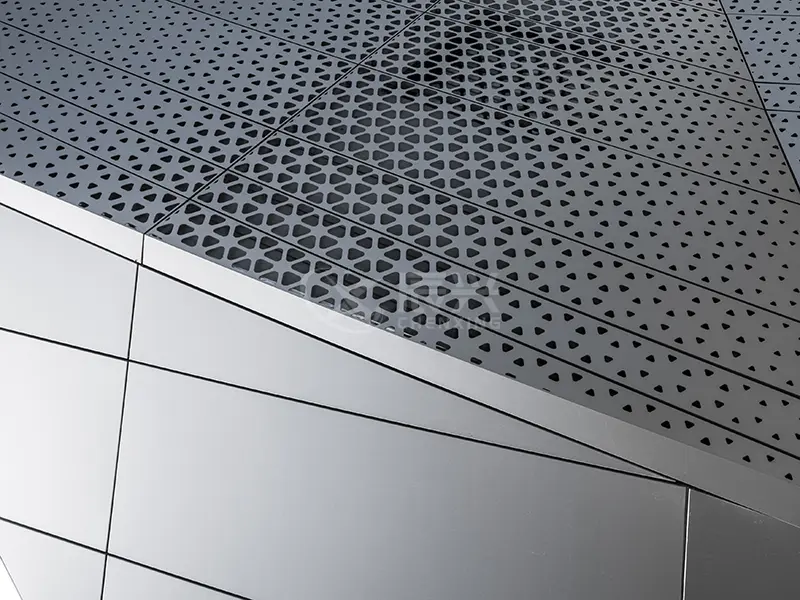
Laminated insulation boards, vapor barriers, air duct systems, and structural roofing panels for energy-efficient buildings.

Heat exchangers for refrigerators and HVAC units, decorative trim panels, and high-efficiency heat sink plates.
Procurement quality control is a primary risk factor when sourcing large quantities of structural metals. To address this risk, leading Chinese mills implement digital, end-to-end quality tracking systems. From the initial casting stage to the final slit roll packing, each mother coil is assigned a unique QR code. This system links directly to the melt chemistry analysis, rolling speed log, annealing profile, and physical tensile testing data.
In the event of a quality deviation, our team uses the structured 8D (Eight Disciplines) Problem-Solving Methodology. Within 24 hours of notification, we assemble an engineering response team to implement containment actions. A root-cause analysis is conducted using fishbone and fault-tree methodologies to identify process gaps. Corrective actions are then implemented at the cold rolling or thermal annealing stage to prevent recurrence, and all outcomes are fully documented for the buyer.
Three major macro-economic and engineering trends are driving the future development of China's foil aluminum factories:
A. The Rise of Ultra-Thin Battery Foils: The transition to electric vehicles (EVs) has created a significant demand for thin, high-tensile foil rolls. These materials serve as anode and cathode current collectors in lithium-ion and solid-state batteries. Factories are upgrading their operations to support cleanroom levels of dust control. This prevents micro-short circuits caused by particulate contamination during cell assembly.
B. Sustainable Packaging Demands: Multi-layer plastic films are increasingly being replaced by recyclable, single-material aluminum solutions. This shift requires raw foil surfaces that are optimized for adhesion with biological water-based adhesives.
C. Smart Logistics and Sea Shipping Preservation: Due to maritime moisture risks, export-grade packaging is transitioning toward vacuum-sealed aluminum barrier pouches and heavy-duty, heat-treated wooden crates. Suspended horizontal packaging prevents pressure damage to the face of the rolls during transit, protecting the material from physical deformation.
Stay updated on market indicators, export trends, and raw material dynamics that impact procurement strategies.
Global demand for structural and semi-finished aluminum rolls continues to rise, driven by strong growth in the construction and lightweight automotive sectors.
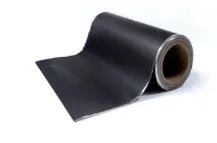
An in-depth analysis of high-tension carbon-coated battery foils and their role in improving cathode energy storage capacities in electric vehicles.
Market report detailing how energy efficiency standards are driving the adoption of high-performance coated aluminum coils in HVAC and structural insulation.
Connect directly with our engineering team to review chemical tolerances, packaging configurations, and custom pricing schedules. We reply within 24 hours with a comprehensive 8D-ready quote.
Submit Sourcing Request NowBrowse our factory-direct inventory of structural aluminum circles, sheets, and heat-sink coils. All shipments are supplied with certified material test reports (MTR).