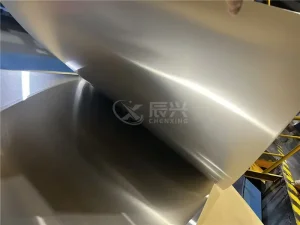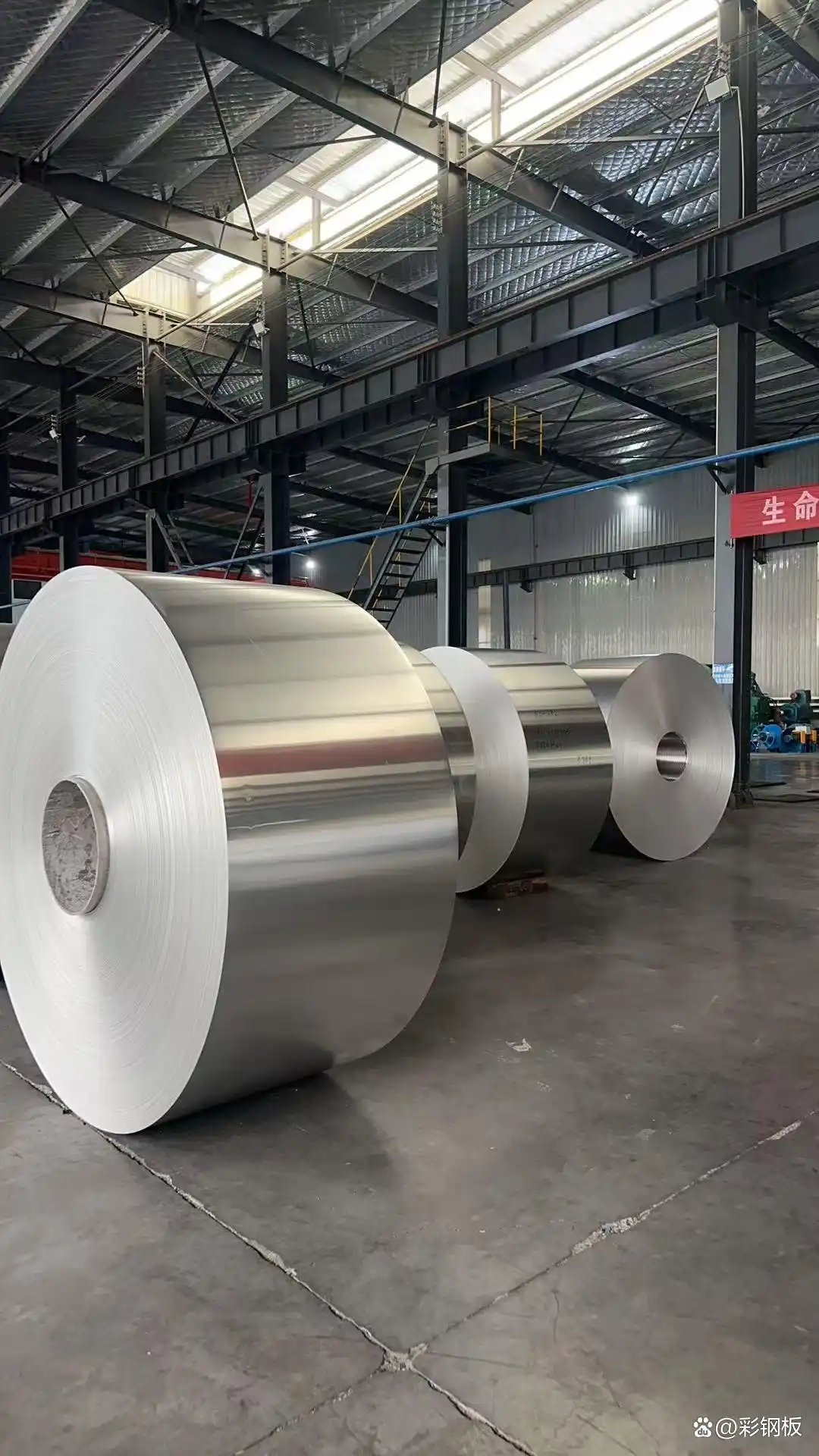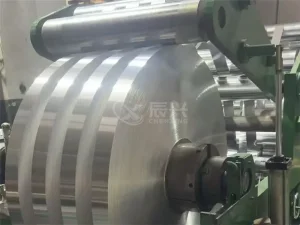
Explore our premium factory portfolio featuring structural sheets, ultra-thin foils, customized coils, and advanced surface finishes engineered to meet stringent international standards.
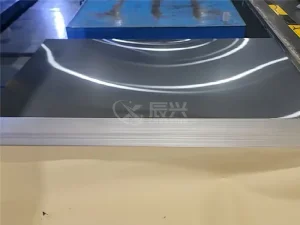
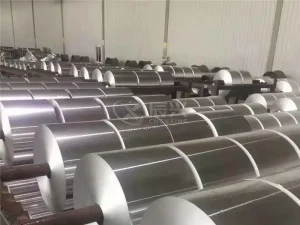
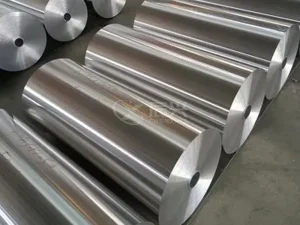
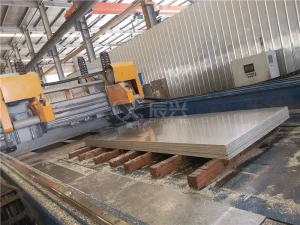
Analyzing global supply chain evolution, metallurgic specifications, precision surface treatment mechanisms, and ESG criteria in aluminum sheet manufacturing.
The contemporary global market for decorative aluminum sheets has witnessed a structural shift. Historically limited to basic architectural claddings, high-performance aluminum sheets are now integral to building skins, transportation interiors, consumer electronics, and sustainable product enclosures. As modern architectures lean toward net-zero building targets, material selectors look to aluminum because of its infinite recyclability, exceptional structural strength-to-weight ratio, and highly configurable finishes.
China's manufacturing clusters have evolved from simple processing nodes into leading hubs of technological innovation. By employing advanced cold-rolling processes, intelligent tension-leveling lines, and specialized chemical treatment plants, Chinese factories offer unprecedented consistency. This is especially true for demanding structural products such as 3003 aluminum sheets and specialized anodized aluminum sheets, which are highly valued by buyers in North America, Europe, and Asia.
Selecting the ideal alloy is critical for balancing corrosion resistance, mechanical workability, and aesthetic appeal. In the table below, we detail the key engineering and metallurgical differences between the major grades used in architectural and industrial applications:
| Alloy Family | Chemical Elements | Ultimate Tensile Strength (MPa) | Elongation (%) | Corrosion Resistance | Primary Applications |
|---|---|---|---|---|---|
| 1100 Series (Pure Al) | 99.00% Al (Min) | 95 - 135 | 5 - 20 | Outstanding | Chemical equipment, heat exchangers, highly reflective sheets, nameplates. |
| 3003 Series (Al-Mn) | Al + 1.2% Mn | 110 - 190 | 8 - 25 | Excellent | Architectural cladding, roofing panels, food containers, HVAC systems. |
| 3104 Series (Al-Mn-Mg) | Al + 1.0% Mn + 1.1% Mg | 170 - 240 | 10 - 22 | High | Deep-drawn components, beverage can bodies, patterned sheet decoration. |
| 5083 Series (Al-Mg) | Al + 4.5% Mg + 0.7% Mn | 275 - 350 | 12 - 20 | Marine Grade (V. High) | Marine structures, vehicle frames, low-temperature storage tanks. |
Our manufacturing process uses electromagnetic filtration during casting to minimize iron impurities, which can cause surface discoloration during subsequent anodization. This guarantees uniform anodizing and chemical treatment behavior across every batch.
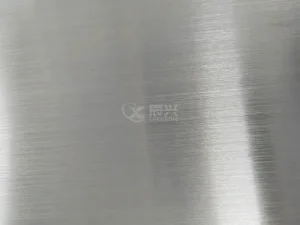
Decorative panels require both beautiful surface aesthetics and long-term environmental protection. We offer four distinct types of surface processing:
Global supply chains are increasingly shifting toward strict decarbonization. As a responsible manufacturer, we have optimized our energy structure by utilizing hydroelectric power during primary smelting phases to reduce the carbon footprint of our decorative aluminum coils.
Additionally, our closed-loop water treatment system recycles over 92% of the water used during chemical cleaning. All chemical pretreatments are completely chrome-free, ensuring full compliance with European RoHS and REACH regulations. This makes our products safe and eco-friendly for projects targeting LEED, BREEAM, or DGNB green building certifications.
Decorative panels are highly sensitive to surface scratches, pressure marks, and oxidation during transit. Our export packaging features double-layered protective polyethylene films, reinforced heavy-duty wooden skids, moisture-absorbing desiccant packs, and structural steel strapping. This keeps the material perfectly flat and corrosion-free from our factory floor to the job site.
Every shipment undergoes rigorous testing, including gloss uniformity checks, cross-cut adhesion tests for PVDF coatings, bend testing, and micrometer thickness checks. Full MTC (Mill Test Certificate) documentation is provided with every delivery.
Our products are engineered to deliver reliable structural performance and premium aesthetics across a wide range of global industries.

High-strength, lightweight alloys designed to reduce fuel consumption, increase payload capacities, and deliver long-lasting durability in high-speed rail, automotive, and marine environments.
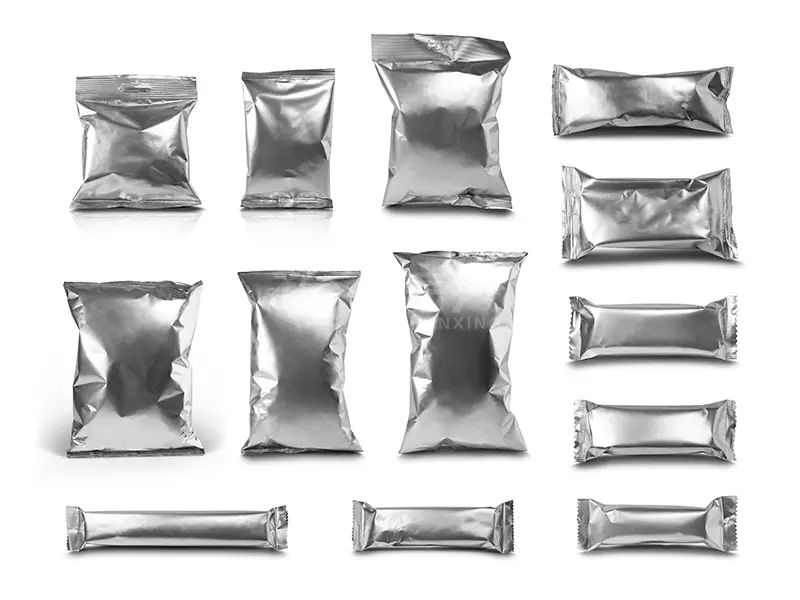
High-barrier, food-grade aluminum foils that shield sensitive pharmaceuticals, perishable food products, and chemical formulations from moisture, light, oxygen, and contaminants.

Exceptional thermal dissipation performance paired with precision surface finishes. Perfect for smartphone chassis, laptop enclosures, internal heat sinks, and battery foils.

Advanced structural alloys engineered with excellent fatigue resistance, high fracture toughness, and dimensional stability under extreme atmospheric temperatures.
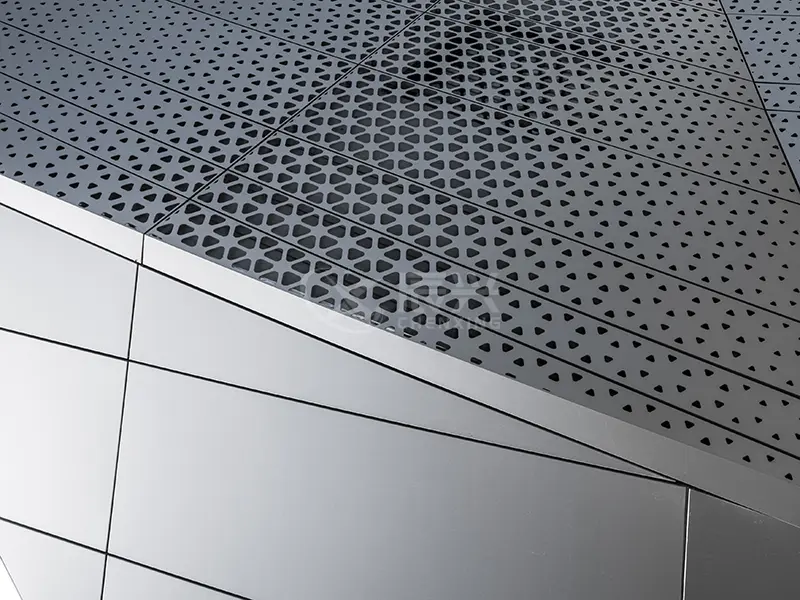
Anodized, brushed, and PVDF-coated panels designed for curtain walls, external cladding, interior ceilings, and accent panels that hold up against harsh environmental elements.

Smudge-resistant, brushed, and anodized aluminum skins for high-end refrigerators, microwave ovens, air conditioners, and dynamic home consumer products.
Detailed technical answers addressing standard questions from global facade contractors, material engineers, and procurement managers.
Keep up with the latest technological developments, market shifts, and product releases from our global production facilities.
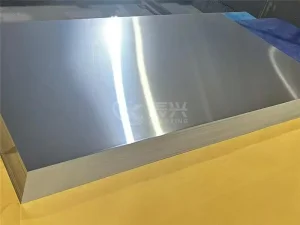
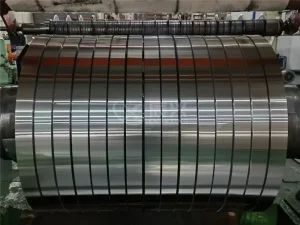
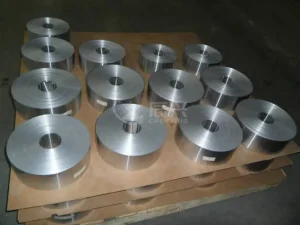
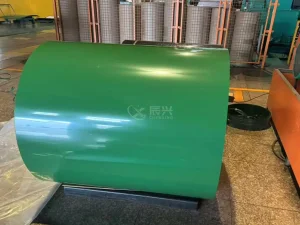
Premium options including high-adhesion strip coils, marine-grade plates, and specialized packaging materials built for reliability in high-temperature applications.
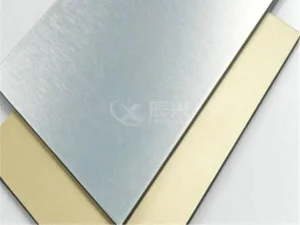
Get in touch with our engineering team for detailed design calculations, custom alloy samples, price lists, and comprehensive material parameter documentation. We respond to all inquiries within 24 hours.
Inquire Now / Submit RFQ