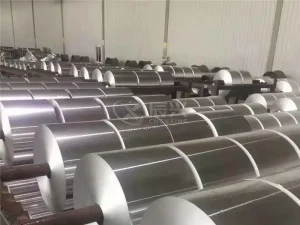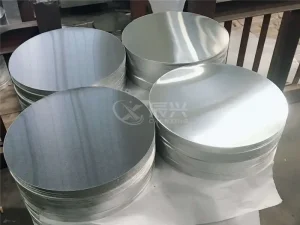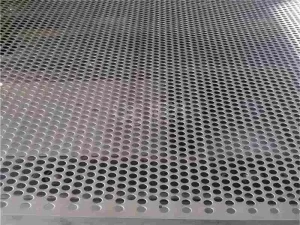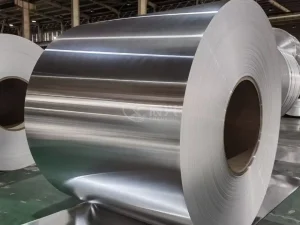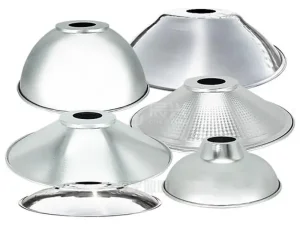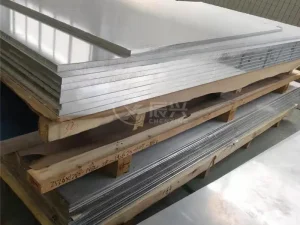
Explore our main production runs of high-grade circles, foils, coils, and structural panels customized to international specifications.
Unveiling the metallurgical excellence, cold-forming technology parameters, and manufacturing frameworks shaping the global aluminum industry.
The global metal fabrication landscape has experienced a pivotal paradigm shift toward high-precision structural alloys. At the forefront of this industrial transformation is cold-formed and cold-rolled aluminum, manufactured using mechanical reduction processes that bypass high-temperature structural degradation. Unlike traditional hot-rolling methods, cold working changes the crystallographic orientation of aluminum, inducing work-hardening properties. This metallurgical refinement yields enhanced yield strength, absolute gauge accuracy, and mirror-finished surface characteristics essential for sectors demanding zero-defect tolerance.
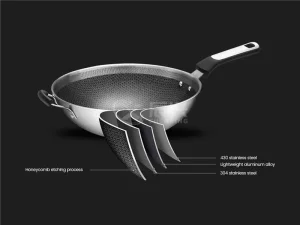
As a leading Chinese manufacturer, our facility specializes in precision cold reduction techniques. By using raw material sheets of premium quality and controlling cold reduction ratios with mill-level precision, we ensure optimized thickness profiles across wide-format rolls and sheets. This technological foundation allows us to produce high-durability cookware discs, lightweight automotive heat shields, pharmaceutical blister barrier membranes, and high-purity conductor foils.
When aluminum is processed below its recrystallization temperature (usually ambient temperature), dislocations accumulate within the crystal lattice. This strain-hardening phenomenon significantly improves the metal's mechanical properties without requiring heavy alloying components that could compromise electrical conductivity or corrosion resistance. Key parameters monitored during our cold reduction runs include:
| Alloy Grade | Tensile Strength (MPa) | Elongation (%) | Thermal Cond. (W/m·K) | Primary Industrial Applications |
|---|---|---|---|---|
| AA 1050 | 65 - 145 | ≥ 3% (H18) | 231 | Electronics heat sinks, electrical conductors, food-grade packaging blanks. |
| AA 3003 | 110 - 200 | ≥ 2% (H18) | 193 | HVAC evaporators, cooking utensils, deep-drawn container foils, signboards. |
| AA 5754 | 190 - 300 | ≥ 4% (H18) | 147 | Automotive structural framing, chemical vessels, marine tread plates. |
| AA 8021 | 85 - 135 | ≥ 18% (O-temper) | 180 | Cold-form pharmaceutical packaging (Alu-Alu blister laminate structures). |
Helping international buyers mitigate geopolitical risks, maintain regulatory compliance, and secure stable supply flows.
Industrial procurement departments faces several challenges when importing cold-rolled aluminum components. These include ensuring absolute thickness consistency, preventing pinholes in ultra-thin foil laminates, and managing raw material lead times. Additionally, compliance with local standards like ASTM (Americas), EN (Europe), and GB (China) requires verified test certificates for every batch.
Our operation addresses these concerns through an integrated logistics model. By combining primary smelting control, high-precision hot roll feedstocks, and dedicated cold reduction facilities, we control the entire processing sequence. This structural integration provides protection against raw material price spikes and ensures a steady supply of high-grade coils and sheets for global manufacturing hubs.
Operating as a reliable OEM/ODM partner means implementing rigorous international testing protocols. Our cold-processed products undergo strict third-party inspections to meet REACH, RoHS, FDA, and EU food contact regulations. This level of quality management is critical for downstream applications like pharmaceutical cold-forming foils (AA8021) and heat exchangers.
Additionally, our factory supports customer-driven audits. We provide full material traceability reports, raw ingot chemical analyses, mechanical properties certifications, and 8D troubleshooting responses to resolve production variances quickly.
Two decades of advanced production, strict quality assurance, and responsive customer service.


Our cold-processed aluminum solutions are engineered to meet the demanding requirements of various global industries.
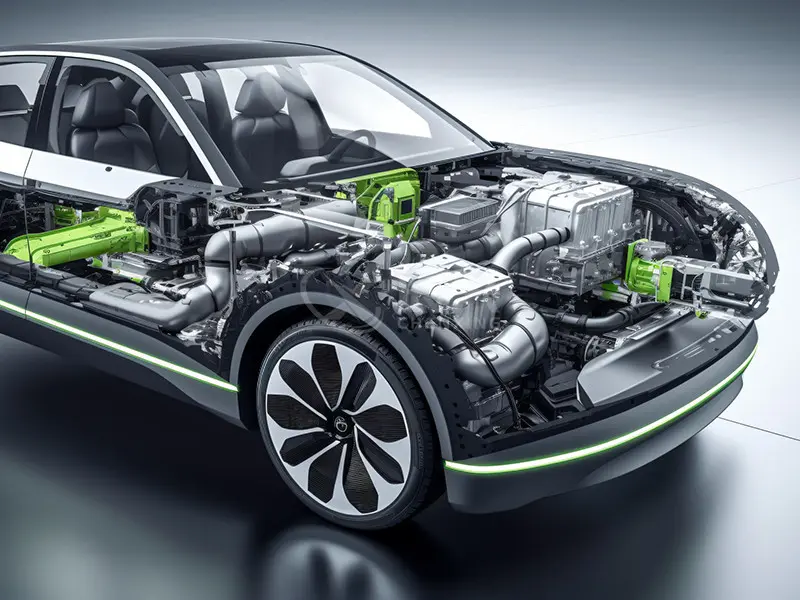
High-yield 5xxx alloys designed for lightweight automotive structural parts, marine vessels, and railway framing components.
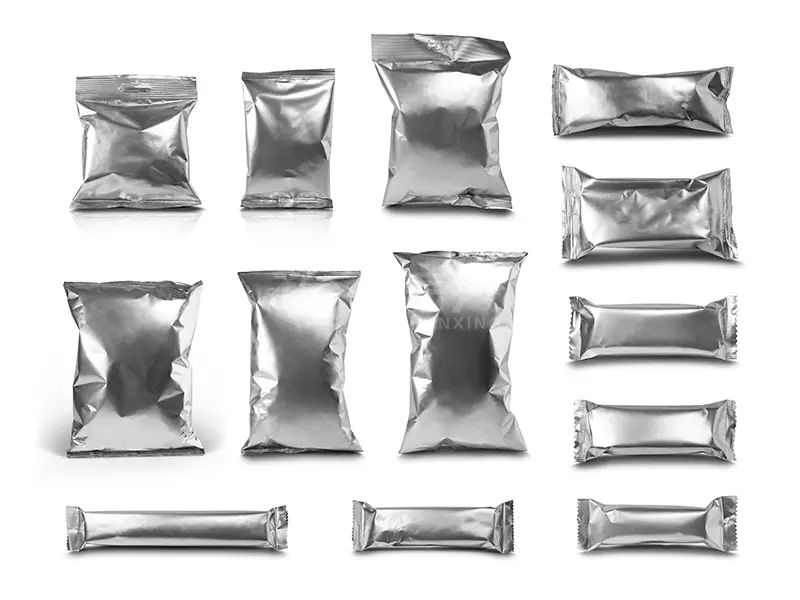
Pinhole-free pharmaceutical blister foils (8021) and food-grade household foils offering strong barrier protection against light and moisture.

High-conductivity 1050 foils and sheets optimized for electrical windings, capacitors, and precision heat sink fins.

High-strength, low-density heat-treated structural sheets designed to meet strict weight-reduction standards for aviation components.
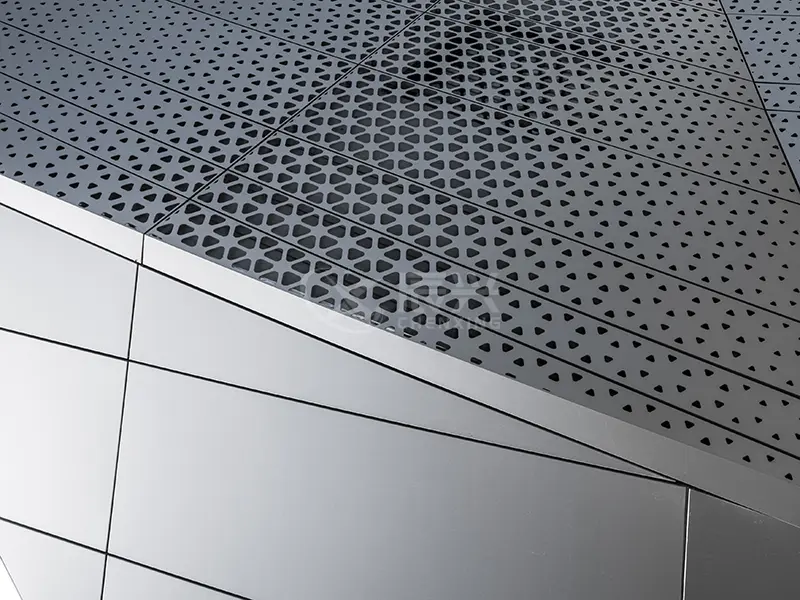
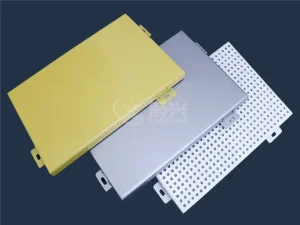
Anodized cladding sheets, durable roofing profiles, and decorative veneers built to withstand outdoor elements and corrosion.
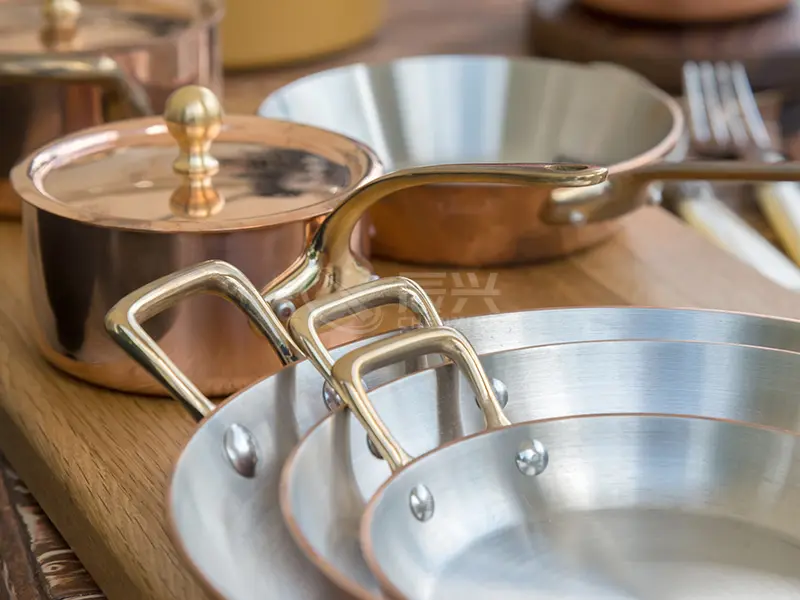
Formable 3003 discs and coils used for cookware bodies, air duct linings, refrigerator evaporators, and decorative panels.
Focusing on digitalization, automated quality control, and carbon footprint reduction.
As international supply chains emphasize decarbonization, our engineering roadmap aligns with global sustainability initiatives. We are integrating advanced technologies into our manufacturing facility to optimize energy efficiency and material consistency:
By implementing these technical upgrades, we are prepared to meet the demanding specifications of industries like new-energy electric vehicles, which require battery-grade aluminum foils with high tensile strength and minimal defect rates.
Get answers to common technical, commercial, and logistical questions about sourcing cold-rolled aluminum from China.
Read about market trends, regulatory shifts, and technical advancements from our production facility.
Global demand for high-grade semi-finished aluminum coils remains robust. Read about our capacity expansion to support this market demand.
Read Article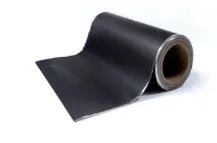
An analysis of high-purity aluminum foils for electric vehicle battery packs, focusing on tensile strength and processing standards.
Read Article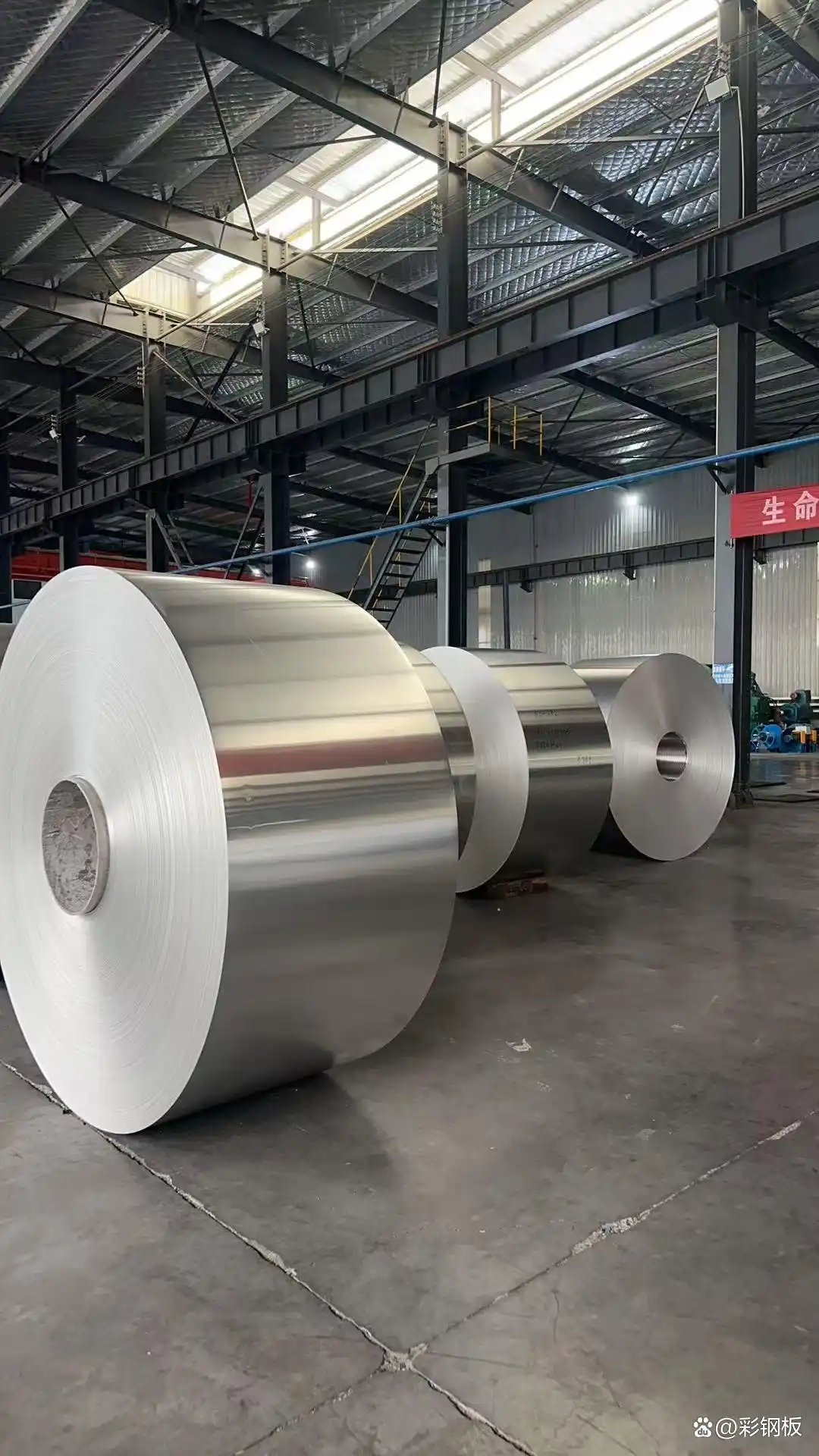
An overview of how green building certifications and recycling initiatives are supporting demand for energy-efficient building materials.
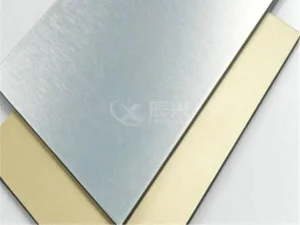
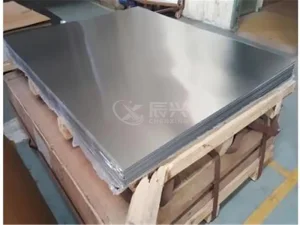
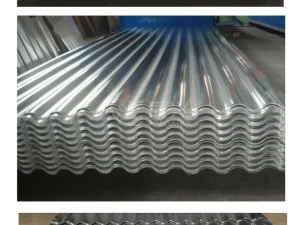
Read ArticleBrowse our selection of specialized structural claddings, heavy roofing sheets, and industrial coils built to custom dimensions.
Connect with our engineering support team to discuss material specifications, custom dimension requirements, or to request a quote. We respond within 24 hours.
Submit Inquiry Now