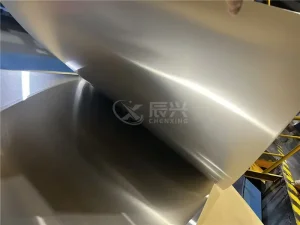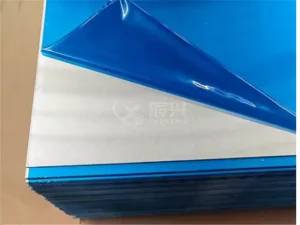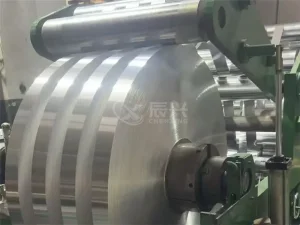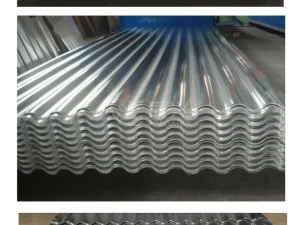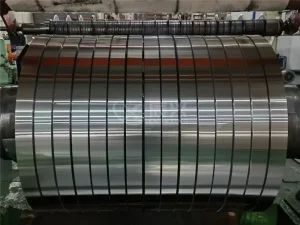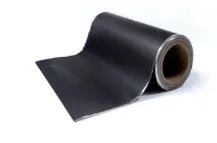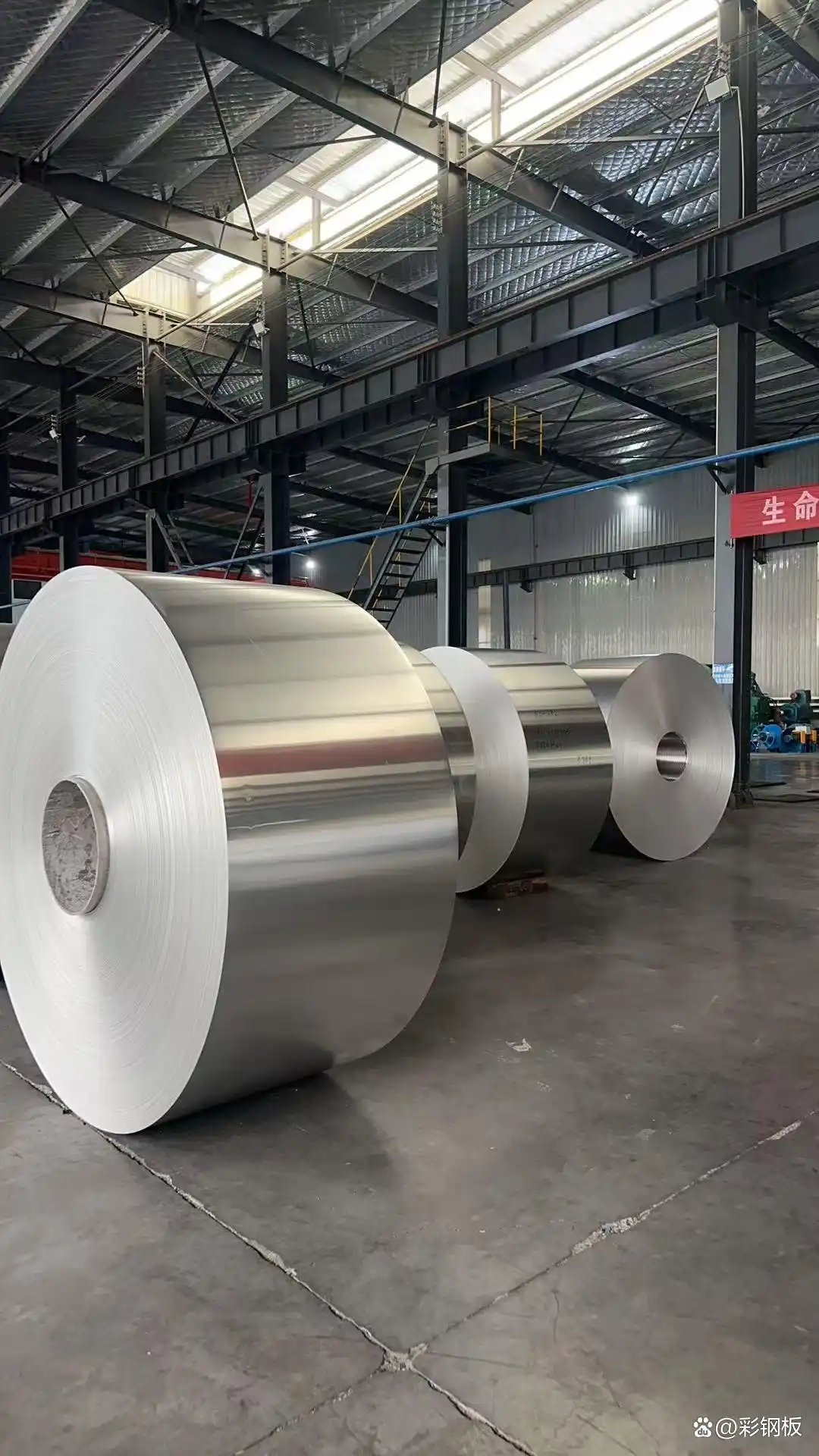
Direct supply from state-of-the-art Chinese rolling mill facilities. Discover high-tolerance, structural integrity materials engineered for demanding global applications.
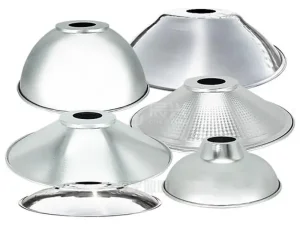


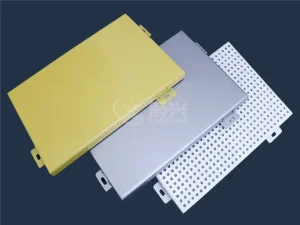
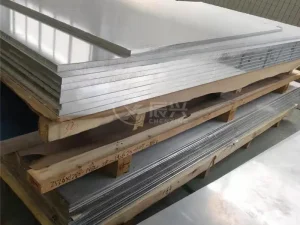
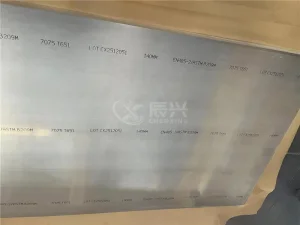
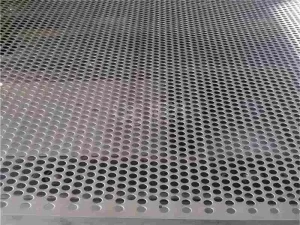
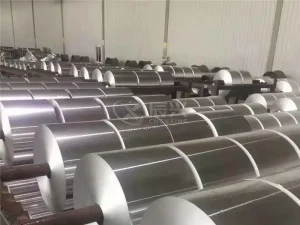
In modern industrial applications, aluminum mill stock is a foundational material that supports critical infrastructures ranging from automotive structural components to food-grade packaging. The term "mill stock" refers to raw semi-finished aluminum shapes—sheets, coils, plates, strips, and circles—produced directly by major hot and cold rolling mills. Global supply chain strategies have increasingly focused on consolidating sourcing through integrated Chinese companies, which now represent over 55% of the world's primary and refined flat-rolled aluminum processing output.
The manufacturing superiority of Chinese aluminum mills goes beyond mere scale. It is rooted in structural technology, downstream clustering, and intensive logistic facilities. Advanced Chinese factories utilize integrated continuous casting and rolling (CCR) processing lines. This technology bypasses the traditional reheating cycle of cold ingots, lowering total energy consumption per metric ton by up to 25% compared to legacy facilities in North America and Western Europe.
Moreover, local production corridors in regions like Henan and Shandong offer vertical supply chain integration. A rolling mill has direct access to molten aluminum from neighboring smelters, which preserves thermal efficiency and reduces oxidation during transport. High-precision sensor arrays, intelligent thickness tracking, and automated gauge controls (AGC) guarantee thickness tolerances as precise as ±0.005 mm. This level of precision is vital for thin gauges, such as battery-grade foils and pharmaceutical blister packaging.
Understanding the differences in metallurgical chemistry is essential for global procurement managers looking to minimize materials cost while optimizing mechanical strength. Below is a breakdown of the primary aluminum mill stock alloys processed and exported by Chinese companies:
| Alloy Series | Typical Grades | Key Metallurgical Traits | Primary Applications |
|---|---|---|---|
| 1xxx (Pure) | 1050, 1060, 1100 | 99.0%+ purity, high electrical & thermal conductivity, superior ductility. | Lighting reflectors, heat sink fins, chemical vessels. |
| 3xxx (Mn Alloy) | 3003, 3104, 3105 | Moderate strength, excellent formability, high corrosion resistance. | HVAC ducting, beverage cans, corrugated roofing plates. |
| 5xxx (Mg Alloy) | 5052, 5754, 5083 | High tensile strength, superb marine-grade corrosion resistance, weldability. | Marine vessel hulls, automotive body panels, fuel tanks. |
| 8xxx (Alloyed) | 8011, 8021, 8079 | High tensile strength in ultra-thin foil states, pinhole resistance. | Household cooking foil, pharmaceutical blister packaging. |
From microelectronics to large-scale infrastructure, aluminum mill products serve distinct engineering niches. For instance, in HVAC systems, bare or hydrophilic-coated 8011 and 3003 aluminum strips are formed into cooling fins, optimizing thermal exchange and resisting degradation in damp environments. In modern architecture, solid aluminum panels (typically 1100 or 3003 alloys) provide fire-resistant, lightweight, and custom-moldable exterior cladding solutions that replace composite materials.
In the transition to sustainable energy, high-grade battery-grade foil is used as a current collector for lithium-ion battery cells. This application requires absolute surface cleanliness, no oil residue, and high mechanical strength to withstand high-speed tension during slurry coating processes. Chinese mills have adapted their production to meet these specific requirements by installing cleanroom slitting equipment and oil-free annealing furnaces.
Our main products are engineered to comply with ASTM, EN, and JIS standards, satisfying strict quality audits worldwide.
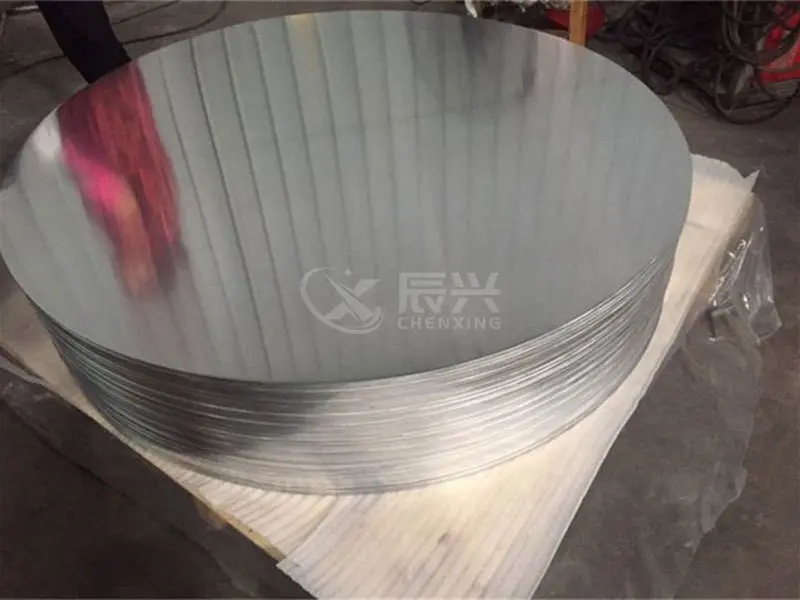
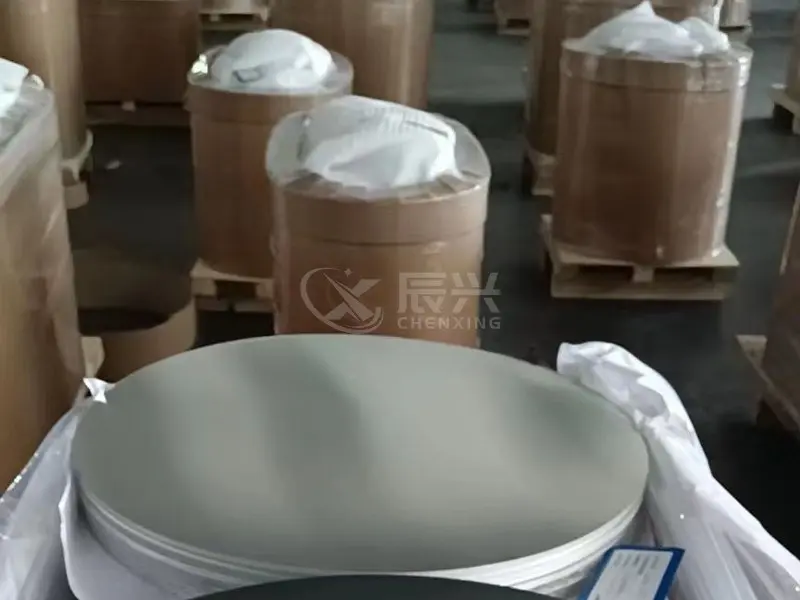
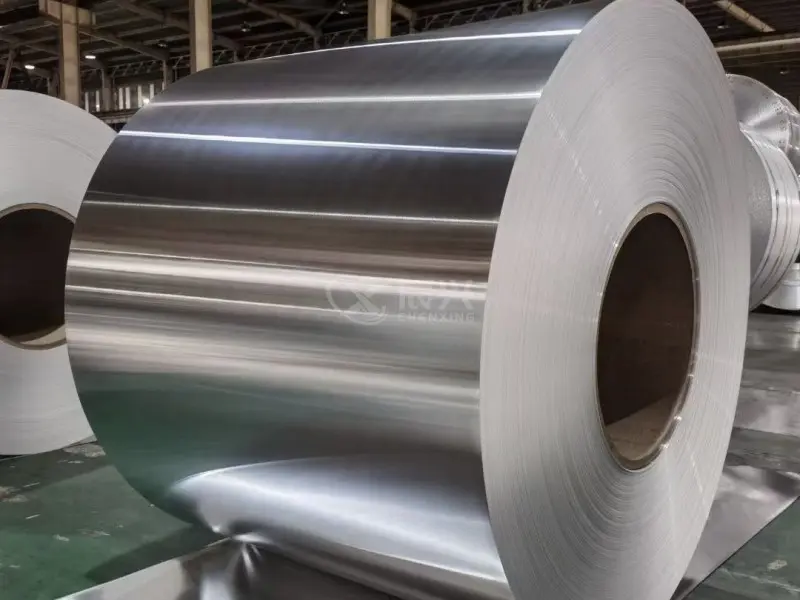
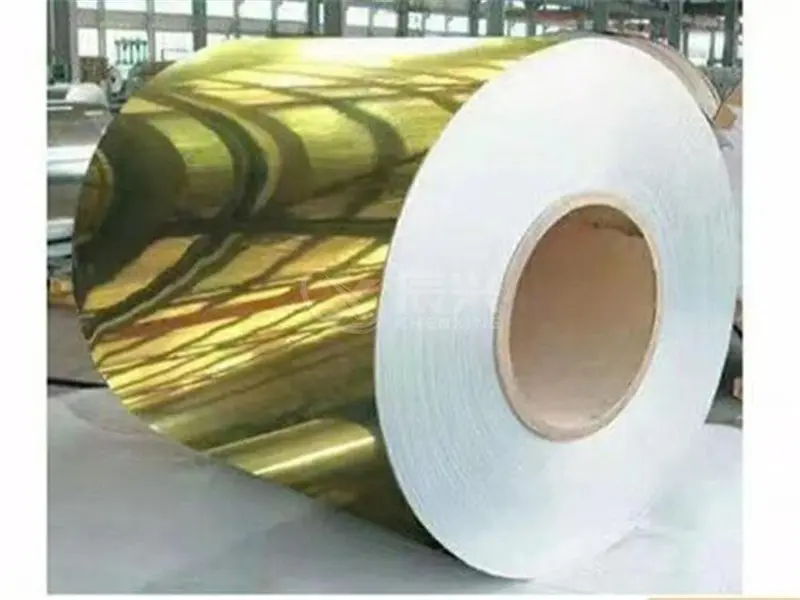
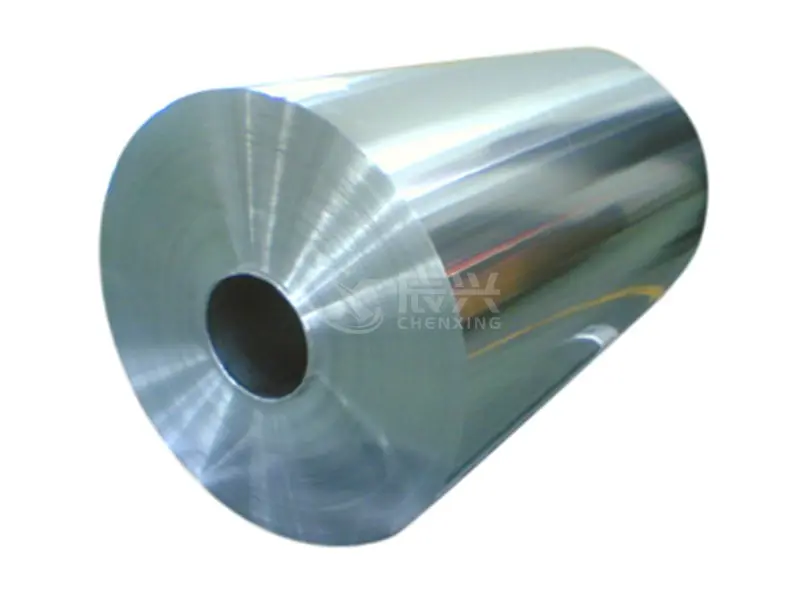
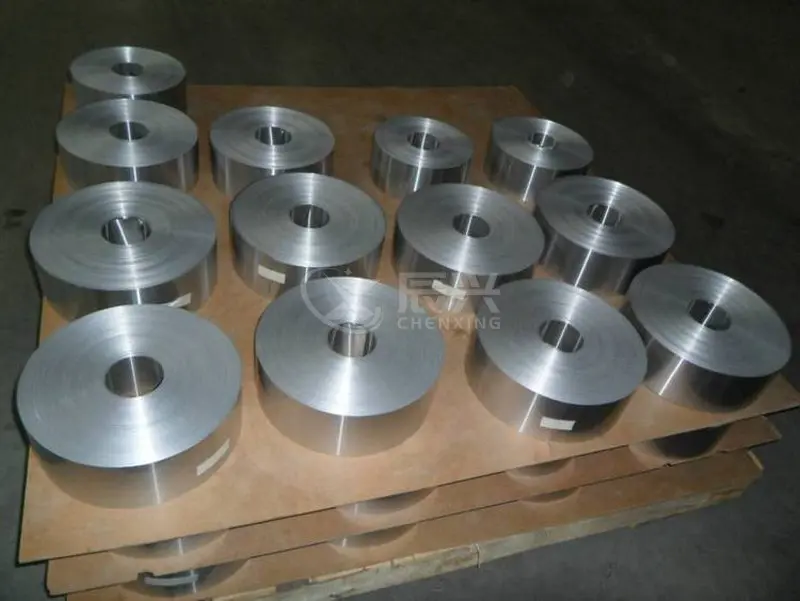
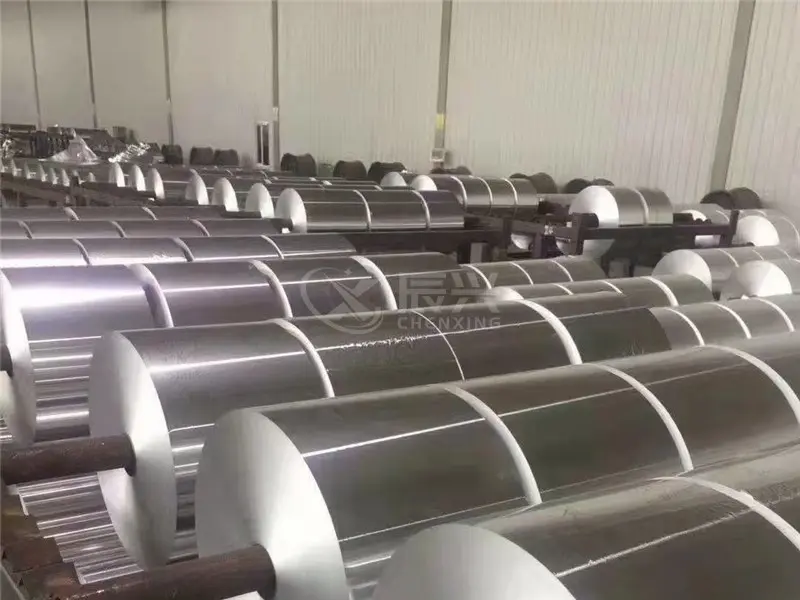
Delivering high-integrity materials tailored for specific industrial challenges across the world's most critical manufacturing sectors.

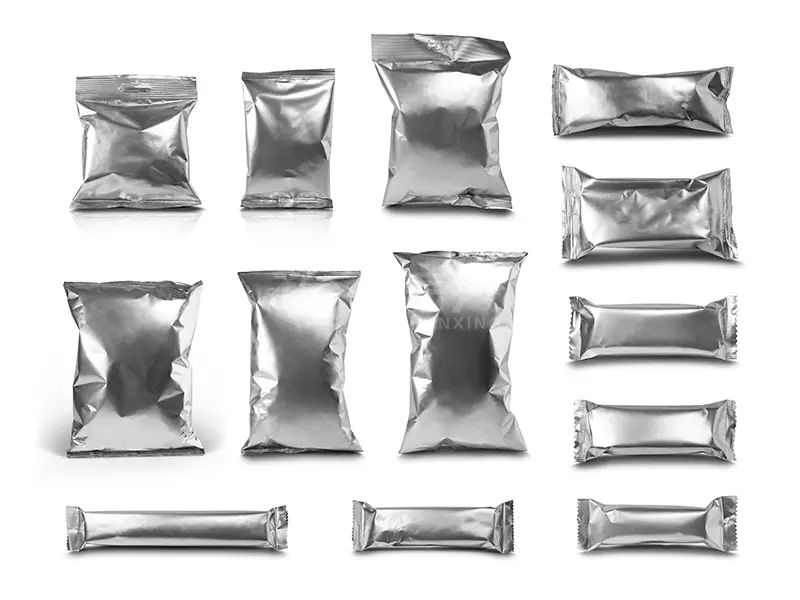


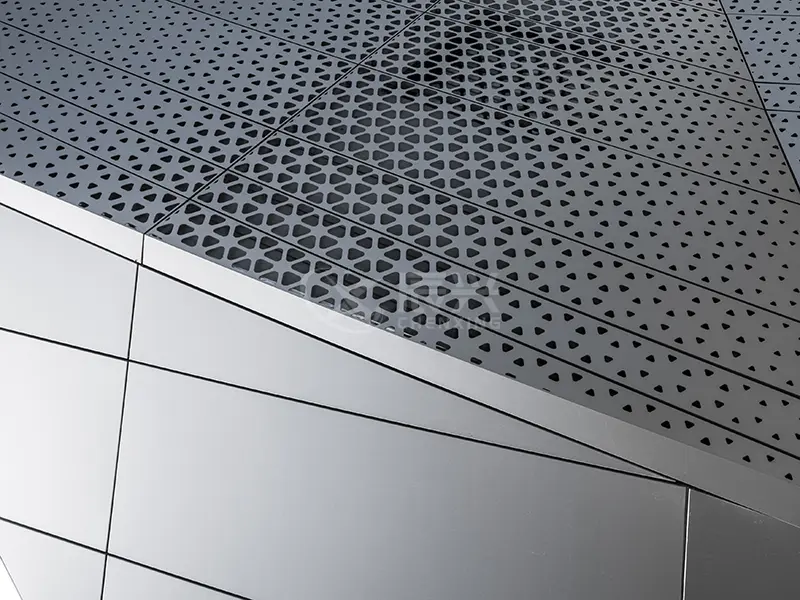

The global aluminum mill sector is undergoing a profound shift driven by global ESG (Environmental, Social, and Governance) targets. Primary aluminum production has traditionally been carbon-intensive. However, progressive Chinese rolling mills are transitioning to green electricity sources, such as hydropower in Southwest China, to significantly lower the carbon footprint of their products.
Furthermore, the integration of post-consumer scrap (PCR) and post-industrial scrap (PIR) back into the rolling process is a key focus. Advanced sorting systems use Laser-Induced Breakdown Spectroscopy (LIBS) to separate alloys, allowing mills to reuse high-grade scrap without compromising mechanical integrity. This closed-loop recycling process uses only 5% of the energy required to produce primary metal from bauxite, aligning with international carbon border tax regulations (like CBAM in Europe).
When sourcing aluminum mill products from China, procurement teams must implement a structured vetting process to minimize international trade risks. Ensure suppliers provide material test reports (MTR) matching batch numbers and verify chemical compositions using optical emission spectrometers. Additionally, clarify shipping parameters; long sea transits expose bare coils to potential saltwater air oxidation, making proper desiccant usage and robust moisture barrier wrapping essential packaging requirements.
Get in touch with our metallurgical engineers today for detailed material data sheets, price quotes, and production lead times. We respond to all technical queries within 24 hours.
Request A Fast QuoteStay informed with the latest metallurgical breakthroughs, supply chain trends, and global export insights.
Get answers to common technical, metallurgical, and logistics questions about sourcing aluminum mill stock.
Explore our full range of certified industrial aluminum products, optimized for diverse application standards.