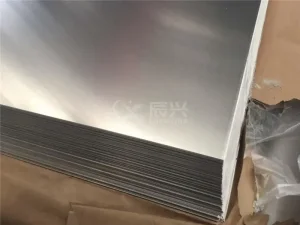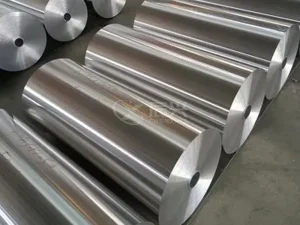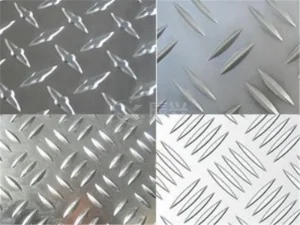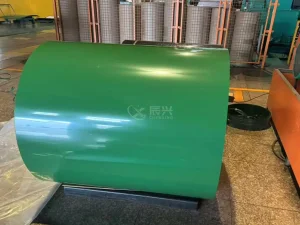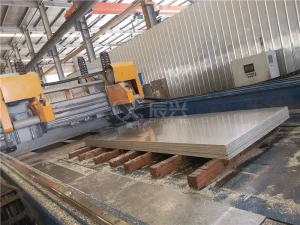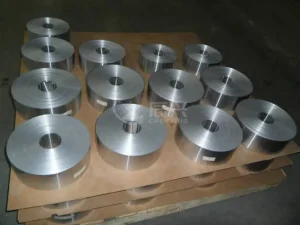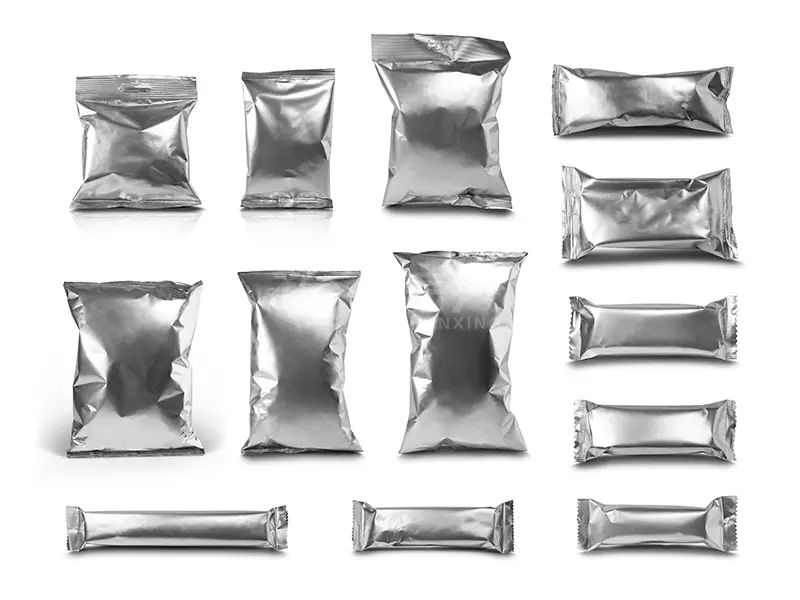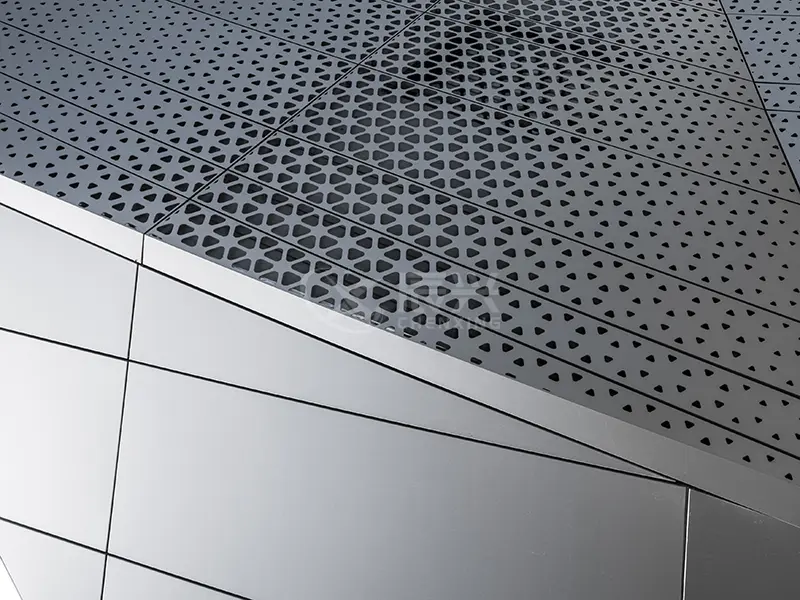
Explore our elite portfolio of high-grade foils, sheets, and coils engineered for industrial performance.

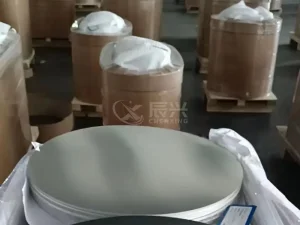


Deciphering the micro-level metallurgy and crystallization control behind high-end alloy foils.
Modern industrial applications require alloy foils with absolute mechanical uniformity. By manipulating the grain boundaries during the continuous casting process, we limit pinhole density to less than 0.05 per square meter. Our precise temperature profiling ensures optimal tensile strength distribution across the width of the master coil, preparing it for high-velocity slitting operations without edge fracture.
With battery manufacturers pushing the limits of energy density, the demand for foils thinner than 8 micrometers has skyrocketed. Our cold rolling mills are integrated with automatic gauge control (AGC) systems, maintaining foil thickness deviations within a microscopic ±0.1 microns. This thickness consistency translates directly to uniform internal resistance and prolonged cycle life inside lithium-ion battery configurations.
Implementing electromagnetic stirring technology in melting furnaces to uniformly disperse elements like Manganese, Magnesium, and Iron across 1xxx, 3xxx, and 8xxx series alloys, reducing surface defect rates by 40%.
Combining Automated Gauge Control (AGC) with Automated Flatness Control (AFC) to deliver high-velocity rolling while guaranteeing minimal flatness variations under high web tension environments.
Deploying roll-to-roll carbon deposition techniques to coat micro-thin foils with conductive carbon matrices, drastically decreasing contact resistance and maximizing active material adhesion.
The paradigm of aluminum alloy foil manufacturing has shifted from sheer volume to smart, responsive industrial setups. By deploying Industrial Internet of Things (IIoT) sensors across our rolling, annealing, and slitting lines, we continuously monitor over 2,000 process parameters in real-time. This dynamic process tracing guarantees compliance, transparency, and rapid cycle times.
Furthermore, our direct integration with deep-water shipping lanes and robust rail networks protects our global procurement partners against regional supply chain disruptions. With raw material buffers stored near transportation terminals, we achieve rapid export turnarounds to over 35 countries.
Verify Supply CapabilityFrom aerospace thermal barriers to thin food packaging wrappers: how alloy chemistry dictates utility.
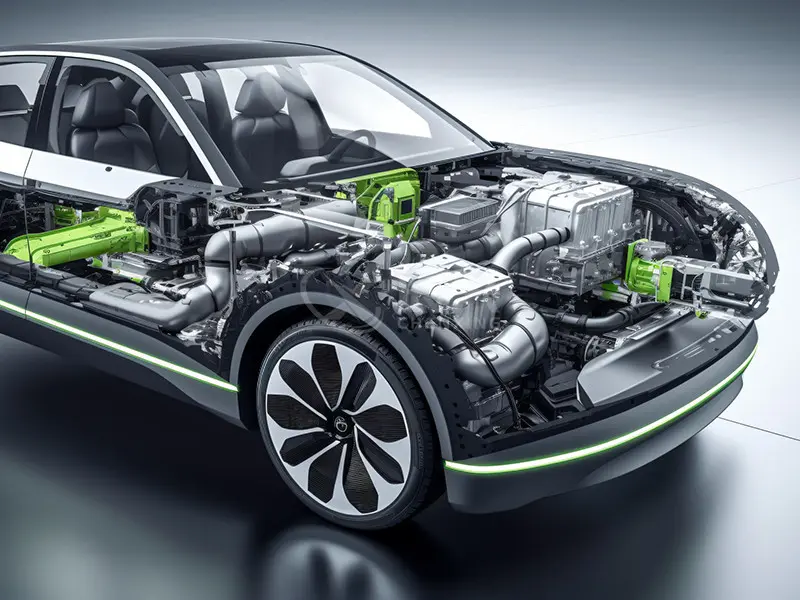
Aluminum alloys are crucial for lightweight auto components, structural profiles, and heat exchangers. Minimizing component mass directly offsets structural energy demand, maximizing vehicle range and payload efficiency.
High barrier properties protect perishable goods, pharmaceuticals, and aseptic containers against oxygen, moisture, and light transmission. Our 8011 and 8021 alloys deliver exceptional drawability for blister packs.
Foil shielding acts as an electromagnetic barrier in high-frequency circuits, communication cables, and flexible PCBs. High purity grades deliver top electrical conductivity and mechanical stability.
Utilizing high-strength heat-treatable alloys like the 7xxx and 2xxx series to withstand heavy loads and mechanical stress, providing thermal protection interfaces and weight-optimized honeycomb structures.
Providing durable insulation backings, vapor barriers, composite wall panels, and roofing systems. Weatherproof coatings ensure decades of structural integrity and thermal reflection efficiency.
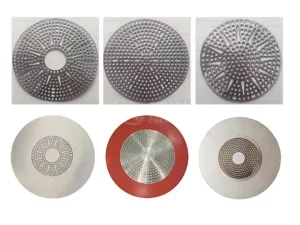
Integrated within refrigerators, ovens, heat pumps, and induction systems. Excellent thermal transfer rates optimize internal temperatures, improving energy efficiency classifications.
Navigating international regulatory frameworks and establishing quality baselines.
Sourcing metal from global origins requires rigorous verification steps. We ensure our materials conform directly to regional standards including ASTM (USA), EN (Europe), and JIS (Japan). By providing full MTRs (Mill Test Reports) detailing Chemical Composition and Tensile Values with every batch, we provide the traceability required for advanced assembly processes.
Additionally, our production plants hold active IATF 16949 (Automotive Quality Management), ISO 9001, and ISO 14001 certifications. This commitment to transparency helps minimize qualification bottlenecks during incoming inspections, supporting rapid engineering validation and ramp-ups.
When discrepancies occur, fast response times prevent assembly halts. Our customer service team operates under an active 8D Corrective Action framework. Following a request, we launch root-cause analysis procedures to implement effective containment measures within 24 hours.
Each coil shipped has an active barcode identifier linking to the raw ingot batch, rolling mill logs, annealing temperature graphs, and the names of the line technicians. This granular tracking keeps quality metrics clear and consistent throughout the material lifecycle.
Clear answers to complex technical and logistical sourcing challenges.
Stay updated on market movements, metallurgical research, and supply chain shifts.
With international trade pathways adjusting, global exports of semi-finished aluminum components are growing, prompting new investments in automated production equipment.
Read Full Report →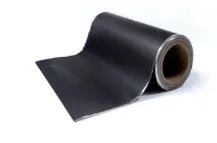
As global EV adoption continues, current collectors like battery-grade aluminum foils face stringent electrical and mechanical requirements.
Read Full Report →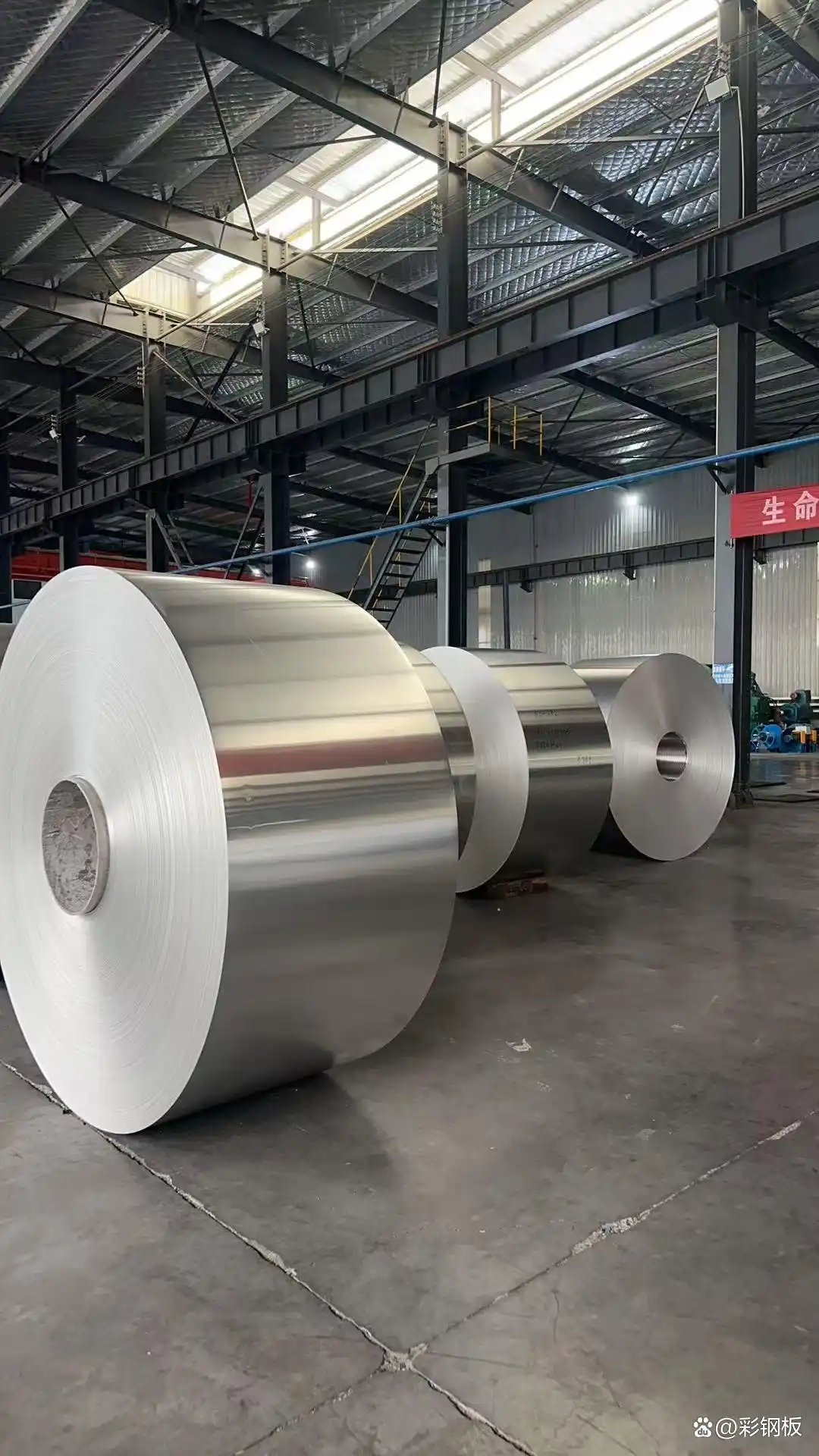
Recycled content mandates and eco-friendly coatings are shifting sourcing priorities toward sustainable manufacturing methods.
Read Full Report →Have specific requirements for alloy configurations, width tolerances, or packaging formats? Contact our applications engineers today.
Submit RFQ / Sample RequestDiscover specialty structural components, protective cladding materials, and precision HVAC foil variants.