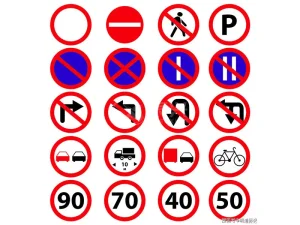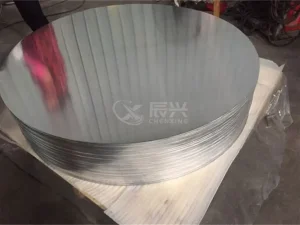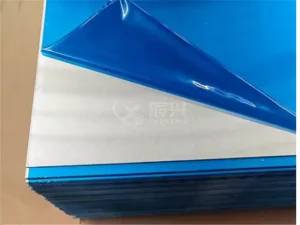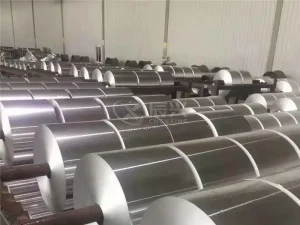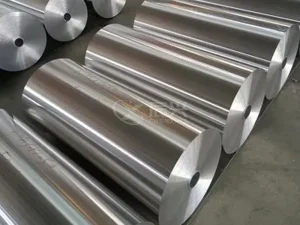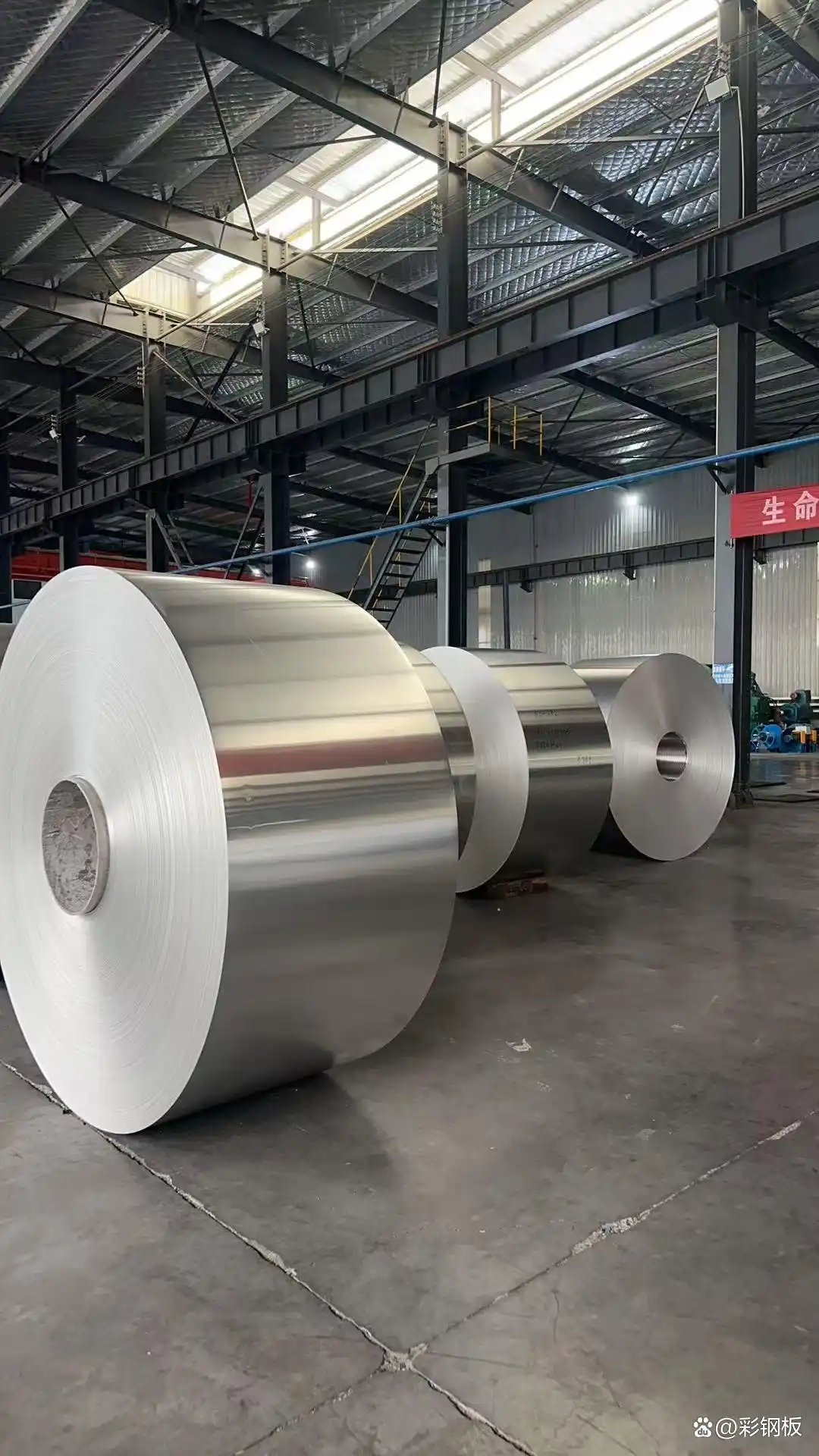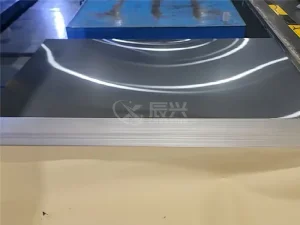
Premium factory-direct alloys configured for road signaling, lithium batteries, micro-electronics, packaging, and high-tensile structural systems.
The global metallic sheet sector is undergoing a rapid transition, driven by the structural requirement for lightweighting, structural integrity, and long-term sustainability. Aluminium section sheets and profiles, synthesized from continuous cast or hot-rolled aluminum alloys, represent critical structural elements across international B2B industries. By matching highly targeted alloy designations with controlled tempers, manufacturers can fine-tune mechanical yield strengths, surface finish capabilities, and galvanic corrosion resistances.
From architectural facades to light rail transit carriages and battery electric vehicle (BEV) structural containment units, custom-cut sections provide superior structural rigidity relative to their weight when contrasted with conventional cold-rolled steels. Understanding the metallurgical profiles, continuous deformation tolerances, and thermomechanical treatment processes of 1xxx, 3xxx, 5xxx, 6xxx, and 7xxx series alloys forms the core competency of global aluminum manufacturing.
The manufacturing capabilities of China’s leading aluminum processing plants extend far beyond simple raw material extrusion. Chinese factories have vertically integrated the supply chain—from smelting liquid bauxite to continuous roll-casting and dynamic tension leveling. This integration yields massive structural efficiency advantages:
To assist engineering and procurement teams in identifying the optimal material grade for industrial products, the table below provides a detailed mechanical and application breakdown of core alloys:
| Alloy Series | Common Tempers | Tensile Strength (MPa) | Yield Strength (MPa) | Primary Industrial Use Cases |
|---|---|---|---|---|
| 1050 / 1060 | O, H14, H24 | 65 - 125 | 25 - 110 | Chemical equipment, capacitors, road signs, reflective sheeting. |
| 3003 | O, H14, H24, H18 | 110 - 200 | 40 - 165 | Heat exchangers, HVAC air ducts, architectural roofing, food containers. |
| 5052 | O, H32, H34, H38 | 190 - 290 | 90 - 230 | Marine cabins, fuel tanks, EV battery enclosures, precision sheet metal. |
| 6082 | T4, T6, T651 | 260 - 310 | 200 - 260 | High-stress structural frames, bridges, heavy cranes, transport machinery. |
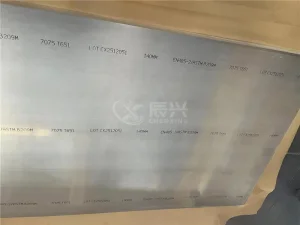
| 7075 | O, T6, T651 | 275 - 570 | 145 - 505 | Aerospace structural ribs, military components, high-performance tooling. |
Our operational capabilities are built upon three core pillars: metallurgical expertise, rigorous quality control, and an agile 8D response service framework.


Providing precision-rolled aluminum profiles and specialized sheets tailored to distinct operational demands across six key industry sectors.
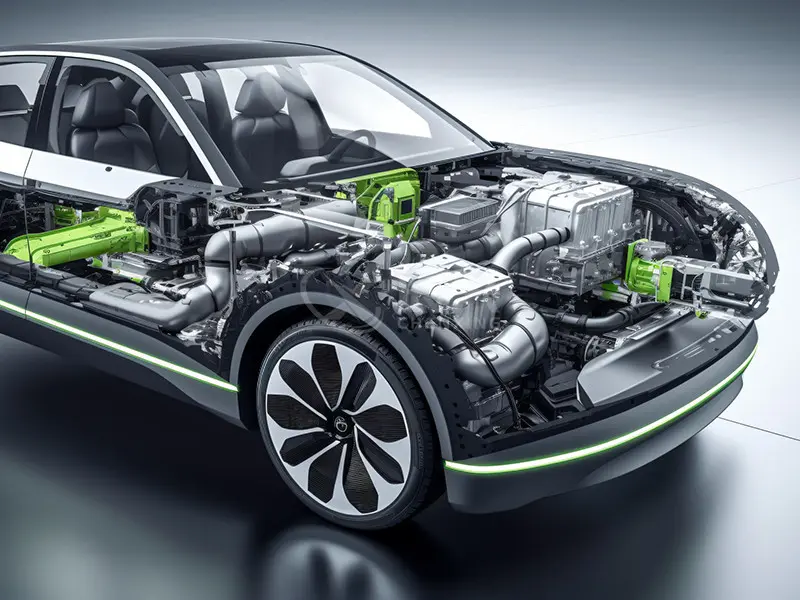
Utilizing high-tensile 5xxx and 6xxx series alloys to reduce the body-weight of commercial fleets, passenger railway compartments, and electric vehicle chassis structures.
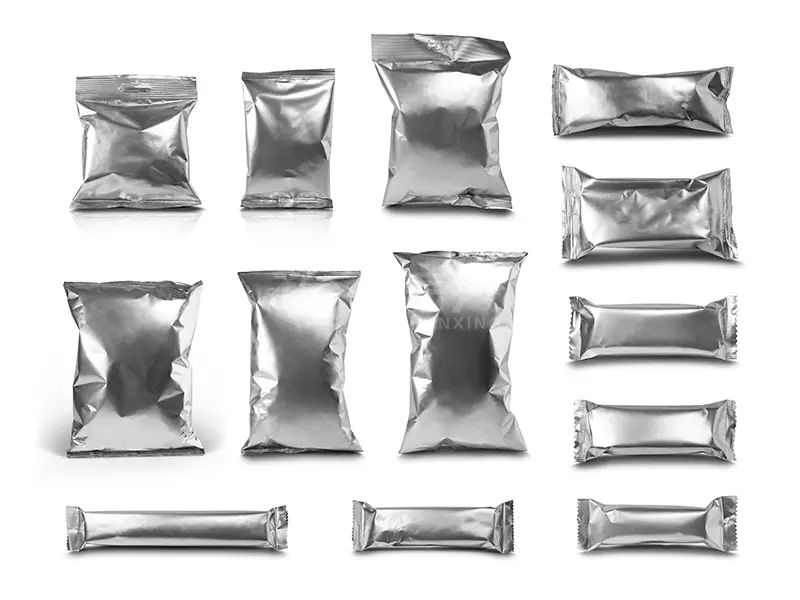
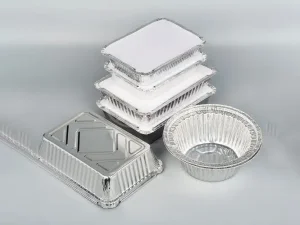
Providing high-barrier pharmaceutical-grade foil and customizable food-grade container sheets that prevent oxygen penetration and preserve chemical integrity.

Delivering high-purity battery foil and thermal-management aluminum components designed to meet the electrical conductivity demands of lithium energy storage cells.

Deploying aerospace-grade 7075 and 6082 sheets, heat-treated to exact specifications to withstand immense load stresses, fatigue, and atmospheric pressure gradients.
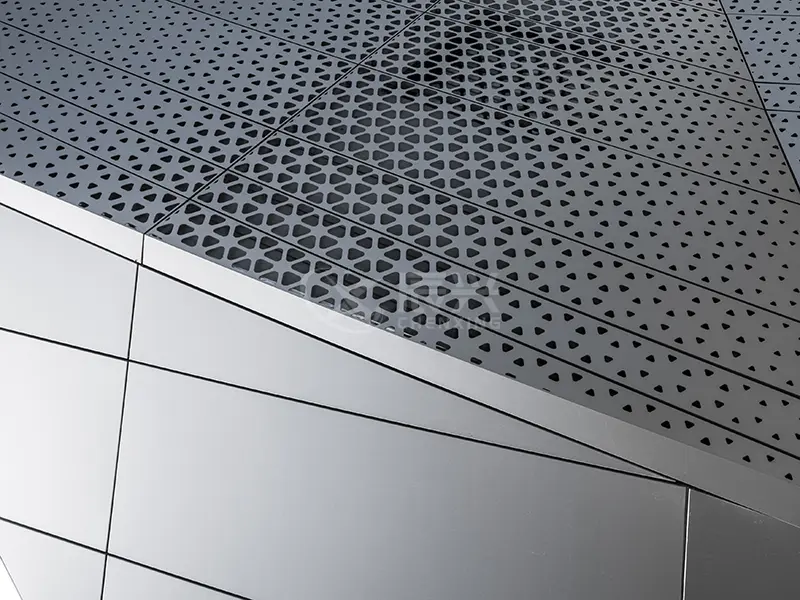
Anodized structural sheets, PVDF-coated coils, and custom structural framing offering robust resistance to environmental weathering, UV rays, and urban pollution.

Delivering brushed panels, mirror plates, and highly formable coils designed for high-end refrigerator linings, washing machines, and microwave ovens.
Global supply chain managers must systematically manage material specifications when procuring aluminum section sheets and rolled materials. A simple dimensional match is rarely sufficient to guarantee mechanical performance or long-term component lifecycle stability.
Specify the exact structural temper required. For example, selecting 6082-T6 over 6082-O changes the yield strength from approximately 85 MPa to more than 250 MPa. Ensure the factory's mill test certificates (MTC) explicitly report actual tensile tests matching ASTM B209 or EN 485 protocols.
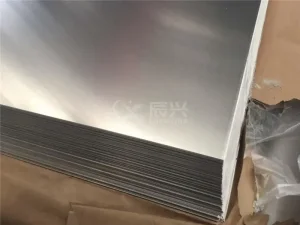
In high-speed automated laser cutting and CNC machining lines, out-of-flat sheets lead to machine crashes and dimensional variations. Always specify "tension leveled, high-flatness material" (often limited to less than 2-3 mm deviation per meter). The surface must be free from pitting, oil residue, and mechanical scratches, which is critical for components destined for surface anodizing or decorative powder coatings.
Slight deviations in trace elements—such as excessive iron content in 5052 alloys—can compromise both marine corrosion resistance and weld-line integrity. Request comprehensive spectrometer analysis results for every batch, confirming chemical composition values align with standard aluminum alloy registration parameters.
Ocean shipping exposes aluminum sheets to humid air and condensation, which can cause white rust oxidation. Request heavy-duty wooden crates, desiccant packs, and inter-leaf paper or plastic protection. Products should also be wrapped in moisture-barrier film to ensure they arrive in pristine condition.
Expert insights addressing key chemical, mechanical, and logistical questions frequently raised by global procurement and structural engineering professionals.
Stay informed on global metal export trends, battery-grade developments, and technological updates from our manufacturing facilities.
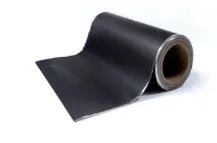
Premium factory-direct alloys configured for high-stress tooling, architectural coatings, and specialized packaging.
Whether you require custom thicknesses, unique temper processing, or large-scale wholesale supply schedules, our engineering team is here to assist.