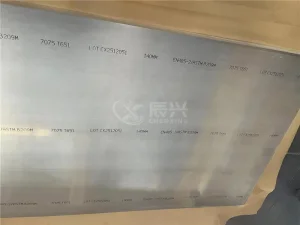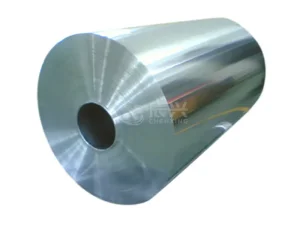
Explore our foundational range of heavy-gauge foil stock and specialized processing products engineered for structural stability, deep-drawing ductility, and severe environments.
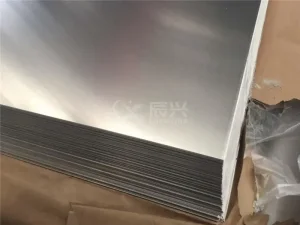
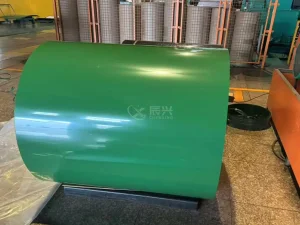
A legacy built on metallurgy precision, advanced automated control systems, and continuous delivery across more than 35 international boundaries.


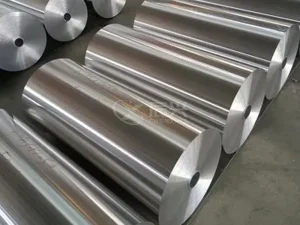
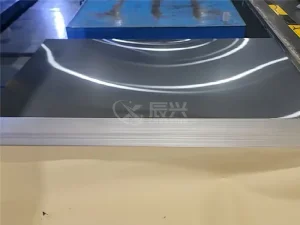
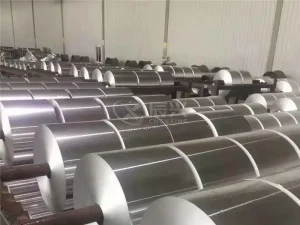
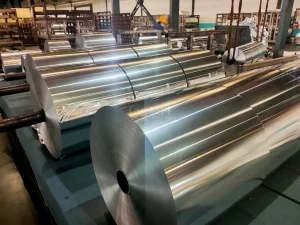
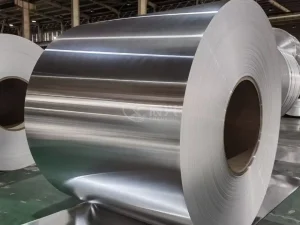
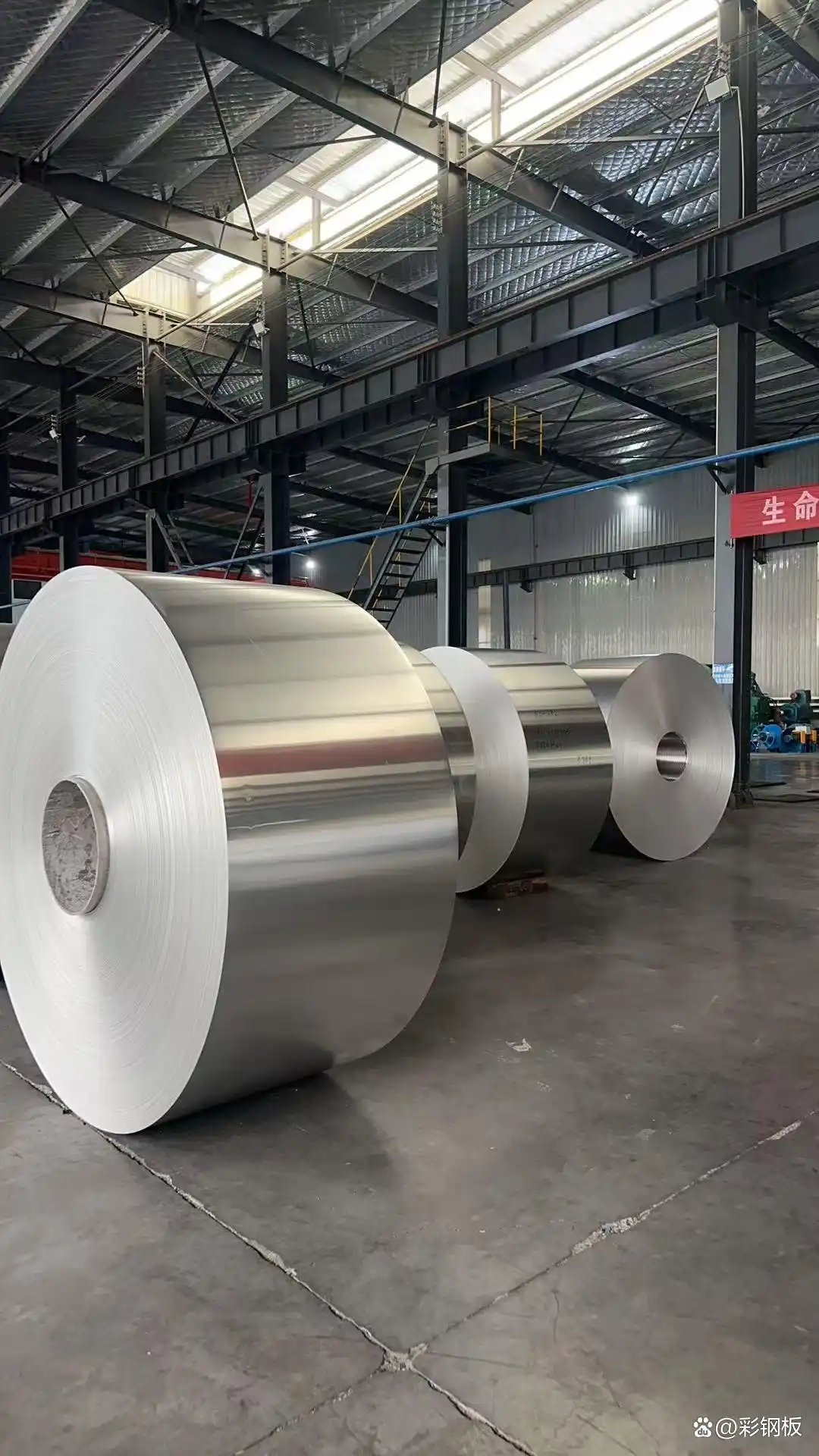
Aluminum foil stock, technically known as foil master coils, acts as the foundational raw material for processing ultra-thin down-gauged foils. Rolled from heavy structural ingots down to intermediate gauges (typically 0.2mm to 0.4mm), foil stock requires specific recrystallization structures and minimal hydrogen porosity to permit subsequent high-speed thin rolling without cracking.
To survive multiple tension reduction cycles without web breaks, the master coils must display isotropic mechanical characteristics. Our rolling mills implement specialized slab homogenization techniques to ensure that compounds of iron and silicon are finely distributed throughout the matrix. This micro-structural control drastically reduces the formation of pinholes in downstream thin foil manufacturing.
| Alloy Grade | Standard Temper | Primary Applications | Key Properties |
|---|---|---|---|
| 1235 | O / H18 | Battery Collectors, Condensers | 99.35% Min Al, high conductivity |
| 8011 | O / H14 / H24 | Household Foils, Packaging | High tensile strength & elongation |
| 8021 | O | Cold-Formed Pharma Blister Packs | Superb deep-drawing formability |
| 8079 | O / H18 | Aseptic Liquid Packs, Lamination | Optimal barrier integrity & adhesion |
| 3003 | H14 / H22 / H24 | Container Foil, HVAC Fins | Enhanced corrosion resistance & stiffness |
How direct-from-origin sourcing optimizes total acquisition cost, provides technological consistency, and ensures scale capacity.
The concentration of global aluminum extraction, refining, and continuous casting within China’s industrial sectors yields distinct benefits for global buyers. By integrating smelting, hot-rolling, and cold-rolling processes within a continuous production corridor, we avoid reheating energy costs and significantly reduce lead times.
Additionally, local supply agreements for high-grade master alloys allow us to maintain a stable cost structure despite global market volatility. Modern Chinese factories feature wide-width continuous casting operations and automated multi-stand hot finishing mills equipped with real-time automatic gauge control (AGC) systems. This advanced infrastructure produces foil stock with tight thickness tolerances across the entire coil width.
Advanced Manufacturing Controls: Our facilities employ automated flatness roll control systems (AFC) and online defect inspection systems. This reduces edge defects, camber issues, and gauge variation. As a result, our clients benefit from increased machine speeds, fewer blade adjustments during slitting, and minimal waste during high-speed lamination.
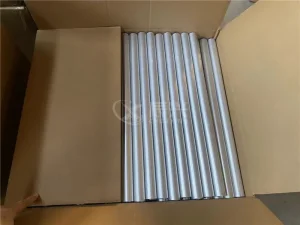
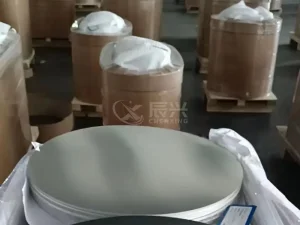
Strategic Shipping Gateways: Seamless access to major ports such as Qingdao, Tianjin, and Shanghai facilitates fast transit. We utilize specialized export packaging techniques, including wooden boxes with moisture barriers and silica gel packs, to protect products from maritime humidity and surface oxidation during transport.
Ensuring absolute traceability and meeting stringent international regulatory standards for heavy industrial, automotive, and food-grade packaging applications.
In global procurement, quality assurance is crucial. Our aluminum foil stock undergoes strict metallurgical testing before shipping. Each coil is supplied with comprehensive Material Test Reports (MTRs) detailing the chemical composition breakdown, tensile test profiles, and dimensional deviations.
For applications involving direct food contact or pharmaceutical packaging, our manufacturing processes comply with FDA regulations and European REACH standards. We use specialized, non-toxic roll lubricants that leave no dangerous residues during clean thermal annealing, ensuring clean surfaces for food processing and pharmaceutical packing.
For high-demand sectors like automotive batteries, we operate under IATF 16949 certification standards. Our production controls trace materials from the initial casting stage down to the finished coil. Additionally, we enforce rigorous surface inspection protocols to prevent carbon tracking and metallic dust contamination, protecting sensitive cell components from internal short circuits.
Global standard certification for consistent quality management systems.
Meets criteria for direct food contact and food-grade packaging materials.
Ensures products are free of restricted hazardous substances and SVHC chemicals.
Premium automotive manufacturing quality standards for battery current collectors.
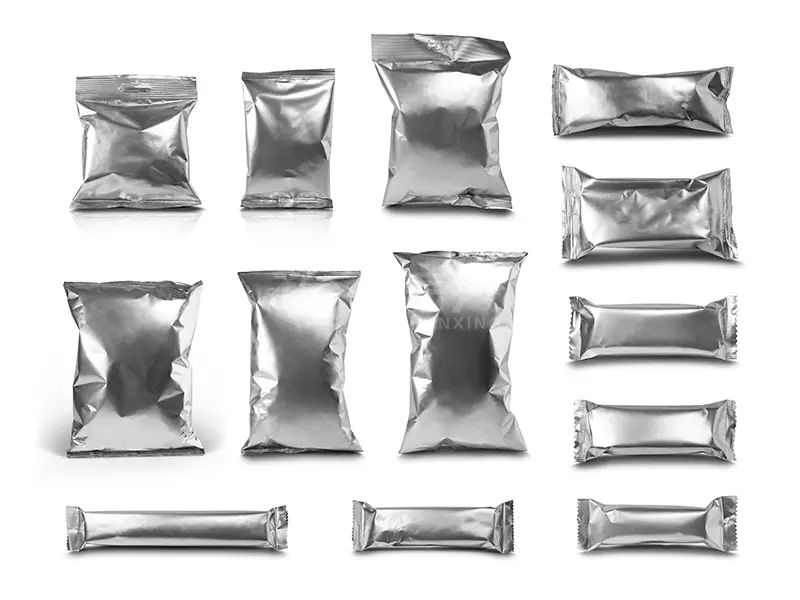
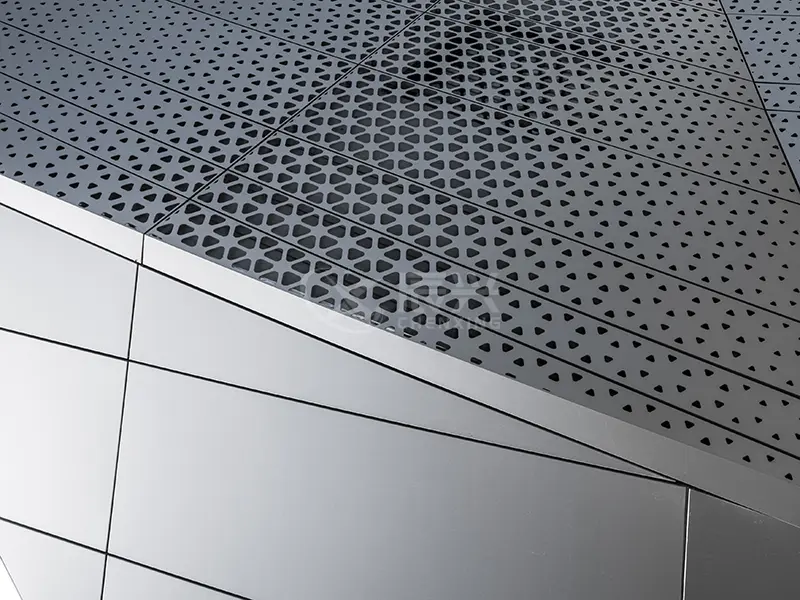
Designed for downstream processes in packaging, electronics, automotive engineering, construction, and HVAC equipment manufacturing.




Modern applications are shifting toward ultra-thin foils, which require precise manufacturing controls. In EV battery manufacturing, current collectors are down-gauged to 9-12 microns to increase battery energy density. This demands foil stock with refined grain structures to prevent surface cracking during high-speed rolling.
Additionally, sustainable production is increasingly vital. Using low-carbon smelting processes powered by hydroelectricity helps global manufacturers meet strict environmental standards. Our focus on optimizing foil stock rolling efficiency aligns with global supply chain goals for carbon reduction and raw material tracking.
To produce highly workable O-temper and partially annealed H22/H24 temper alloys, we utilize computer-controlled gas-fired annealing furnaces. Precise temperature management ensures uniform mechanical properties across the entire coil, minimizing variation from the outer wraps to the core.
This process reduces variation in tensile strength, allowing converters to run high-speed unwinding lines without tearing. Our advanced degreasing lines also ensure dry, lubricant-free surface finishes, which are essential for optimal adhesion in subsequent coating or laminating steps.
For inquiries about our products or pricelist, please leave your contact details and our metallurgical engineers will reach out within 24 hours.
Access our library of technical articles, news updates, and analyses covering aluminum processing, metallurgy, and global supply chain dynamics.
Find answers to common technical, metallurgical, and logistical questions about sourcing aluminum foil stock.
A: Pinholes are typically caused by hydrogen porosity or hard intermetallic compounds. We control this by utilizing online ceramic foam filtration and rotor degassing systems, which keep hydrogen levels below 0.12 mL / 100g Al. We also adjust our homogenization temperatures to keep iron-bearing phases small and well-dispersed, minimizing structural defects during subsequent rolling passes.
A: Equipped with AGC systems and Honeywell thickness sensors, our mills achieve thickness tolerances of ±2% for master foil stock. This precision helps prevent strip breakage and uneven tension during high-speed unwinding.
A: The 8021 O-temper alloy features a refined grain structure and high elongation (>20%), providing excellent deep-drawing and cold-forming properties. This allows it to stretch into complex blister shapes without cracking, maintaining a reliable barrier against moisture and light.
A: We package coils using a robust multi-layer barrier system. Coils are wrapped in plastic film, followed by heavy-duty kraft paper and a heat-sealed aluminum foil laminate bag containing silica gel desiccant. The entire assembly is suspended inside a sturdy wooden crate to prevent contact with moisture and physical damage.
A: Residual oil can hinder adhesion, leading to delamination over time. We prevent this by conducting thermal annealing at temperatures above 320°C in a controlled atmosphere, which evaporates rolling lubricants and leaves a clean, dyne-test-compliant surface suitable for water-based adhesives and coatings.
A: Yes, we supply hydrophilic aluminum foil stock pre-coated with specialized organic coatings. These coatings reduce the water contact angle, preventing condensation bridging on the heat exchanger fins and improving the overall thermal efficiency of HVAC units.
Explore our structural plate profiles, functional wall trims, coated coils, and high-purity aluminum circles designed for deep-draw forming and industrial applications.