
Explore our technical range of high-alloy sheets, precision circles, pharmaceutical-grade foils, and coated color coils engineered to meet rigorous ISO standards.
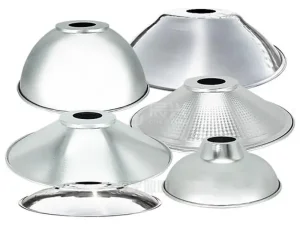
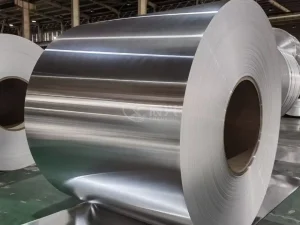
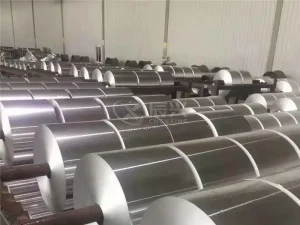
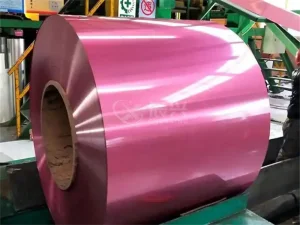
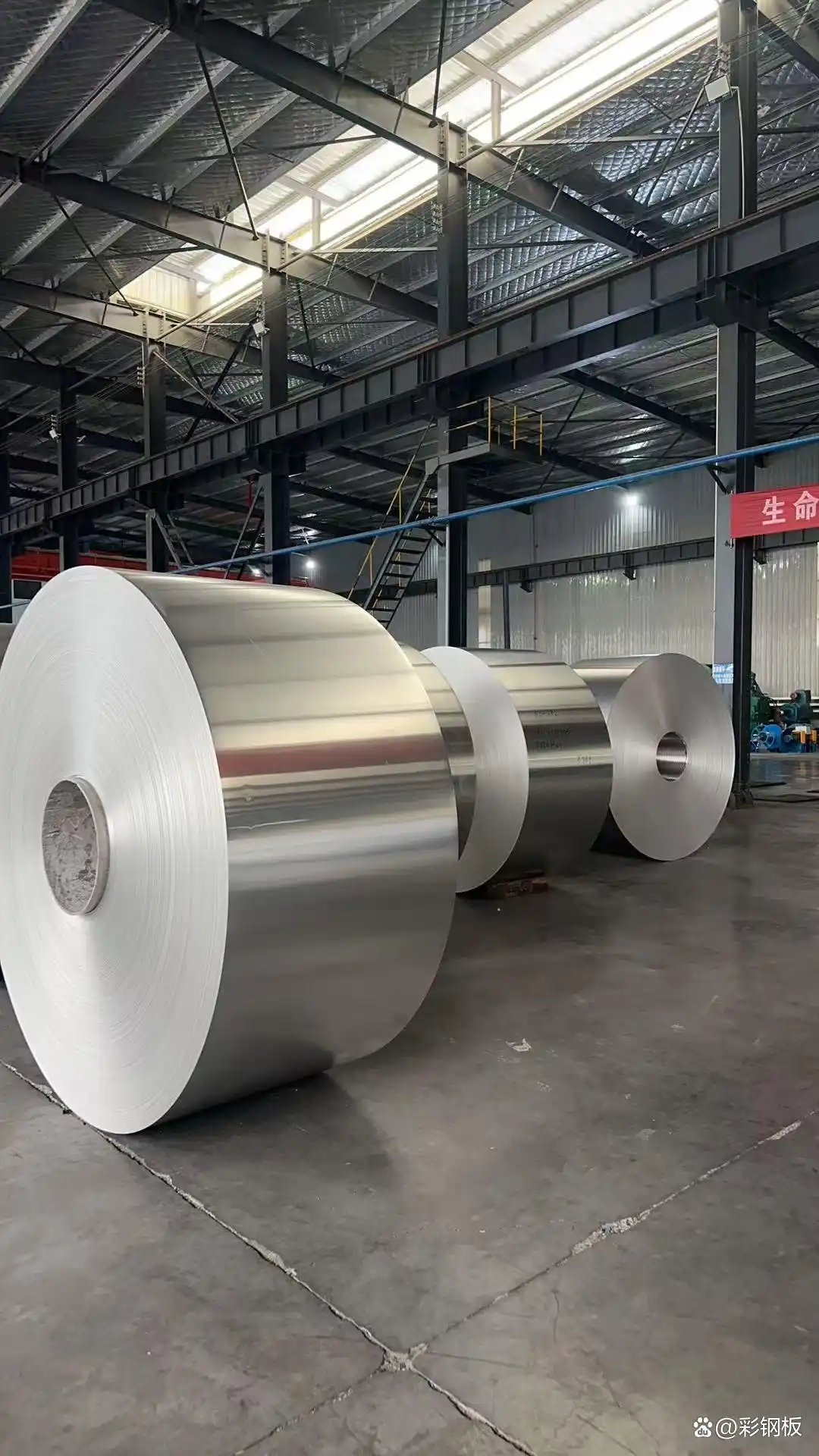
In the modern manufacturing sector, the choice of raw materials underpins the reliability, structural integrity, and durability of the finished product. Aluminum coil rolls represent a cornerstone raw material across transportation, electronics, food service, pharmaceuticals, and green energy infrastructure. Standardizing chemical compositions, thickness tolerances, mechanical elongations, and corrosion inhibitors is critical for global industrial enterprises. As a primary manufacturer based in China, we integrate vertical production capabilities to support direct-chill (DC) and continuous-casting (CC) output options, aligned strictly to international standards including ASTM B209, EN 485, and JIS H4000.
Understanding chemical compositions and structural characteristics is essential for selecting the correct aluminum alloy. The list below clarifies performance thresholds for our primary alloys.
| Alloy Series | Core Alloys | Key Elements | Primary Mechanical Benefits | Standard Industrial Applications |
|---|---|---|---|---|
| 1xxx Series | 1050, 1060, 1100 | 99.0%+ Pure Al | Outstanding electrical/thermal conductivity, high ductility, superb corrosion resistance. | Transformer windings, chemical hardware, HVAC fins, lighting reflectors. |
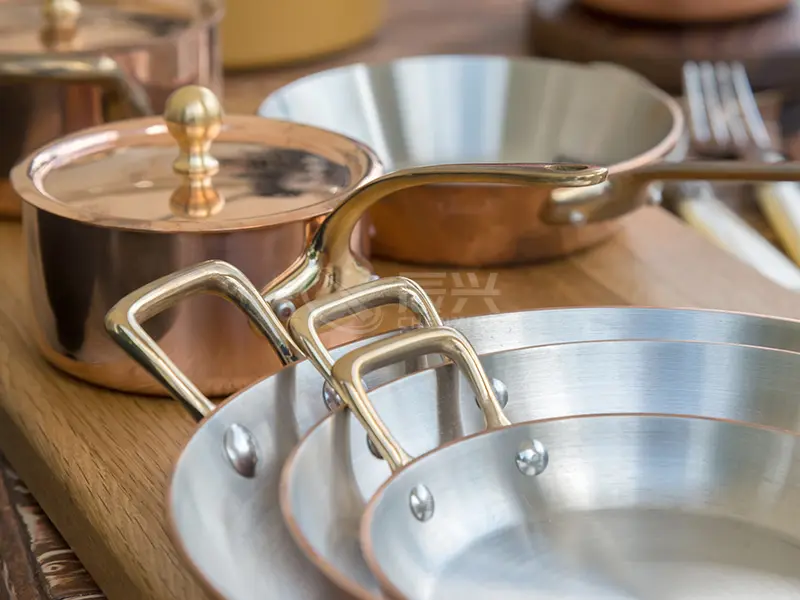
| 3xxx Series | 3003, 3105, 3004 | Al-Mn (Manganese) | 20% stronger than 1xxx series, excellent workability, high formability. | Cookware clad plates, structural cladding, vehicle heat shields. |
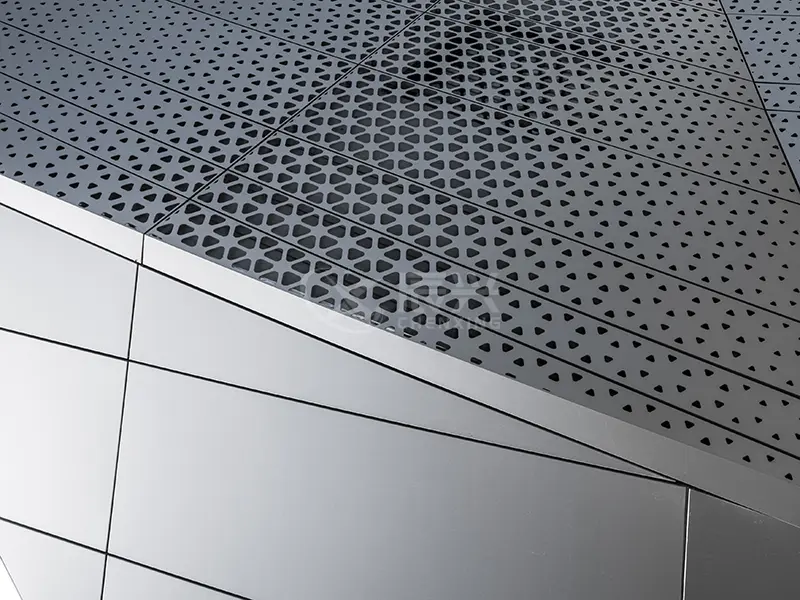
| 5xxx Series | 5052, 5754, 5083 | Al-Mg (Magnesium) | Excellent resistance to marine corrosion, high weldability, superior fatigue limits. | Shipbuilding hulls, pressure vessels, automotive structural panels. |
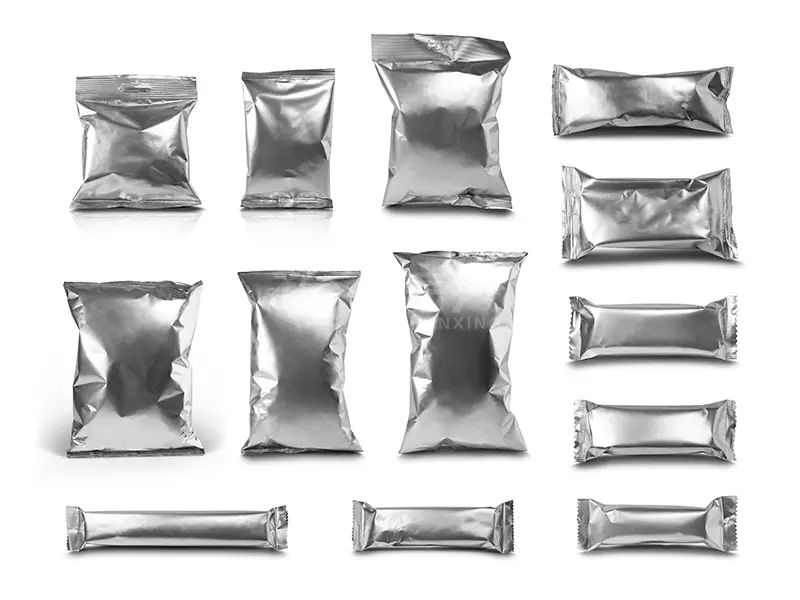
| 8xxx Series | 8011, 8021, 8079 | Al-Fe-Si | High tensile strength in ultra-thin gauges, barrier properties, tear resistance. | Pharmaceutical blister packs, container foil, heat exchanger ducts. |
Technological shifts, supply chain developments, and changing environmental regulations impact industrial applications of aluminum.
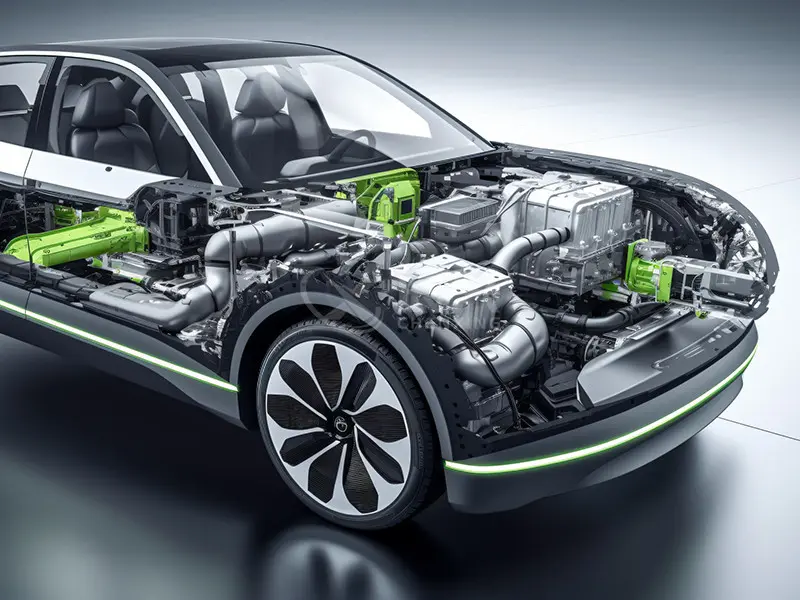
The demand for high-purity aluminum foil has grown with the expansion of electric vehicles. As a cathode current collector in lithium-ion batteries, battery-grade foil requires precise thickness tolerances and clean surface profiles to prevent internal short circuits.
Decarbonizing supply chains is an ongoing challenge. With initiatives like the EU's Carbon Border Adjustment Mechanism (CBAM), sourcing low-carbon primary aluminum and high-recycle-content alloys is a priority for sustainability-focused enterprises.
Modern packaging, cladding, and deep-drawing processes require tight dimension controls. Manufacturers use automated Automatic Gauge Control (AGC) systems to monitor strip properties during high-speed rolling.
Technical expertise, robust infrastructure, and quality control systems designed for demanding industrial partnerships.
Developing smelting, cold-rolling, heat-treatment, and surface finish processing workflows.
Delivering high-alloy aluminum coils to manufacturers in North America, Europe, ASEAN, and LATAM.

Utilizing inline eddy-current testing, flatness sensors, and pinhole detectors for batch traceability.

Providing 8D corrective action reporting for quality issues within 24 hours of submission.
Our aluminum solutions are engineered for demanding operating conditions across major industrial sectors.


Ensuring stability in metal structures requires continuous quality monitoring. Our facility utilizes a multi-step quality assurance framework to verify that every coil shipped meets technical parameters.
Our mills feature Automatic Gauge Control (AGC) systems, maintaining cold-rolled thickness tolerances down to ±0.005mm. This consistency helps prevent issues during high-speed stamping and punching processes.
We use automated surface inspection systems (ASIS) to identify defects like oil spots, scratches, roll marks, and edge cracks in real-time, helping to prevent material failures during downstream processing.
Each batch undergoes testing for yield strength, ultimate tensile strength (UTS), and percentage elongation. This data is recorded on the Mill Test Certificate (MTC) supplied with the delivery.
For high-barrier pharmaceutical packaging (e.g., 8011/8021 alloys), laser detection systems identify micro-pinholes, helping to protect sensitive components from moisture and light exposure.
Industrial aluminum coil sourcing requires consideration of international trade compliance. Navigating fluctuating import duties, regional tariffs, and ESG requirements is critical for global supply chains.
Our export department manages custom documentation, packaging standards, and compliance filings for international markets. We use moisture-proof sea freight packaging—including heavy-duty wooden pallets, steel strapping, and desiccant packs—to prevent oxidation during transit. For European clients, we provide verified carbon intensity reports to assist with Carbon Border Adjustment Mechanism (CBAM) declarations, helping to verify that the carbon footprint of imported goods matches EU environmental standards.
To address shifting industrial requirements, our facility employs advanced metal processing technologies.
We operate both casting paths. Direct Chill (DC) casting yields a fine grain structure suited for high-deformation applications like deep drawing. Continuous Casting (CC) provides cost-effective manufacturing for standard structural work.
Our tension-leveling lines help eliminate residual stresses within the metal, delivering flat strips designed to prevent distortion during high-speed laser cutting or slitting.
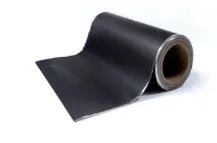
We provide prepainted options featuring multi-layered PVDF or PE paint systems, offering resistance to UV radiation, chemical exposure, and mechanical wear.
Detailed answers to technical and procedural questions regarding aluminum sourcing, quality standards, and logistics.
We use continuous tension-leveling lines that apply mechanical tension and bending deformation simultaneously. This process relieves internal stress, minimizing waviness and oil canning. We measure flatness in I-units to verify compliance with ASTM and EN standards.
Direct Chill (DC) casting involves hot rolling, which yields a fine grain structure and isotropic mechanical properties, making it suitable for deep drawing. Continuous Casting (CC) bypasses hot rolling, providing a cost-effective alternative for standard forming and bending applications.
We use export-grade packaging consisting of a vapor-corrosion inhibitor (VCI) film, heavy-duty plastic wrapping, desiccant packs, and durable kraft paper. The coils are secured on wooden pallets with steel bands, helping protect the metal from marine humidity.
Every shipment includes a Mill Test Certificate (MTC) detailing the heat number, chemical composition (by optical emission spectrometry), tensile strength, yield strength, elongation, and conformance to ASTM B209/EN 485 specifications.
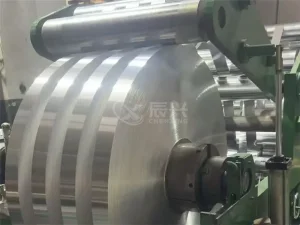
Yes, our processing facility operates high-speed slitting lines capable of dividing master coils into narrow strips down to 8mm in width, maintaining slitting width tolerances as low as ±0.1mm.
Yes, our alloys are processed without restricted hazardous substances, ensuring compliance with REACH and RoHS standards. We provide third-party verification reports upon request.
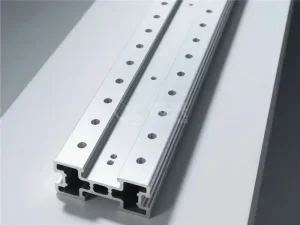
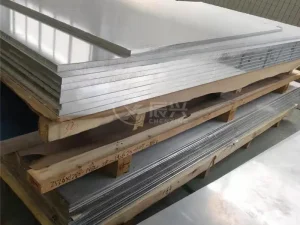
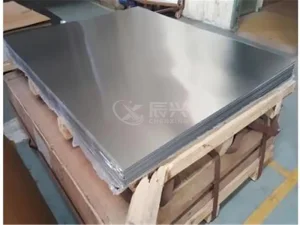
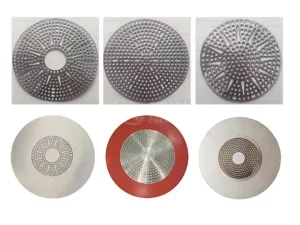
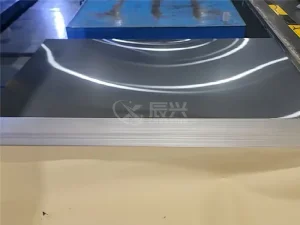
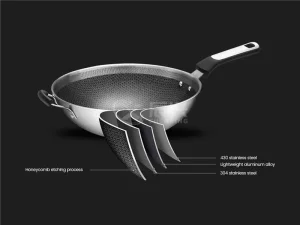
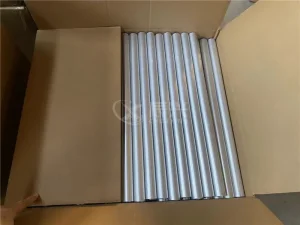
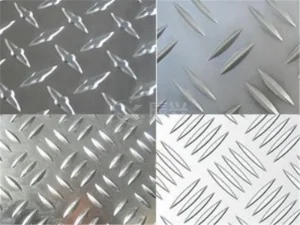
We provide high-precision hollow profiles, clad cookware discs, heavy-duty sheets, and custom embossed sheets for diverse industrial applications.
Updates on market trends, battery foil production, and global export shipping developments.
Contact our engineering sales team to request mechanical test data sheets, chemical analyses, custom pricing schedules, or sample coils.
Request Technical Quote & Samples