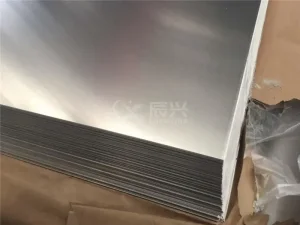
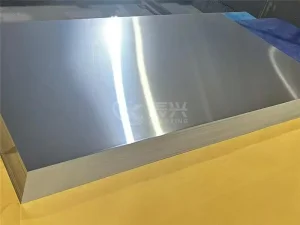
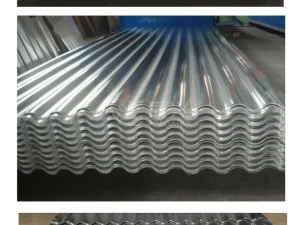
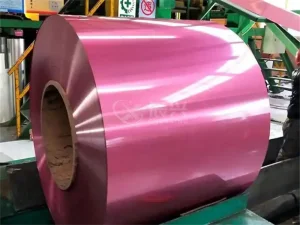
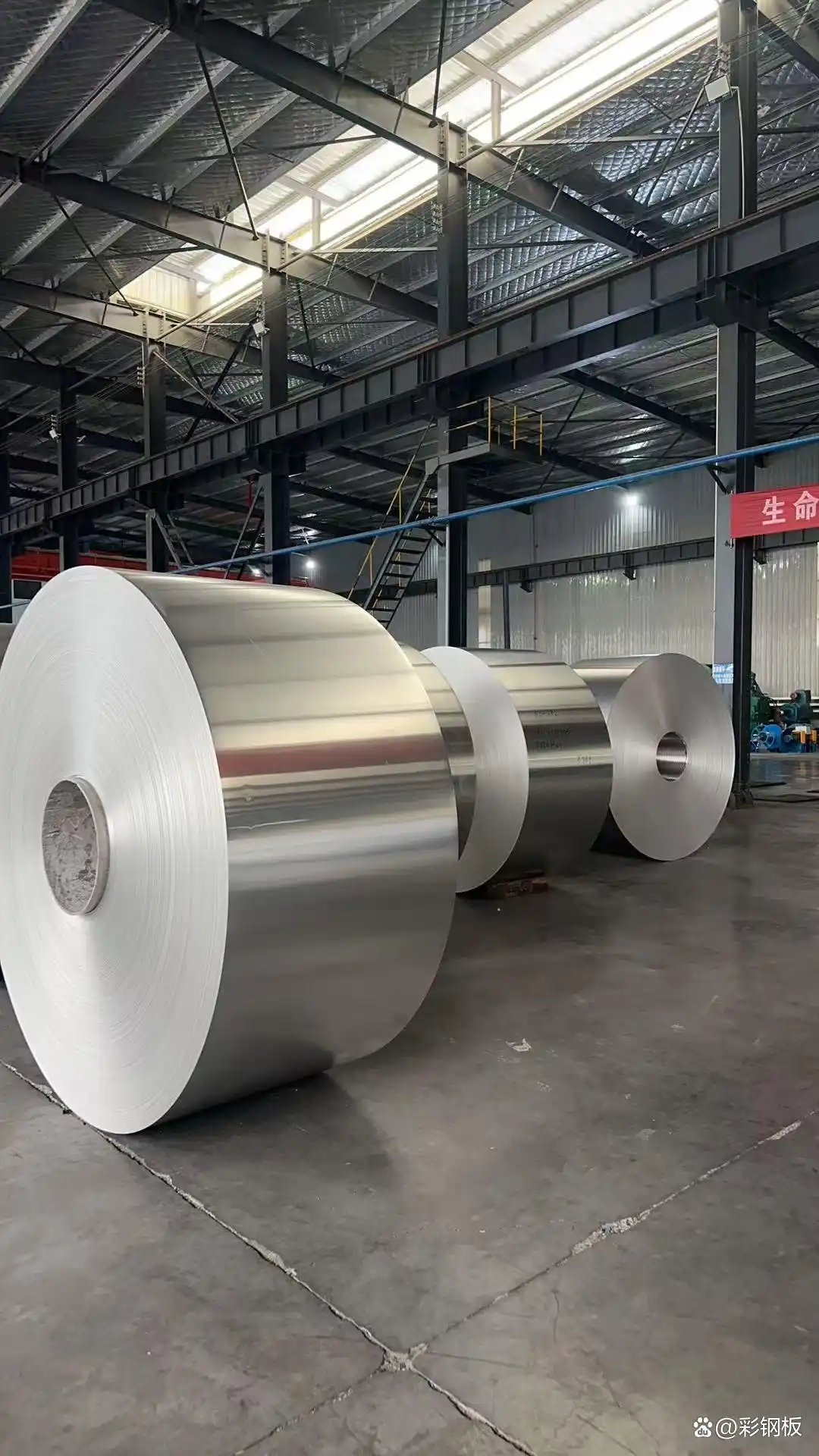
Explore our state-of-the-art aluminum products manufactured under strict aerospace and industrial standards.
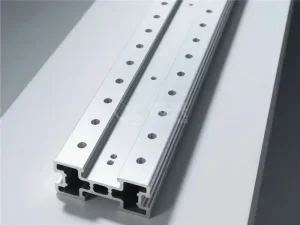
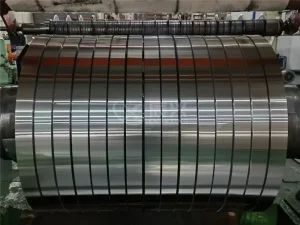
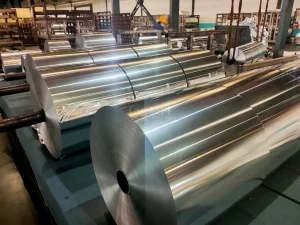
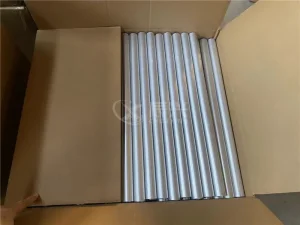
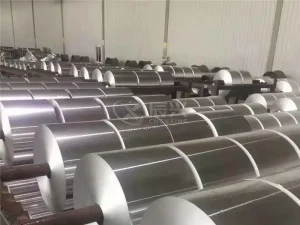
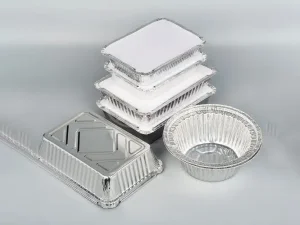
Decades of manufacturing excellence backed by world-class testing and global logistics infrastructure.


A deep analysis of metallurgy, manufacturing tolerances, global compliance, and future technical roadmaps.
In the modern industrial landscape, aluminum (Al) sheet metal has emerged as a cornerstone material. As global supply chains mature, procurement officers, mechanical engineers, and CTOs increasingly rely on Chinese manufacturers to deliver high-precision sheet metal solutions. This technical document provides systemic information on sourcing, metallurgical grades, manufacturing methods, and global quality control frameworks.
Global industries demand rigorous consistency in alloy chemistry. A primary challenge in international purchasing is raw material trace element control (e.g., controlling iron and silicon content in 5000 and 6000 series aluminum to prevent cracking during severe bending operations). Leading Chinese manufacturers solve this via strict spectral analysis during direct casting.
Precision sheet metal processing requires understanding springback coefficients. Aluminum has a lower modulus of elasticity compared to steel, resulting in larger springback during bending. CNC press brakes equipped with real-time laser angle-measuring systems are deployed to adjust punch depth dynamically, securing sub-degree dimensional accuracy.
Choosing the correct aluminum grade dictates the performance of the final component. 1000 Series (e.g., 1050, 1100) offers excellent electrical conductivity and corrosion resistance but lower structural strength. 3000 Series (e.g., 3003) is widely used for deep drawing and HVAC applications. 5000 Series (e.g., 5052, 5754) features exceptional marine-grade corrosion resistance and high weldability. 6000 Series (e.g., 6061, 6082-T6) serves structural applications due to its heat-treatable strength properties.
How our custom fabricated aluminum components drive performance across critical global sectors.
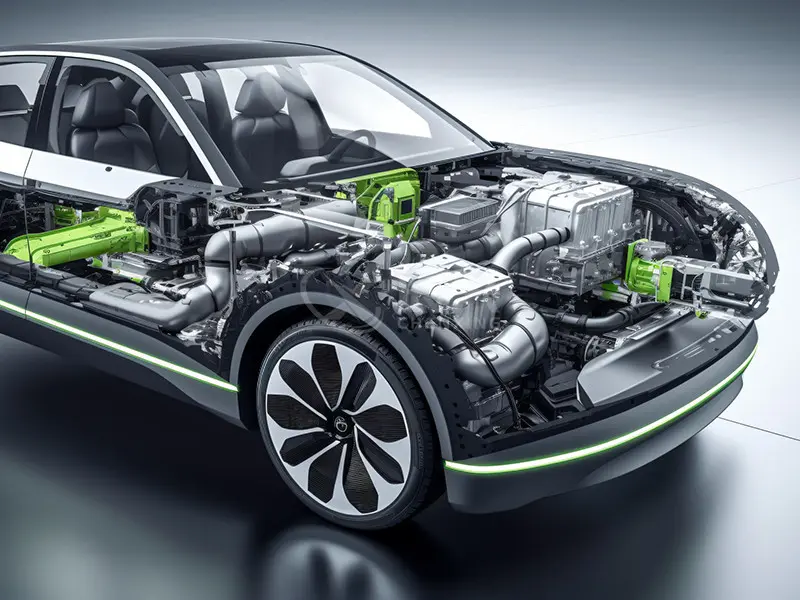
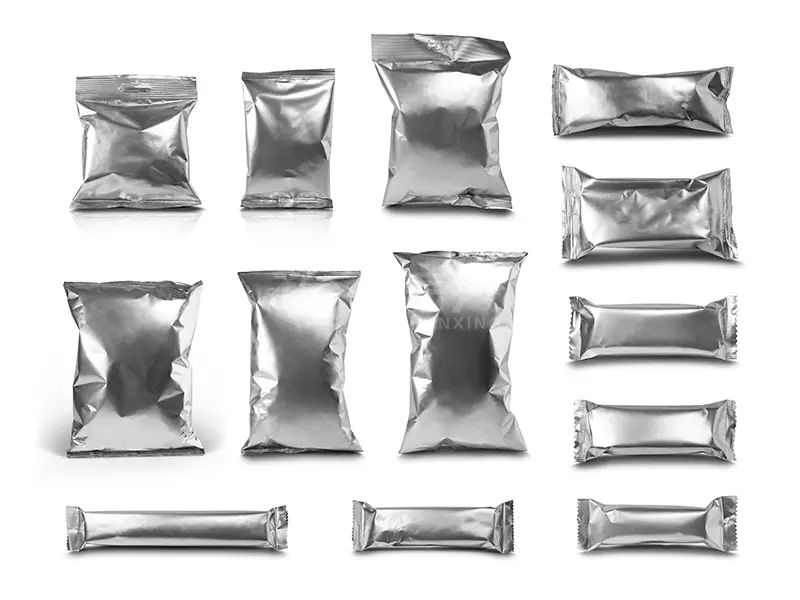
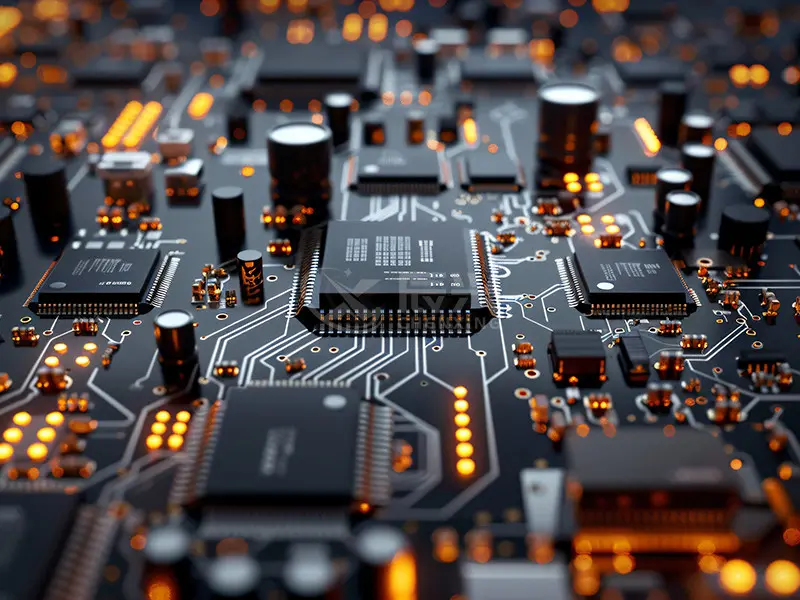

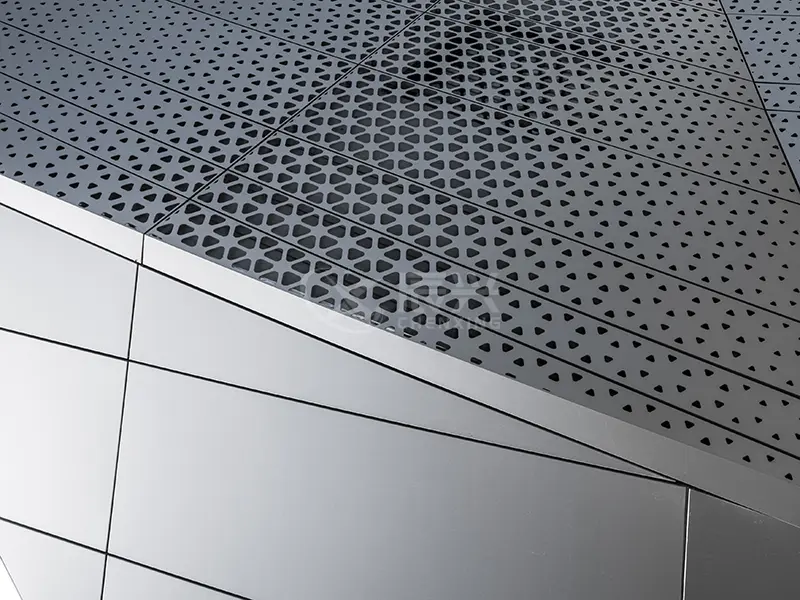
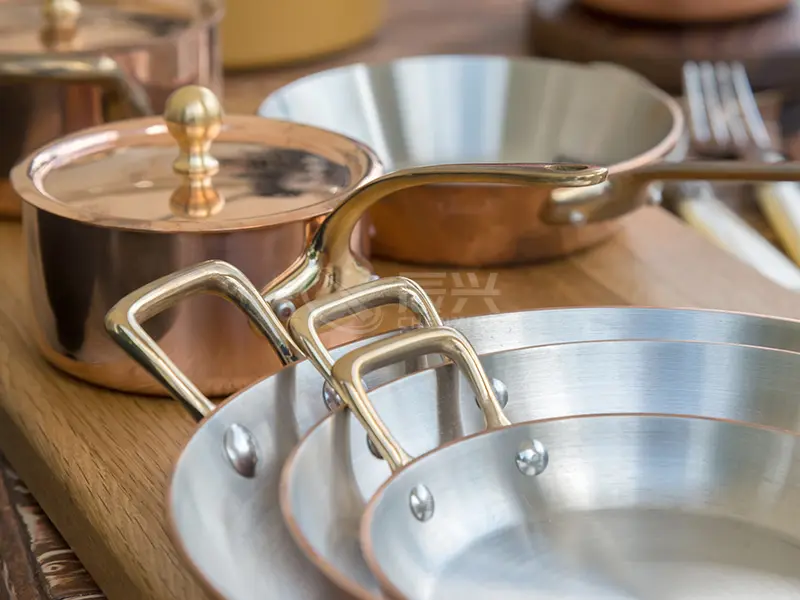
Aligning advanced engineering practices with international regulatory frameworks and logistics requirements.
We satisfy strict international criteria, including ISO 9001:2015, IATF 16949 for automotive EV chassis, CE marking for European markets, and RoHS/REACH environmental compliance certificates.
Integrating CAD/CAM software direct to Bystronic fiber lasers and Trumpf CNC punch machines reduces set-up times and material scrap rates while maintaining +/- 0.05mm tolerances.
In compliance with global carbon footprint reduction targets, our factory sources aluminum produced via hydroelectric energy, minimizing embedded Scope 3 greenhouse gas emissions.
Answers to common technical, commercial, and logistics questions from procurement specialists.
Alloy 5052-H32 and 5754 are widely recommended. Their high magnesium content grants superior resistance against saline environments, pitting, and general oxidation compared to structural 6000 series aluminum.
We manufacture according to ISO 2768-f (fine) for CNC machined features and ISO 2768-m (medium) for general sheet metal bend features. Custom tighter tolerances can be achieved through specialized design tooling.
We offer a rapid prototyping pipeline, producing functional samples using laser-cutting and low-run tooling within 3 to 5 business days, backed by 3D optical scanning reports.
We employ a robust 8D Response Team framework. Standard fabrication requests accompanied by clear 3D CAD models (STEP/IGES) are quoted with full DFM analysis within 24 hours.
Stay informed with the latest developments in metallurgical science, global shipping trends, and factory expansion.
For inquiries about our products or customized price lists, please send us your requirements. Our engineering team will contact you within 24 hours.
Submit NowPremium quality plates, coils, and specialty engineered aluminum alloys for structural and architectural demands.