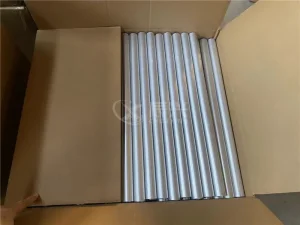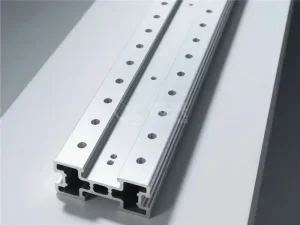
Direct supply from China's leading mills engineered for optimal heat dissipation, structural integrity, and durability.
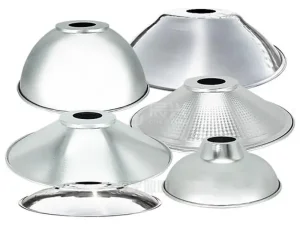
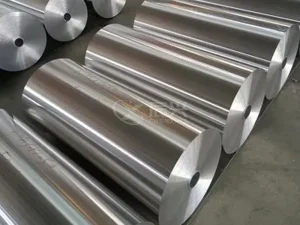
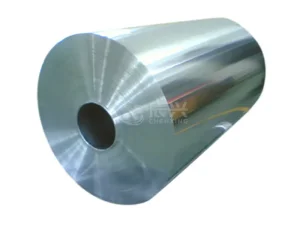
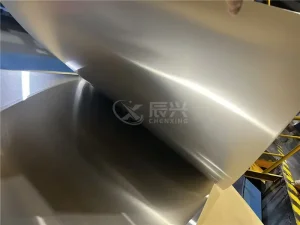
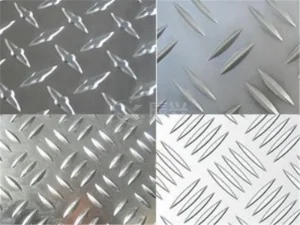
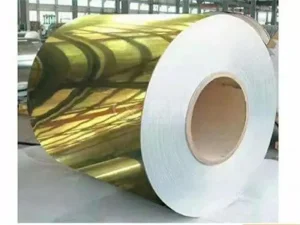
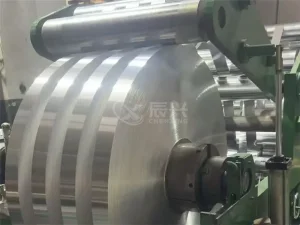
A comprehensive examination of global commercial requirements, mechanical challenges, and strategic material choices.
In modern high-performance thermal systems, the selection of the correct fin material directly governs system efficiency. Bare aluminum foil has largely been replaced in premium residential and industrial condensers and evaporators by hydrophilic-coated variants. Our factories utilize advanced chemical conversion methods to ensure a water contact angle of less than 10 degrees, effectively preventing droplet bridging and guaranteeing continuous airflow.
The commercial and industrial HVAC/R (Heating, Ventilation, Air Conditioning, and Refrigeration) sector has experienced a monumental paradigm shift over the past decade. Rapid urbanization, strict eco-design policies (such as the EU's ErP Directive), and the accelerating growth of data center thermal management applications have placed heavy demands on heat exchanger technology. At the center of this structural change is the air conditioner aluminum foil—specifically hydrophilic and epoxy-coated foils. These advanced metal foils serve as the foundational fin stock for plate-fin and microchannel heat exchangers.
According to thermodynamic research, fin efficiency contributes up to 45% of the overall heat transfer coefficient in a cross-flow air-to-refrigerant coil system. As thermal engineers push the boundaries of energy efficiency ratios (EER) and Seasonal Coefficient of Performance (SCOP), manufacturing defects like gauge variance, high mechanical anisotropy, or inconsistent coating thicknesses are no longer acceptable. Consequently, global buyers are shifting their sourcing strategies toward integrated Chinese manufacturers who can provide ultra-thin, highly consistent foils with superior corrosion resistance.
Understanding the chemical composition and mechanical properties of different aluminum alloys is critical for optimizing downstream press stamping, drawing, and collar-forming operations. Below is the verified metallurgical matrix from our manufacturing lines:
| Alloy Grade | Typical Temper | Tensile Strength (MPa) | Yield Strength (MPa) | Elongation (%) | Primary Industrial Applications |
|---|---|---|---|---|---|
| 8011 | H22 / H24 | 120 - 165 | 90 - 120 | ≥ 12% | Residential Evaporators, Complex-drawn Fin Stock, Hydrophilic Fins |
| 3003 | H24 / O | 140 - 200 | 115 - 160 | ≥ 10% | Commercial Heat Exchangers, Automotive Radiators, High-Vibration Systems |
| 1100 | H24 | 110 - 150 | 85 - 110 | ≥ 8% | Standard Heat Sinks, Light Duty Air Conditioning Condensers |
| 1050 / 1060 | H18 / H22 | 95 - 130 | 75 - 100 | ≥ 5% | High Electrical & Thermal Conductive Elements, Basic Fin Stock |
The integration of precise amounts of Iron (Fe) and Silicon (Si) within the 8011 formulation allows for the formation of uniform intermetallic particles, which act as grains refiners during recrystallization. This enables our foil to achieve a highly balanced mechanical property curve, minimizing ear rate during drawing and collar height variations.
Exploring the chemical barrier technologies that define modern high-efficiency heat exchangers.
Degreasing at high temperatures with alkaline baths, followed by acid washing to remove surface oxides. This establishes a clean metallic surface, ensuring maximum adhesion for chemical conversion coatings.
Applying chromium-free, eco-friendly chemical conversion compounds. This creates a dense, microscopically rough layer that locks in subsequent organic topcoats while serving as the primary barrier against galvanic corrosion.
Applying a uniform layer of hydrophilic polyurethane or acrylic resin. The cured film possesses polar functional groups that lower the surface energy, maintaining a water contact angle of less than 10 degrees.
Thermal curing inside specialized multi-zone air flotation ovens. Precise temperature profiles guarantee cross-linking without compromising the mechanical tempering of the underlying aluminum coil.
By utilizing a continuous coil-coating process, our factories maintain a dry film thickness (DFT) tolerance of ±0.2 μm across the entire width of the web. This prevents uneven drying and variation in thermal performance during stamping. In humid coastal regions or highly polluted cities, standard bare foil oxidizes quickly, creating "white rust" (aluminum hydroxide) that reduces efficiency. In response, our labs developed a specialized epoxy-coated foil (Gold Fin / Blue Fin). This uses a modified epoxy phenolic layer to withstand over 1,000 hours in neutral salt spray testing (ASTM B117), extending the operational lifespan of systems by up to 300%.
Combining automated heavy industrial capability with strict quality control to deliver global confidence.
China's dominant position in the global aluminum supply chain is built on vertical integration. Our factories are situated in primary industrial clusters, granting us direct access to high-purity aluminum smelters. This layout bypasses the costs of inter-province raw material transport and reduces the energy footprint of melting solid ingots, as we can draw molten metal directly from nearby refineries.
Additionally, our mills utilize advanced cold-rolling processes equipped with AGC (Automatic Gauge Control) and AFC (Automatic Flatness Control) systems. These technologies continuously monitor strip quality at speeds up to 1,500 meters per minute. The resulting efficiency allows us to absorb global raw material fluctuations and guarantee stable, predictable pricing for our international partners.
Providing specialized solutions across challenging operating environments worldwide.
Extremely flat, high-conductivity foil and sheets designed for PCB backing, thin-film thermal pads, and electromagnetic shielding enclosures.
Optimized for automotive cooling fins, electric vehicle battery cooling plates, and structural components requiring excellent strength-to-weight ratios.
Alloys with tight grain structure control, certified to withstand critical pressure variations and low-temperature thermal cycling.
Weatherproof, corrosion-resistant cladding, profile extrusions, and roofing materials designed for decades of low-maintenance service.
Ultra-thin barrier foils that prevent light, moisture, and chemical migration, preserving food, pharmaceutical, and technical assets.
Specialized foil variants optimized for refrigerator evaporators, air ducts, toaster linings, and high-efficiency home HVAC units.
To meet the demand for increasingly thinner materials, our factories have introduced AI-driven rolling mills. These systems dynamically adjust rolling force and tension based on real-time thickness and profile measurements. This closes the feedback loop in milliseconds, allowing us to roll foils down to 0.08 mm while maintaining high yield strength.
At the same time, environmental compliance has become a core element of modern manufacturing. Our pre-treatment lines have transitioned to completely chromium-free conversion systems. This eliminates hexavalent chromium (Cr VI) from our processes, ensuring our products comply with RoHS and REACH regulations and helping our clients meet their environmental targets.
Every batch of aluminum foil undergoes strict laboratory testing before shipping:
Cupping Test: Evaluates formability and drawing capability during collar forming.
Salt Spray Test: Exposes coated foils to a saline environment (ASTM B117) to verify corrosion resistance.
Contact Angle Test: Measures the wetting properties of hydrophilic coatings using optical goniometer equipment.
Stay up to date with metallurgical breakthroughs, market dynamics, and factory supply capabilities.
An analysis of shipping routes, trade policy impacts, and our increased production capacity designed to meet overseas demand.
A look at the cleanroom processing and precise tolerances required to supply anode foil for electric vehicles.
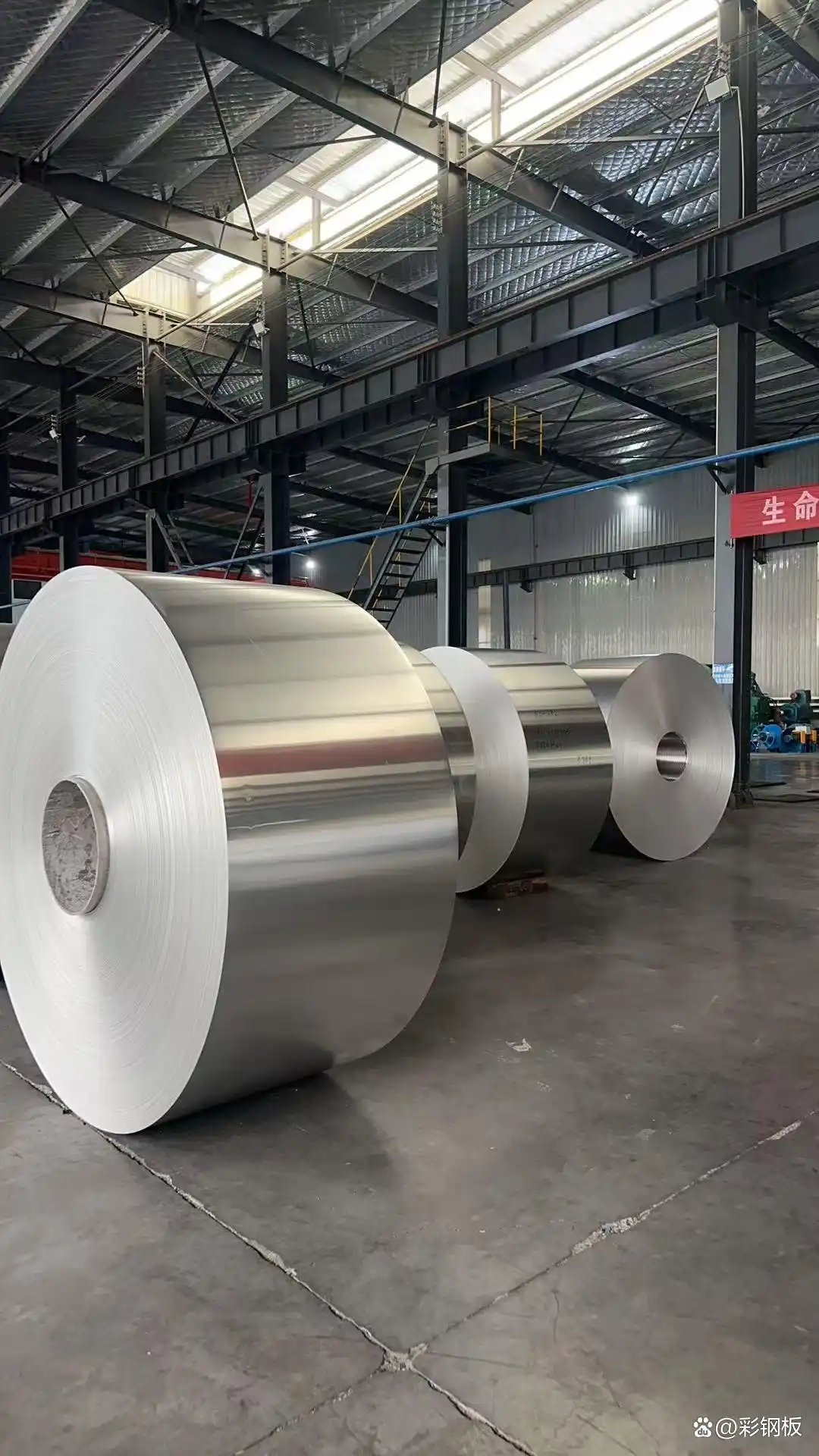
An evaluation of how the growth of green building standards and HVAC efficiency goals is driving the demand for high-grade alloys.
Explore our comprehensive selection of aluminum materials, configurations, and surface treatments.
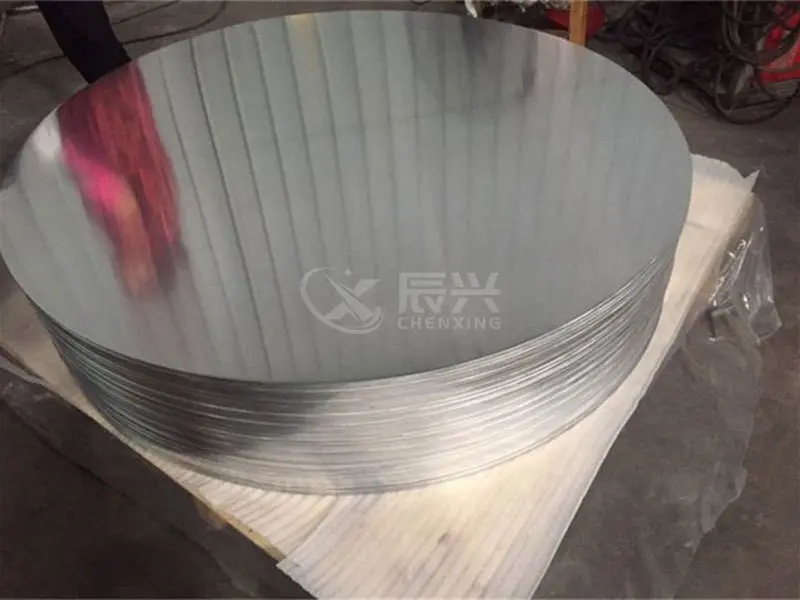
High ductility, pure alloy circles optimized for deep drawing, lighting fixtures, and culinary cookware manufacturing.
Technical Specifications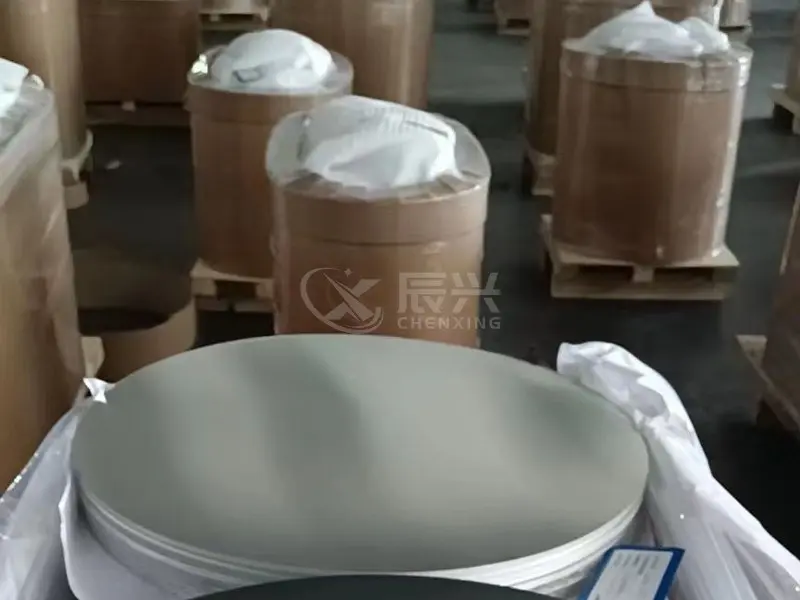
Manganese-doped alloy circles offering higher mechanical strength, excellent corrosion resistance, and spin-forming properties.
Technical Specifications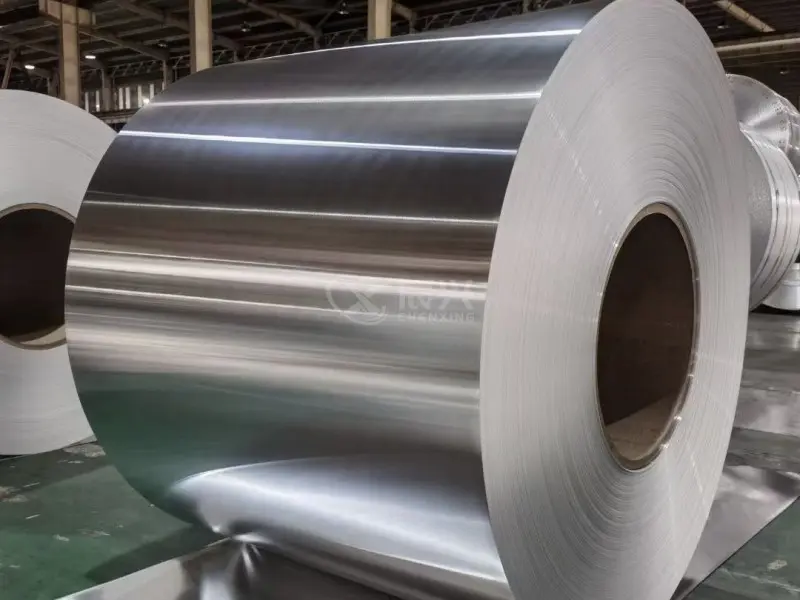
High-grade master coils in 1xxx, 3xxx, 5xxx, and 8xxx series, suitable for high-speed continuous industrial stamping.
Technical SpecificationsFeaturing a premium linear brushed texture and protective film, perfect for upscale interior panels and consumer electronics.
Technical Specifications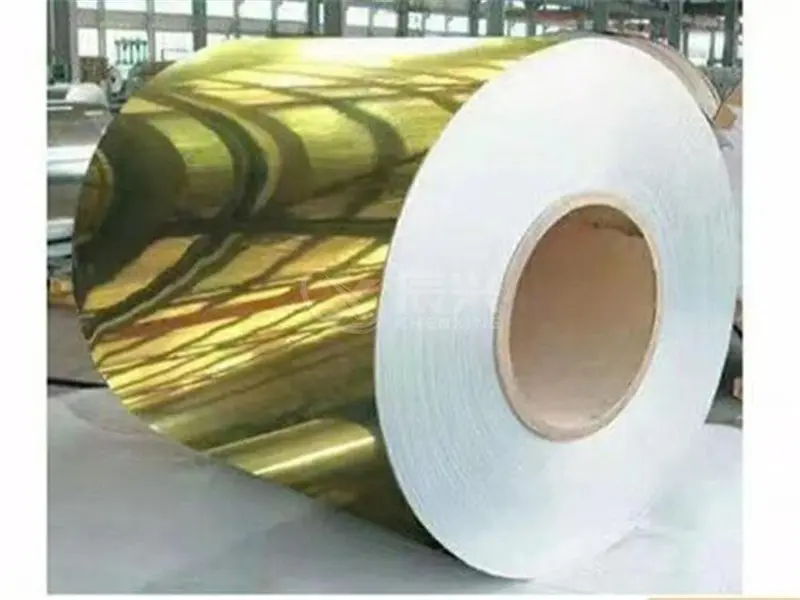
Polished surface finishing achieving high total reflectance, engineered for solar concentrators and architectural reflectors.
Technical Specifications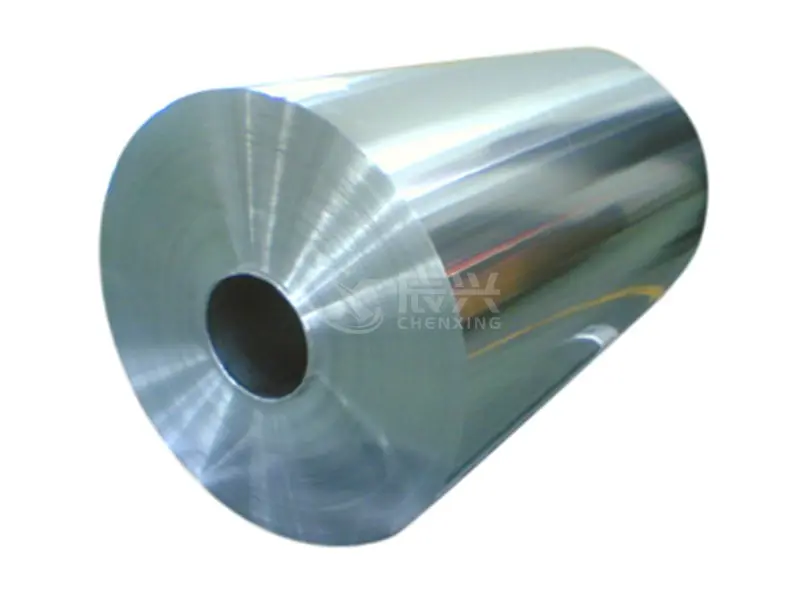
Optimized for HVAC applications, offering uniform hydrophilicity and high thermal conductivity to maximize fin efficiency.
Technical Specifications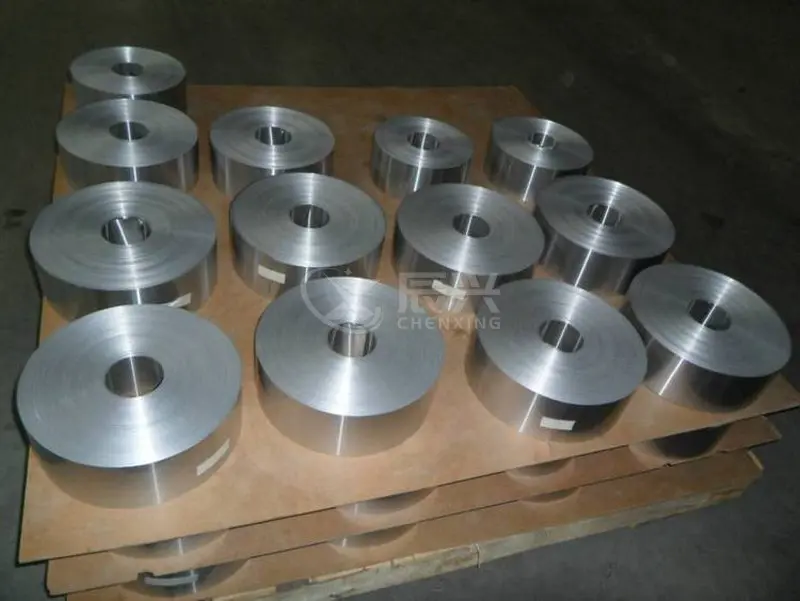
Flexible, puncture-resistant foil tailored for multi-ply composite ventilation ducts and thermal insulation jackets.
Technical Specifications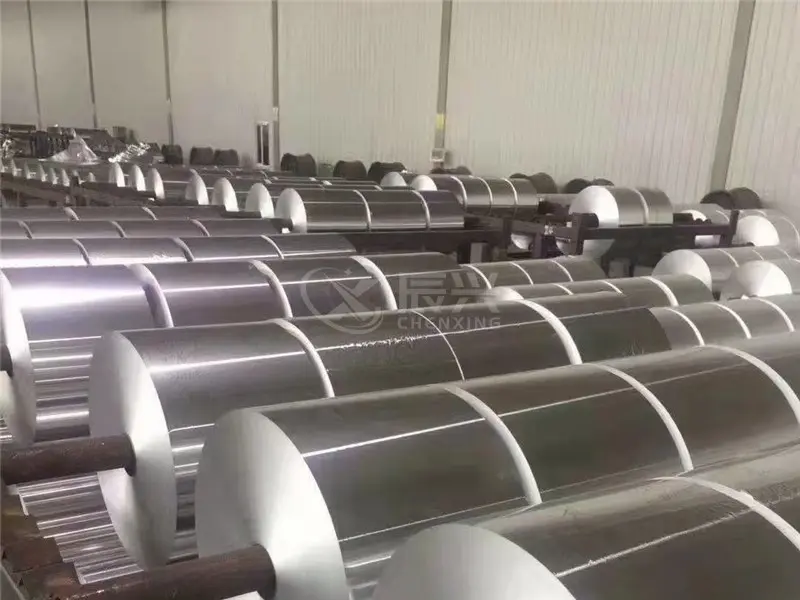
General-purpose packaging and technical foils featuring high barrier properties and strict thickness tolerances.
Technical SpecificationsAddressing the technical, logistics, and metallurgical questions most frequently raised by HVAC engineers and global procurement managers.
For inquiries about our products or pricelists, please leave your contact info below. Our engineering and sales team will reach out to you within 24 hours.
Submit Inquiry NowProviding high-precision aluminum extrusions, roofing sheets, and structural alloys for global industrial operations.