Buy High-Quality Aluminum Roofing Sheets from China Suppliers | Factory Direct Corrugated Aluminum Sheets Manufacturers, Factories

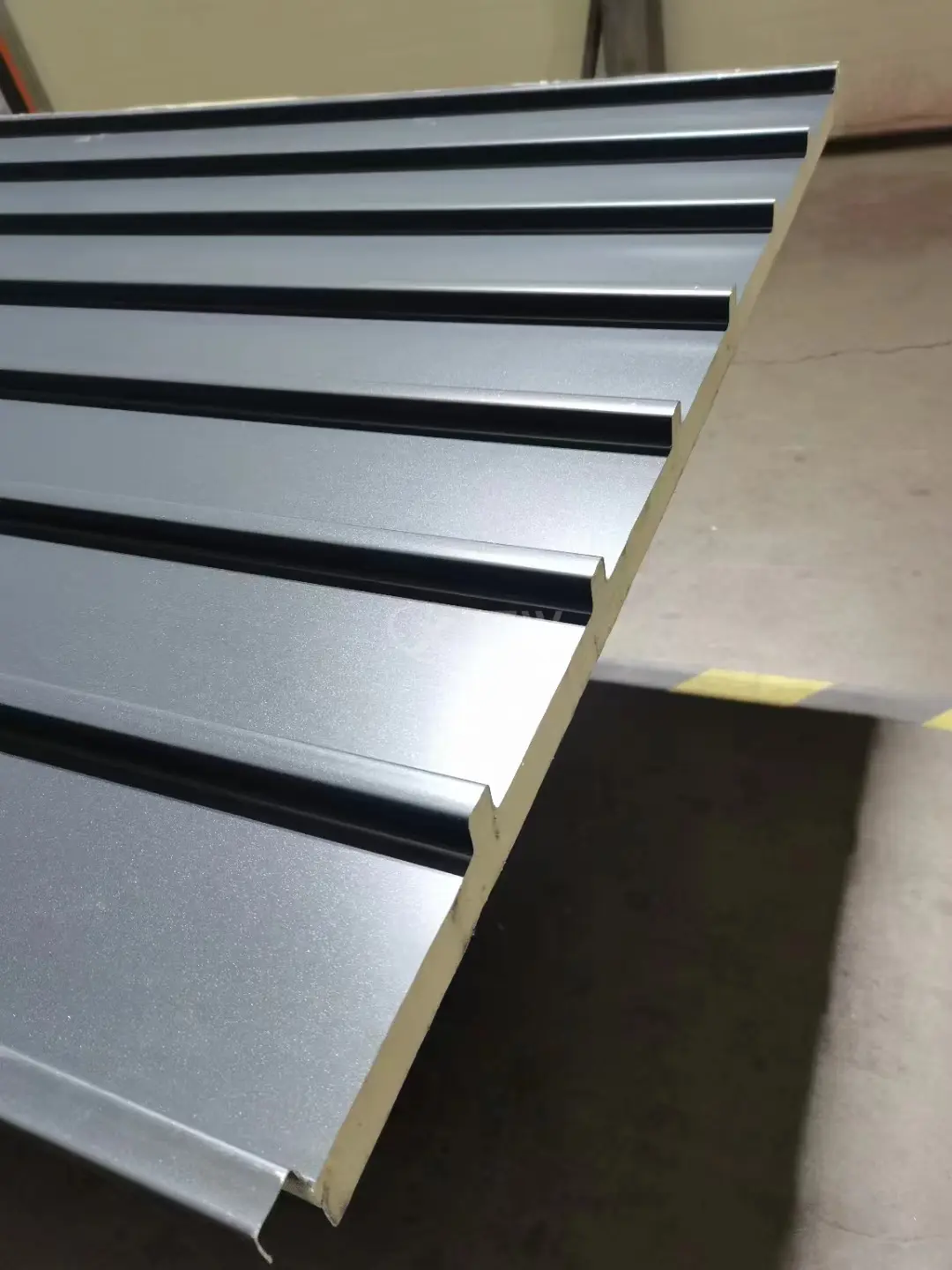
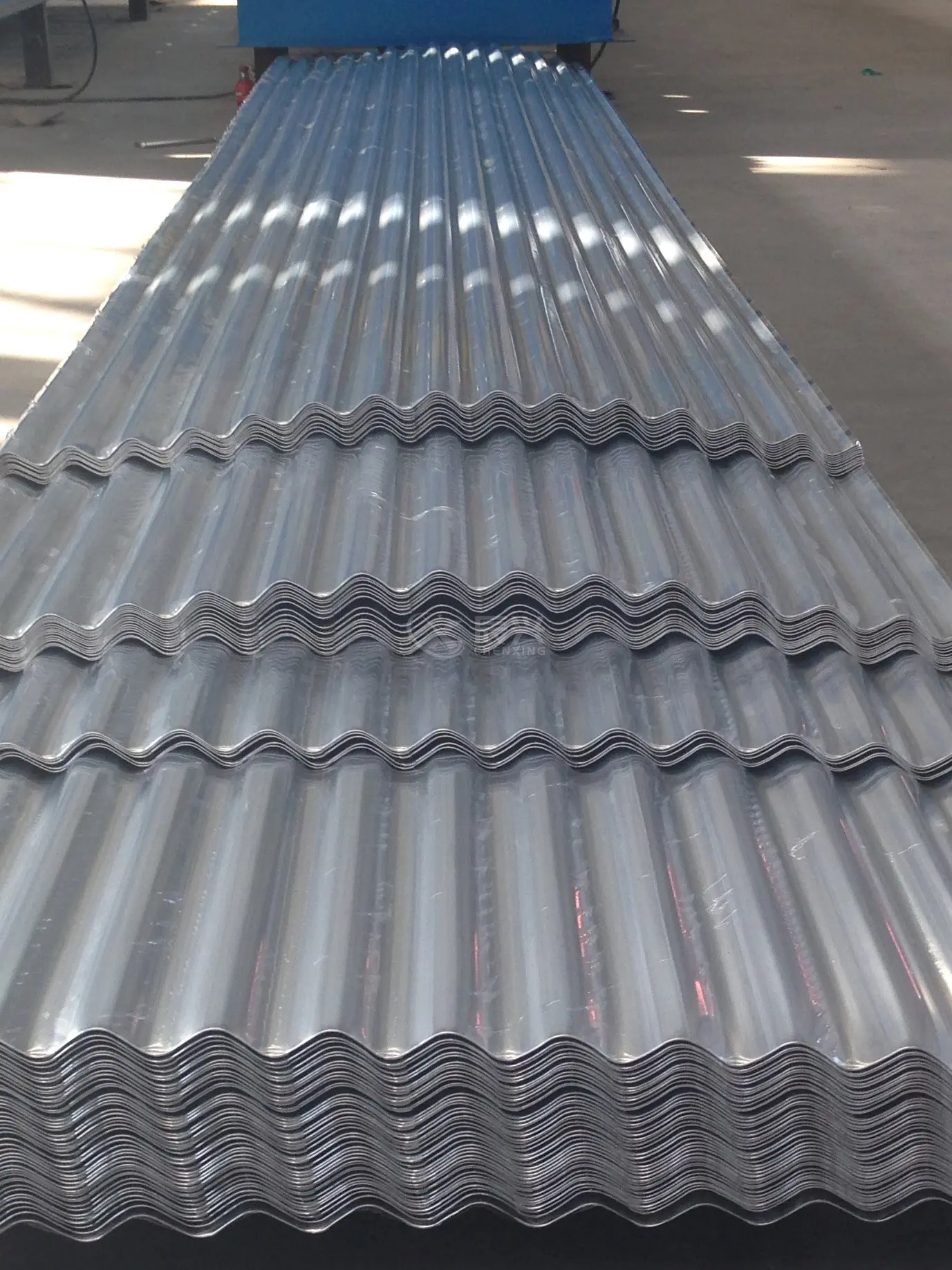
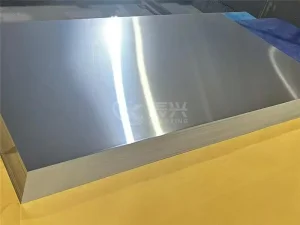
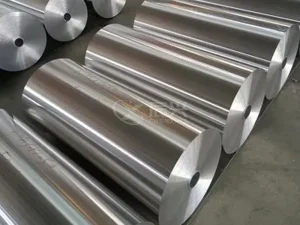
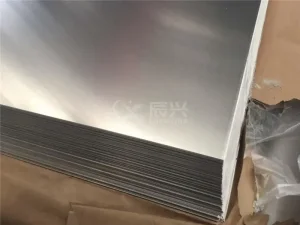
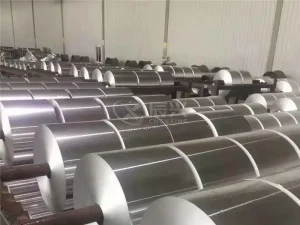
Aluminum roofing sheets are a premium roofing solution produced by rolling pure aluminum or aluminum alloys into sleek, flat sheets, often enhanced with optional surface treatments such as coatings, anodizing, or embossing, including Corrugated Aluminium Sheets. These sheets leverage the natural benefits of aluminum—lightweight construction, exceptional corrosion resistance, and excellent formability—while providing roofing-specific features like outstanding weather resistance, UV protection, and versatile aesthetics. As leading suppliers and a reputable factory in China, we cater to a variety of applications, including residential, commercial, industrial, and agricultural buildings. Aluminum roofing sheets are increasingly becoming the preferred choice for modern roofing due to their durability, extended service life, and minimal maintenance needs. Discover why our aluminum roofing solutions are the top choice in the market!

Product Description

Key Specifications

Aluminum roofing sheet specifications are customized based on application scenarios, climate conditions, and structural requirements. The main specifications are shown in the following table:

Specification Category Detailed Parameters Typical Alloys Typical Applications Quality Control Requirements
Thickness Thin: 0.2mm – 0.5mm 1060, 3003 Residential awnings, small sheds, temporary buildings Thickness deviation ≤ ±0.02mm, no pinholes
Medium: 0.5mm – 0.8mm 3003, 5052 Residential roofs, commercial buildings (shops, offices), agricultural greenhouses Thickness deviation ≤ ±0.03mm, tensile strength ≥ 150MPa
Thick: 0.8mm – 1.2mm 5052, 5083 Industrial workshops, large-span buildings, coastal area roofs Thickness deviation ≤ ±0.04mm, elongation ≥ 5%
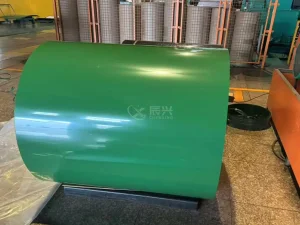
Surface Treatment PVDF Coated 3003, 5052 Coastal buildings, high-end commercial buildings, industrial areas Coating thickness 20–30 μm, weather resistance ≥ 20 years
Polyester Coated 1060, 3003 Residential roofs, inland commercial buildings Coating thickness 15–25 μm, weather resistance ≥ 10 years
Anodized / Embossed 1060, 3003 Decorative roofs, awnings, cultural buildings Anodized film thickness 8–15 μm, pattern uniformity
Size (Width × Length) Standard: 1000 × 2000mm, 1220 × 2440mm, 1250 × 3000mm 1060, 3003, 5052 Batch construction of residential and commercial buildings Size deviation ≤ ±5mm, flat surface without waves
Custom: Width 500–1500mm, Length up to 6000mm 3003, 5052, 5083 Special-shaped roofs, large-span industrial buildings No creases, surface scratch depth ≤ 0.01mm
Alloy Types 1xxx Series (1060, 1100) 1060 (99.6% Al) Indoor awnings, temporary buildings, decorative roofs Good corrosion resistance, low strength
3xxx Series (3003) 3003 (Al-Mn) Residential roofs, commercial buildings, agricultural greenhouses Enhanced strength vs. 1xxx, excellent weldability
5xxx Series (5052, 5083) 5052 (Al-Mg), 5083 (Al-Mg-Mn) Coastal buildings, industrial workshops, high-wind areas Superior corrosion resistance, high tensile strength
Detail Images
Frequently Asked Questions
Q What is the most commonly used aluminum alloy for roofing sheets?
The 3003 (Al-Mn) alloy is the most widely used for roofing applications. It offers a good balance of strength, corrosion resistance, and weldability, making it suitable for residential roofs, commercial buildings, and agricultural greenhouses. For harsher coastal or industrial environments, 5052 or 5083 alloys are preferred due to their superior corrosion resistance and higher tensile strength.
Q What thickness of aluminum roofing sheet should I choose for a residential roof?
For standard residential roofs, a medium thickness of 0.5mm – 0.8mm is generally recommended. This range provides adequate structural strength while remaining lightweight and cost-effective. For areas with heavy snow loads or high wind exposure, a thickness of 0.8mm – 1.2mm may be more appropriate.
Q What is the difference between PVDF coating and polyester coating?
PVDF (Polyvinylidene Fluoride) coating offers superior weather resistance of ≥ 20 years, making it ideal for coastal buildings, industrial zones, and high-end commercial projects. Polyester coating provides reliable performance for inland residential and commercial buildings with a weather resistance of ≥ 10 years at a more economical cost. PVDF is the preferred choice when long-term durability and color retention are critical.
Q Can aluminum roofing sheets be customized in size?
Yes. In addition to standard sizes such as 1000 × 2000mm, 1220 × 2440mm, and 1250 × 3000mm, aluminum roofing sheets can be custom-manufactured with widths ranging from 500mm to 1500mm and lengths up to 6000mm. Custom sizes are especially useful for special-shaped roofs and large-span industrial buildings, with strict quality controls ensuring no creases and minimal surface scratch depth (≤ 0.01mm).
Q Are aluminum roofing sheets suitable for coastal or high-humidity environments?
Absolutely. Aluminum roofing sheets — particularly those made from 5052 or 5083 alloys with PVDF coating — are highly suitable for coastal and high-humidity environments. These alloys contain magnesium (and manganese in 5083), which significantly enhances resistance to saltwater corrosion. The PVDF coating adds an additional protective barrier, ensuring long-term performance even in aggressive atmospheric conditions.
Q What quality control standards apply to aluminum roofing sheets?
Quality control requirements vary by specification. Thickness tolerances are tightly controlled (±0.02mm to ±0.04mm depending on gauge), and tensile strength must meet minimum thresholds (e.g., ≥ 150MPa for medium-thickness sheets). Surface treatments are tested for coating uniformity and adhesion, while dimensional accuracy requires size deviations of ≤ ±5mm with flat, wave-free surfaces. Anodized products must maintain a consistent oxide film thickness of 8–15 μm.

Related Products