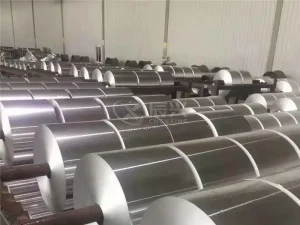
Direct from our state-of-the-art manufacturing facility in China. Global quality certifications guaranteed.
A comprehensive analysis of structural dynamics, heat treatment limits, and metallurgical characteristics.
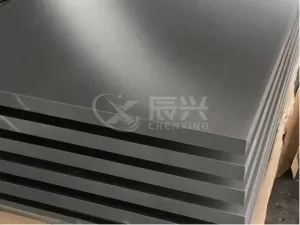
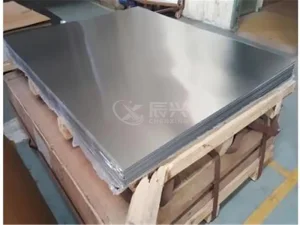
Aluminum 6061 is a precipitation-hardened alloy containing magnesium and silicon as its major alloying elements. Formulated to offer remarkable mechanical strength, excellent corrosion resistance, and superb weldability, 6061 sheet metal is the material of choice for high-stress applications globally. In contrast to pure aluminum alloys like the 1100 series, 6061 provides a significant boost in yield strength without dramatically sacrificing ductility.
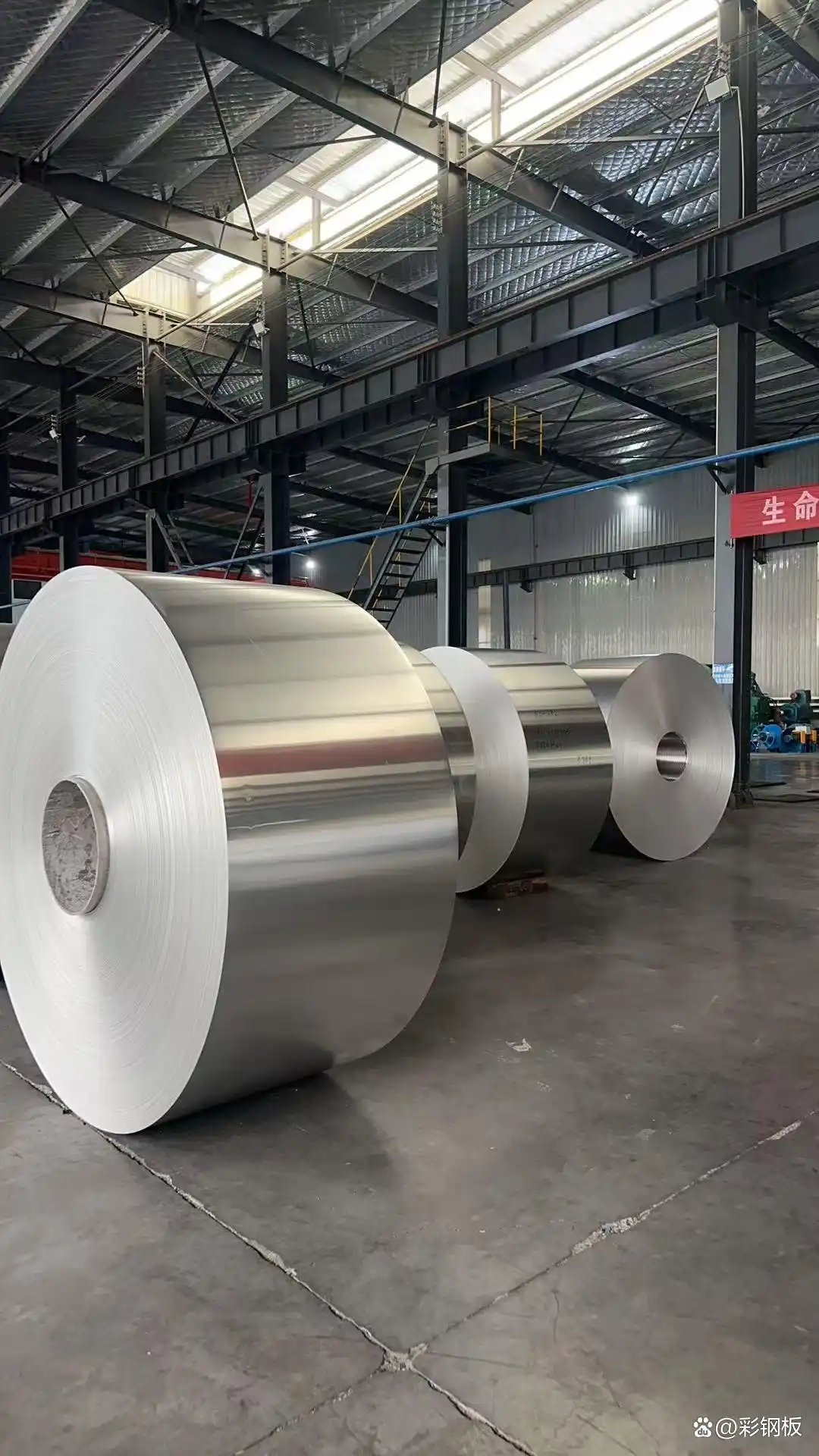
At our advanced rolling and hot-treatment facility in China, we manage every stage of the 6061 alloy crystallization. This ensures homogeneous dispersion of phase precipitates, mitigating micro-cracking during bending operations. For engineers and sourcing managers, this technical control results in higher manufacturing reliability and lower scrap rates on the production line.
| Temper State | Yield Strength (MPa) | Ultimate Tensile Strength (MPa) | Elongation at Break (%) | Brinell Hardness (HB) |
|---|---|---|---|---|
| 6061-O (Annealed) | 55 MPa | 125 MPa | 25 - 30% | 30 HB |
| 6061-T4 (Solution Treated & Aged Naturally) | 145 MPa | 240 MPa | 22 - 25% | 65 HB |
| 6061-T6 (Solution Treated & Artificially Aged) | 276 MPa | 310 MPa | 12 - 17% | 95 HB |
| 6061-T651 (Stretched for Stress Relief) | 276 MPa | 310 MPa | 12 - 15% | 95 HB |
Combining decades of industrial metalwork experience with strict Quality Control standards.
Our sheets are rigorously tested using non-destructive ultrasonic processes, spectral composition verification, and tensile stress testing to assure zero defects.
We configure the surface finish of 6061 sheets to optimize them for anodization, resulting in protective oxide coatings that do not peel or crack under stress.
Our precision tension levelers keep the shape deviations of flat metal plates within 0.1mm per meter, avoiding positioning errors in CNC machining beds.
Understanding the unique requirements of localized markets and high-growth industries worldwide.
In the North American automotive corridor, 6061-T6 sheet metal has emerged as a key component for Electric Vehicle battery enclosures and structural crash frames. The high strength-to-weight ratio allows designers to minimize vehicle mass while meeting strict dynamic load-bearing standards set by FMVSS. Our factory provides precise custom sheets optimized for robotic MIG and laser welding assemblies.
European machinery plants require materials that display exceptional dimensional stability during machining. 6061-T651 sheets undergo strict stretching treatments that resolve internal residual tension. As a result, our European customers experience zero plate warping during deep milling and high-speed drilling of automation manifolds and pneumatic mounting plates.
The humid marine zones and expansive railway projects across Asia require alloys that combat aggressive environmental corrosion. Standard 6061 is naturally resistant to atmospheric attacks. Additionally, when combined with protective anodizing and alloy stabilizers, our sheets are ideal for high-speed train body segments and boat hull framing across Japan, South Korea, and Southeast Asia.
How our vertically integrated logistics and production systems stabilize your material supply.
Our factory leverages the complete infrastructure of China's heavy metallurgical clusters. From raw electrolytic aluminum sourcing to multi-stage rolling mills and localized surface finishing shops, the supply chain is closely integrated. This structure reduces waste, lowers transport emissions, and reduces energy consumption during processing.
Primary Port Logistics: Direct shipping routes via Qingdao and Shanghai Ports.
Lead Time Guarantee: Standard custom sizing orders fulfilled within 14-21 days.
Global metal markets face ongoing changes in energy costs and raw material availability. By maintaining strategic inventories of raw alloy ingots and processing our scrap in-house, our factory stabilizes delivery schedules against market fluctuations. We run clean, low-carbon smelting processes that align with global ESG regulations, helping you keep your carbon footprint low.
Furthermore, China’s industrial ecosystem provides unparalleled access to high-precision equipment manufacturers, enabling us to upgrade our rolling mills and hot rolling lines faster than our international competitors. This keeps our manufacturing costs competitive while maintaining tight physical tolerances.
A look at the upcoming developments in metallurgy, smart processing, and green aluminum.
We are integrating real-time laser gauge sensors and deep-learning predictive control systems into our hot and cold rolling mills. This allows us to adjust sheet thickness dynamically down to micro-level tolerances across entire production runs.
Driven by global carbon reduction mandates, our metallurgy team is testing recycled 6061-series formulations that retain original structural strengths, helping our customers meet their environmental goals.
By adjusting our cooling protocols after annealing, we aim to produce an ultra-fine grain size structure in the metal. This allows for deep drawing and sharp bending profiles without surface tearing.
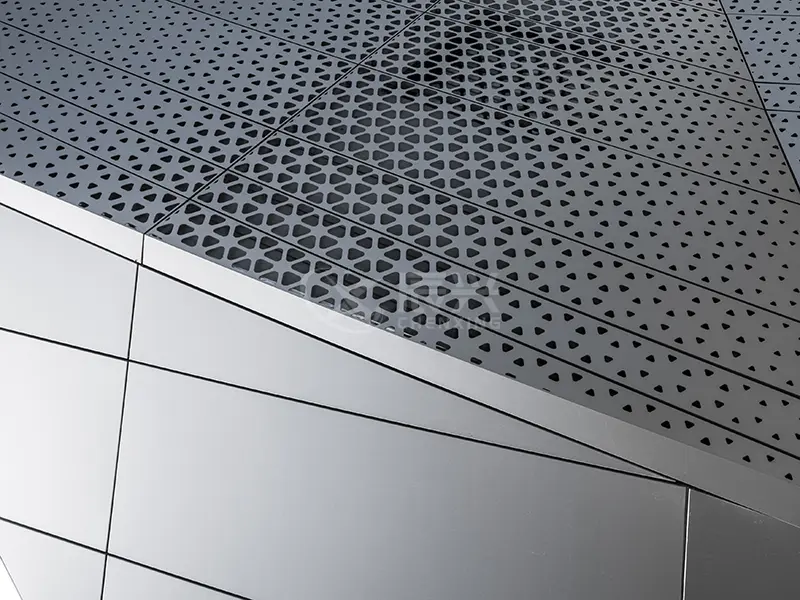
Our products serve key sectors including aerospace framing, shipping, building, and household appliances.
In-depth technical answers from our engineering team to help guide your design and procurement decisions.
Stay up to date with the latest developments in metallurgical processing and global market changes.
Get in touch with our engineering team for technical support, material selection assistance, and volume-based pricing discounts within 24 hours.
Request a Free Technical QuoteExplore our structural aluminum products, specialized HVAC foils, and high-purity circles.