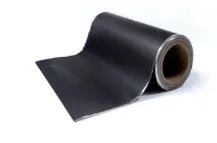
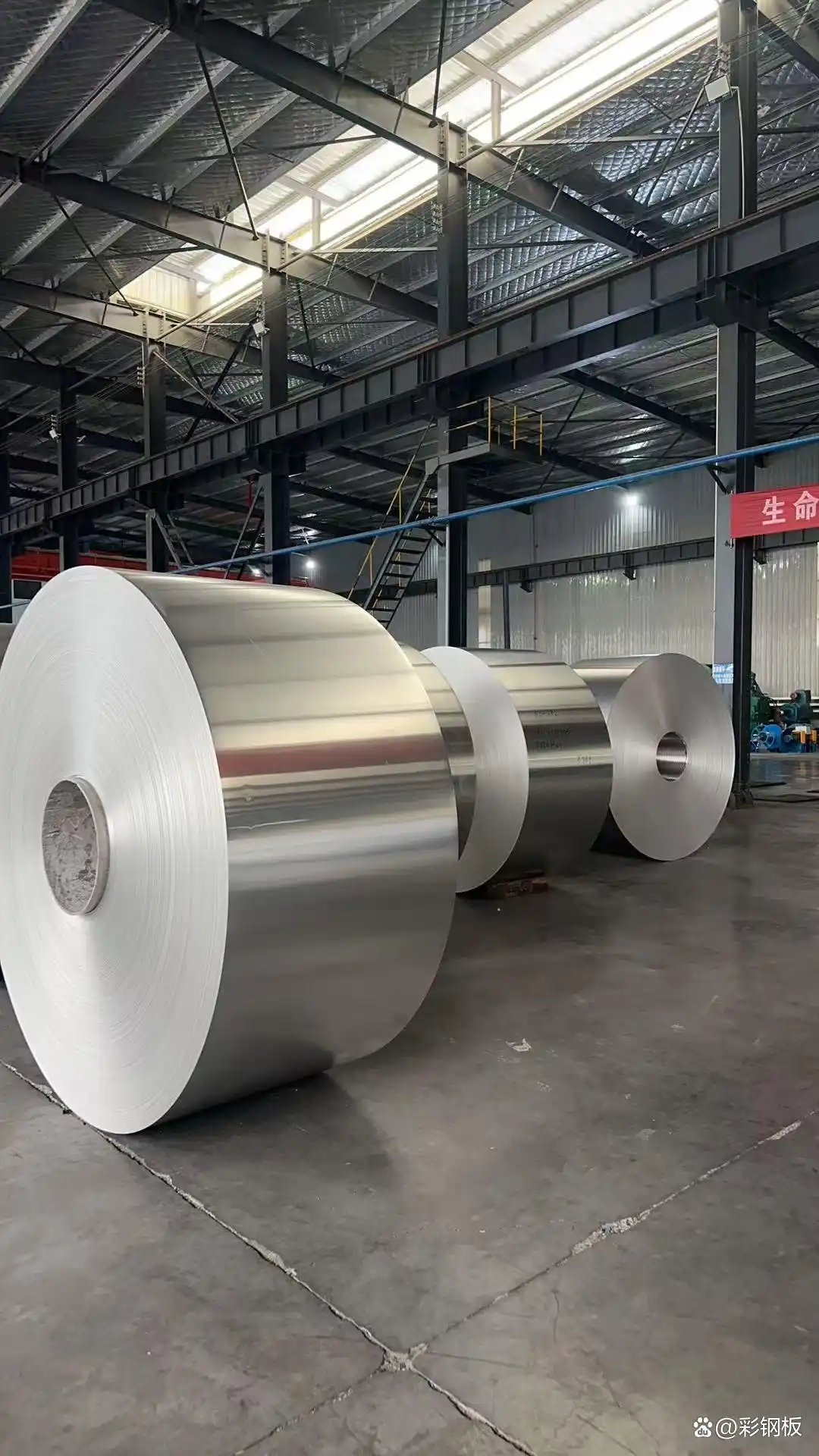
Premium grade structural profiles, high-strength cold-rolled sheets, and specialized packaging materials engineered for demanding manufacturing standards.
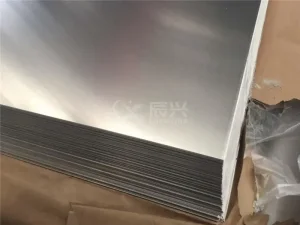
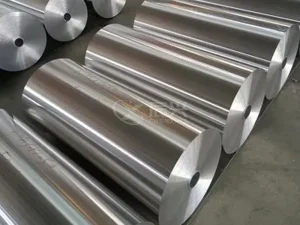
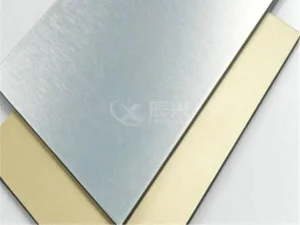
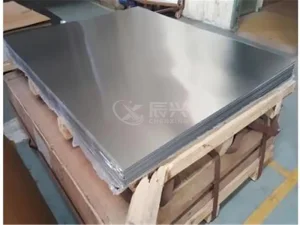
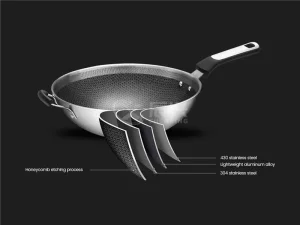
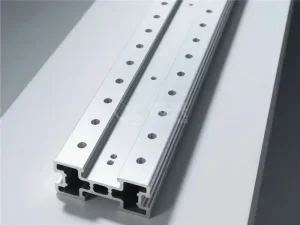
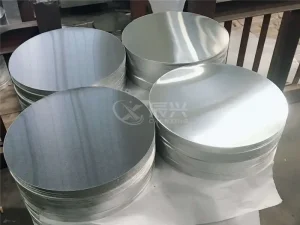
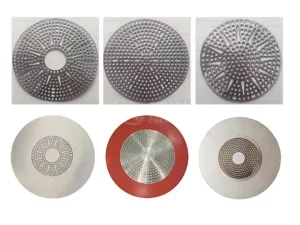
Aluminium 6061 is a precipitation-hardened alloy primarily formulated with magnesium (Mg) and silicon (Si), establishing the vital microstructural Mg₂Si phase. This structural configuration delivers a supreme strength-to-weight ratio, structural stability, and unparalleled response to heat treatment. The most common tempers processed by modern Chinese factories are 6061-T6 (solution heat-treated and artificially aged) and 6061-T651 (additionally stress-relieved by controlled stretching to prevent deformation during extensive high-speed CNC milling).
From a metallurgical perspective, maintaining the exact chemical equilibrium between Magnesium (0.8% - 1.2%) and Silicon (0.4% - 0.8%) is critical. Excess silicon can promote intergranular corrosion, while a deficit reduces the density of hardening precipitates. By implementing state-of-the-art electromagnetic stirring and refining processes, Chinese manufacturers achieve homogeneous grain structures that optimize mechanical performance under intense tension.
Globally, the consumption of 6061-T6 plates has experienced a double-digit rise, driven by structural shifts in aerospace engineering, electric vehicle (EV) lightweighting, and automated production machinery. Key industrial clusters in North America, Europe, and Japan rely on 6061 sheets to substitute heavier structural steel profiles.
However, Western manufacturing capacity faces high overheads and aging extrusion assets. China’s integrated manufacturing lines bridge this gap by supplying large-format, ultra-flat 6061 plates that satisfy international standards, such as ASTM B209 and EN 485.
A proven track record of excellence, strict quality controls, and a resilient supply chain serving clients across the globe.


China’s domestic 6061 sheet manufacturing infrastructure benefits from localized industrial clusters. From raw electrolytic liquid aluminium integration to smart rolling lines, transport overheads are minimized. Our strategic partnerships with bulk shipping lines and container ports like Shanghai, Ningbo, and Qingdao facilitate seamless customs protocols and low-freight door-to-door delivery.
To address international tariff fluctuations and environmental challenges, our facilities leverage clean energy sources (such as hydro-powered smelting in south-western provinces) to supply low-carbon, green 6061 aluminium sheets. This allows European and American importers to mitigate carbon border adjustment taxes (CBAM) and align with strict ESG goals.
True business alignment requires local support. We collaborate with international stockholding distribution centers and global metallurgical laboratories to provide quick technical consultation, customized dimension shearing, and on-site engineering services.
Every order is backed by dynamic tracing documents, including EN 10204 3.1 Material Test Reports (MTR), ultrasonic inspection logs (ASTM B594/AMS 2630), and raw chemical analysis. Our QA teams follow a strict 8D problem-solving cycle, guaranteeing that engineering questions are addressed in under 24 hours.
From deep-sea marine structural elements to high-altitude aerospace bulkheads, explore how 6061 alloys provide structural stability.

Utilized in structural components for high-speed rail systems, automotive chassis frameworks, and heavy-duty transport vehicles requiring high tensile yield.
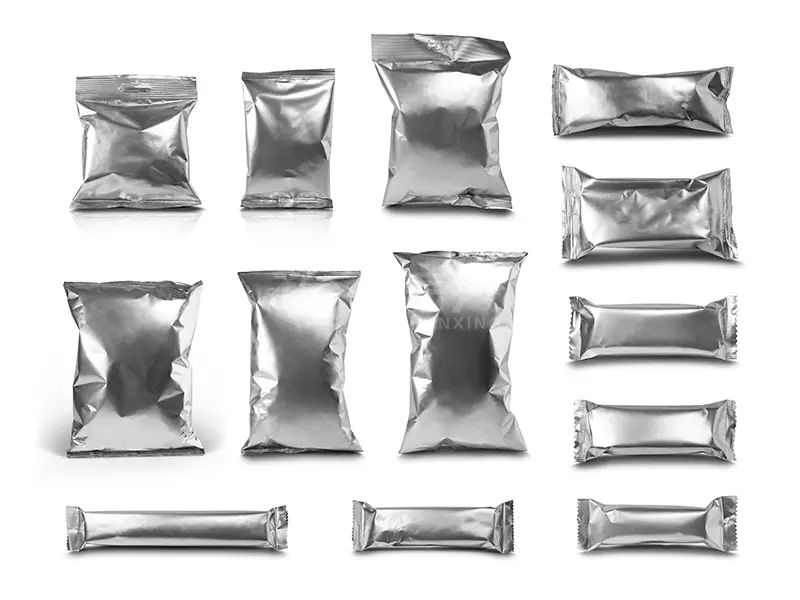
Provides highly reliable barrier protections, custom food-grade alloys, and sustainable canning solutions targeting zero leakage limits.

Excellent thermal dissipation properties for processing phone frames, high-precision semiconductor vacuum chambers, and electrical conduits.

Advanced high-strength-to-weight structural ratios for helicopter rotor components, aircraft skins, and military equipment stabilizers.
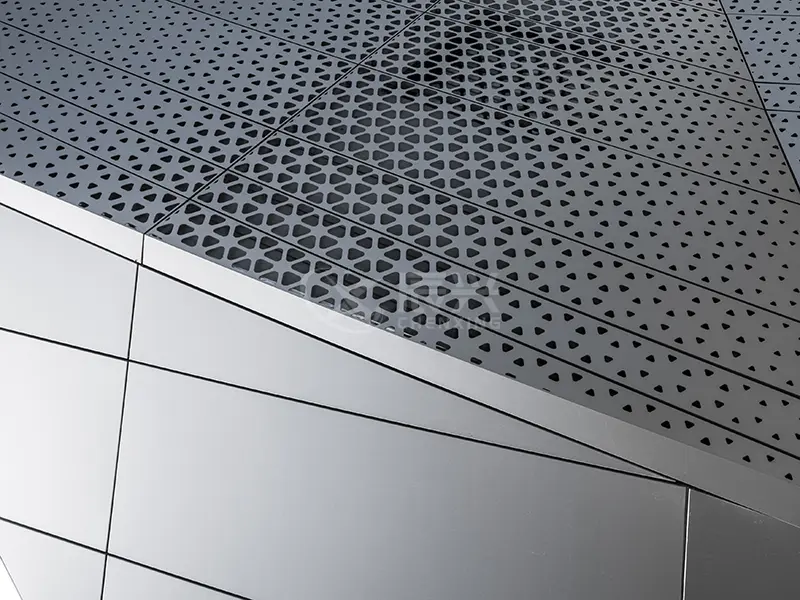
Corrosion-resistant roofing panels, modern architectural curtain walls, bridge deck framing, and structural building scaffolds.
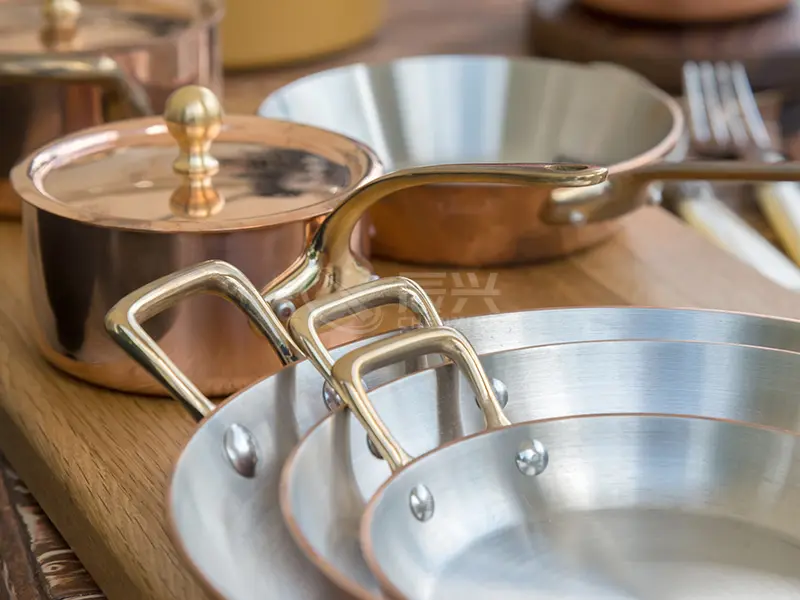
High-end refrigeration systems, air conditioner evaporator fins, microwave housing, and premium kitchen utensils.
The production of 6061 plates is undergoing a transformation driven by sustainability requirements and digital systems. Current research centers on grain refinement mechanisms using trace additions of Scandium (Sc) or Zirconium (Zr). This significantly enhances the post-welding heat-affected zone (HAZ) strength, reducing structural degradation in robotic welding systems.
Simultaneously, digital twins and AI-assisted thermal sensors monitor thickness deviations and surface roughness during the continuous casting and hot rolling stages. Real-time adjustments ensure that flatness levels surpass the standard ASTM tolerances, facilitating high-speed CNC milling without material warp.
By investing in closed-loop recycling systems, our manufacturing partners process clean post-industrial 6061 scrap. This reduces energy consumption by nearly 95% compared to primary smelting, helping customers reduce scope 3 carbon emissions without sacrificing physical property specifications.
Find answers to common technical, metallurgical, and sourcing questions about 6061 alloy sheets.
6061-T6 indicates the alloy has been solution heat-treated and artificially aged to reach its maximum strength. 6061-T651 has undergone an additional controlled stretching step (usually 1.5% to 3% permanent set) to relieve internal stresses. This is crucial for CNC machining, as it prevents the sheet from warping when material is removed.
Chinese factories leverage integrated supply chains, advanced automated hot-rolling and continuous heat-treatment lines, and proximity to shipping ports. This combination ensures high quality, consistent flatness, strict tolerance control, and fast delivery timelines.
Yes, 6061 is highly weldable using Gas Tungsten Arc Welding (TIG/GTAW) or Gas Metal Arc Welding (MIG/GMAW). Typically, 4043 or 5356 filler metals are used. Keep in mind that welding reduces the material's strength in the heat-affected zone to a T4 temper, so post-weld heat treatment may be necessary.
While 6061 has excellent resistance to atmospheric and marine corrosion, 5052 (an Mg-stabilized alloy) offers superior marine corrosion resistance. 6061 is chosen when structural load-bearing capacity and high mechanical strength are required alongside corrosion resistance.
Our sheets comply with major international specifications, including ASTM B209, EN 485, GB/T 3880, and AMS-QQ-A-250/11. We provide full mill certification, chemical composition analysis, and mechanical test results with every shipment.
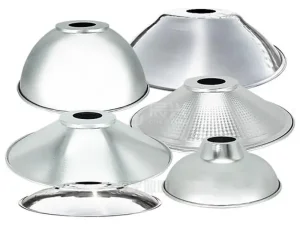
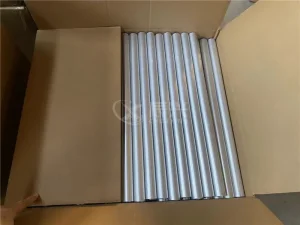
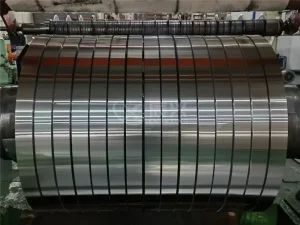
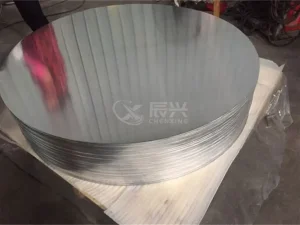
Explore our extended range of customized aluminum alloys, thin foils, circles, and tubes for commercial operations.
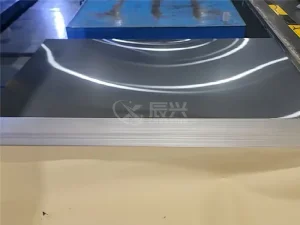
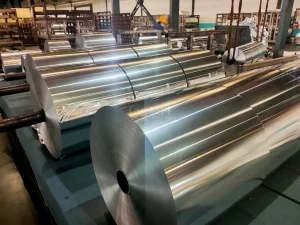
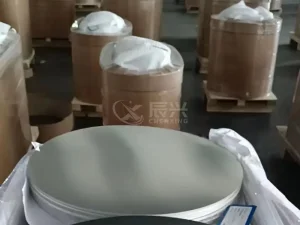
For inquiries about our product specifications, customized sizes, or pricing tables, contact us and our technical engineers will reach out within 24 hours.
submit nowStay up to date with the latest advancements, market trends, and updates from the aluminum production industry.