
Premium grade metal products engineered to precise specifications, serving structural, deep-drawing, and manufacturing processes worldwide.
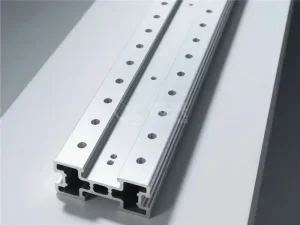
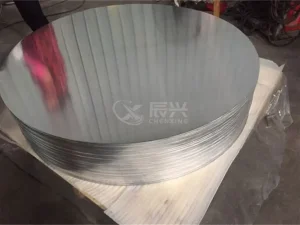
Analyzing the strategic role, metallurgical features, and market drivers of Al-Mg-Si structural flat profiles.
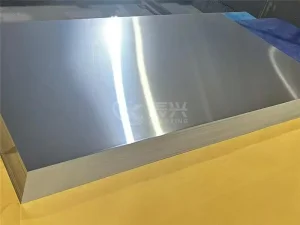
6061 Aluminum Flat Bar is the backbone of medium-to-heavy structural design. Alloyed primarily with Magnesium (Mg 0.8-1.2%) and Silicon (Si 0.4-0.8%), this formulation induces precipitation hardening. This gives it outstanding mechanical metrics, offering a minimum tensile strength of 290 MPa (42,000 psi) and yield strength of 240 MPa (35,000 psi) when tempered to T6 or T6511 conditions.
As massive investments pour into electric vehicles (EVs), high-speed rail, and commercial aerospace, the demand for lightweight materials has surged. Chinese companies leverage optimized extrusion lines to support global logistics hubs. By providing standard dimensions and custom profile geometries, they deliver high structural performance without the weight penalty of traditional ferrous metals.
One of 6061's primary advantages is its resistance to environmental degradation. It forms a natural protective oxide layer that resists corrosion in industrial and marine settings. For harsher environments, it supports decorative and protective treatments, including hard-coat anodizing, chemical conversion coatings, and powder coating, ensuring long service life.
A benchmark analysis comparing international standards for 6061 flat bar extrusions across major global markets.
When engineering high-load structural frameworks, designers must evaluate mechanical standards carefully. The table below outlines chemical composition parameters and tolerance variations across ASTM, EN, and GB frameworks. This comparison ensures imported materials meet local code requirements.
| Element / Property | ASTM B221 (USA) | EN 755-5 (Europe) | GB/T 3190 (China) | Notes / Sourcing Context |
|---|---|---|---|---|
| Magnesium (Mg) | 0.80 - 1.20 % | 0.80 - 1.20 % | 0.80 - 1.20 % | Main precipitation strengthening element. |
| Silicon (Si) | 0.40 - 0.80 % | 0.40 - 0.80 % | 0.40 - 0.80 % | Combines with Mg to form Mg2Si phases. |
| Copper (Cu) | 0.15 - 0.40 % | 0.15 - 0.40 % | 0.15 - 0.40 % | Controlled addition to balance strength and corrosion. |
| Chromium (Cr) | 0.04 - 0.35 % | 0.04 - 0.35 % | 0.04 - 0.35 % | Suppresses recrystallization, grain growth. |
| Min Yield Strength | 240 MPa (35 ksi) | 245 MPa | 240 MPa | Valid for thicknesses under 75mm (3 in). |
| Dimensional Tolerance | ANSI H35.2 Standard | EN 755 Class A/B | GB/T 14846 Precision | Chinese mills easily output to ASTM/EN specifications. |
Our manufacturing footprint, global supply chain capabilities, and strict quality control processes support key infrastructure projects worldwide.
How global industries apply 6061 T6 structural flat bars to improve efficiency, durability, and cost-effectiveness.
In electric vehicles, weight reduction directly increases driving range. Chinese 6061-T6 flat bars are widely used in structural battery frames and enclosure mounting points, providing high crash protection and reliable heat dissipation.
Cleanroom environments demand low outgassing and high dimensional stability. 6061-T6511 flat bars serve as base plates and vacuum chamber components, maintaining tight tolerances without warping under thermal cycles.
From workboat hulls to dock gangways, marine engineers rely on the corrosion resistance of 6061. Anodized 6061 flat bars prevent saltwater pitting and stress-corrosion cracking, lowering maintenance costs.
Expanding the versatility of aluminum across key manufacturing, packing, and infrastructure sectors.

High-strength extrusions engineered for high-speed rail, logistics trailers, and automotive structures to reduce weight and boost fuel efficiency.
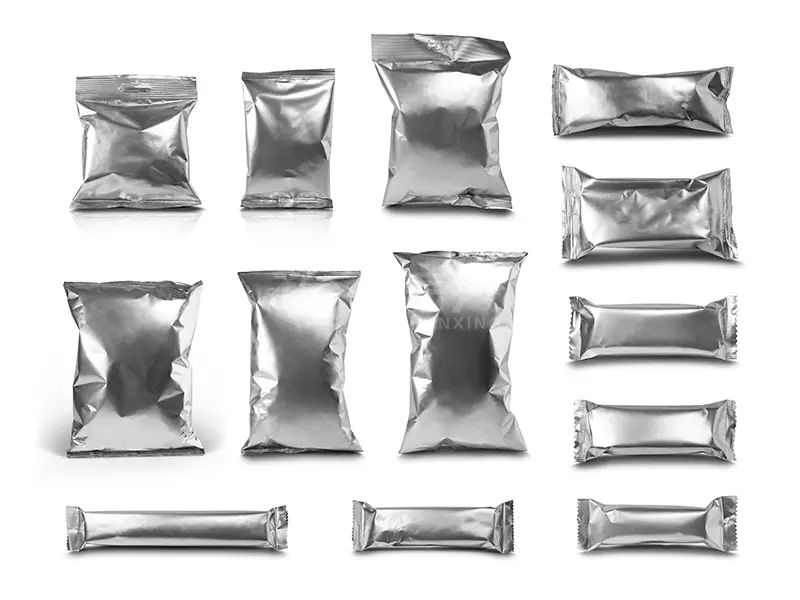
Barrier foils and food-grade packaging materials that shield food, pharmaceutical, and chemical items from light, oxygen, and moisture.

Excellent electrical and thermal conductivity for electronic enclosures, terminal blocks, heat sinks, and structural chassis components.

Precision-toleranced structural alloys certified to demanding aviation and space requirements, combining weight reduction with reliability.
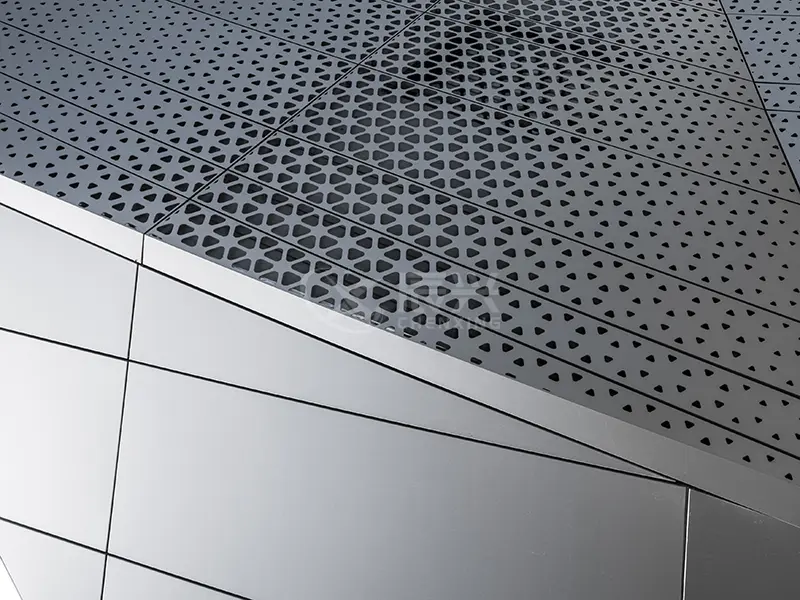
Corrosion-resistant structural profiles, curtain walls, and support frameworks designed for long life in modern green building projects.

Highly aesthetic, formable, and durable panels, foils, and decorative trims that elevate the performance and design of home products.
How metallurgy, smart manufacturing, and green initiatives are transforming aluminum extrusion.
Future extrusion technologies focus on grain refinement. By applying electromagnetic stirring (EMS) during the billet casting phase, manufacturers can eliminate coarse grain zones. This provides uniform mechanical properties across the flat bar's cross-section.
Decarbonizing industrial heat is a top priority. Leading Chinese mills are transitioning from natural gas reheat ovens to hydrogen-blend systems. This change reduces Scope 1 carbon footprints by up to 35%, helping global buyers meet ESG compliance goals.
Advanced, sensor-driven water-and-air quenching systems dynamically track profile temperatures as they emerge from the die. This guarantees even cooling, reducing residual stresses that cause distortion during CNC machining.
Addressing supply chain risks, quality control, and engineering standards for large-scale operations.
With fluctuating shipping rates and raw material costs, we offer customized hedging programs and warehousing agreements. This helps you lock in prices and maintain a steady supply of structural materials.
Every batch of extruded flat bars undergoes automated coordinate measuring machine (CMM) testing to confirm dimensions, straightness, and surface finish, eliminating off-spec parts.
To streamline assembly, we offer custom processing options, including precision sawing, angle cutting, drilling, and tapping, saving processing time at your facility.
Get technical answers about metallurgy, heat treatment options, machining performance, and sourcing logistics.
The main difference is how residual stress is managed. 6061-T6 is solution heat-treated and artificially aged to full strength. T6511 adds a controlled stretching step after heat treatment, which relieves internal stresses. This prevents warping and twisting during high-speed milling or drilling.
6061 is stronger, making it ideal for structural and heavy-duty parts. 6063 has a lower alloy content, making it easier to extrude into complex shapes. It also anodizes better and offers a cleaner finish, which is why it is preferred for architectural and decorative trims.
Ensure the manufacturer provides Mill Test Certificates (MTC) matching EN 10204 3.1 standards. This should show chemical composition and tensile test results. You can also request third-party inspections (SGS or TÜV) to confirm dimensions, hardness (typically ≥ 95 Webster), and packaging quality.
Extrusion defects, like die lines or handling scratches, can show up after anodizing. Quality manufacturers use specialized lubricants, inspect dies regularly, and package flat bars with protective paper or plastic sleeves to prevent surface damage.
Premium solutions designed for energy storage, advanced heating/cooling, and heavy-duty industrial applications.
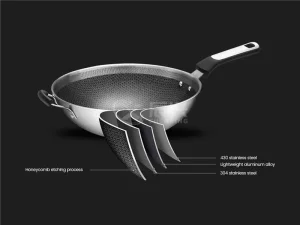
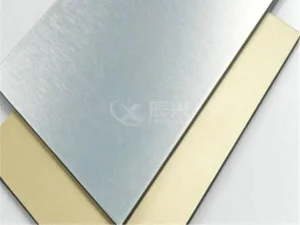
Track technological breakthroughs, export shifts, and global demand trends in the aluminum industry.
Export volumes of aluminum profiles and sheets have increased, driven by structural demand in key global markets.
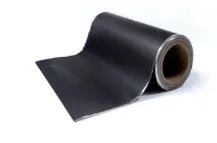
Analyzing the growing demand for carbon-coated battery foils in next-generation electric vehicle powertrains.
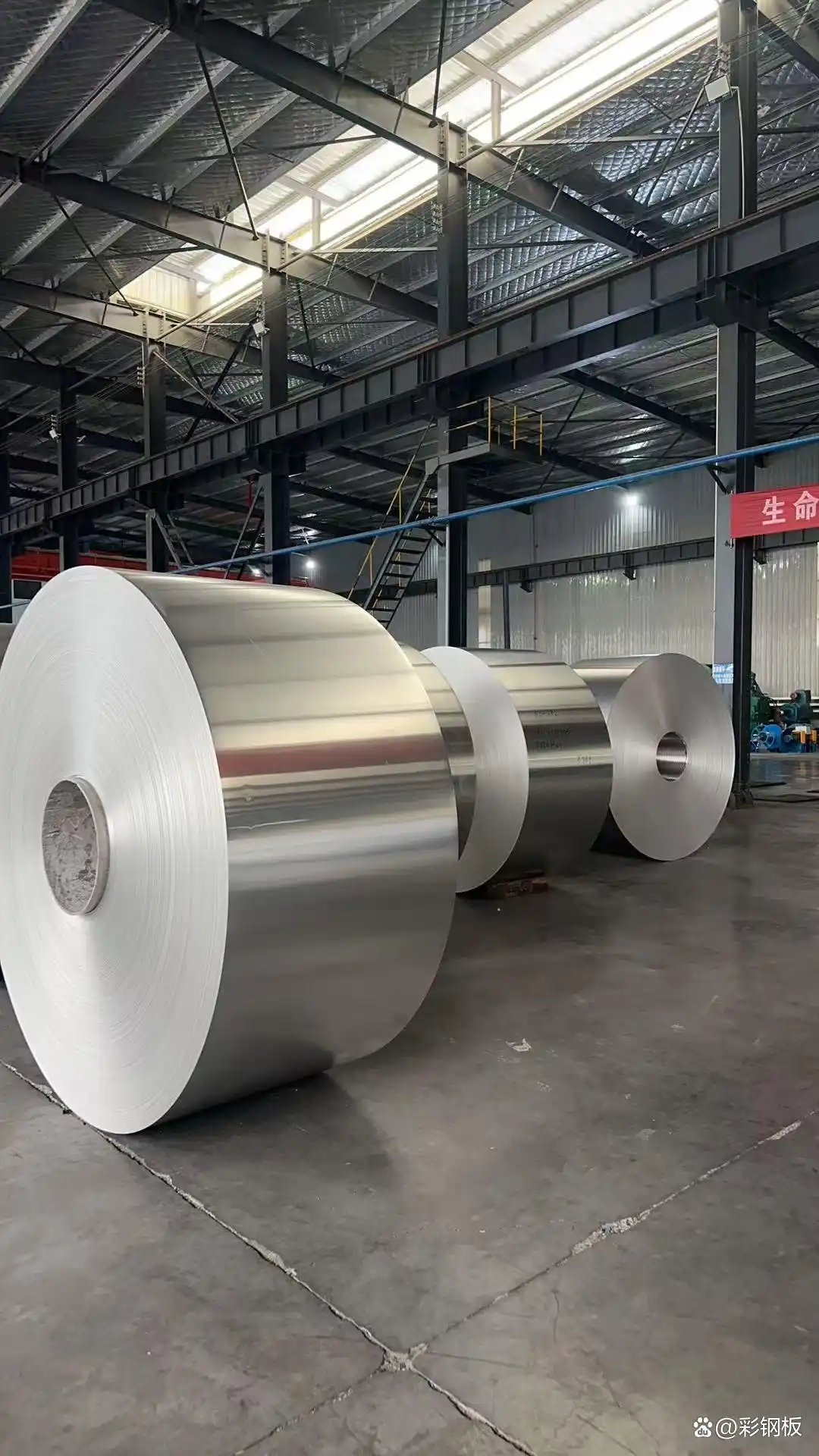
Sustainable policies drive demand for lightweight, recyclable aluminum coils in packaging and construction.
Submit your product dimensions, alloy tempers, and volume requirements. Our technical sales engineers will reply with a detailed quote within 24 hours.