
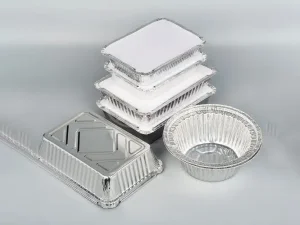
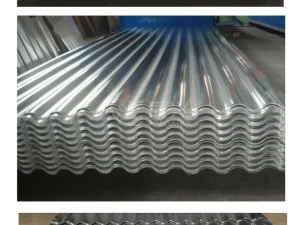
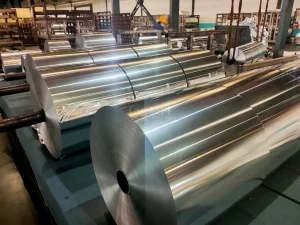
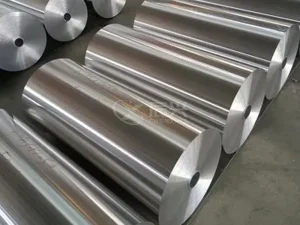
Explore our foundational range of high-precision aluminum circles, coils, and specialty barrier foils.
An In-Depth Whitepaper on Structural Performance, Material Engineering, and Global Sourcing Economics.
The demand for structural I Profile Aluminium (commonly referred to as aluminum I-beams or structural members) has seen an unprecedented surge over the past decade. Traditionally, structural engineering relied heavily on hot-rolled carbon steel for load-bearing frameworks. However, the global paradigm shift towards lightweighting, corrosion resistance, and sustainable life-cycle management has positioned aluminum as the premier choice.
Unlike steel, which is prone to rust and requires continuous maintenance, extruded aluminum I-profiles develop a natural, self-protecting oxide layer. This makes them highly effective in harsh environments, such as chemical processing plants, marine infrastructure, and wastewater treatment facilities. Structurally, the "I" shape optimizes the material distribution along the neutral axis, yielding a high moment of inertia. This configuration maximizes bending resistance while minimizing dead weight, a property fundamental to modern high-speed rail carriage chassis, heavy-duty truck beds, and aerospace support gantries.
Selecting the appropriate alloy is critical for structural safety and process compatibility. Aluminium I-profiles are primarily extruded from 6000-series magnesium-silicon alloys, which offer the ideal balance of extrudability, strength, and post-weld integrity.
| Alloy Grade | Temper State | Tensile Strength (MPa) | Yield Strength (MPa) | Elongation (%) | Primary Applications |
|---|---|---|---|---|---|
| 6063 | T5/T6 | 186 - 240 | 150 - 214 | 8% - 12% | Architectural trim, structural framing, window systems |
| 6061 | T6 | 290 - 310 | 240 - 276 | 10% - 15% | Marine frames, heavy-duty structural platforms, truck bodies |
| 6082 | T6 | 310 - 340 | 260 - 290 | 8% - 10% | High-stress infrastructure, bridge components, cranes |
6061-T6 Aluminum remains the global standard for industrial structural designs, offering high yield strength comparable to mild structural steels while weighing roughly one-third less. For European markets, 6082-T6 is highly preferred due to its superior toughness and resistance to dynamic fatigue loads.
Global procurement directors must weigh both unit cost and supply security. Chinese aluminum extrusion manufacturers offer key advantages in terms of manufacturing scale, tooling turnaround times, and vertically integrated value chains.
From ingot sourcing to precision extrusion, heat treatment, surface finishing (such as anodizing and PVDF coating), and final CNC machining, the entire pipeline is consolidated within localized industrial clusters. This integration yields several competitive advantages:
Years Manufacture Experience
Exported To 35+ Countries
STRICT QC INSPECTION & INTELLIGENT TRACKING

24-HOUR CUSTOMER SERVICE, 8D RESPONSE

How structural aluminum profiles are deployed across major industrial and commercial verticals.
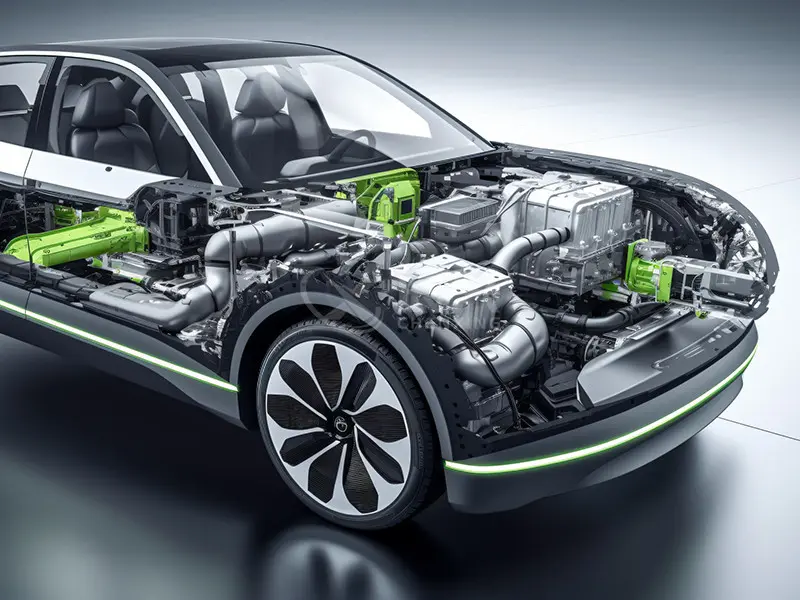
Utilized in structural subframes, heavy vehicle chassis, and crash boxes to reduce curb weight and improve fuel efficiency.
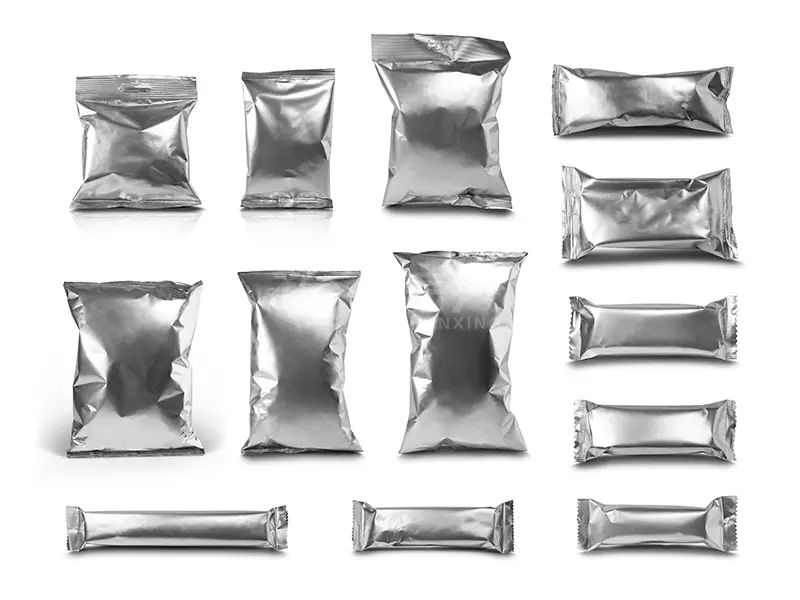
Highly effective barrier membranes for pharmaceutical and food storage, ensuring prolonged preservation and hygiene.

High thermal conductivity makes these profiles ideal for heat sinks, battery cooling assemblies, and device casings.

Designed using high-strength alloys (e.g., 7000 and 2000 series) for wing ribs, internal frames, and flight-critical supports.
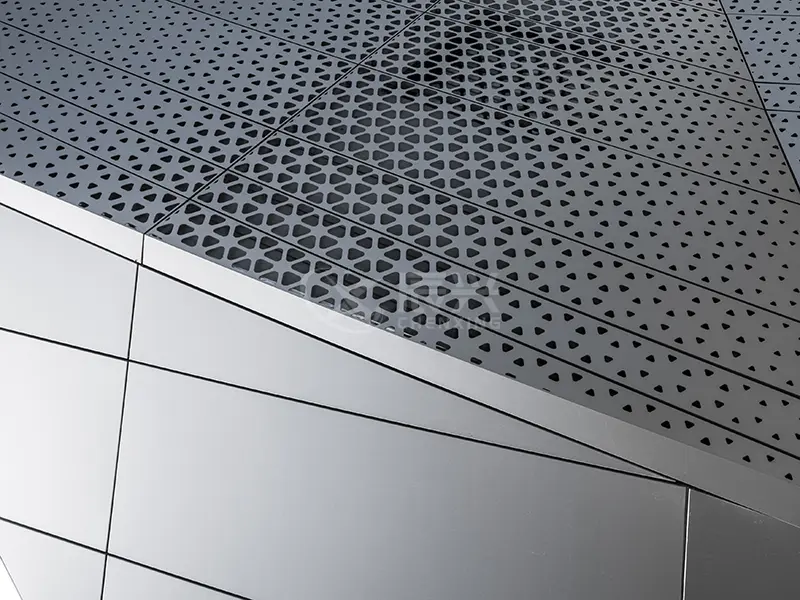
Durable curtain walls, structural window systems, solar mounting tracks, and scaffolding brackets.

Provides decorative paneling, condenser tubes, and structural framing for premium refrigerators and HVAC units.
Three primary trends are currently shaping the global aluminium profile manufacturing sector:
Carbon Footprint Mitigation & Low-Carbon Ingots: Multi-national corporations now mandate verification of the carbon intensity of raw material feeds. To address this, forward-looking manufacturers are shifting to scrap-recycled extrusion billets and primary ingots smelted using renewable energy (hydro or solar). This reduces the embedded carbon footprint of final extrusions to under 4.0 kg CO2/kg Al, compared to the global average of over 11.5 kg CO2/kg Al.
High-Precision Thin-Wall Extrusions: As electric vehicle designs mature, there is an increasing demand for structural crash frames that are both thinner and capable of absorbing higher impact energy. This requires close control over structural wall thicknesses (to tolerances as tight as ±0.1mm) and consistent metallurgical temper properties.
Industry 4.0 Extrusion Tracking: Modern manufacturing plants deploy real-time monitoring systems that track heat treatment cycles, quench speeds, and stretch rates. This ensures that every length of I-beam produced matches the target mechanical specifications, providing consistent structural performance.
Stay informed with updates from our production facilities and analysis of global market trends.
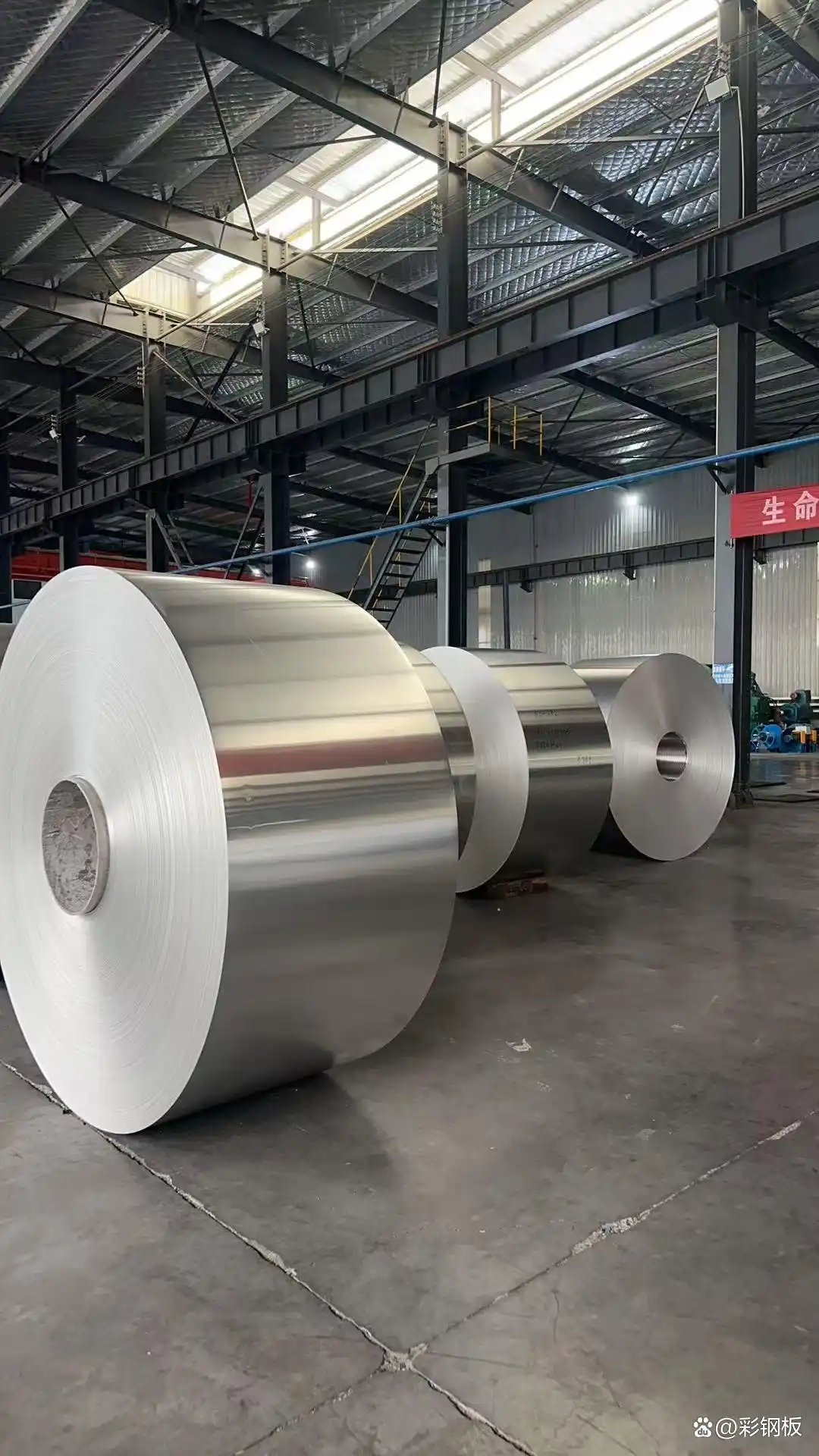
Key information regarding structural design limits, tolerances, surface finishes, and logistics.
High-precision industrial sheets, thermal heat sinks, and custom-sliced industrial coils.
Get in touch with our engineering and procurement team. We provide material estimates, design advice, and preliminary quotes within 24 hours.