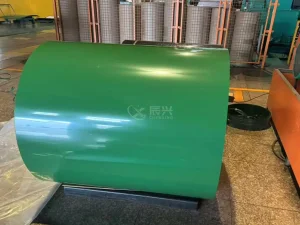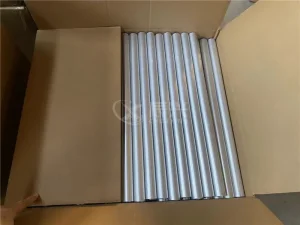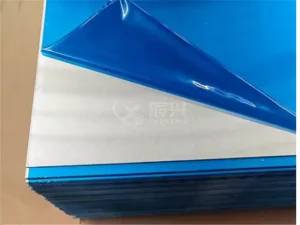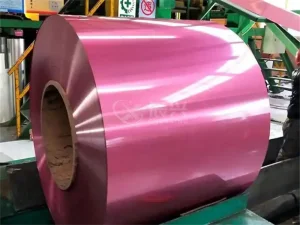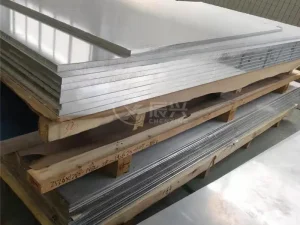
Direct supply paths to high-quality industrial aluminium sheets, coils, and packaging components optimized for global manufacturing pipelines.
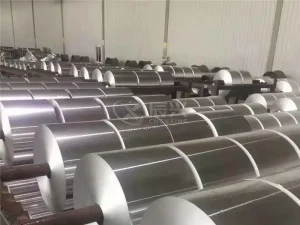
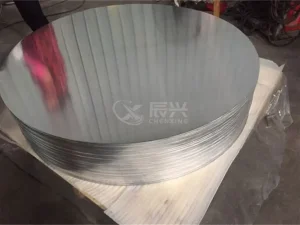
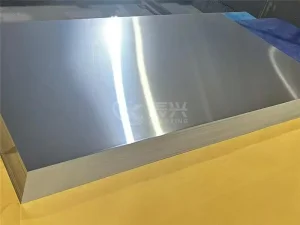
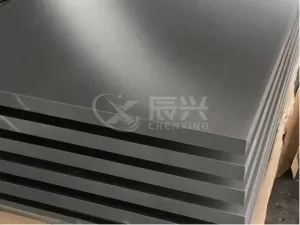
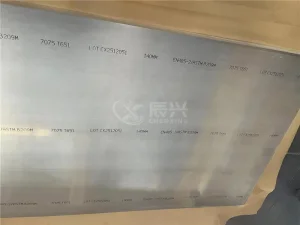
Leveraging high-end manufacturing lines, continuous chemical coil coating technologies, and localized client-care systems to deliver structural confidence.


In modern industrial engineering, coated aluminium represents a core advancement in material sciences. By fusing the structural lightweighting profile of elemental aluminium with state-of-the-art synthetic polymer layers, modern manufacturers resolve complex design challenges. This union addresses two major concerns: premature atmospheric corrosion and energy loss through thermal radiation.
Coated aluminium systems operate at the intersection of structural performance and visual expression. Utilizing continuous liquid roll-coating processes (also known as coil coating), factories apply exact, multi-layered liquid formulations onto continuous metal bands. This ensures color uniformity and polymer density that post-formed spray treatments cannot replicate.
SEO Insight & Information Gain: When sourcing pre-painted or coated aluminium, procurement officers must look beyond simple color values. True product differentiation lies in the curing mechanism, dry film thickness (DFT) stability, and the type of chemical treatment applied to the base alloy. Standard systems rely heavily on chromium-free passivation to meet strict global environmental regulations while ensuring long-term coating adhesion.
Understanding which chemistry to select is critical to ensuring your project achieves its lifespan target. The table below lists the performance specs of the primary coatings manufactured in our facilities:
| Coating Type | Chemical Formula Base | Standard Thickness (μm) | UV Resistance (AAMA Grade) | Optimal External Lifespan | Primary Use Cases |
|---|---|---|---|---|---|
| PVDF (Polyvinylidene Fluoride) | 70% Fluorocarbon resin (Kynar 500) | 25 - 35 | AAMA 2605 (Exceptional) | 20 - 30 Years | High-rise building facades, monument structures, extreme coastal exposures. |
| Polyester (PE) | High molecular weight polyester resin | 15 - 20 | AAMA 2603 (Standard) | 7 - 12 Years | Interior ceilings, light panel components, structural partition walls. |
| FEVE (Fluoroethylene Vinyl Ether) | High-gloss fluoropolymer crosslink | 28 - 40 | AAMA 2605 (Superior Gloss) | 25+ Years | Modern commercial facades requiring high-reflectivity or vivid coloration. |
Discover our core series of high-precision processed aluminium materials designed for specialized technical environments.
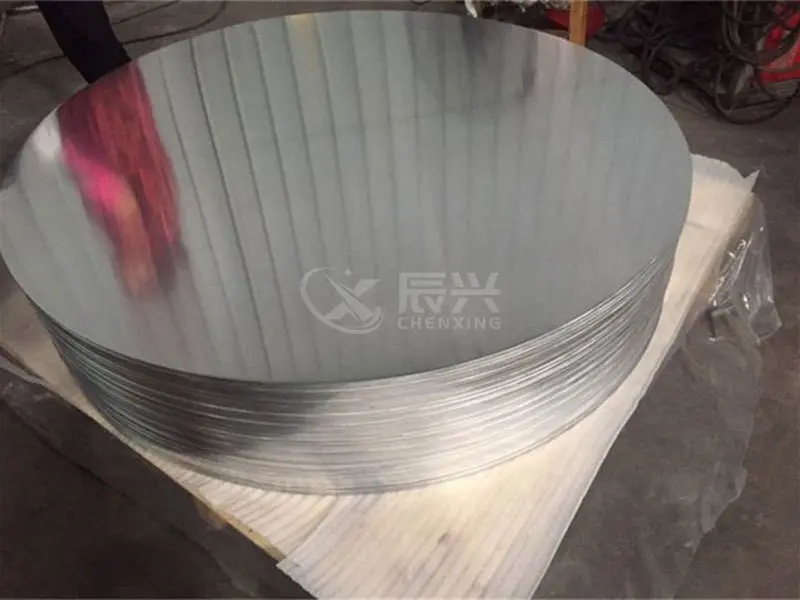
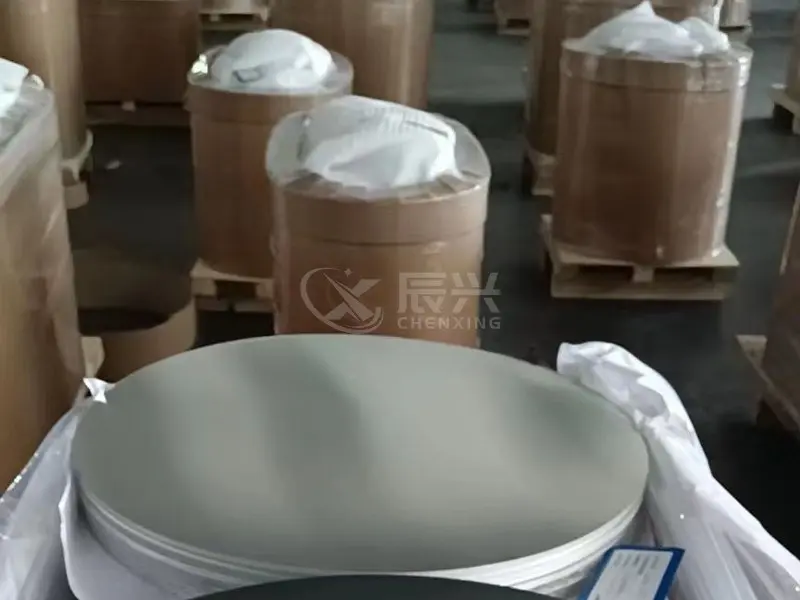
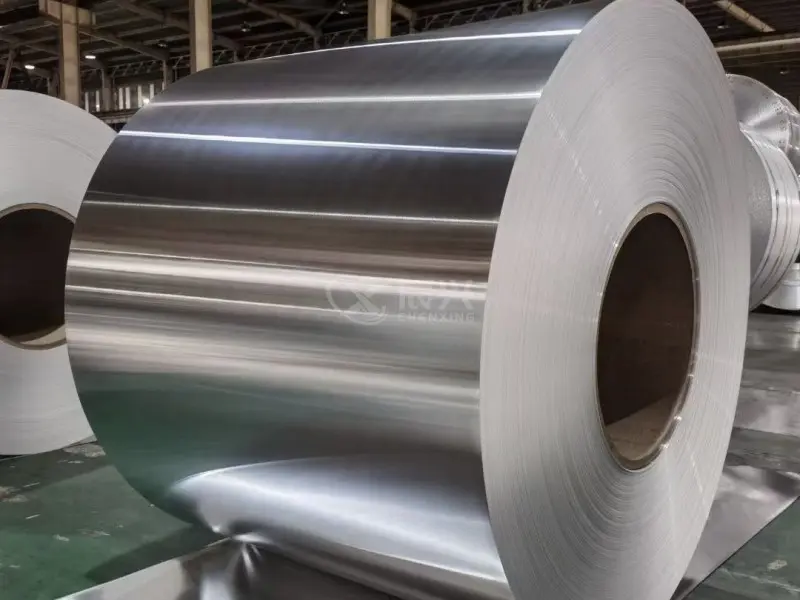
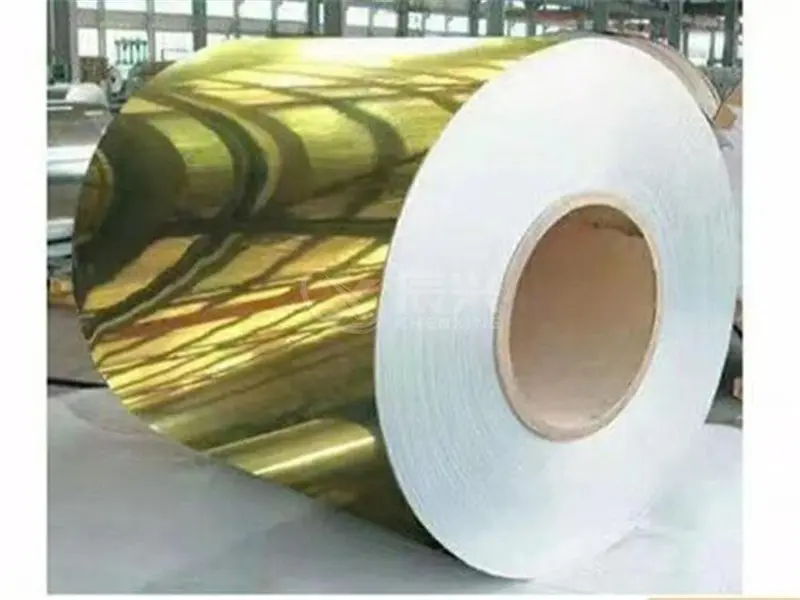
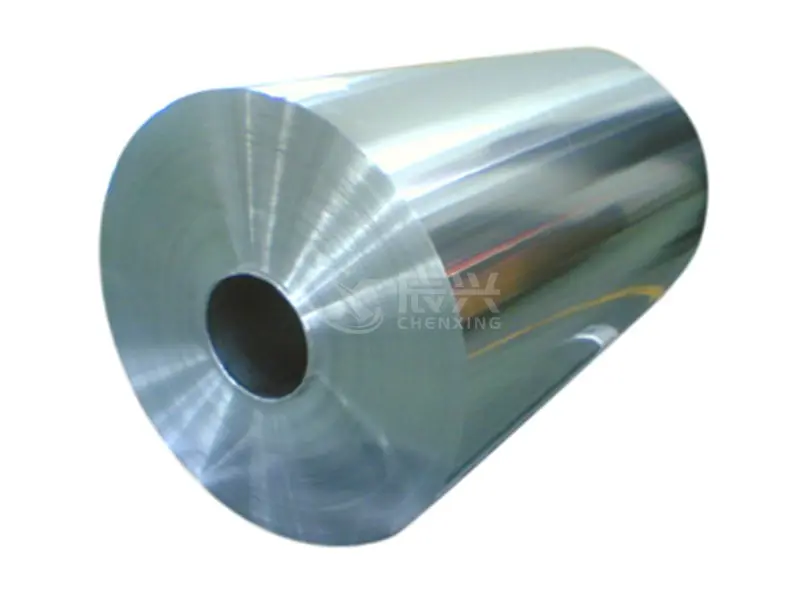
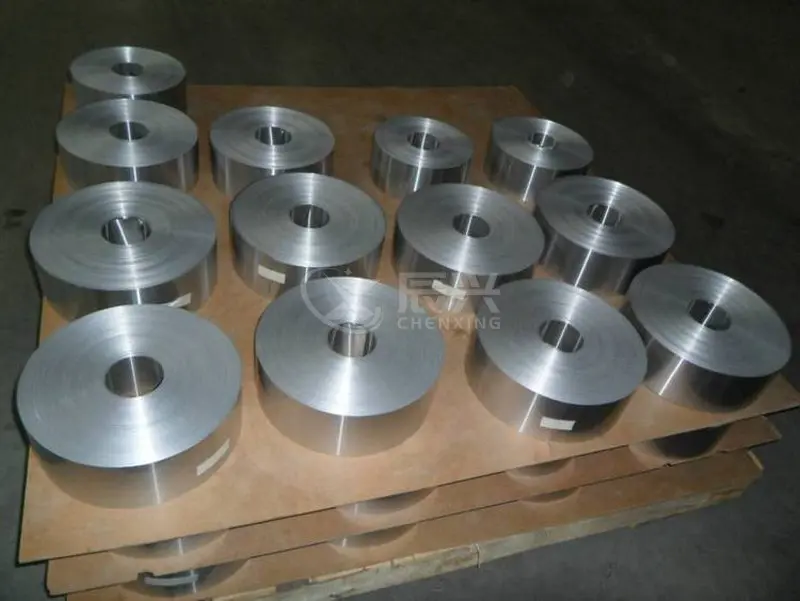
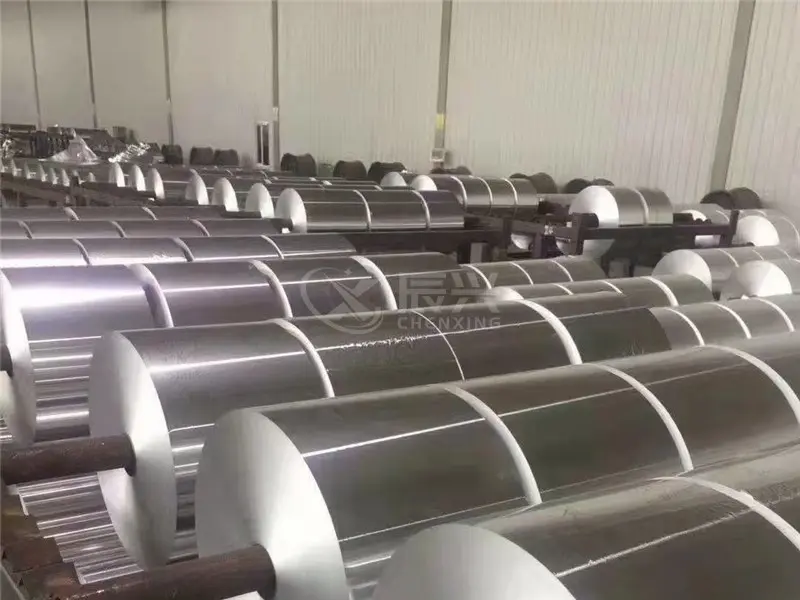
In high-end coating manufacturing lines, durability is established long before the paint layer is applied. Unprocessed aluminium naturally forms a thin oxide layer, which is insufficient to bind high-molecular coatings. To ensure structural integration, the base metal undergoes a series of precise chemical pre-treatment stages:
Removes rolling oils and residual metallic dust using a hot alkaline bath. A clean surface is critical to prevent micro-voiding during the subsequent curing phase.
Clears natural, uneven oxides from the raw aluminium. This creates a uniform surface topography that facilitates optimal chemical bonding.
Applies a nano-scale conversion layer. This non-chrome pre-treatment acts as an anchor for the primer while offering high resistance to under-film corrosion.
Following pre-treatment, the coil is moved through a continuous roll-coater. This machine applies the primer, which is subsequently cured at peak metal temperatures (PMT) ranging from 210°C to 249°C. Once cooled, the topcoat (such as PVDF or Polyester) is applied and baked at temperatures up to 260°C. This multi-stage curing process cross-links the polymers, transforming the liquid paint into a continuous, flexible plastic skin. This layer is capable of withstanding severe deformations during subsequent cutting and roll-forming operations.
Our coated and specialty aluminium products are used across a wide range of industries, delivering structural performance in diverse applications.
In global distribution, compliance is essential. To maintain consistent quality across regional markets, all coated aluminium coils undergo standardized quality testing in our on-site laboratories:
Compliance Note: Our manufacturing processes align with the ISO 9001:2015 quality management system. The coatings used are formulated without lead, complying with RoHS and REACH regulations for structural projects.
For inquiries about our products or pricelist, please contact us and we will be in touch within 24 hours.
Stay informed on global supply chains, raw material dynamics, and technical developments in coated and processed aluminium.
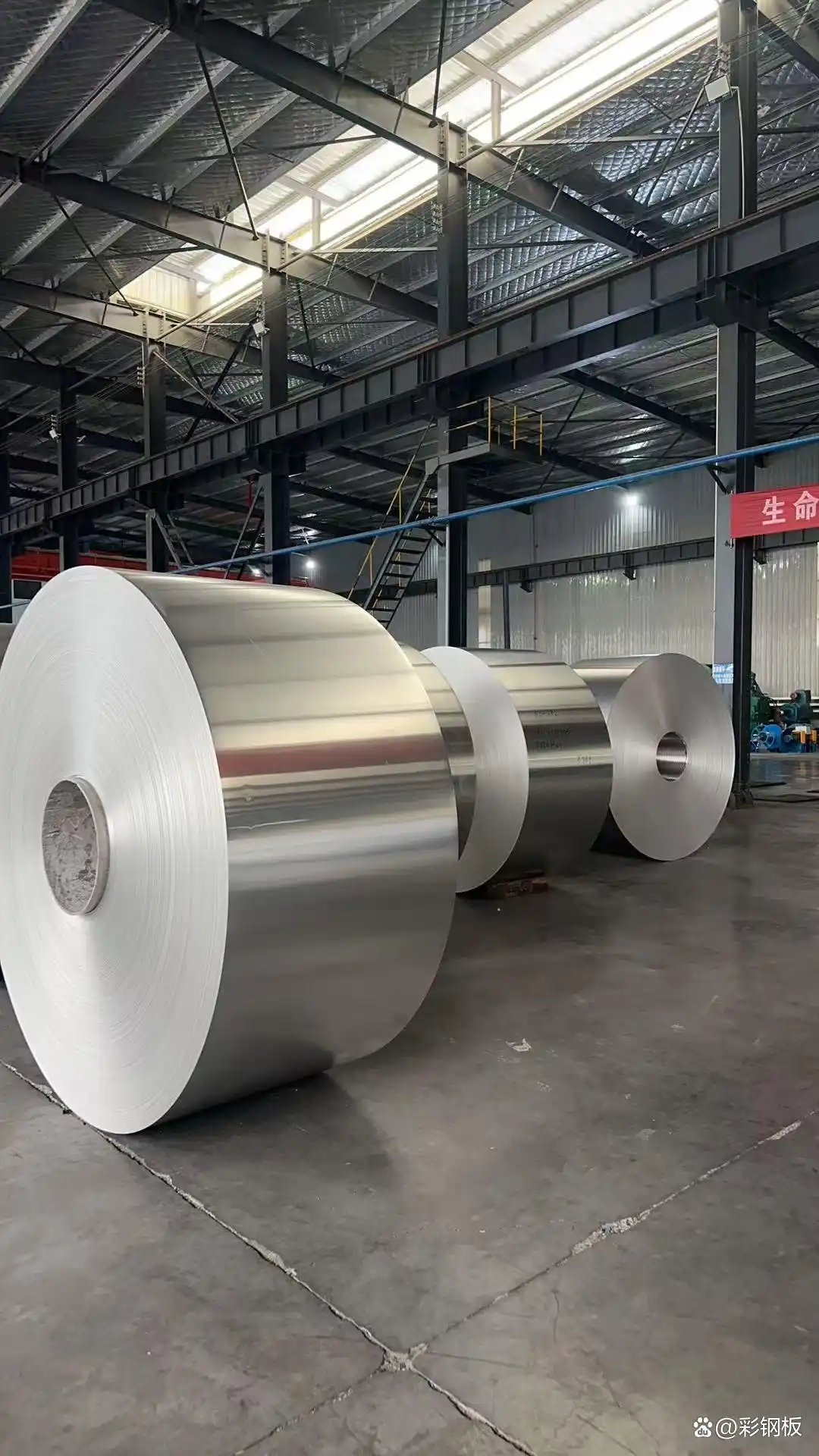
Direct technical answers to questions commonly raised by procurement managers and structural engineers.
Custom color matching requires a physical color sample or a RAL/PANTONE code. The laboratory formulation process takes 3–5 working days, followed by sample delivery. Once the color sample is approved by the client, production is scheduled, with lead times ranging from 15 to 25 days depending on the volume.
Coated aluminium is approximately 60% lighter than pre-painted steel of the same thickness. It offers superior atmospheric corrosion resistance, as aluminium does not rust if the paint layer is scratched. While PPGI has a lower initial material cost, coated aluminium provides a longer service life and higher residual scrap value.
We manufacture coated aluminium coils in thicknesses ranging from 0.02 mm (foil substrates) up to 3.0 mm (structural plate substrates). The standard width ranges from 800 mm to 1600 mm, with custom slitting options available for narrower widths down to 20 mm.
Alloy 3003 and 3005 are commonly recommended for architectural profiling and corrugated sheet manufacturing due to their workability and mechanical strength. For structural architectural systems requiring higher strength, alloy 5052 is preferred.
Premium PVDF and PE coated aluminum coils, structural plates, and high-purity alloy sheets sourced for industrial applications.