
Engineered to meet international industrial standards and certified for heavy-duty structural applications.

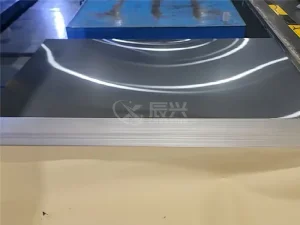
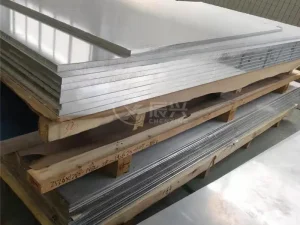
An executive overview of market size, metallurgical dynamics, and structural trends shaping checker plate demand.
The global demand for Chequer Plate Aluminium Sheet (frequently designated as checker plate, tread plate, or diamond plate) continues to scale, propelled by the modern push for lightweight engineering, corrosion-resistant structures, and stringent occupational safety standards. As industrial plants, logistical hubs, and maritime vessels demand high fatigue strength paired with minimized structural weight, aluminium has rapidly outstripped mild steel as the standard material choice.
Unlike steel variants that require hot-dip galvanization or protective paints to prevent oxidation, aluminium checker plates generate a natural, self-healing oxide layer that acts as a structural defense mechanism against aggressive environments. This characteristic makes them critical in saline maritime conditions, chemical processing plants, and food manufacturing facilities where sanitization and chemical washdowns are frequent.
From a supply chain perspective, top-tier manufacturers focus on metallurgical optimization through highly monitored cold and hot rolling routines. By controlling the dispersion of magnesium (as seen in the 5xxx series alloys) or magnesium-silicide compounds (seen in the 6xxx series alloys), factories are able to balance tensile strength with ductility, ensuring that panels can be formed, sheared, or welded without compromising their structural integrity.


Understanding alloy tempers, grain structures, and international performance requirements.
Industrial sectors are shifting from general-purpose 1xxx series utilities to high-performance alloys. The 5754-H111 and 5052-H114 tempers represent the pinnacle of structural checker plate design. The H114 state indicates that the plate is cold-worked to produce the diamond or five-bar pattern without inducing residual stresses that would trigger micro-cracking during subsequent forming processes.
Beyond simple embossing, companies are integrating advanced anodization and chemical passivating treatments to improve the corrosion potential. Anodized checker plates exhibit elevated resistance to local pitting, while preventing the grey oxidation film typical of raw aluminium exposed to high-humidity storage spaces.
Standardized diamond layouts (1-bar) and five-bar (5-bar) arrangements are not merely aesthetic choice; they are calibrated configurations designed to maximize friction. The height of the pattern projection (typically 1.0mm to 1.5mm) determines the slip resistance rating according to international occupational safety standards (such as EN 1386).
| Alloy Grade | Common Temper | Density (g/cm³) | Tensile Strength (MPa) | Elongation (%) | Corrosion Rating | Primary Industrial Application |
|---|---|---|---|---|---|---|
| 1050 / 1060 | H14 / H24 | 2.70 | 85 - 120 | 10 - 15% | Excellent | Lightweight trim, heat shields, interior panels |
| 3003 | H22 / H24 | 2.73 | 120 - 175 | 8 - 12% | Very Good | Vehicle toolboxes, trailer floors, interior wall cladding |
| 5052 | H32 / H114 | 2.68 | 210 - 260 | 12 - 18% | Excellent (Marine) | Maritime decking, chemical tanks, truck flooring |
| 5754 | H111 / H114 | 2.67 | 190 - 240 | 14 - 20% | Superior (Saline) | North Sea offshore platforms, heavy transport steps |
| 6061 | T6 | 2.70 | 290 - 310 | 8 - 10% | Good | Structural bridges, aircraft ramp plates, machinery bases |
How dynamic industrial sectors leverage high-performance aluminium alloys for critical systems.

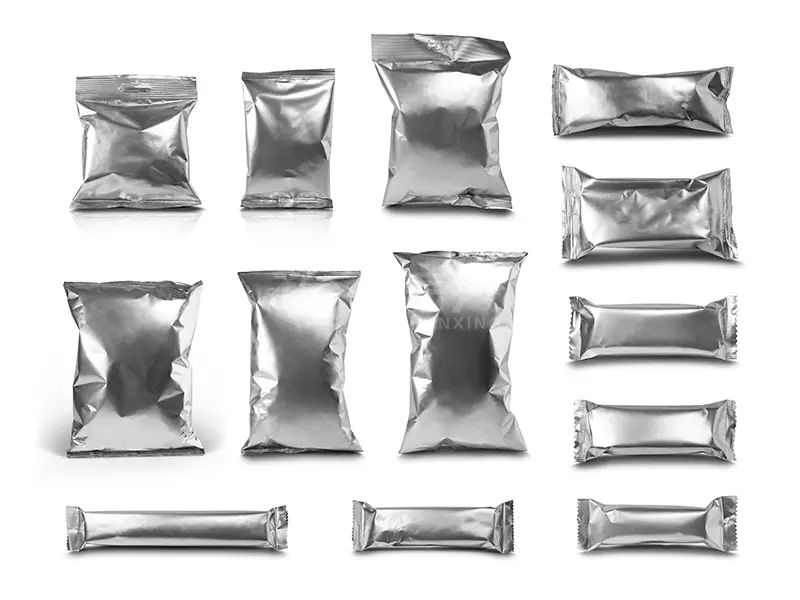


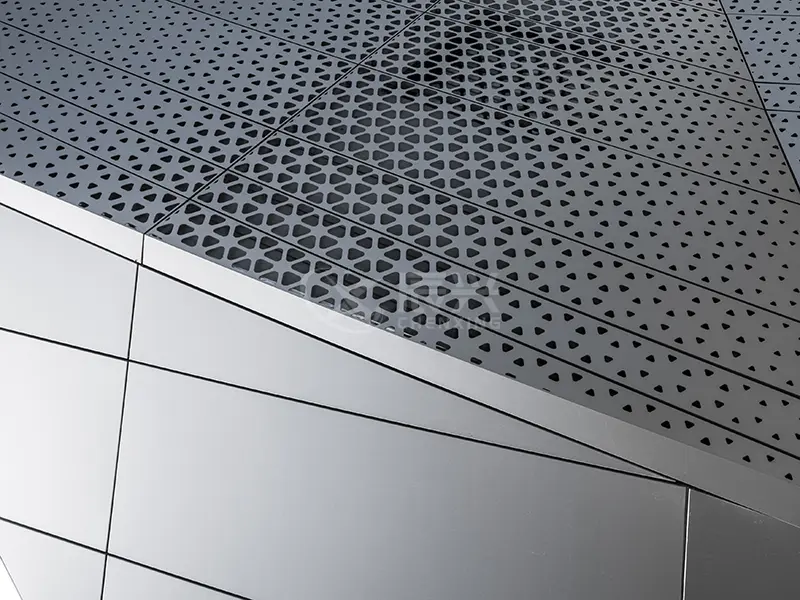

The green transformation of the global metal smelting and fabrication industries.
As ESG compliance targets become mandatory parameters for major procurement contracts in Europe and North America, sourcing companies are paying close attention to the carbon footprint of their aluminium supply chains. Primary smelters utilizing hydro-electric power rather than coal-fired grids are experiencing a massive influx of demand. Future production protocols focus on closed-loop circular systems, where post-consumer aluminium scrap is remelted into high-grade alloy formulations (such as 3003 and 5052), reducing energy consumption by up to 95%.
Modern rolling mills are deploying intelligent optical inspection systems to screen checker plate surfaces in real-time. Operating at processing velocities exceeding 10 meters per second, high-resolution cameras detect microscopic line defects, roll imprint abnormalities, and gauge variations. Simultaneously, advanced manufacturers are piloting laser texturing processes on rolling cylinders to produce customized slip-resistant tread geometries that yield optimal friction ratios under sub-zero and oily operations.
International construction projects mandate that all floor panels hold valid structural declarations. Quality-driven manufacturers guarantee that their products correspond directly with standard parameters, notably ASTM B209 (American Society for Testing and Materials) and EN 573-3 / EN 1386 (European Committee for Standardization). These codes outline exact chemistry limits, mechanical limits, and pattern elevation specifications, reducing project liability and ensuring structural long-term performance.
Addressing core technical questions, quality control criteria, and import optimization strategies.
Connect with our technical engineering division to configure custom alloy dimensions, select pattern geometries, and receive comprehensive batch pricing within 24 hours.
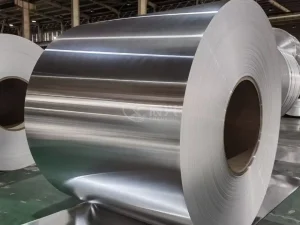
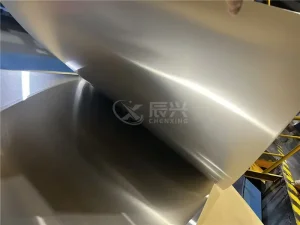
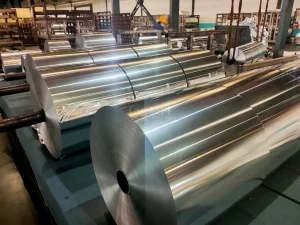
Complementary structural foils, coated coils, and performance alloys for advanced manufacturing systems.


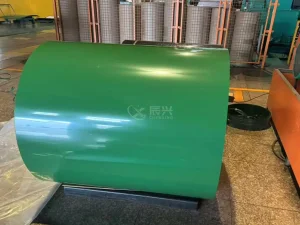
Stay informed with current market trends, technology roadmaps, and metallurgical innovations.
Analysis of the expanding international trade flows and capacity increases in high-performance structural tread plates.
Technical exploration of foil performance requirements within the global electric vehicle supply chain.
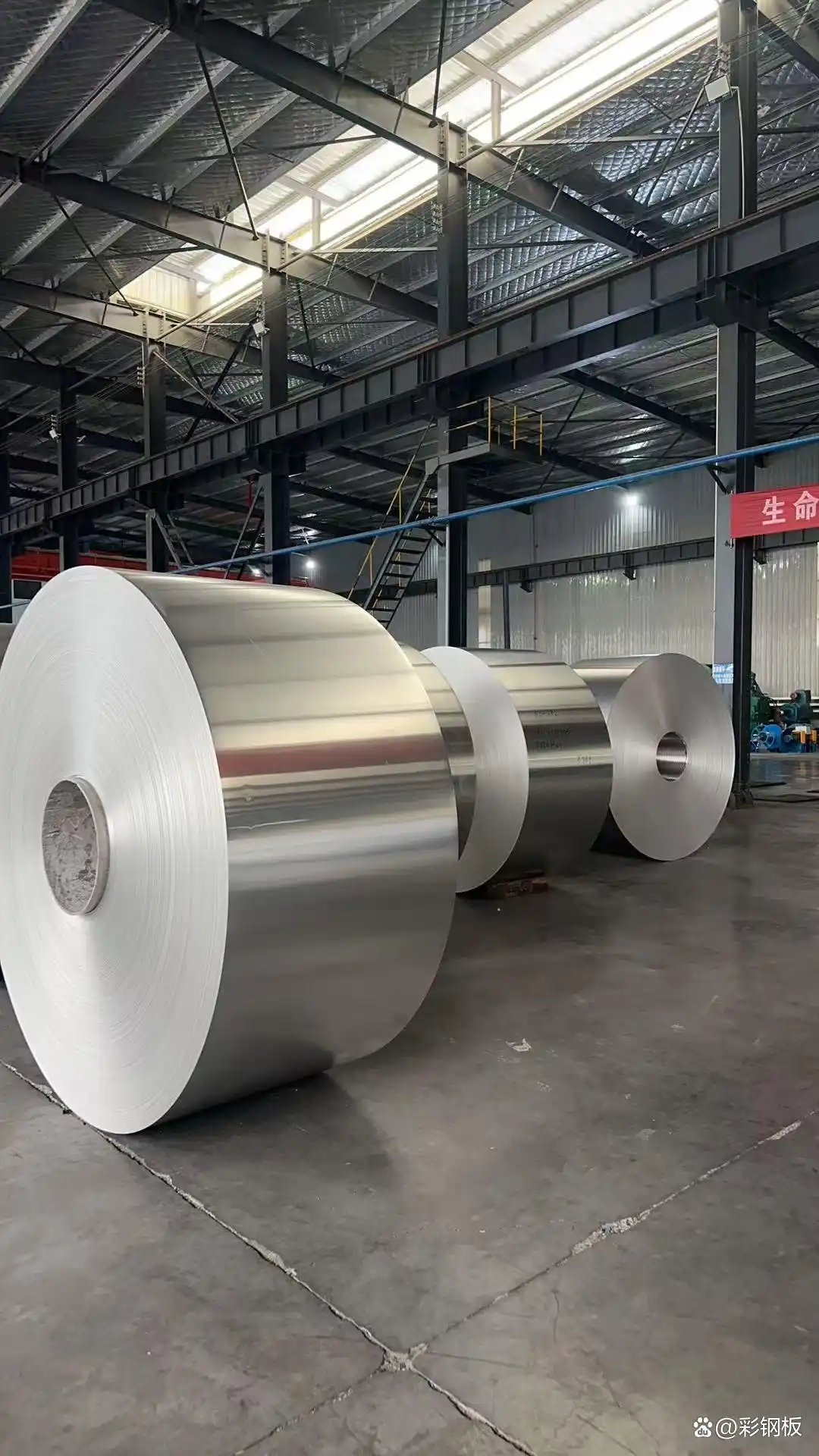
Evaluating carbon accounting developments and structural supply shifts toward low-carbon manufacturing lines.