
Explore our premium-tier industrial products directly manufactured under strict IATF 16949 and ISO 9001 quality frameworks.
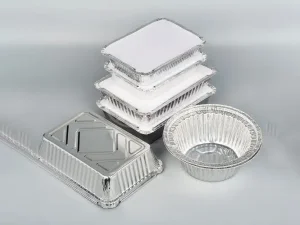
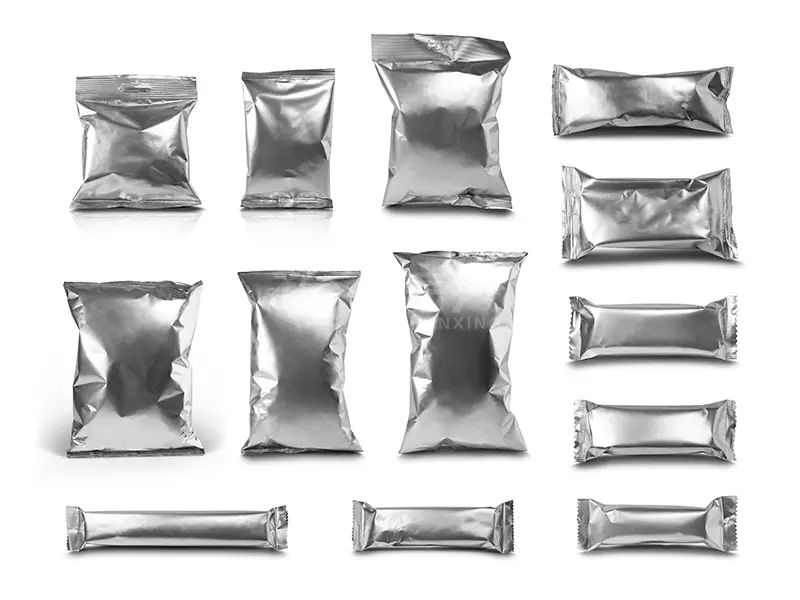
Stackable storage solutions and customizable lunch boxes engineered from non-toxic, high-barrier alloys.
View Details →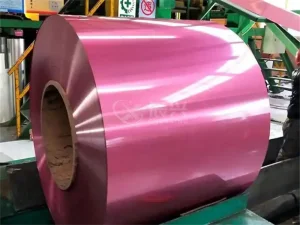
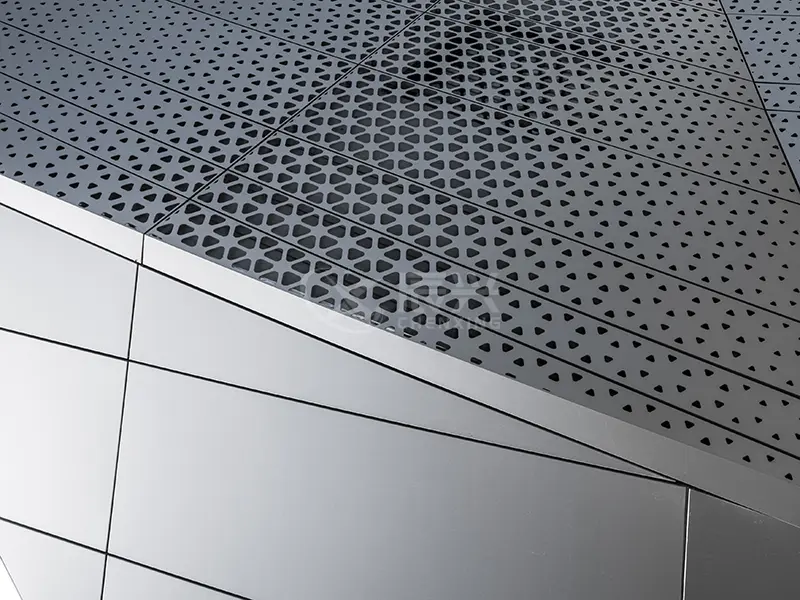
High-uniformity architecture and decorative color-coated coils featuring superior UV and environmental corrosion resistance.
View Details →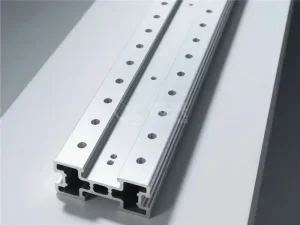
Precision-dimensioned profiles engineered for industrial frames, structural applications, and thermal solutions.
View Details →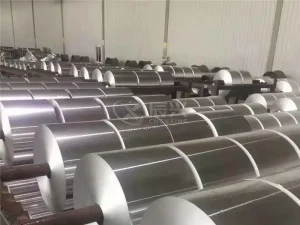
High-purity barrier packaging materials developed specifically for protective blister wrapping of tablets and capsules.
View Details →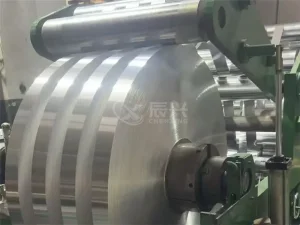
Specially tempered alloy strips designed for reinforcing structural PEX, PERT, PE, and PPR multi-layer composite pipes.
View Details →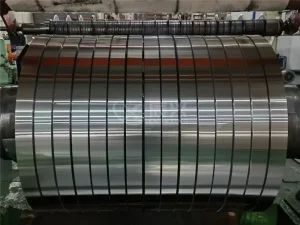
Premium precision-slit flat strips engineered for electrical transformer windings, cables, and shielding systems.
View Details →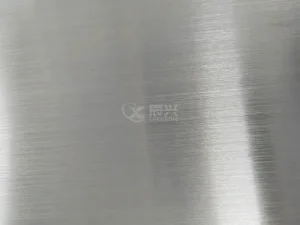
Advanced surface-finished coils providing an elegant textured finish for consumer electronics and appliance fascia.
View Details →
Durable, uniform thickness polyester-coated sheets designed for heavy industrial cladding and marine applications.
View Details →Analyzing procurement logic, materials engineering, ESG benchmarks, and China's Factory 4.0 paradigm shifts.
The global aluminum supply chain is undergoing structural changes driven by macro-economic factors, decarbonization legislation, and localized security requirements. Aluminum is an essential metal for modern infrastructure, automotive engineering, consumer electronics, and sustainable packaging. As major industrial regions implement carbon adjustment taxes—such as the European Union's Carbon Border Adjustment Mechanism (CBAM)—the focus has shifted from low-cost sourcing to carbon footprint optimization and structural reliability.
Today, global buyers looking for aluminum manufacturing partners are not just purchasing raw metal. They are sourcing high-performance, precision-processed products that meet strict chemical tolerances, mechanical specifications, and sustainability criteria. The modern aluminum manufacturing plant must balance advanced smelting processes with low-emissions energy sources while deploying continuous extrusion, rolling, and surface treatment facilities.
Information Gain: Industrial buyers now prioritize "Scope 3 emissions transparency." Leading manufacturers are adopting digital product passports and smart metallurgical tracking to guarantee tracing from raw bauxite to finished precision profiles.
Industrial sourcing teams look at several key parameters when evaluating global aluminum factories. High-precision industries, including medical packaging, EV battery cooling plates, and aerospace framing, demand narrow metallurgical variances and strict dimension controls.
Standard structural configurations typically use 6xxx-series alloys (Al-Mg-Si) for extrusion and 5xxx-series (Al-Mg) or 3xxx-series (Al-Mn) for rolled sheets. Each alloy requires customized heat treatment (T4, T6, or H14, H24 tempers) to achieve the optimal balance between yield strength, elongation, and corrosion resistance. An experienced manufacturing partner must have the engineering expertise to configure these tempers during the continuous inline quench and aging processes.
In terms of supply chain reliability, buyers look for plants with integrated raw material supplies to hedge against price volatility on the London Metal Exchange (LME) and Shanghai Futures Exchange (SHFE). Integrated plants can absorb short-term price shocks and guarantee consistent lead times.
The shift to smart manufacturing in China, known as Factory 4.0, has upgraded traditional aluminum production. High-speed rolling mills and extrusion presses now use closed-loop feedback systems and Automated Gauge Control (AGC) to monitor thickness, shape, and surface finish in real-time.
Computer-vision-based inspection systems scan moving sheets and foils at speeds up to 1,500 meters per minute, catching minor defects like pinholes or roll marks. This is critical for battery current collectors and pharmaceutical packaging where zero-defect standards are required.
Integrating Smart MES (Manufacturing Execution Systems) with ERP software allows complete material traceability. Each coil, sheet, or extrusion profile gets a unique identifier that tracks its entire production history—from chemical analysis of the original melt to final quality checks and shipping. This digital tracking speeds up quality audits and supports continuous process improvement.
Delivering advanced metallurgy and custom industrial alloys worldwide.
Efficient logistics networks shipping to regions including Europe, North America, and Southeast Asia.
Continuous visual checking and real-time thickness control systems.
24/7 technical customer support with complete problem-solving reports within 24 hours.
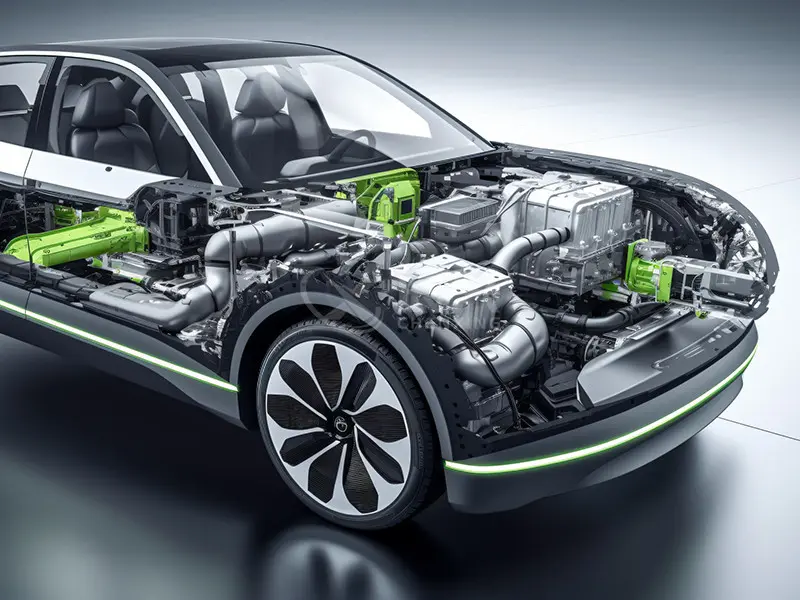
Our products are engineered to meet the requirements of modern technology, energy, and construction projects.



Key information regarding metallurgical specifications, testing options, and international standards.
Explore our heavy-duty sheets, precision-cut plates, and high-performance battery foils designed for demanding manufacturing environments.
Excellent marine corrosion resistance and high fatigue strength, ideal for sheet metal components and fuel tanks.
View Details →
High-thickness plates with uniform temper and low internal stress, optimized for precision CNC machining and tooling.
View Details →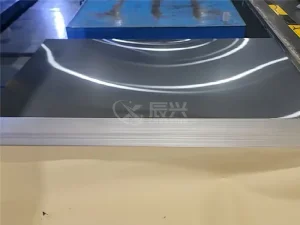
Highly workable Al-Mn alloy sheet with excellent formability and chemical resistance, widely used for heat exchangers.
View Details →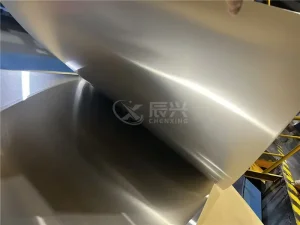
Deep-drawing quality sheet stock characterized by high yield strength and corrosion resistance for packaging ends.
View Details →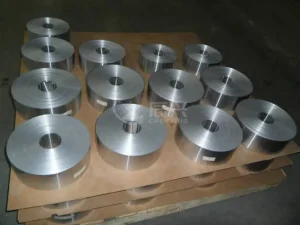
Flexible, tear-resistant foil developed for HVAC ducting, thermal insulation wraps, and building systems.
View Details →
Heavy structural plates designed for high durability in marine, chemical processing, and transport platforms.
View Details →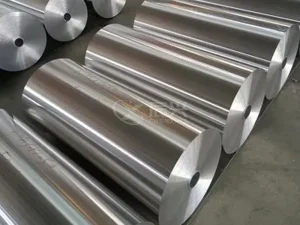
Ultra-high purity current collector foil designed for energy density stability in lithium-ion batteries.
View Details →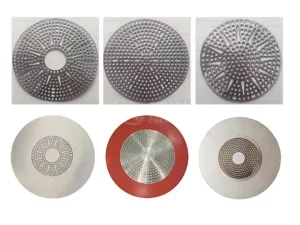
Laminated composite circular discs designed for manufacturing heat-conductive induction cookware.
View Details →Insights on clean energy usage in aluminum processing, market demand for battery-grade foils, and global trade updates.
Analyzing changes in global supply chains as manufacturers adapt to clean energy requirements and new carbon tariffs.
Read More →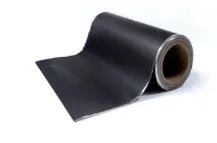
Analyzing the growing demand for high-purity current collectors driven by the expansion of EV battery manufacturing facilities.
Read More →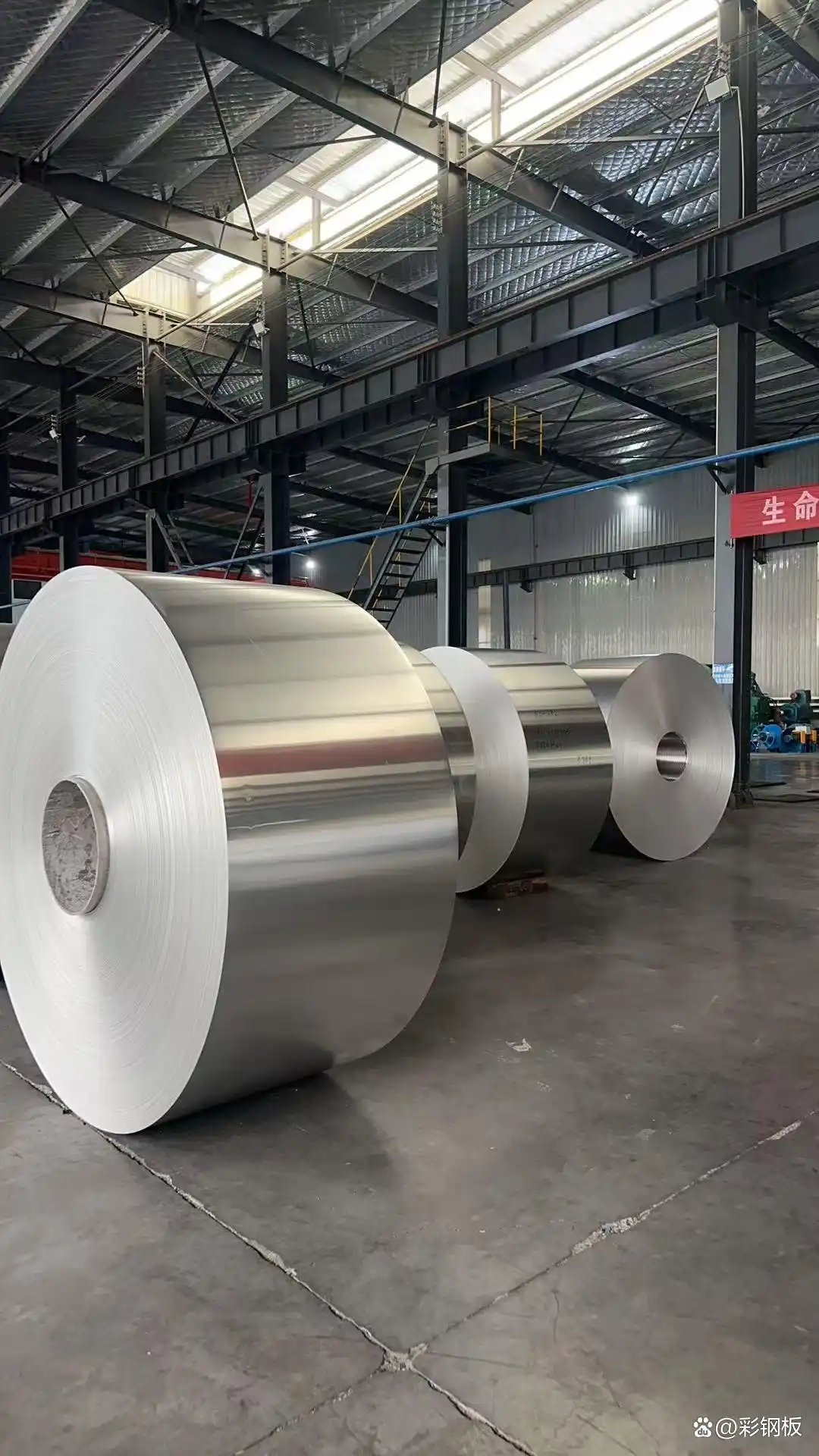
How energy-efficient buildings are increasing the demand for color-coated coils in exterior facade panels.
Read More →Connect with our engineering and sales teams to request alloy material data sheets, factory certifications, or a customized production quote.