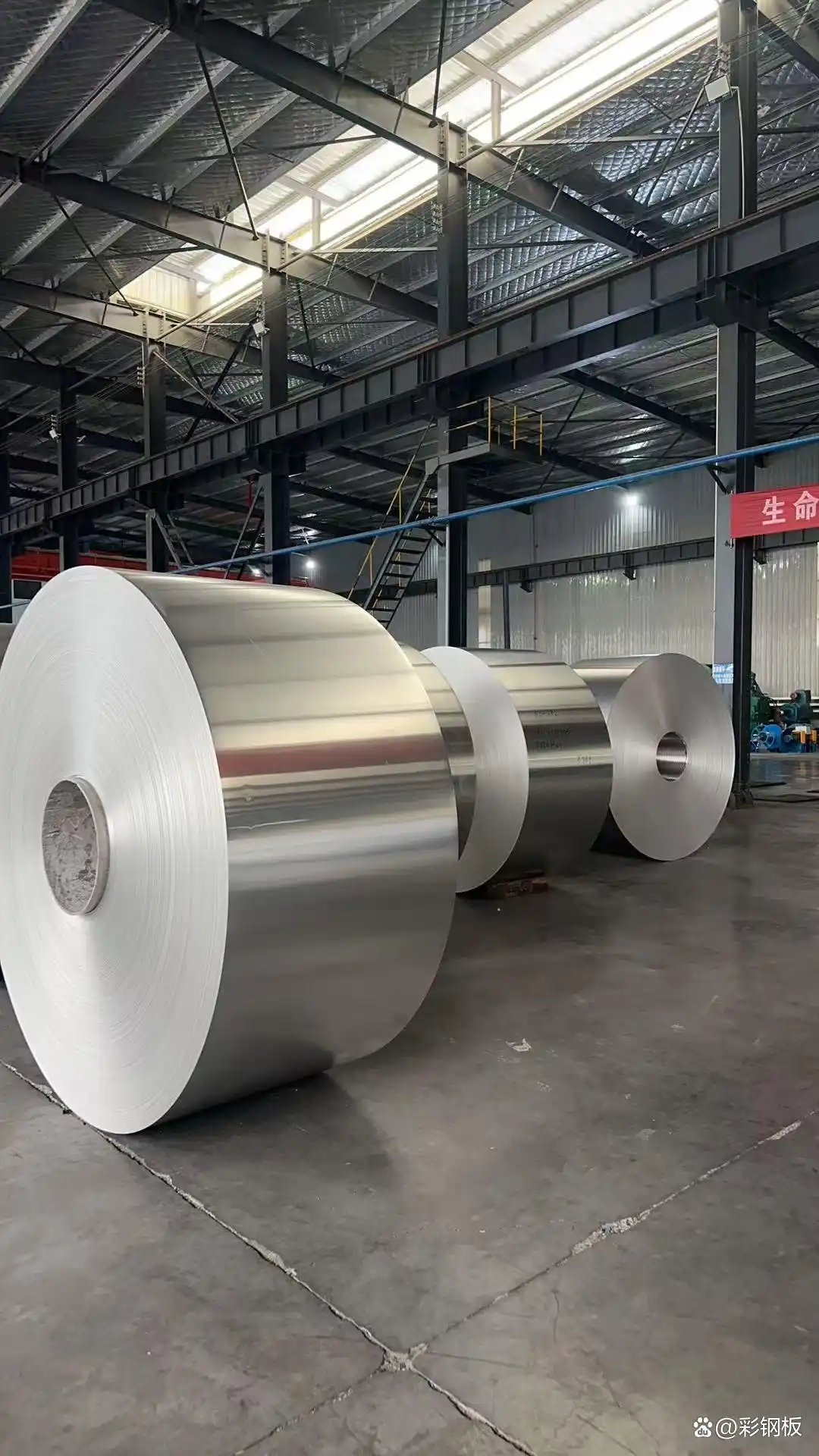
Direct from verified global production facilities. Explore high-performance aluminium alloys engineered to handle extreme environmental stressors.
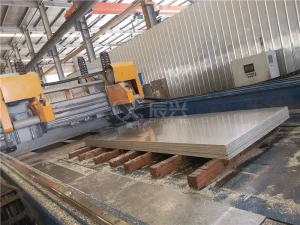
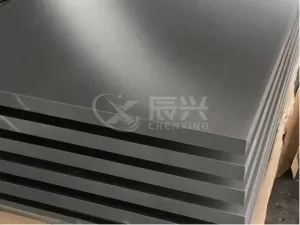
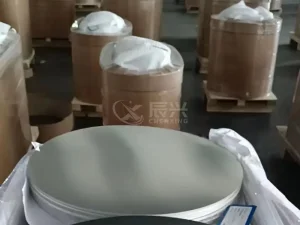
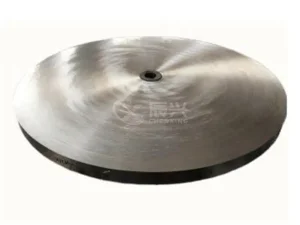
Delivering precision-rolled aluminium components to global infrastructure networks.


Continuous coil casting and high-precision sheet rolling processes matching ASTM and EN tolerances.
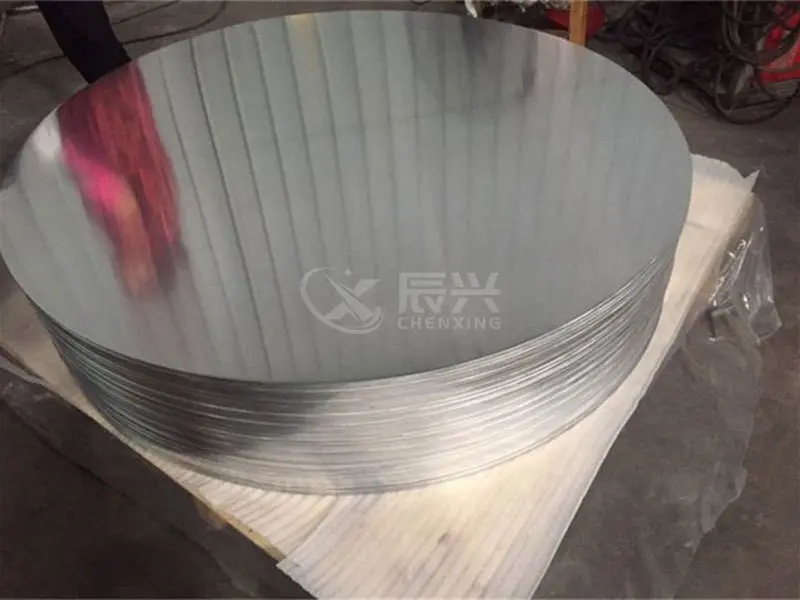
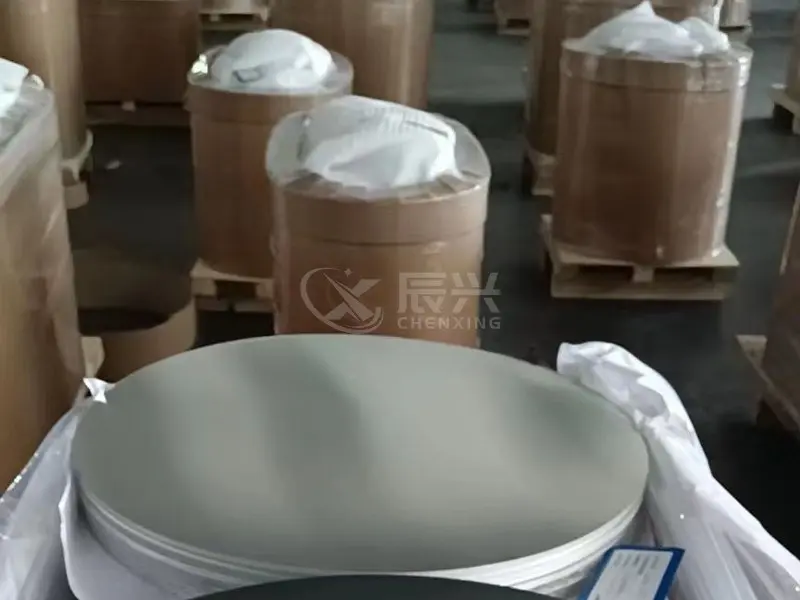
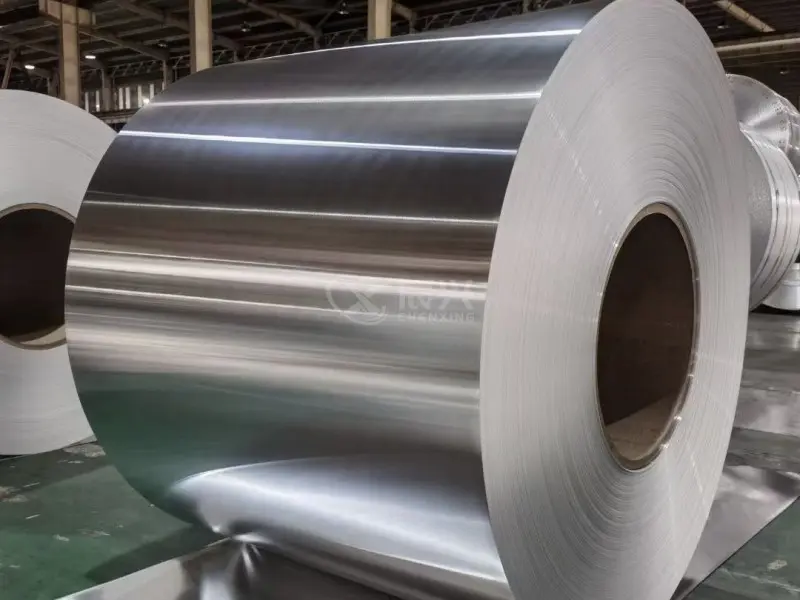
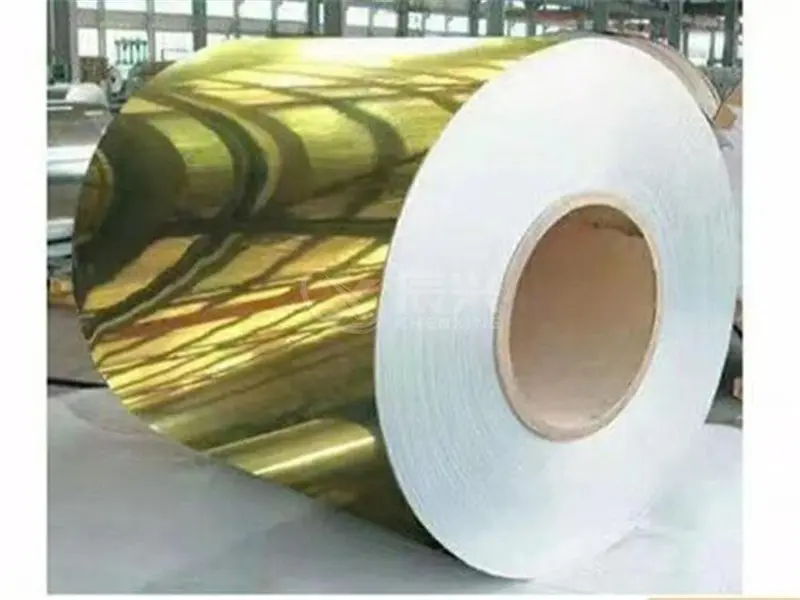
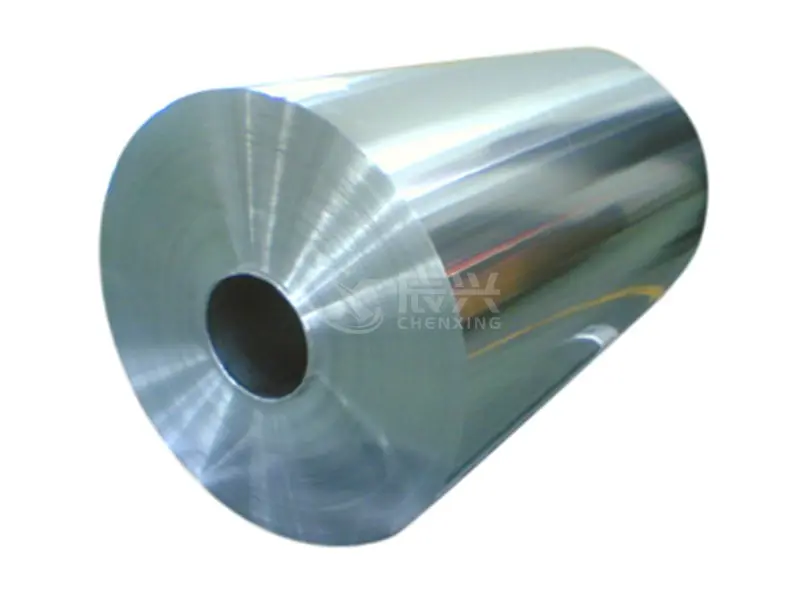
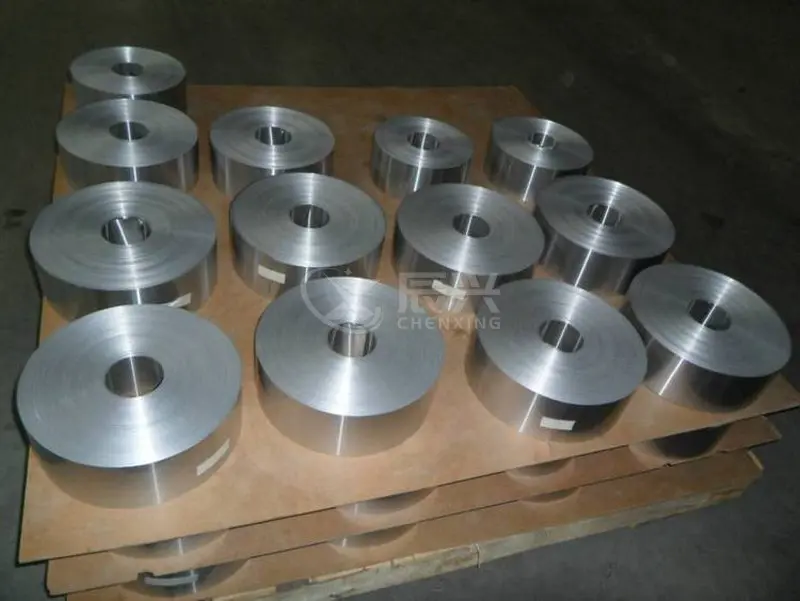
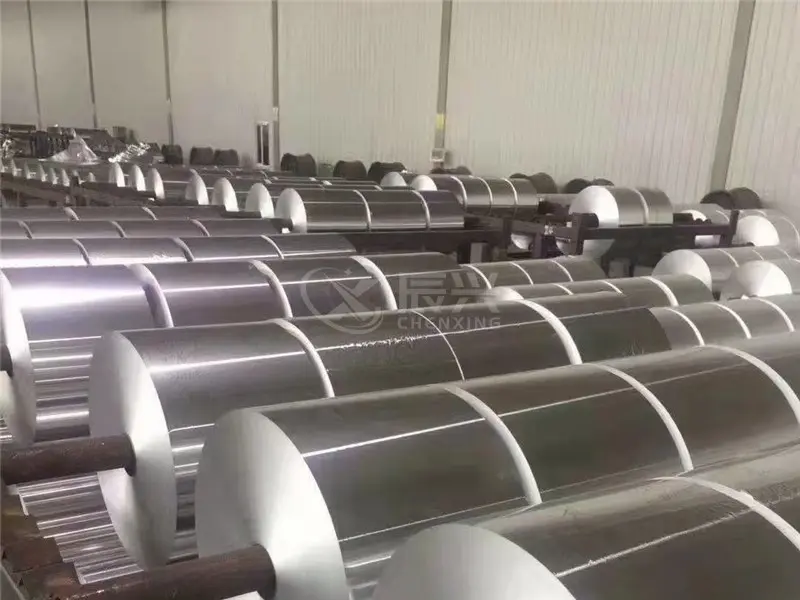
A comprehensive analysis of metallurgy, structural engineering, and procurement dynamics in global markets.
The building envelope sector is shifting toward structural materials that offer both long-term sustainability and weather resistance. Traditionally dominated by heavy galvanized steel and rust-prone iron, industrial roofing now relies heavily on engineered aluminium alloy sheets. This transition stems from the unique weight-to-strength ratio of structural aluminum, combined with its natural atmospheric self-healing mechanism.
When exposed to oxygen, aluminum instantly forms a micro-thin, chemically stable aluminum oxide layer. In coastal or highly polluted industrial regions, this thin oxide boundary prevents deep pitting corrosion, solving the rust issues associated with steel. The alloy systems optimized for corrugated roofing profiles include the 3xxx (Al-Mn) and 5xxx (Al-Mg) series. The manganese addition in 3003 and 3004 sheets raises structural yield strength, while the magnesium in 5754 and 5083 provides the corrosion resistance needed for marine projects and chemical refineries.
As modern engineering requires lighter roofs to lower structural footprint and speed up construction, manufacturers are developing thin-gauge, high-yield panels. By utilizing cold-rolling configurations and precision thermal annealing processes, mill facilities can supply materials with tight dimensional tolerances and uniform grain structures. This guarantees uniform load distribution under high snow and wind loads.
Alloy 3003-H14: Ultimate Tensile Strength: 140-180 MPa | Yield Strength: ≥120 MPa | Excellent Formability.
Alloy 5754-H22: Ultimate Tensile Strength: 220-270 MPa | Yield Strength: ≥130 MPa | High Marine Corrosion Resistance.
Alloy 5083-H112: Ultimate Tensile Strength: ≥275 MPa | Yield Strength: ≥125 MPa | Heavy-duty Industrial & Infrastructure Grade.
Enterprise purchasing departments must balance material cost against processing yield and delivery reliability. Procuring architectural-grade aluminium sheet roofing requires clear, data-driven technical specifications. A common mistake during international sourcing is overlooking the temper state (e.g., H14, H24, H18) or ignoring chemical composition certificates (MTC) matching ASTM B209 or EN 485 standards.
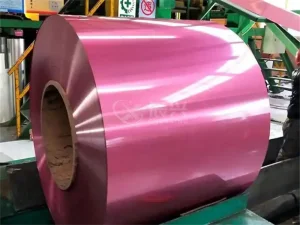
Supply chain resilience depends on selecting partners with integrated casting, hot-rolling, and cold-finishing facilities. Procurement managers should review mill capacities to verify they can process large volume runs without variance in sheet thickness or paint coating adhesion. The shift toward custom color systems (PVDF and PE coatings) makes long-term UV resistance a key metric. Buying directly from primary manufacturers helps secure warranties for gloss retention and chalking resistance under intense solar radiation.
Logistics planning is also critical to structural aluminum procurement. Coils and sheets are susceptible to water stains if exposed to moisture during transit. Sourcing specifications should require export-standard sea packaging, including wooden pallets, vapor-corrosion-inhibitor (VCI) papers, steel band strapping, and silica gel packs, arranged in either "eye-to-sky" or "eye-to-wall" configurations depending on the unloading equipment on-site.
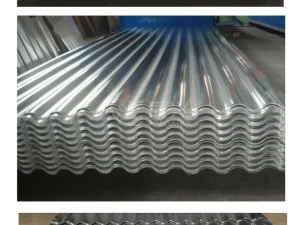
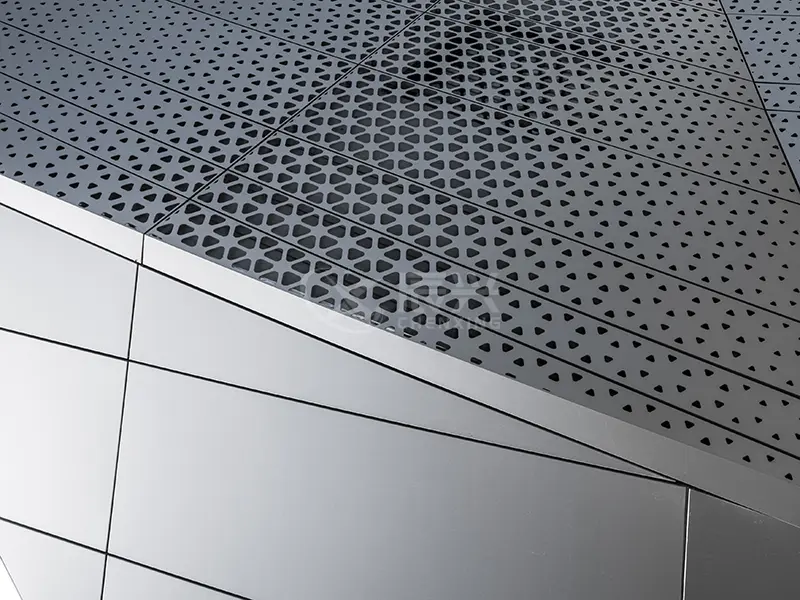
Aluminium roofing sheets serve diverse architectural applications, from small commercial warehouses to massive airport terminals, railway stations, and cleanroom facilities. The metal's flexibility allows fabricators to create custom standing seam profiles, snap-lock panels, and corrugated sheets that meet specific structural requirements.
For large-scale infrastructure, aluminum's low weight significantly reduces the dead-load on supporting steel trusses. This allows engineers to design larger spans with less structural framing, lowering overall material costs. Additionally, the reflectivity of bare or light-coated aluminum sheets redirects solar radiation, lowering cooling costs in warm regions.
In harsh settings like petrochemical plants or water treatment facilities, standard steel panels often fail within years due to chemical exposure. Using 5xxx series alloys (like 5754) ensures the roofing system remains structurally sound throughout the building's lifecycle. Combining these alloys with non-conductive insulation systems provides high acoustic and thermal performance for industrial projects.
Galvanic corrosion can occur when aluminum meets dissimilar metals, such as steel or copper, in the presence of an electrolyte. Designers should specify stainless steel (304 or 316) fasteners and non-conductive EPDM rubber washers to isolate connection points and prevent localized corrosion.
High quality standards require testing protocols at every stage of production. Standard quality control begins with raw ingot testing via optical emission spectrometers to verify chemical compositions remain within ASTM guidelines. During hot and cold rolling stages, automated gauge controls measure thickness consistency, catching variations before they affect downstream forming.
Mechanical testing verifies tension limits, yield points, and elongation capacity, ensuring the aluminum can handle the roll-forming process without cracking. For coated sheets, paint adhesion tests, such as cross-hatch cuts, T-bend clearances, and MEK solvent resistance tests, are performed on every batch. Testing certificates are provided to customers to verify transparency and compliance with international standards.
If quality deviations occur, manufacturers use the 8D (Eight Disciplines) problem-solving methodology. This structured process helps identify, correct, and eliminate recurring issues. The system requires establishing immediate containment actions within 24 hours, locating root causes through fishbone analysis, and implementing permanent corrective actions to ensure consistent product quality.
The aluminum industry is evolving to meet new environmental requirements. Decarbonizing primary smelting processes through inert anode technology is reducing the carbon footprint of structural aluminum production. Modern factories are transitioning to "green aluminum" by using renewable energy, such as hydroelectric power, to run their smelters.
Aluminum is highly recyclable, losing none of its physical properties during reprocessing. Using recycled scrap requires only 5% of the energy needed to produce primary aluminum from bauxite ore. This capability makes aluminum roofing a key material for sustainable commercial construction.
Additionally, researchers are developing smart coatings with photocatalytic properties that break down atmospheric pollutants under UV light. Incorporating high-reflectivity thermal finishes will also help reduce heat island effects in large cities, paving the way for more energy-efficient industrial roofing designs.
Customized alloy compositions and dimensions designed for demanding industrial sectors.
Technical guidance and sourcing tips for engineers and purchasing professionals.
Market trends and factory insights from global metallurgy networks.
Get in touch with our technical sales engineers for price estimates, chemical composition details, and structural support options.
Inquire NowSelect the right alloy grade and dimension configuration for your project.