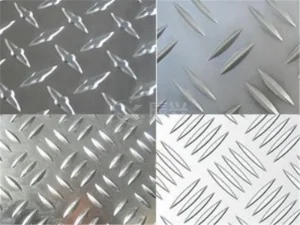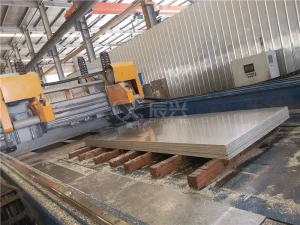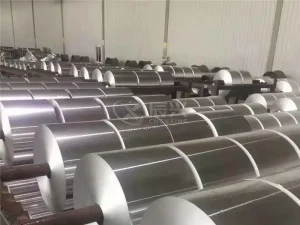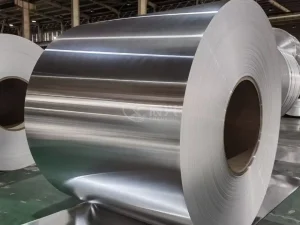
Browse our selected range of aluminum industrial sheets, foils, and high-strength circle plates engineered for deep drawing, industrial structural support, and marine-grade resistance.

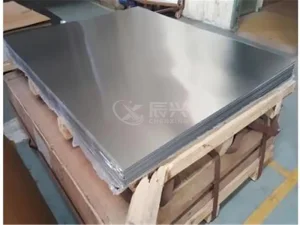
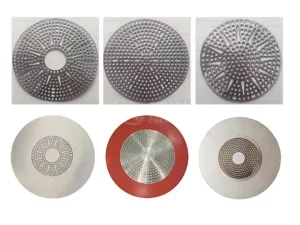
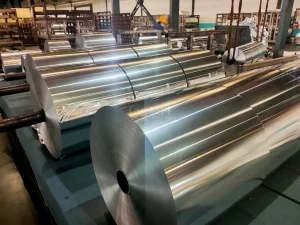
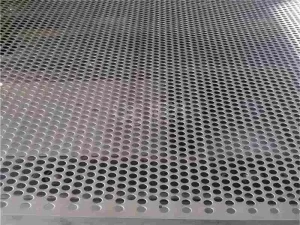
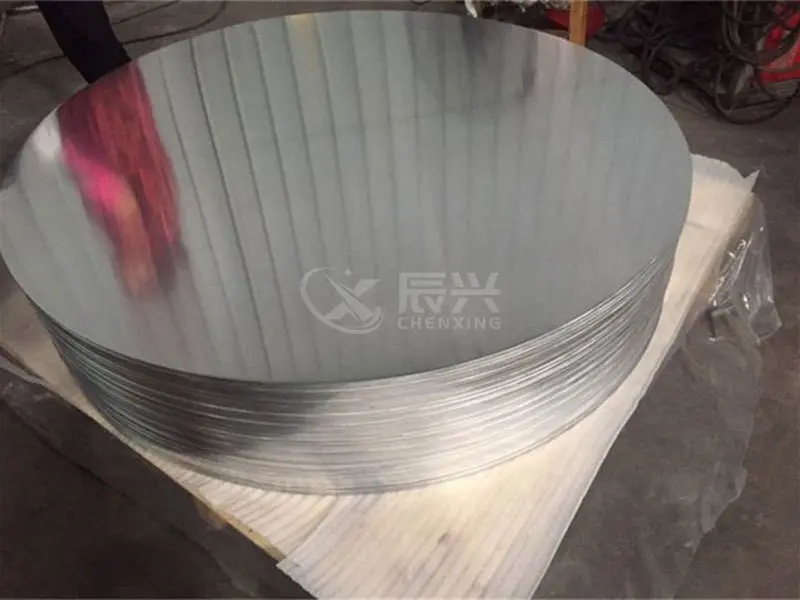
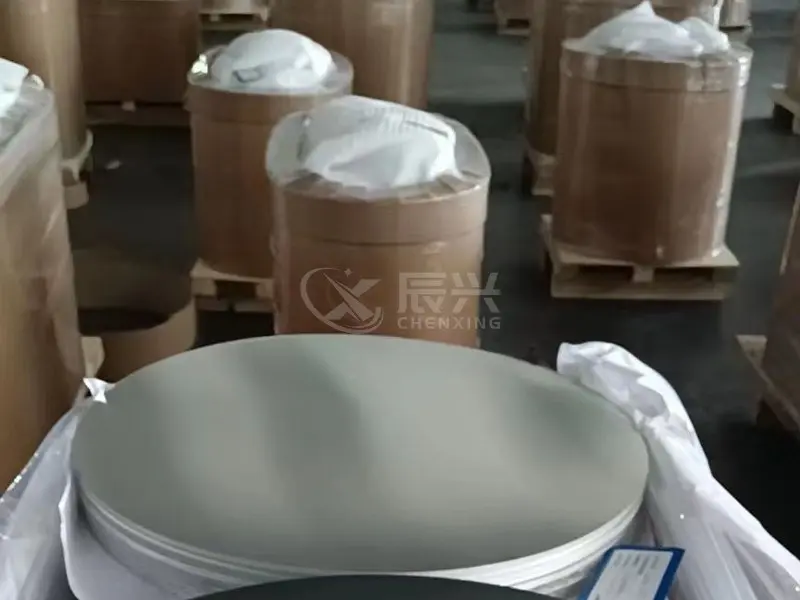
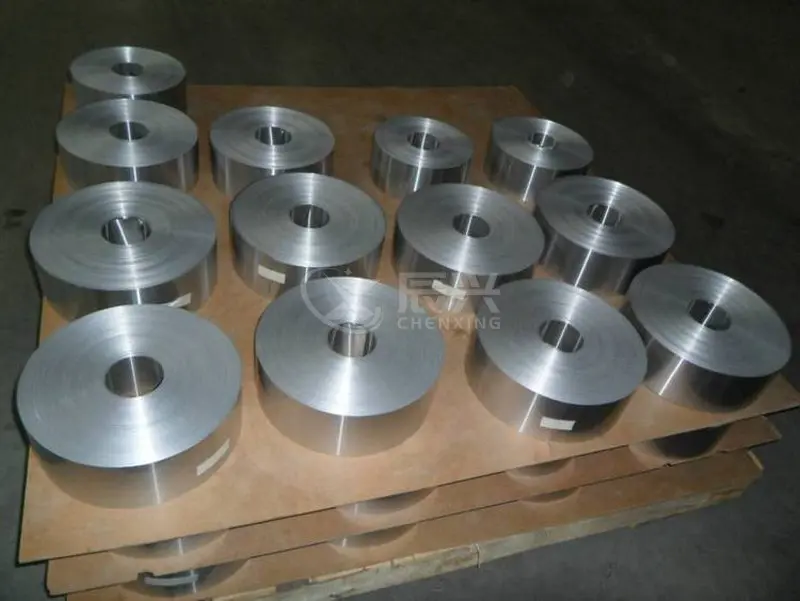
In contemporary B2B metallurgy supply chains, the aluminium circle plate (also colloquially referred to as aluminum disc blanks) stands as an indispensable raw material. Its unique circular profile, optimized grain orientation, and predictable recrystallization limits make it the ideal substrate for secondary manufacturing. Across the automotive, aerospace, lighting, and commercial cookware industries, sourcing high-grade aluminium circles directly from dedicated manufacturers has shifted from a transactional purchase to a strategic supply chain partnership.
Historically, the global market for aluminium discs was dominated by regional rolling mills. However, the last decade has seen a critical consolidation. Centralized, high-technology mills equipped with advanced continuous casting and rotary punching systems now drive the global market. The major industrial corridors in the United States, Central Europe, and East Asia rely heavily on specialized suppliers who can guarantee not only competitive pricing but strict chemical conformity. From deep-drawing Grade 1050 circles for anodized kitchenware to High-Strength 7075 and marine-grade 5083 sheets, contemporary engineering demands high isotropic properties to eliminate mechanical failure during metal deformation.
"High isotropic mechanical performance is the cornerstone of B2B procurement. Without rigorous grain structure control and thermal homogenization, manufacturers face elevated scrap rates during high-velocity stamping and deep-drawing runs."
As global manufacturers face volatile energy prices and complex shipping dynamics, partnering with vertically integrated companies is essential. An integrated company manages the entire production cycle—from direct smelting and continuous hot-rolling to precision blanking, chemical annealing, and moisture-controlled packaging. This end-to-end overview ensures that every batch maintains standard mechanical attributes, providing global industries with a highly consistent production flow.
The manufacturing roadmap of premium aluminium circles requires precision at every production stage. Quality is determined by chemical composition control, rolling reduction ratio, thermal profiling, and the accuracy of blanking matrices. Selecting the correct alloy and temper determines the success of downstream processes, particularly when subjected to extreme plastic deformation.
Understanding the core metallurgy begins with the casting process. Manufacturers typically utilize two main methods:
| Alloy Series | Common Tempers | Key Elements | Tensile Strength (MPa) | Elongation (%) | Primary Industrial Applications |
|---|---|---|---|---|---|
| 1050 / 1060 | O, H12, H14, H18 | Al ≥ 99.5% | 60 - 145 | ≥ 30 (O temper) | Non-stick cookware, light reflectors, electrical conductors |
| 3003 | O, H14, H16, H24 | Al-Mn (Mn: 1.0-1.5) | 95 - 200 | ≥ 25 (O temper) | Pressure cookers, heavy-gauge commercial pots, rice cooker liners |
| 5052 / 5083 | O, H32, H34, H38 | Al-Mg (Mg: 2.2-4.9) | 190 - 345 | ≥ 18 | Marine vessels, chemical storage tanks, automotive heat shields |
| 7075 | T6, T651 | Al-Zn-Mg-Cu | ≥ 540 | ≥ 8 | Aerospace structures, high-stress tooling, precision machinery components |
For deep-drawing operators, the "earing rate" is a vital metric. Earing refers to the formation of wavy projections on the rim of a deep-drawn cup, caused by directional differences in the material properties. High-quality manufacturing processes align the grain orientation of the sheet, achieving a minimal earing rate (typically under 2%). This performance is achieved through precise control of intermediate and final recrystallization annealing parameters.
The versatility of the aluminium circle plate extends across multiple global industries. Below are the key applications where materials perform under specific operational conditions:
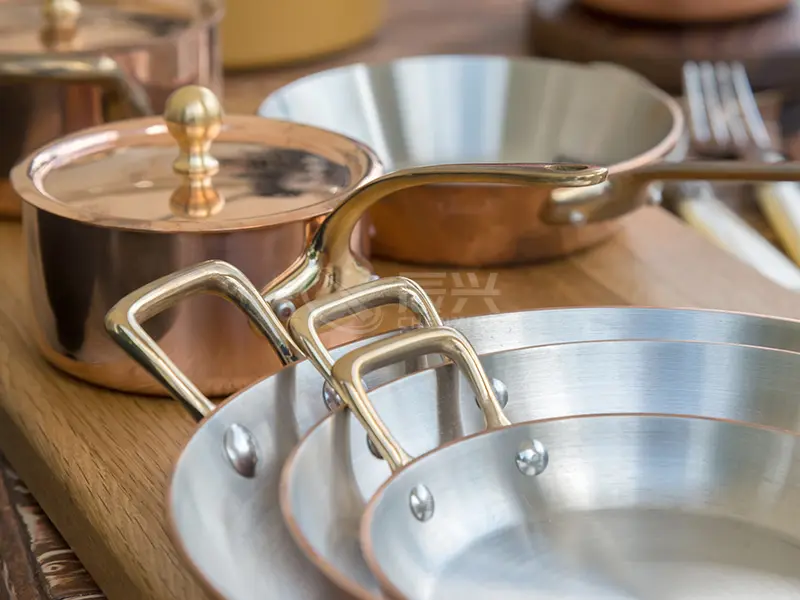
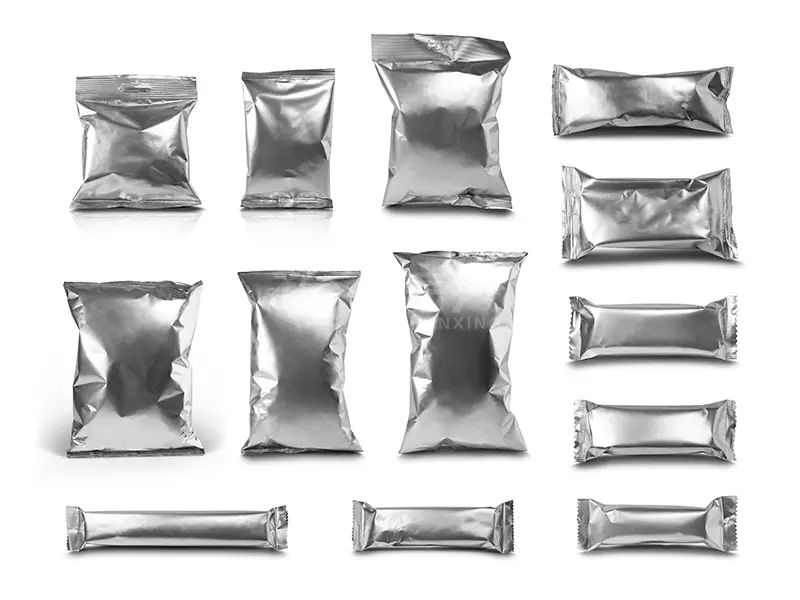

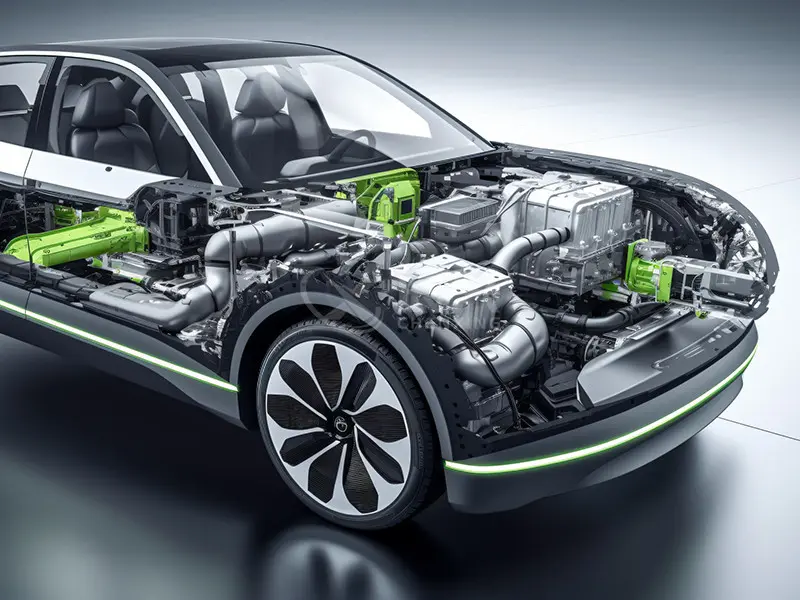

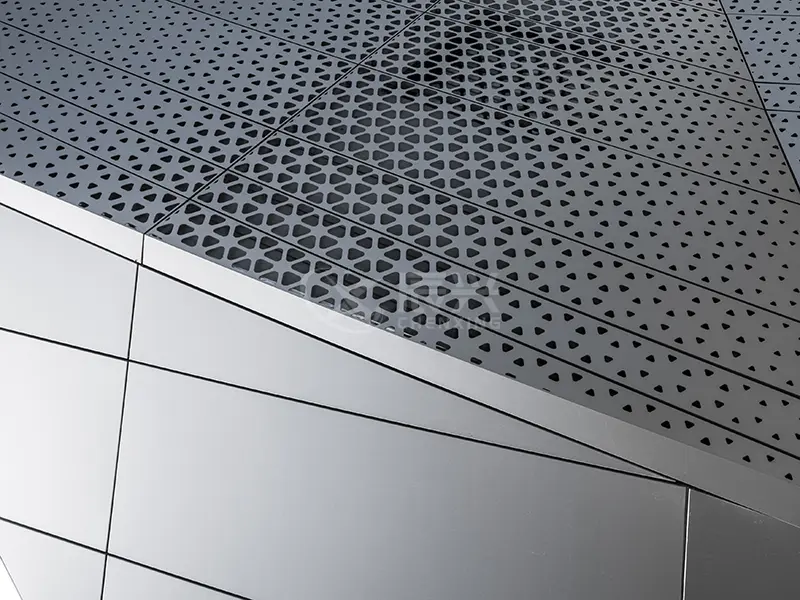
The kitchenware sector represents the largest consumer base for aluminium circle plates. Because aluminum conducts heat rapidly and evenly, it is the primary material for non-stick pans, frying pans, pressure cookers, and woks. Premium cookware relies on 3003-O and 1050-O alloys. The "O" (annealed) state ensures maximum flexibility during deep-drawing, preventing wall failure at structural corners. Furthermore, advanced cookware utilizes induction-compatible aluminum circles, which feature bonded ferrous layers on the base to enable electromagnetic induction compatibility.
High-purity circles (1050/1060 series) are highly reflective, making them ideal for high-bay lighting fixtures, downlights, and stadium reflectors. Through specialized anodizing processes, these circles achieve reflectance levels over 85%, ensuring long-term durability without yellowing or degradation from UV exposure.
In the automotive sector, lightweighting remains a critical focus. Automotive engineers utilize structural aluminum plates and formable circle blanks for catalytic converter heat shields, transmission tunnel guards, and fuel tank protective plates. 5xxx series alloys are commonly specified here due to their resistance to road salts, high formability, and vibration fatigue resistance.
For B2B procurement professionals worldwide, procuring from Chinese factories offers a balance of scale, efficiency, and supply chain integration. The modern Chinese aluminum fabrication industry has transformed from a low-cost exporter to a leading innovator in automation and high-precision metallurgical engineering.
The strength of the Chinese supply chain lies in its vertical integration. Major production hubs are located near primary smelting operations. This proximity allows factories to receive molten metal directly from smelters, skipping the energy-intensive re-melting process. This integration reduces production energy footprints, lowers production overheads, and shortens manufacturing lead times.
In addition, the concentration of auxiliary industries—such as customized tooling makers, rolling oil suppliers, specialized packaging fabricators, and international logistics agencies—ensures swift response times. For custom circle requests requiring non-standard diameters (ranging from 100mm up to 1500mm) or specific gauge thicknesses, Chinese factories can typically design, test, and manufacture custom tooling in less than 7 days, maintaining quick turnaround times for international buyers.
Logistical integration is another key driver. Working with major maritime ports in Qingdao, Tianjin, and Shanghai, factories coordinate containerized shipments with advanced anti-condensation and anti-corrosion packaging. Special interleaving paper or plastic film coatings are applied between each aluminum disc to prevent surface scratching and moisture damage during long ocean transit.
Industrial-grade B2B procurement demands strict compliance with international testing frameworks. Reliable manufacturers implement rigorous testing protocols to confirm chemical, dimensional, and mechanical properties.
Every batch of aluminium circle plates must comply with global standards, including:
In-house laboratory assessments include spectrochemical analysis to verify exact elemental composition (ensuring trace elements like Fe, Si, and Cu are kept within limits to prevent structural embrittlement), micro-structural analysis, and Erichsen Cupping tests to verify drawing capability. Dimensional tolerances for thickness are held within ±0.02mm, and diameter variances are controlled to within ±0.5mm, ensuring smooth performance on automated nesting and stamping machines.
Find technical and commercial details below to assist your B2B sourcing and material validation decisions.
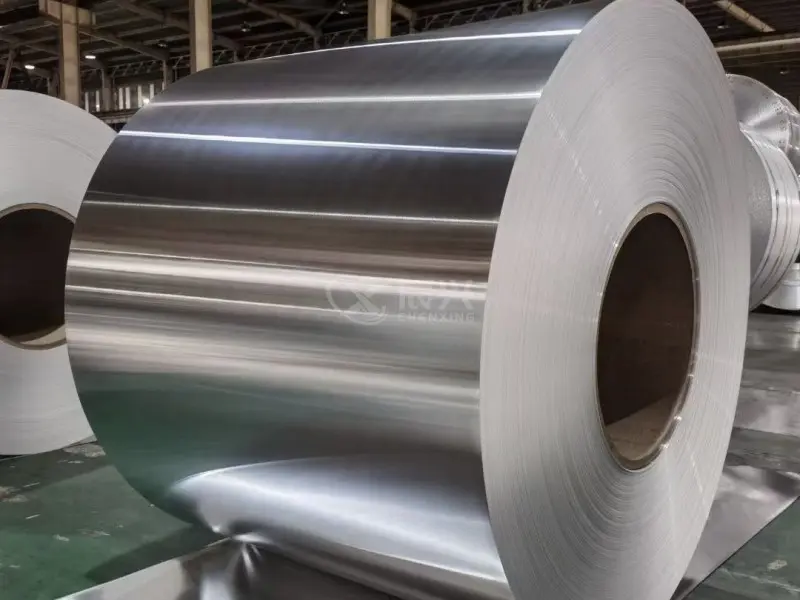
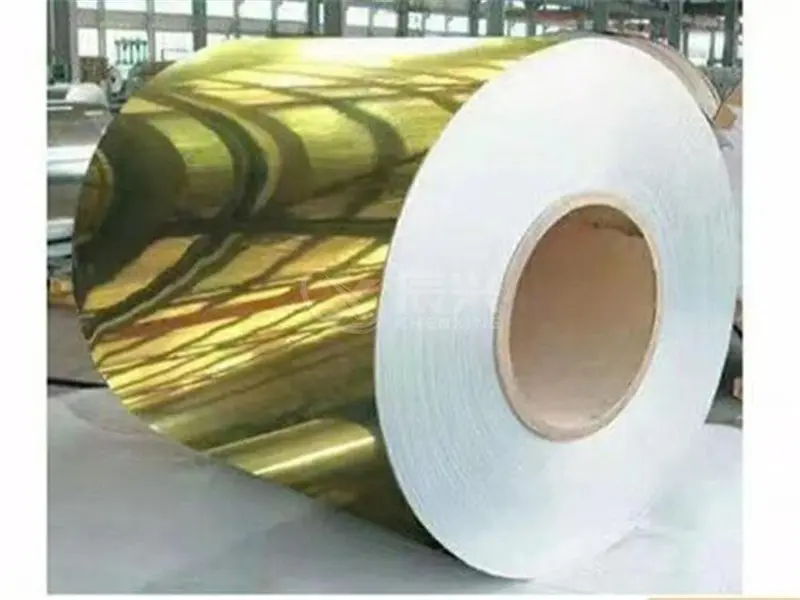
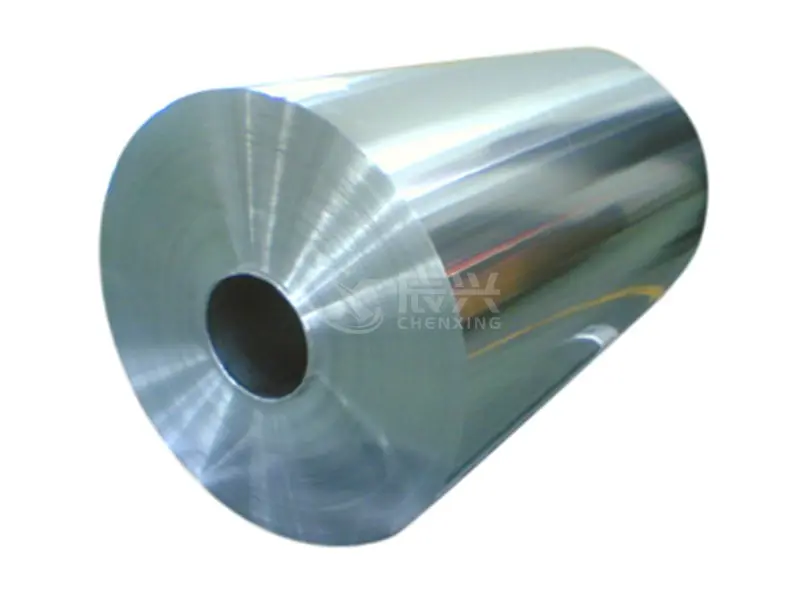
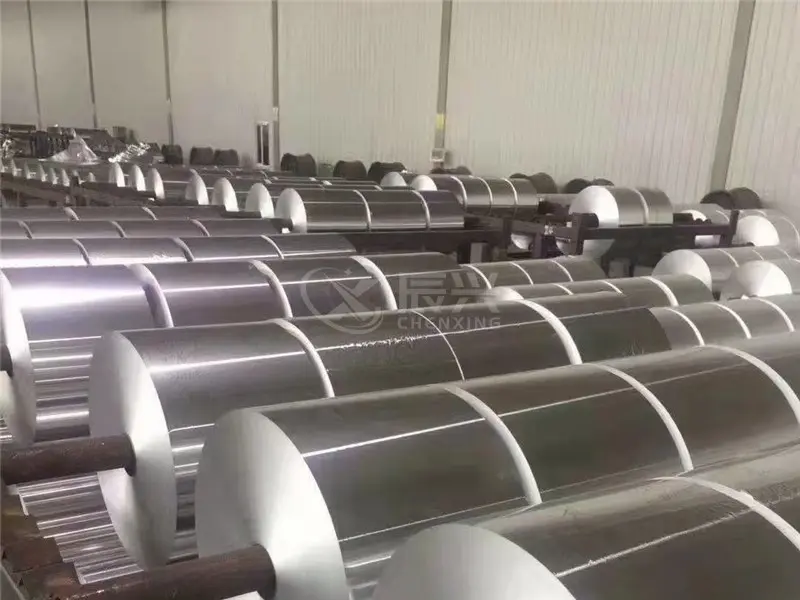
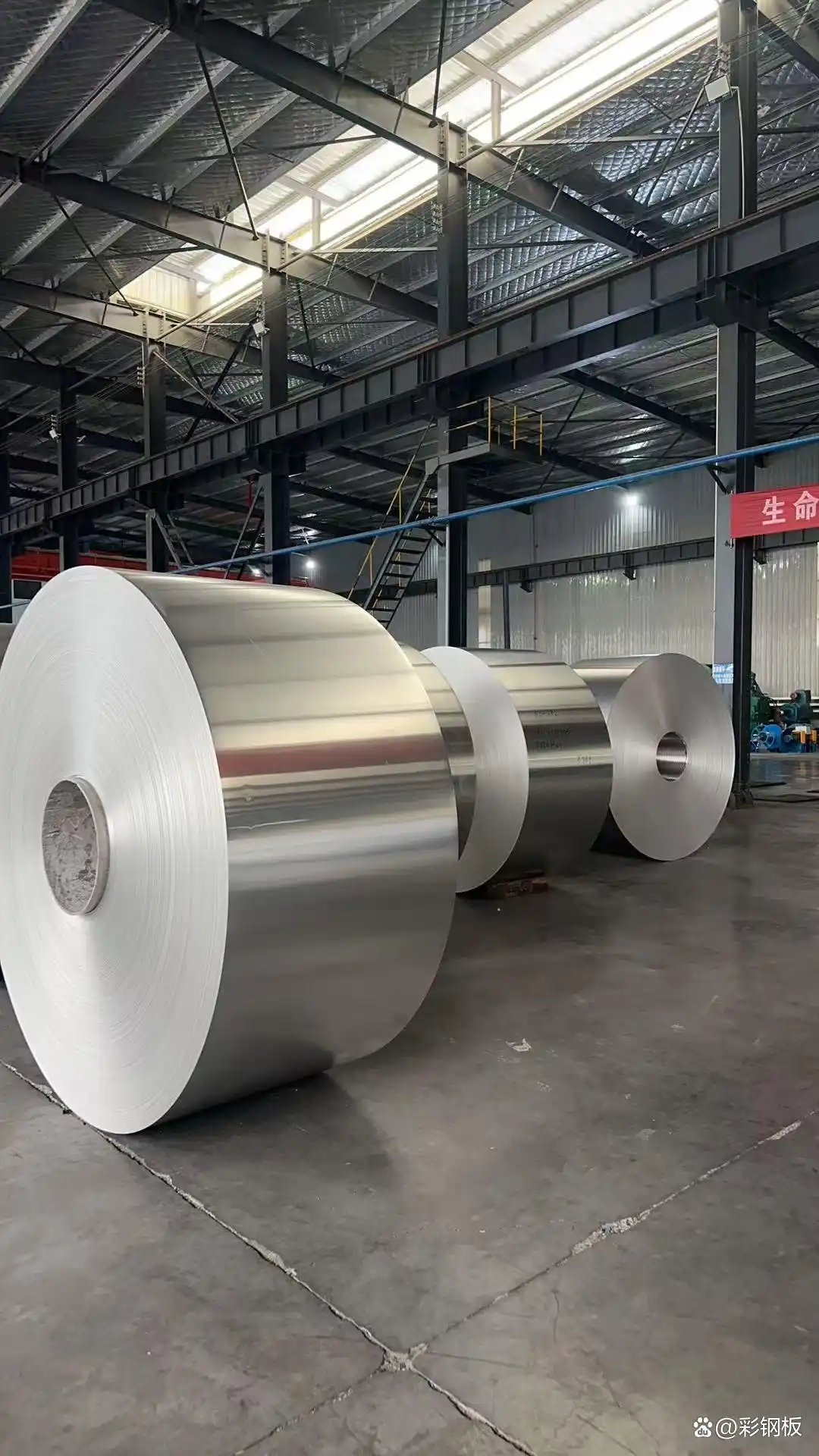
In addition to circle blanks, we manufacture high-performance industrial coils, brushed and mirror foils, and aerospace-grade sheets.
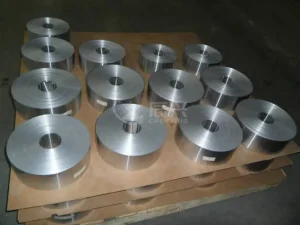
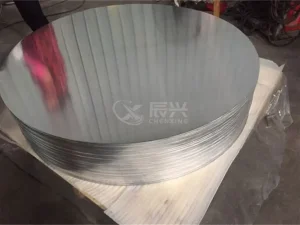
Direct access to our factory catalog, including hot items, specialty foils, and anodized aluminum products.
The aluminum processing industry is shifting toward lower environmental impact and higher technological performance. Key trends reshaping B2B production include:
By integrating advanced metallurgy, efficient logistics, and quality assurance, leading manufacturers provide reliable supply chains for B2B enterprises globally.
Stay informed with updates on global aluminum exports, rising industrial demand, and developments in battery-grade foils.
Receive a detailed technical quotation within 24 hours. Contact our engineering team for custom sizes, alloys, tempers, and container load pricing.