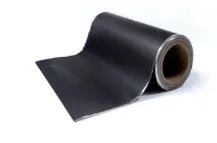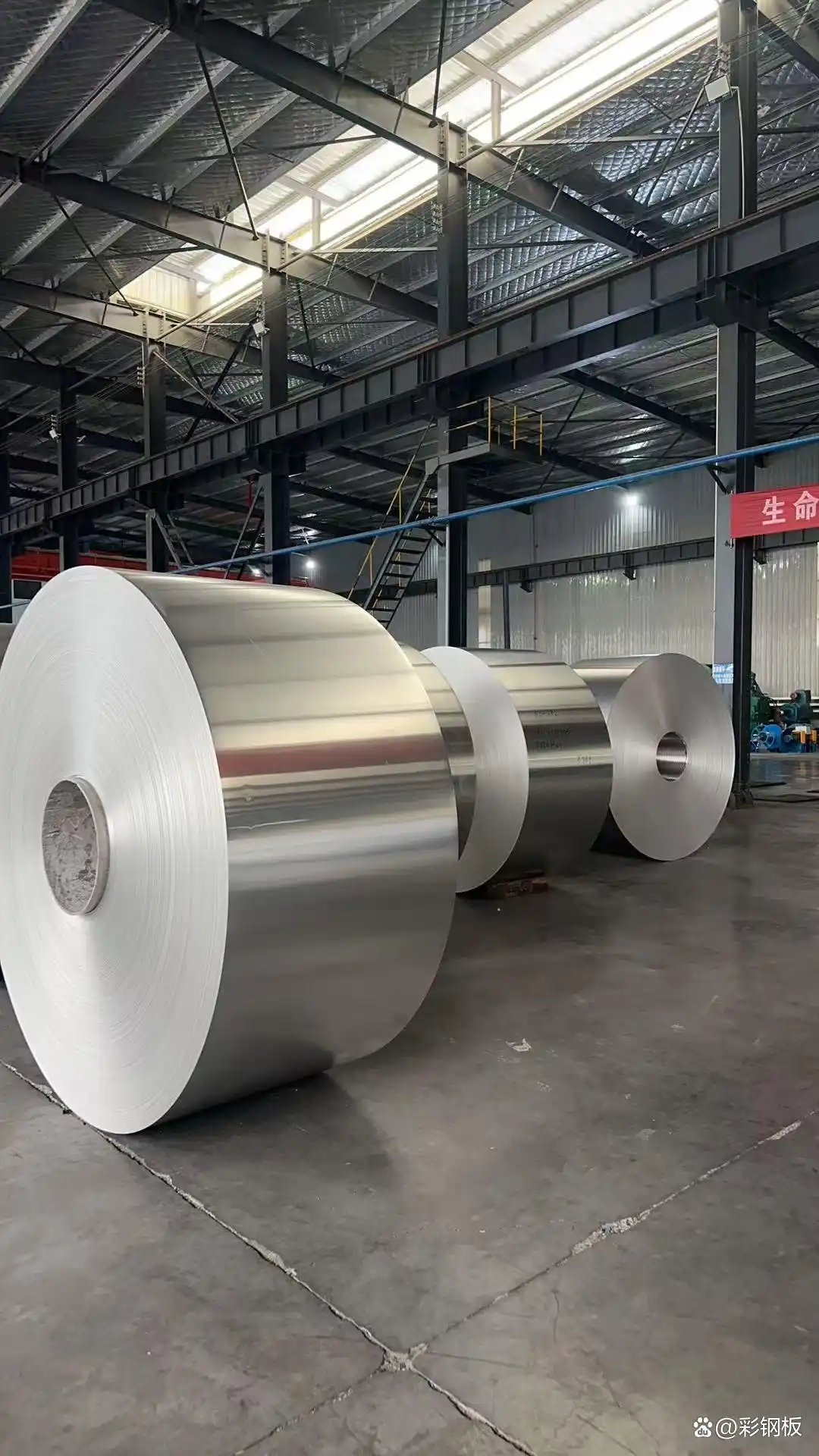
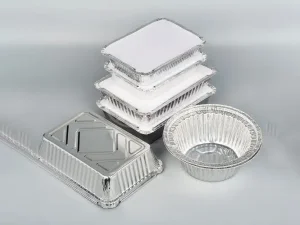
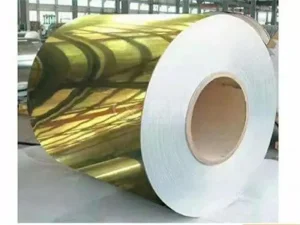
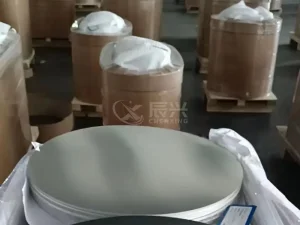
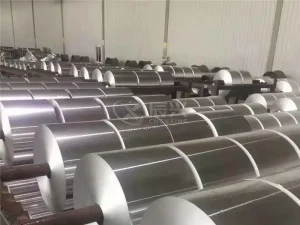
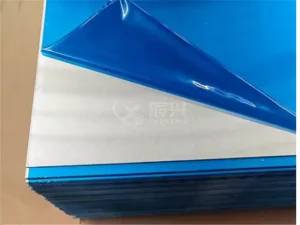
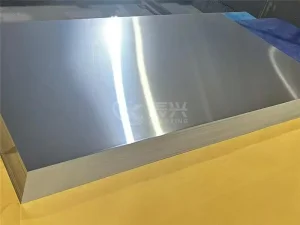
Examine structural specifications of primary industrial profiles, containers, coils and sheets engineered for global distribution.
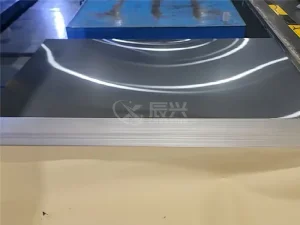
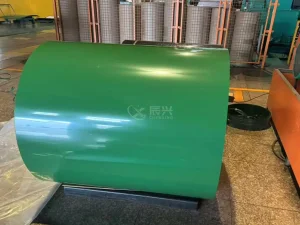
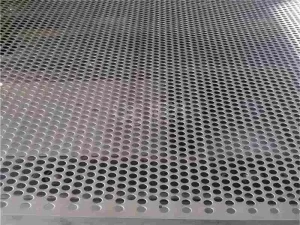
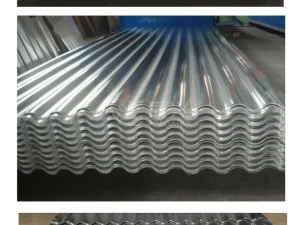
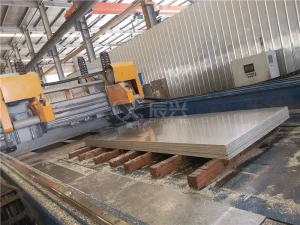
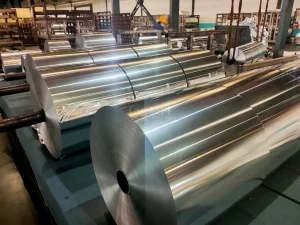
Aluminium chequer plates (variably termed checker plate, tread plate, or durbar floor plate) function as safety-critical structural elements across modern transit systems, maritime platforms, and industrial complexes. The embossed projection design—typically produced in 1-bar (propeller), 2-bar, 3-bar, or 5-bar configurations—physically shifts the contact point mechanics underfoot, dramatically escalating the coefficient of friction under both dry and saturated (water, oil, grease) environments.
"The design of premium aluminium chequer plate systems hinges upon balancing surface hardness, tensile plasticity, and localized shear resistance at the pattern peaks to prevent rapid flattening under continuous wheeled traffic."
To execute optimal material selection for structural applications, procurement and design departments must evaluate the alloy's crystal structure and alloying elements. Pure aluminum (1xxx series) offers unparalleled formability but lacks the structural integrity required for loaded platforms. Manganese additions (3xxx series) provide moderate strain hardening, while magnesium-heavy compositions (5xxx series) trigger excellent solid solution strengthening. These structural variations determine performance across diverse environmental conditions.
The production cycle of industrial-grade aluminium chequer plate demands precise thermodynamic and mechanical control:
High-purity primary ingots are molten, refined, and cast. Thermal homogenization at temperatures exceeding 500°C stabilizes the secondary phase precipitates, guaranteeing uniform chemistry before rolling.
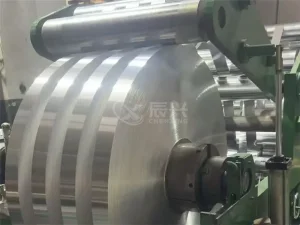
The slab is progressively reduced in thickness. As it approaches final gauge, the material undergoes structural crystallization to achieve the targeted temper state.
The final pass features a highly hardened engraving cylinder that stamps the classic 5-bar or diamond design on one side. This maintains the structural flatness of the reverse surface while avoiding internal stress cracking.
| Alloy Family | Key Alloying Elements | Tensile Strength (MPa) | Yield Strength (MPa) | Primary Applications |
|---|---|---|---|---|
| 1050 / 1100 | Al > 99.50% | 70 - 110 | ≥ 35 | Cosmetic cladding, non-loaded chemical vessels, decorative trim |
| 3003 | Manganese (1.0 - 1.5%) | 110 - 170 | ≥ 80 | Delivery vehicle floors, trailers, cold storages, standard steps |
| 5052 | Magnesium (2.2 - 2.8%) | 190 - 260 | ≥ 130 | Commercial truck toolboxes, chemical plant catwalks, marine hulls |
| 5083 / 5754 | Magnesium (3.1 - 4.9%) | 270 - 350 | ≥ 200 | High-stress marine decking, offshore oil platforms, defense transport |
When specifying aluminium chequer sheets, mechanical variables such as pattern height (typically 1.0mm to 1.5mm above base), base metal thickness (0.8mm to 10.0mm), and elongation percentages (commonly ≥ 8% to ≥ 12%) dictate the product's ultimate lifecycle.
Understanding our production parameters, international logistics network, and quality control systems.
Refining hot rolling processes, alloy grain structures, and surface stamping techniques.
Supporting transit grids, offshore yards, and major construction projects globally.

Full-process tracking from chemical casting analysis to final surface inspection.

Actionable engineering and technical support teams responding to requests within 24 hours.
Reaching far beyond standard tread plate configurations, we provide deep manufacturing capabilities in specialty processing sectors.
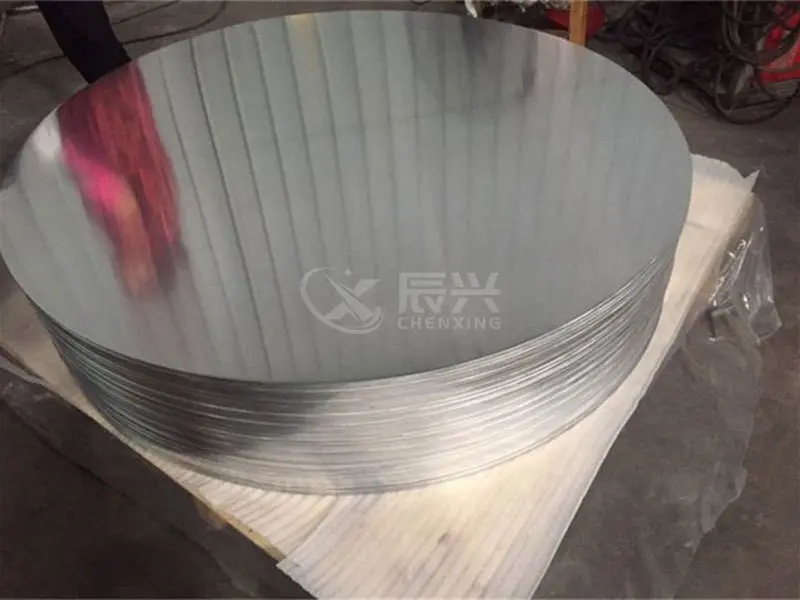
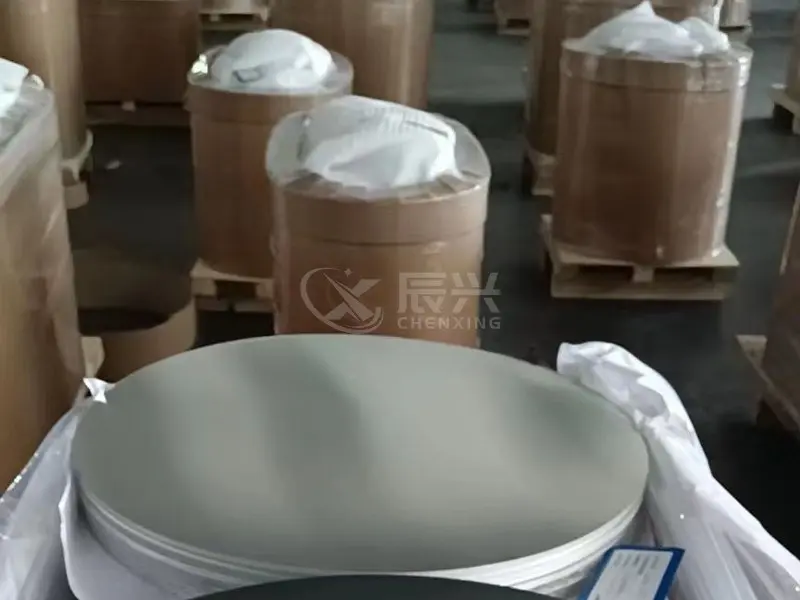
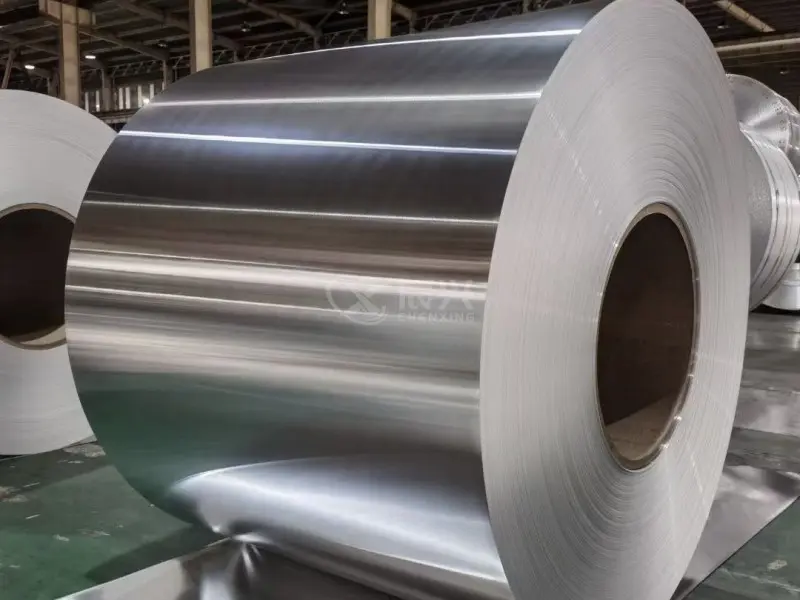
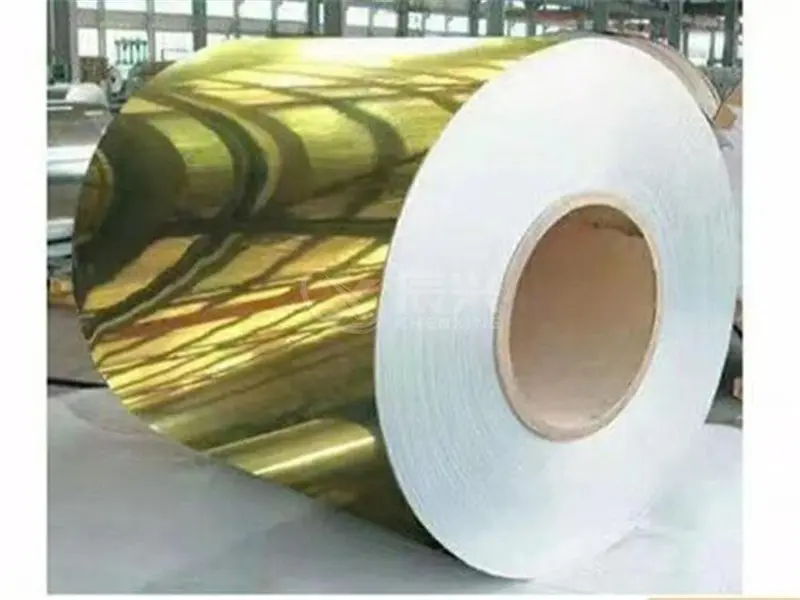
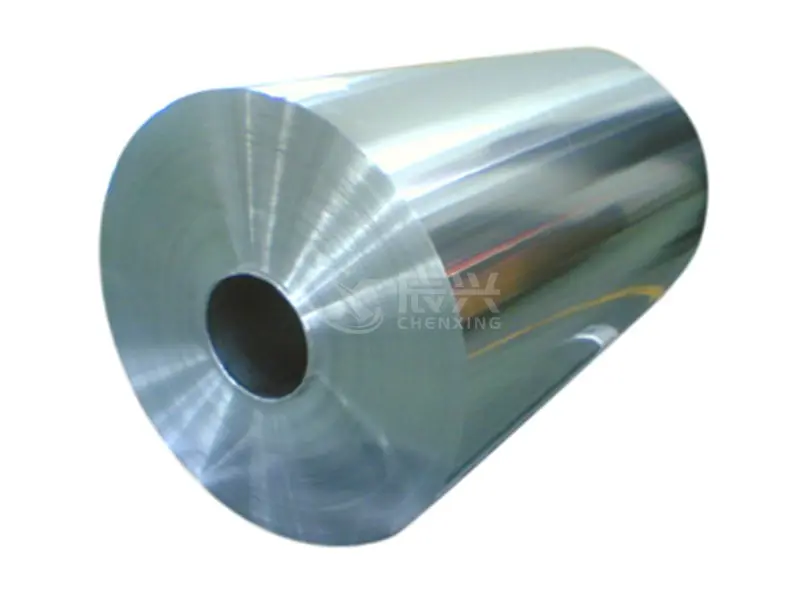
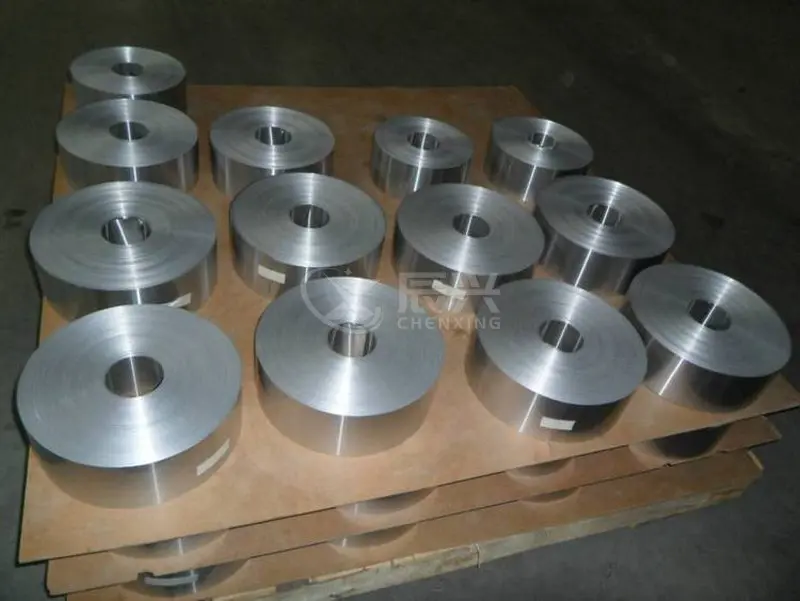
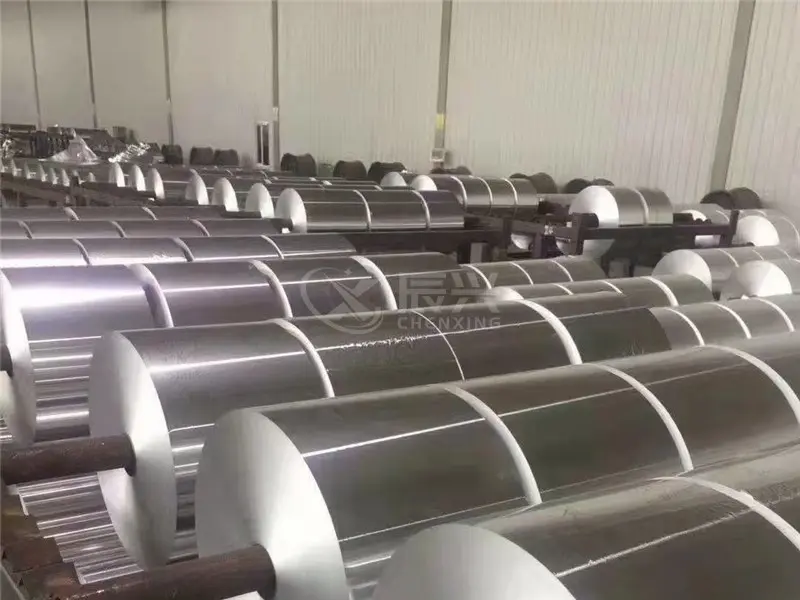
How premium aluminium profiles, sheets, and coils are deployed to meet specific requirements across key global sectors.

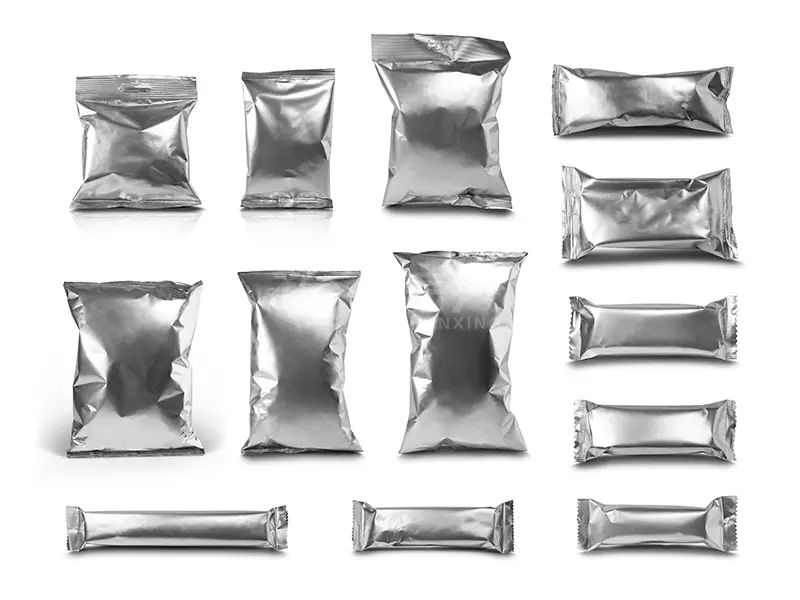


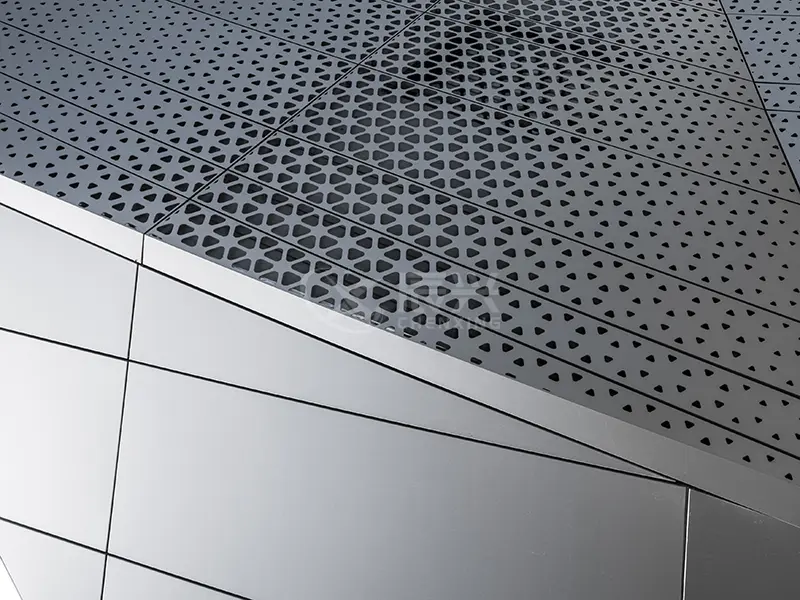

Operating from the core hubs of Chinese metallurgical manufacturing, factories leverage structural integration to deliver global performance. Vertical integration connects local smelting resources directly with advanced rolling facilities. This geographic and logistical advantage cuts transportation lag times and lowers fuel costs, optimizing supply chains for global shipping requirements.
For global buyers sourcing aluminium chequer plates, managing logistics risk is crucial. Our facilities utilize advanced packing standards, applying moisture-barrier paper layers, protective edge boards, and high-strength steel strapping on fumigated wooden pallets. This packaging minimizes sea spray damage during long transit routes, ensuring materials arrive ready for immediate installation.
Decarbonization is reshaping the global industrial landscape. The modern aluminum manufacturing process focuses on reducing the energy intensity of smelting operations. By integrating low-carbon energy sources and utilizing scrap recycling systems, facilities can significantly reduce the carbon footprint of structural chequer sheets and coils.
"The implementation of closed-loop scrap recycling on rolling lines enables up to a 90% power reduction compared to primary extraction processes, supporting international carbon tax compliance requirements."
This commitment to sustainability is paired with advanced surface treatments, such as eco-friendly chemical conversion coatings and zero-solvent anodizing lines. These steps improve corrosion resistance while meeting strict international environmental regulations, such as RoHS and REACH.
Find technical specifications, alloy characteristics, and order guidelines here.
Track market developments, technical innovations, and structural shifts in global manufacturing.
Examine structural specifications of primary industrial profiles, containers, coils and sheets engineered for global distribution.
Connect with our technical engineering division to receive tailored weight calculations, mechanical parameters, and customized price lists within 24 hours.