Buy Alu Plates Manufacturers & Factories

Global Industrial Standard Sourcing Playbook: Highly Calibrated Aluminum Sheets, Circles, Coils, and Foils for Strategic Infrastructure

Engineered for Global Scale: Sourcing Advantages

A look at the logistical, quality assurance, and manufacturing efficiencies that support our commercial pipeline.

20+

Years Sourcing and Metallurgical Manufacturing Experience

35+

Countries Served with Localized Sourcing Integration

Strict QC Icon

Strict QC Inspection & Intelligent Lot Tracking Controls

Customer Service Icon

24-Hour Continuous Sourcing Support & 8D Technical Response

Global Aluminum Sourcing Whitepaper

Strategic analysis of metallurgical standards, supply chain dynamics, and structural developments shaping global industrial purchasing.

Modern global logistics require a clear understanding of non-ferrous metal supply lines. The global demand for lightweight, high-performance structural materials has placed aluminum plates (commonly referred to as alu plates) at the center of industrial growth. Whether sourcing 3003-grade alloy circles for deep drawing in cookware manufacturing, 3104-alloy sheets for the high-volume carbonated beverage packaging sector, or 6082-T6 marine structural plates, finding the right manufacturer involves looking at alloy purity, structural properties, and supplier quality systems.

This whitepaper details the structural dynamics of aluminum manufacturing, focusing on how Chinese integrated mills utilize raw material supply lines, advanced continuous rolling systems, and automated thermal treatments to produce components that meet global ASTM, EN, and JIS standards.

Alloy Classifications and Applications

Aluminum's performance relies on precise chemistry. Sourcing agents must choose the correct alloy series:

  • 1xxx Series (e.g., 1050, 1060): Offers 99.5%+ purity, high electrical and thermal conductivity, and chemical corrosion resistance. Ideal for electrical busbars and industrial reflectors.
  • 3xxx Series (e.g., 3003, 3104): Alloyed with manganese for moderate strength, high formability, and weldability. Key for structural cookware circles and container bodies.
  • 6xxx Series (e.g., 6082, 6061): Silicon-magnesium alloys. Deliver high strength, good machinability, and corrosion resistance under T6 heat treatments. Crucial for heavy structural frames and marine transport.
  • 8xxx Series (e.g., 8011): Optimized for thin-gauge foils, providing high tensile strength and puncture resistance for pharmaceutical packaging and composite plumbing.

Sourcing Dynamics: Assessing Mill Capabilities

Buying from direct manufacturers requires inspecting specific operational metrics to ensure product reliability and stable supply lines:

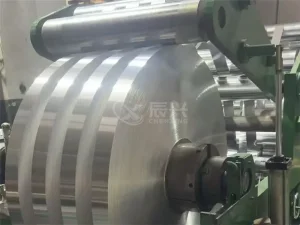
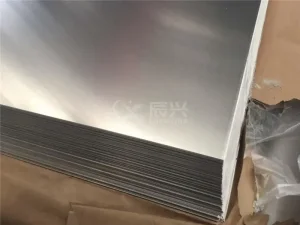
  • Tension Leveling Equipment: Ensures flatness across thin-gauge coils and sheets, preventing distortion in automated laser cutters or stamping presses.
  • Intelligent Lot Tracking: Links each coil back to its molten batch chemistry through spectrochemical testing, providing reliable tracking documentation.
  • Surface Treatment Lines: In-house electro-cleaning, anodizing, and protective oiling processes prevent storage stain corrosion during maritime shipping.
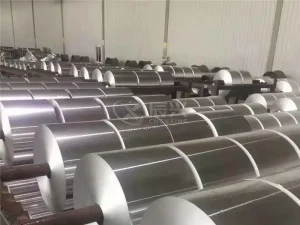
  • Thermal Homogenization: Precise furnace heating ensures consistent grain structure across the coil, reducing tearing and thinning during deep drawing.

Technical Focus: Deep Drawing Cookware and Structural Stamping

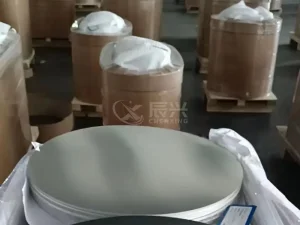
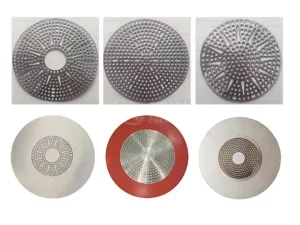
The manufacturing process for cookware circles highlights the importance of precise grain control. When drawing an alu plate circle into a container shape, any variation in crystal orientation can cause uneven thinning, wrinkling, or "earing" (uneven edges at the top of the container). Advanced manufacturers run continuous annealing cycles that produce an isotropic grain structure. This allows uniform elongation during deep drawing, reducing scrap rates for automated production lines worldwide.

Industrial Applications

How specialized aluminum alloys are utilized across key industrial sectors worldwide.

Aluminum For Transportation

Aluminum For Transportation

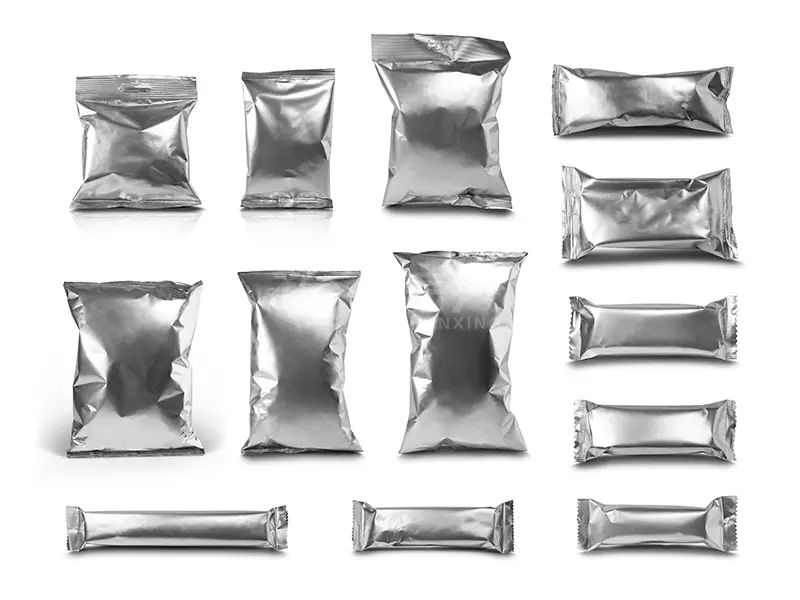
Aluminum For Packaging

Aluminum For Packaging

Aluminum For Electronics

Aluminum For Electronics

Aluminum For Aerospace

Aluminum For Aerospace

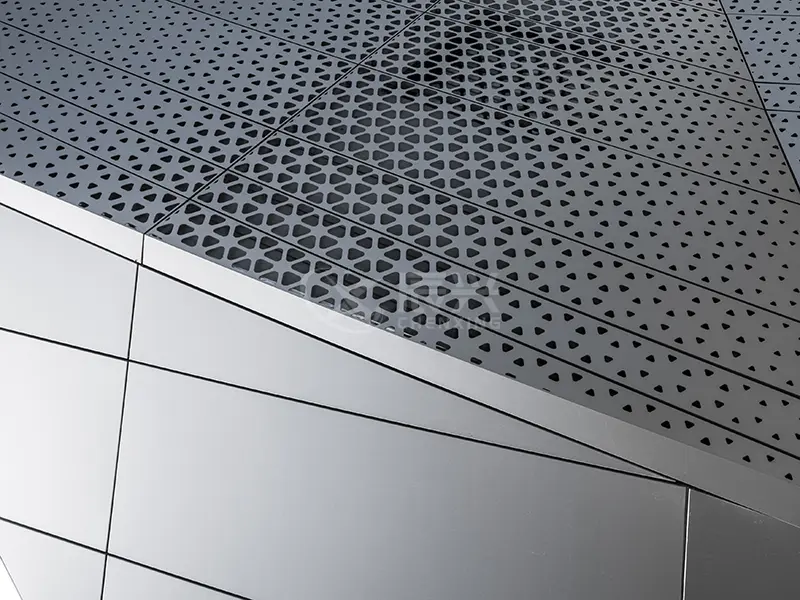
Aluminum For Construction

Aluminum For Construction

Aluminium For Household Appliances

Aluminium For Household Appliances

Global Market Trends & Sustainable Sourcing

Analyzing the shift toward carbon-neutral alloys, smart rolling mills, and supply chain tracking systems.

The non-ferrous metal industry is shifting toward more sustainable and traceable supply chains. Environmental regulations and corporate sustainability targets are driving the demand for low-carbon primary aluminum and post-consumer recycled alloys. Advanced rolling factories are integrating direct-chill casting mills with recycled feedstock networks to lower energy consumption during alloy processing. This supports global efforts to reduce scope 3 emissions in industrial manufacturing.

Additionally, smart sensor systems are changing mill quality control. Laser thickness gauges and automated optical inspection arrays monitor surface quality in real-time at speeds up to 1,500 meters per minute. This level of automated tracking allows buyers to verify physical specifications across entire production lots before shipment leaves the factory.

Frequently Asked Questions

Essential answers regarding aluminum grade differences, ordering procedures, and quality standards for international sourcing managers.

What is the difference between 3003 and 3104 aluminum alloys?
3003 is a manganese-alloyed aluminum that offers moderate strength, high formability, and good weldability, making it suitable for general sheet metal work and cookware circles. 3104 includes small additions of magnesium, providing higher yield and tensile strength. This makes 3104 ideal for applications that require structural strength at thin gauges, such as beverage cans and light roofing panels.
Why is 8011 aluminum foil preferred for pharmaceutical and tube applications?
8011 aluminum foil is designed for puncture resistance, barrier performance, and flexibility. Its alloy composition prevents microscopic pinholes even in thin gauges, creating a reliable barrier against moisture, oxygen, and light. This is critical for protecting pharmaceutical products and reinforcing multilayer pipes like PEX-AL-PEX.
What structural benefits does the T6 temper provide for 6082 aluminum sheets?
The T6 temper involves solution heat-treating followed by artificial aging. This process increases the yield strength of 6082 aluminum to over 250 MPa, making it suitable for high-stress structural uses in marine vessels, crane components, and transport frames.
How do factories prevent surface corrosion (water staining) during shipping?
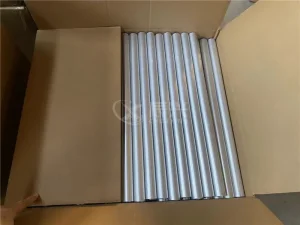
Export-grade shipments use several layers of protection: a dry electro-cleaning treatment, an application of rust-preventative oil, interleaving paper between sheets to prevent friction, desiccants to absorb moisture, and sealed plastic wrapping on IPPC-certified wooden pallets.
What testing documentation is included with an order?
Every shipment includes an EN 10204 3.1 Mill Test Certificate (MTC). This document details the chemical composition (percentages of Si, Fe, Cu, Mn, Mg, Zn), mechanical properties (tensile strength, yield strength, elongation), and the results of dimensional tolerance inspections.

Latest Industry News & Market Developments

Insights into export volumes, energy-efficient manufacturing, and product updates from the factory.

Global Aluminum Semi-Finished Exports

Global Aluminum Semi-Finished Exports Surge, Our Factory Expansion...

Export volumes for high-precision aluminum coils have risen due to global industrial demand. Our factory has updated our rolling mills to improve gauge consistency.
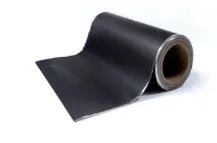
Battery-Grade Aluminum Foil

Battery-Grade Aluminum Foil: Introduction and Market Demand Shift...

The growth of electric vehicles has led to increased demand for high-purity battery foil. We have upgraded cleanroom winding lines to produce foil down to 9 microns.
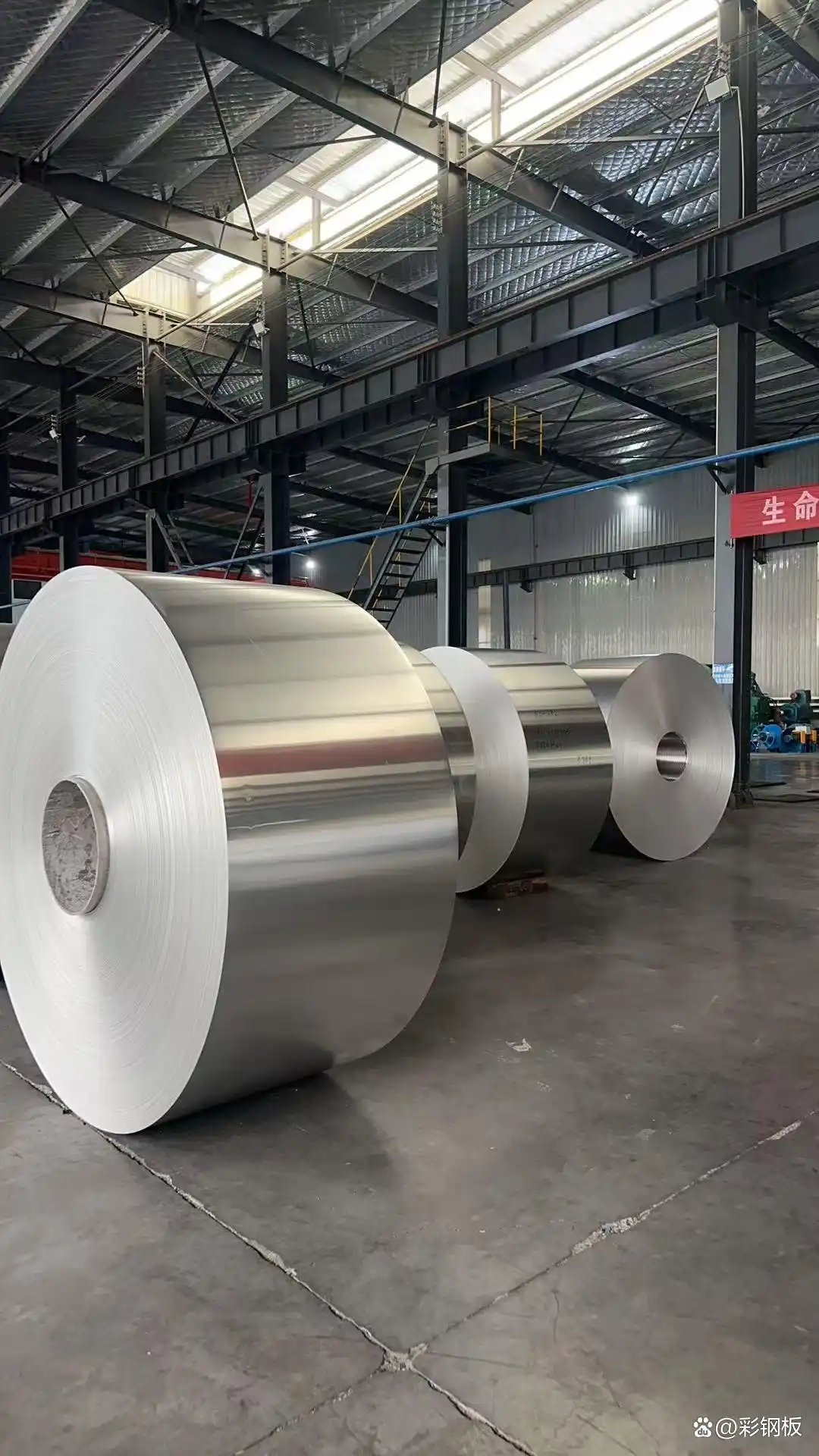
Global Aluminum Coil Market

Global Aluminum Coil Market Grows Steadily Driven by Green Building Standards...

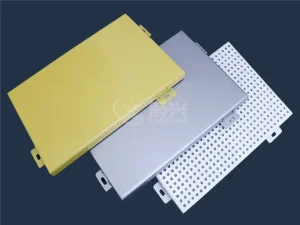
Architectural projects are using anodized aluminum sheets for exterior cladding. This shift is driven by the material's recyclability and weathering resistance.

Submit Sourcing Request

Send your dimensional requirements, alloy grades, and order volumes. Our engineering team will review your specifications and follow up within 24 hours.