Industrial Grade Sourcing Guide

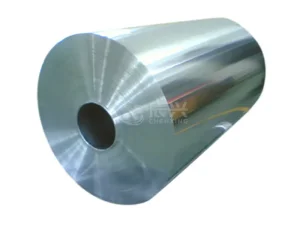
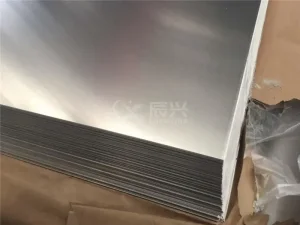
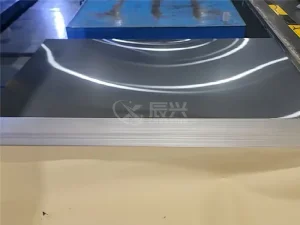
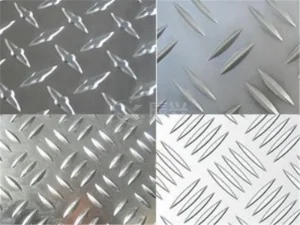
Buy Alu Coil Manufacturers & Factory

Direct mill access to precision-engineered aluminum coils. Advanced alloy formulations, strict tolerance limits, and resilient global supply chain logistics.

Aluminum Coil Industry Trends & Strategic Sourcing Report

An in-depth metallurgical and structural analysis for institutional procurement managers and industrial engineering buyers.

1. Global Aluminum Coil Market Dynamics & Technological Shifts

The global aluminum coil sector is undergoing a rapid evolution characterized by rigorous sustainability mandates, technological automation in cold-rolling mills, and an unprecedented shift toward lightweighting. Driven by international fuel economy directives and electric vehicle (EV) battery casing requirements, global manufacturers are transitioning to specialized alloys (such as the 3xxx and 5xxx series) that exhibit excellent formability, corrosion resistance, and thermal conductivity.

Additionally, standard aluminum mills are evolving into smart facilities utilizing integrated sensor networks to monitor grain structures dynamically. The application of precise tension-leveling technology ensures that coils destined for high-speed stamping operations exhibit minimal residual stress, mitigating edge waves and center buckles during fabrication.

Alloy Series Primary Alloying Elements Yield Strength Range (MPa) Optimal Industrial Applications
1xxx (e.g., 1050) Al ≥ 99.0% 75 - 110 Electrical conductors, heat exchangers, chemical storage, food container foils
3xxx (e.g., 3003) Manganese (Mn) 120 - 180 HVAC fins, deep-drawn kitchenware, roofing, license plates, battery shells
5xxx (e.g., 5083) Magnesium (Mg) 145 - 270 Marine vessel structures, LNG tanks, automotive body panels, transport tankers
6xxx (e.g., 6082) Magnesium & Silicon (Mg-Si) 250 - 310 Structural frames, architectural support channels, heavy-duty transportation

2. China Factory 4.0: Resilient Supply Chains & Manufacturing Precision

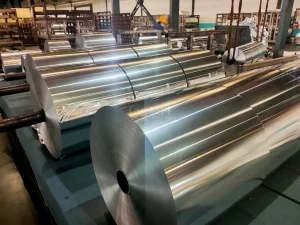
Modern Chinese manufacturing relies heavily on the integration of Factory 4.0 frameworks. Industrial IoT (IIoT) platforms monitor the thermomechanical processing parameters across every hot-rolling and cold-rolling mill. This level of digitalization allows factories to achieve tight gauge tolerances down to ±0.01 mm, optimizing yield rates and significantly reducing scrap for buyers worldwide.

By maintaining strategic access to primary smelters, local raw-material reserves, and vertically integrated slitting and surface-treatment plants, Chinese factories buffer global buyers against volatile price spikes and supply disruptions. E-E-A-T compliant facilities undergo strict SGS, ISO 9001, and IATF 16949 (for automotive supply lines) certifications to guarantee technical transparency, chemical composition tracking, and continuous quality audits.

3. Global Commercial Procurement Demands

B2B buyers, global distributors, and heavy-industry contractors look for specific parameters when selecting an aluminum coil factory:

  • Interlocking Supply Traceability: Heat number and chemical mill test reports (MTR) provided automatically for every master coil.
  • Custom Surface Preservation: Application of tailored PE/PVDF protective films, inter-leaf papering, and anti-oxidative dry oils to prevent oxidation during maritime transport.
  • Tension Leveling & Slitting: High-precision slitting capabilities to produce narrow strip coils down to 20mm with clean burr-free edges.
  • Flexible Custom Tempers: Ability to supply specialized annealed states (O, H14, H24, H32, T6) matching specific bending or deep-drawing processes.

Uncompromised Manufacturing Capability

Deploying advanced quality control protocols and vertical production channels to supply 35+ countries.

20+
Years of Production Expertise
35+
Global Export Destinations
QC Inspection
STRICT QC INSPECTION & INTELLIGENT TRACKING
8D Response
24-HOUR CUSTOMER SERVICE, 8D RESPONSE PROTOCOL

Localized Applications & Sourcing Profiles

Providing precision engineered aluminum products customized for performance-critical industries.
Aluminum For Transportation

Aluminum For Transportation

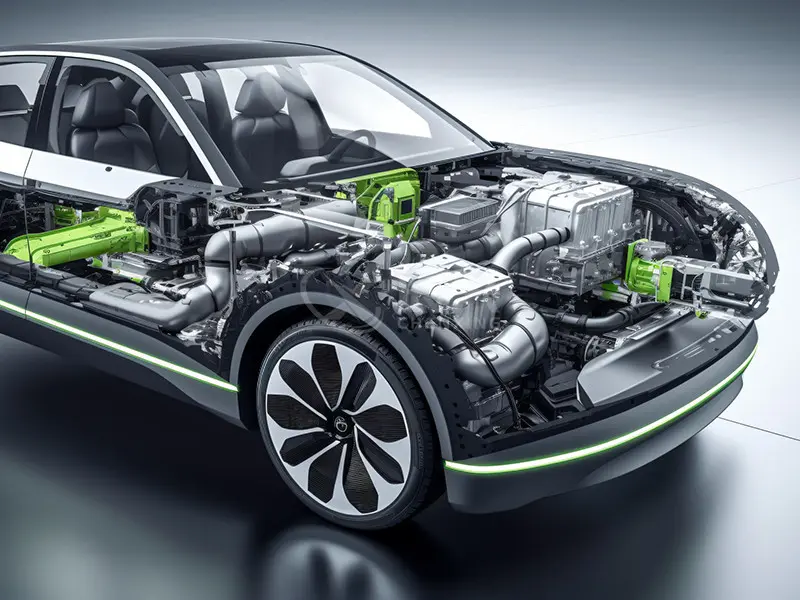
High-strength 5xxx alloys designed for lightweight truck trailers, automotive heat shields, and marine structural plates.

Aluminum For Packaging

Aluminum For Packaging

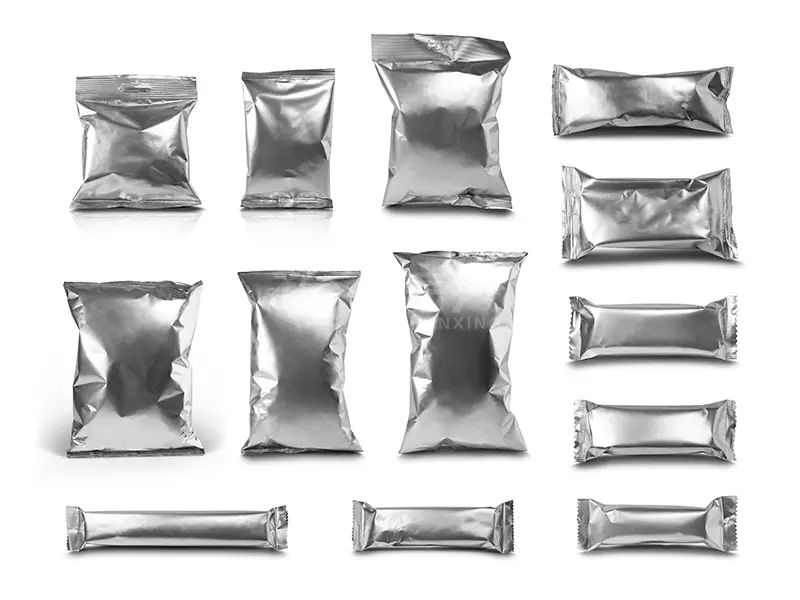
Highly sterile, flexible 8xxx/1xxx series foils engineered for food containers, barrier laminates, and blister packs.

Aluminum For Electronics

Aluminum For Electronics

1050 and 3003 high thermal-conductivity sheets for printed circuit boards, electronic component casings, and electrical shields.

Aluminum For Aerospace

Aluminum For Aerospace

Premium heat-treatable structural alloys offering extreme fatigue resistance and superior mechanical strength ratios.

Aluminum For Construction

Aluminum For Construction

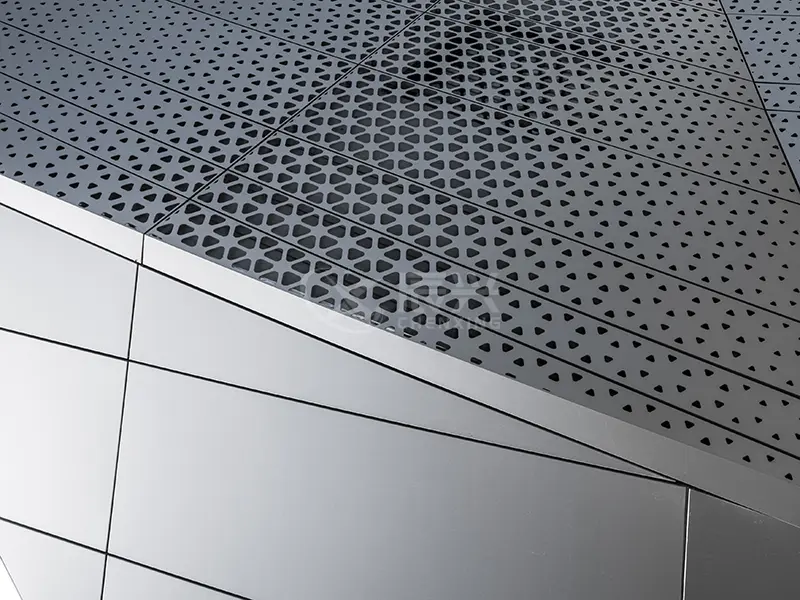
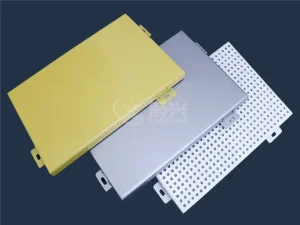
PVDF/PE pre-painted architectural coils for high-durability roofing, external wall facades, and structural gutters.

Aluminium For Household Appliances

Aluminium For Household Appliances

Mirror sheets and prepainted coils used for interior structural components, refrigerator liners, and aesthetic external trim.

Expert Sourcing FAQ: Metallurgical and Process Guidance

In-depth technical answers addressing common procurement engineering questions about aluminum coil manufacturing.

Q1: What are the main chemical factors determining the corrosion resistance of 5xxx series aluminum coils?
The corrosion resistance of 5xxx series aluminum coils (such as 5083 or 5754) is primarily determined by its Magnesium (Mg) content. Magnesium acts as a solid-solution strengthener. When kept within balanced limits, it prevents intergranular corrosion cracking while retaining mechanical strength. Our factory closely controls magnesium and manganese ratios to guarantee excellent resistance to alkaline, acidic, and saline marine environments.
Q2: How does tension leveling eliminate flat roll shape defects like edge wave and coil set?
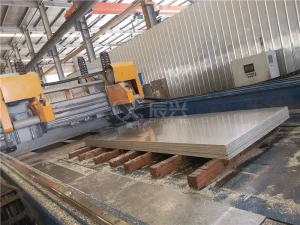
Tension leveling works by pulling the sheet strip under high tension while feeding it through alternating sets of small-diameter flexing rolls. This stretches all fibers of the aluminum sheet to equal length beyond the elastic limit into the plastic region, effectively eliminating defects such as edge wave, center buckle, and coil set, and resulting in ultra-flat panel shapes.
Q3: Which aluminum alloy temper designation is best for deep drawing applications?
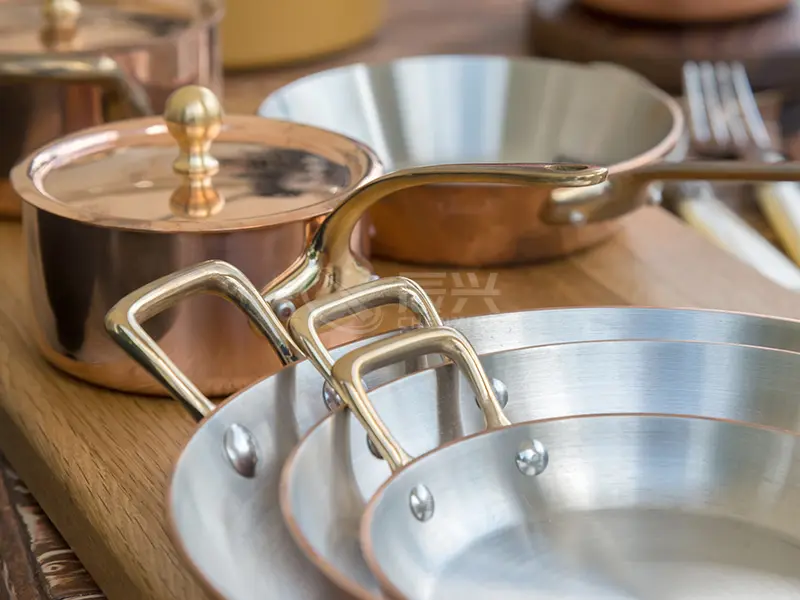
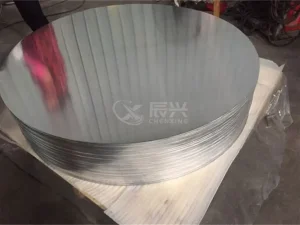
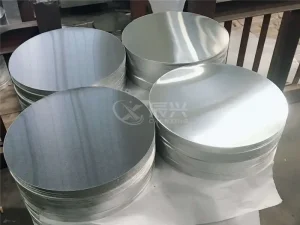
For deep-drawing processes (such as manufacturing cookware circles, canisters, or deep housings), the fully annealed "O" temper (e.g., 1050-O or 3003-O) is highly recommended. It offers the maximum elongation percentage (typically >25%) and the lowest yield strength, ensuring the metal flows smoothly into deep cavities without tearing or structural fractures.
Q4: What protective measures are implemented to prevent oxidation during sea transport?
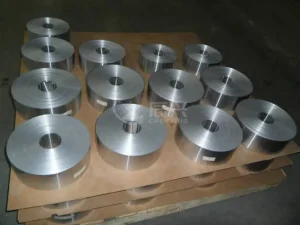
We apply a multi-layered barrier system to prevent maritime oxidation: first, a thin layer of specialized electrostatic anti-corrosion dry-lubricant oil is applied to the metal sheet. Next, we wrap the coils in water-resistant plastic film and high-strength kraft paper, placing silica-gel desiccant packs in the core. The entire assembly is then securely strapped onto fumigated wooden pallets to prevent humidity ingress.

Start Your Direct-Mill Sourcing Process Today

Provide your required technical specifications, alloy grades, surface coating requirements, and expected order volume. Our metallurgical engineering team will send you a detailed, competitive quote within 24 hours.