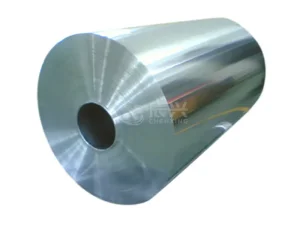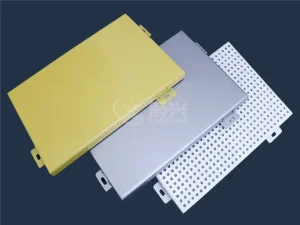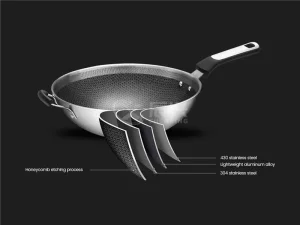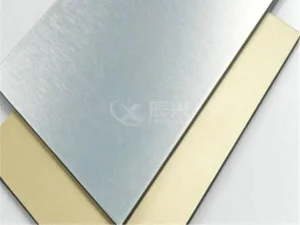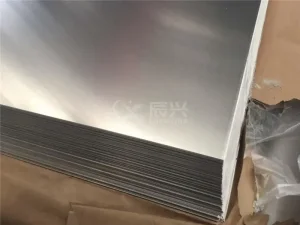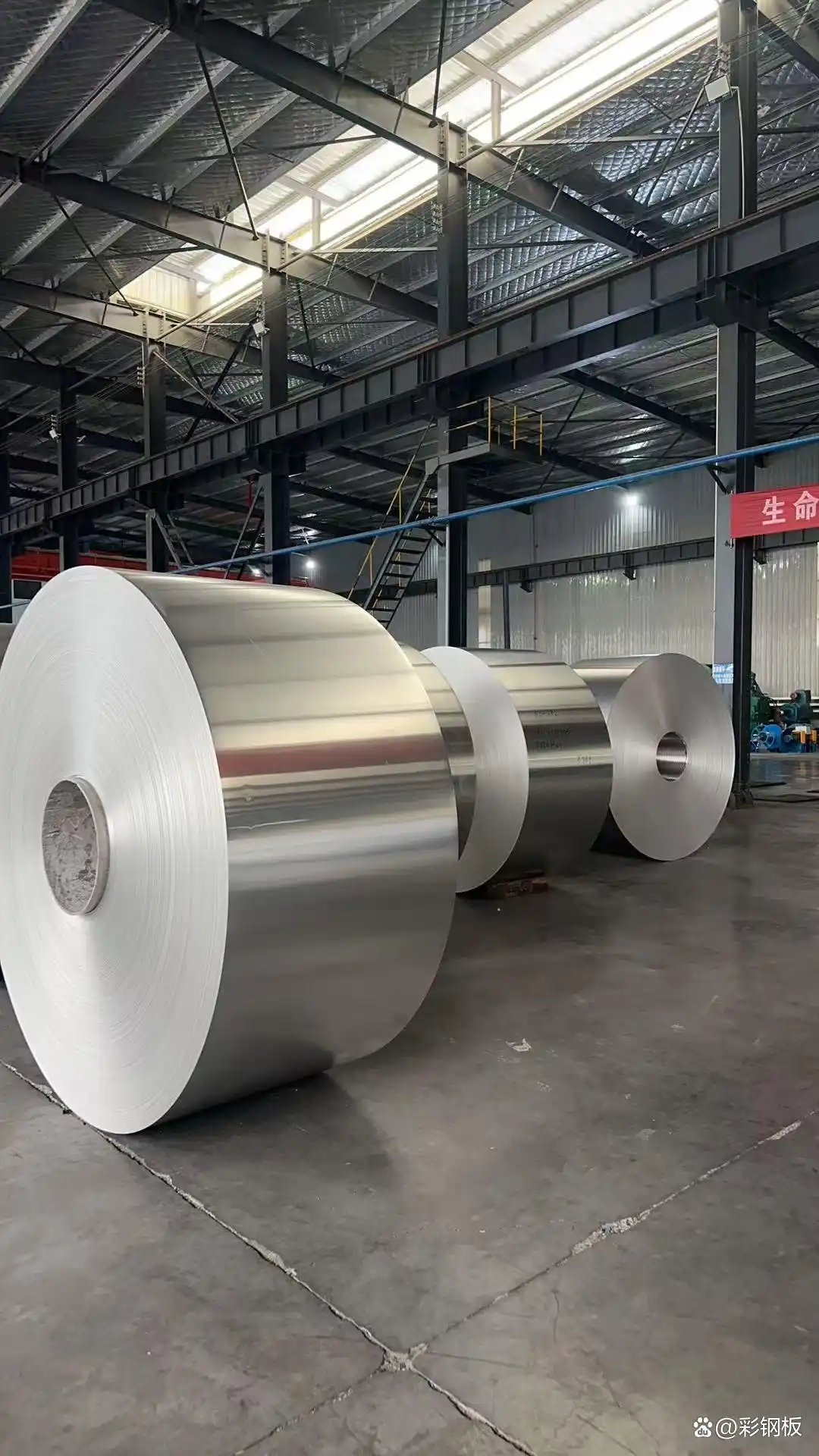
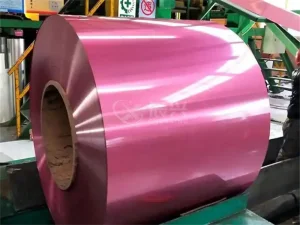
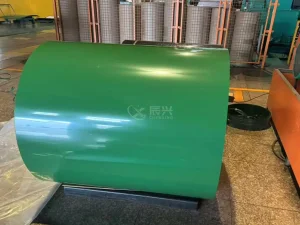
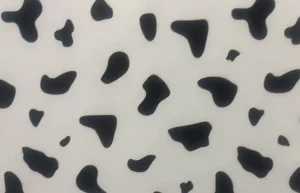
The United Arab Emirates (UAE)—encompassing major commercial hotspots like Dubai, Abu Dhabi, and Sharjah—stands at the global forefront of futuristic architecture, hyper-scale real estate development, and heavy industrial growth. However, the Gulf Cooperation Council (GCC) region presents a highly aggressive natural environment for building envelope materials. The convergence of extreme UV radiation, localized temperatures soaring above 50°C, high coastal salinity, and regular sandstorms places immense stress on exterior materials.
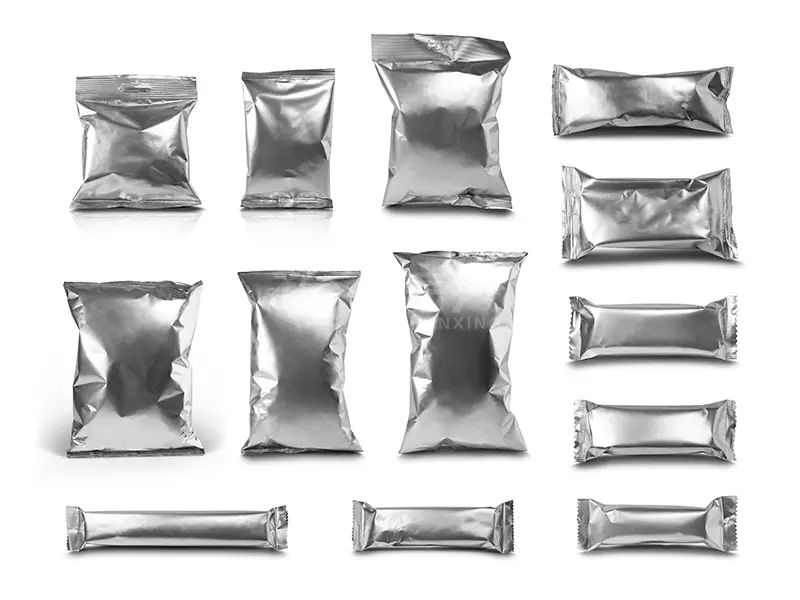
Moreover, the logistics and packaging sectors in the UAE are expanding rapidly, driven by the nation's status as a global trade hub. This expansion has accelerated the demand for high-strength, food-safe, and corrosion-resistant coated aluminum foils and sheets. Colorful aluminum serves not only an aesthetic purpose but acts as a critical protective shield, preventing oxidative degradation and heat absorption in buildings, electronics, and food supply chains.
To deliver structural integrity over a 25-to-30-year lifecycle in the Middle East, structural engineers must specify the correct coating chemistry. Below is a deep-dive analysis of the coating options supplied by tier-one manufacturers:
PVDF coatings utilize a carbon-fluorine bond, one of the strongest chemical bonds in existence. Containing at least 70% Kynar 500 or Hylar 5000 resin, PVDF provides exceptional resistance to UV-induced degradation. It complies fully with the AAMA 2605 specifications, the highest standard for architectural coatings. In coastal cities such as Dubai Marina or Abu Dhabi Corniche, where airborne salt spray is severe, PVDF shields the underlying aluminum alloy from galvanic corrosion and chemical pitting.
Polyester coatings are ideal for internal cladding, corporate identity signage, interior false ceilings, and residential roller shutters. PE offers excellent flexibility and a wide range of gloss levels, making it highly versatile for structural configurations that require complex bending. When used outdoors, high-durability polyester (HDP) offers a cost-effective alternative for inland structures in Sharjah or Al Ain, providing moderate UV stability at a highly competitive procurement cost.
| Parameter | PVDF Coated Aluminum | PE Coated Aluminum | Anodized Aluminum |
|---|---|---|---|
| Chemical Composition | 70% Fluorocarbon Resin (Kynar 500) | High-Durability Polyester Resin | Artificial Al₂O₃ Oxide Layer |
| UV Resistance (AAMA Specs) | AAMA 2605 (Excellent) | AAMA 2603 / 2604 (Moderate) | Excellent (Non-organic dye versions) |
| Salt Spray Resistance | Up to 3,000 Hours (ASTM B117) | Up to 1,000 Hours (ASTM B117) | Superior Marine Durability |
| Gloss Retention Rate | > 80% after 10 years | > 50% after 5 years | Inherent metallic look |
| Recommended Applications | High-rise curtain walls, roofing, facades | Ceilings, wall partitions, signage | Window frames, electronics, yachts |
Providing customized coil coating, extrusion, and sheet manufacturing tailored to strict international building codes.
Efficient supply chains serving Jebel Ali Port, Abu Dhabi Khalifa Port, and international GCC economic zones.

In-line spectrophotometers track color consistency (Delta E < 0.5) across entire master batches.

Immediate technical and procurement support, offering 8D corrective action reporting within 24 hours.
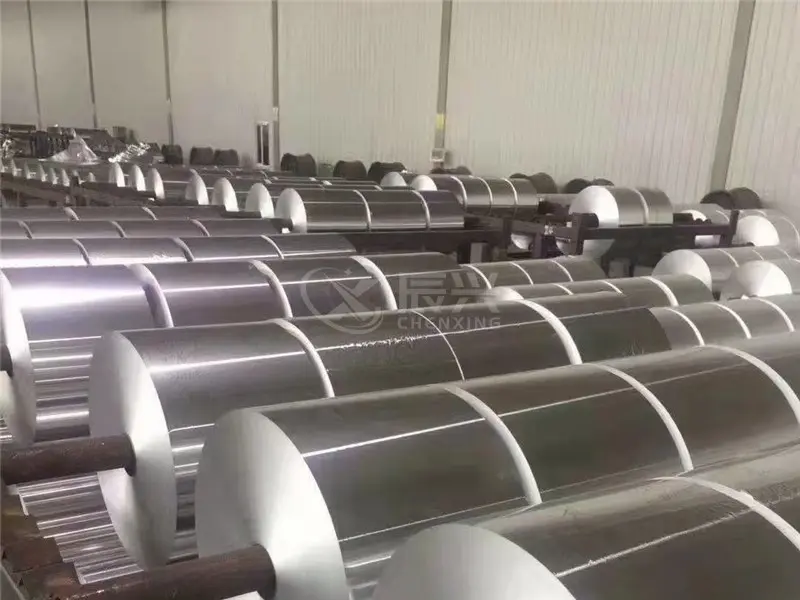
While local GCC aluminum production centers are optimized for primary smelting and high-volume basic profiles, Chinese high-precision factories specialize in downstream advanced processing, specifically multi-stage roll coating, precise color matching, and custom structural designs. This unique division of labor offers several strategic advantages for UAE-based buyers:
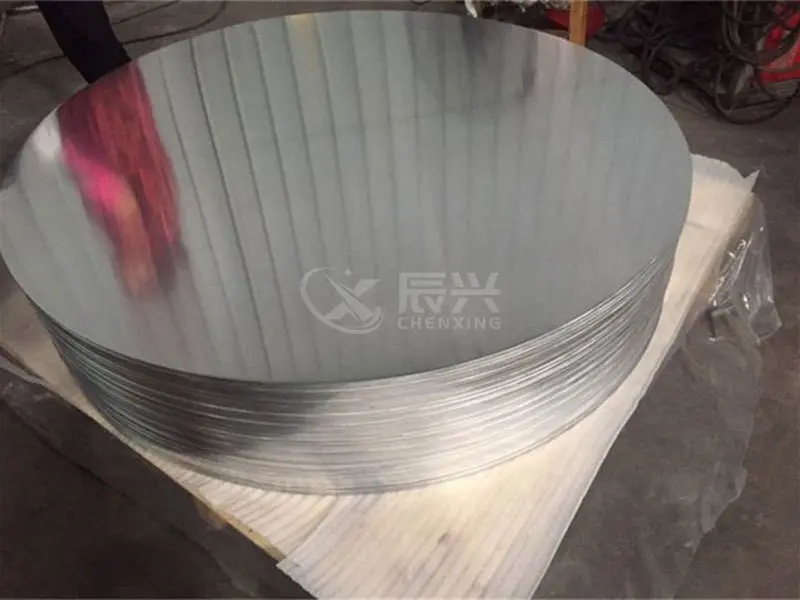
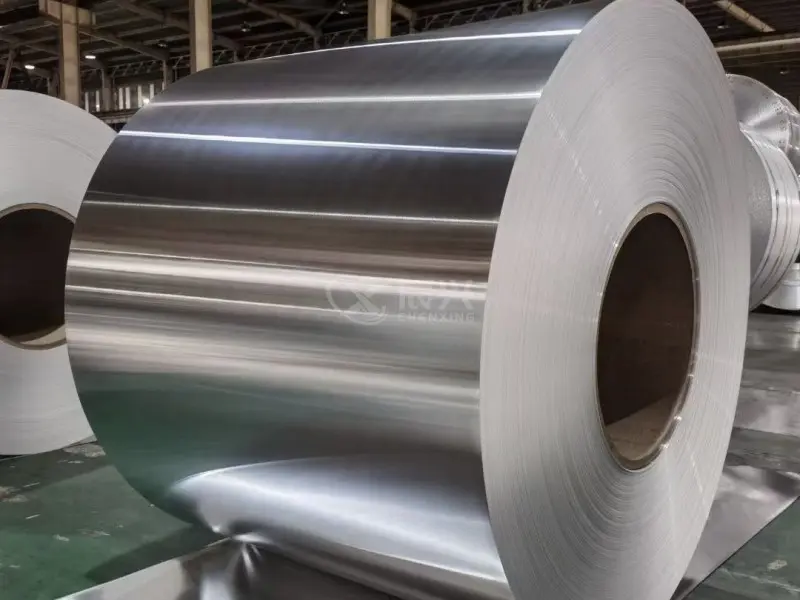
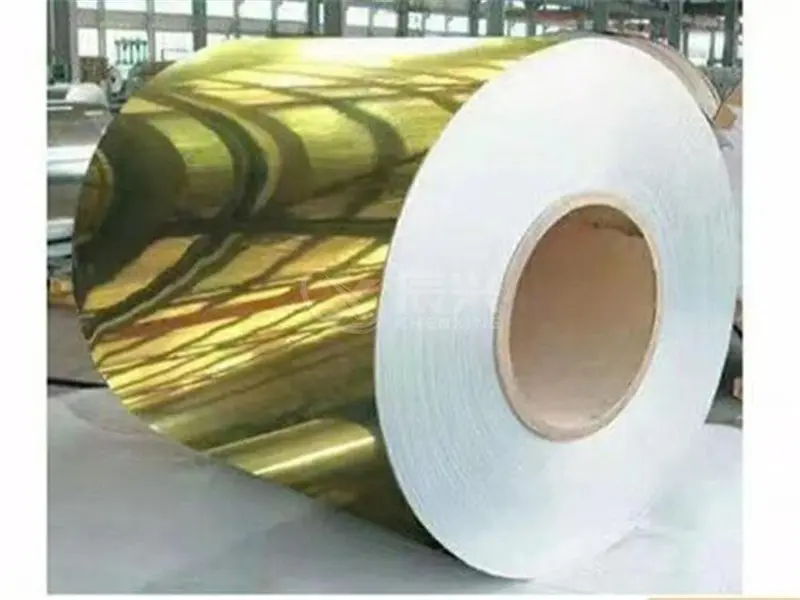
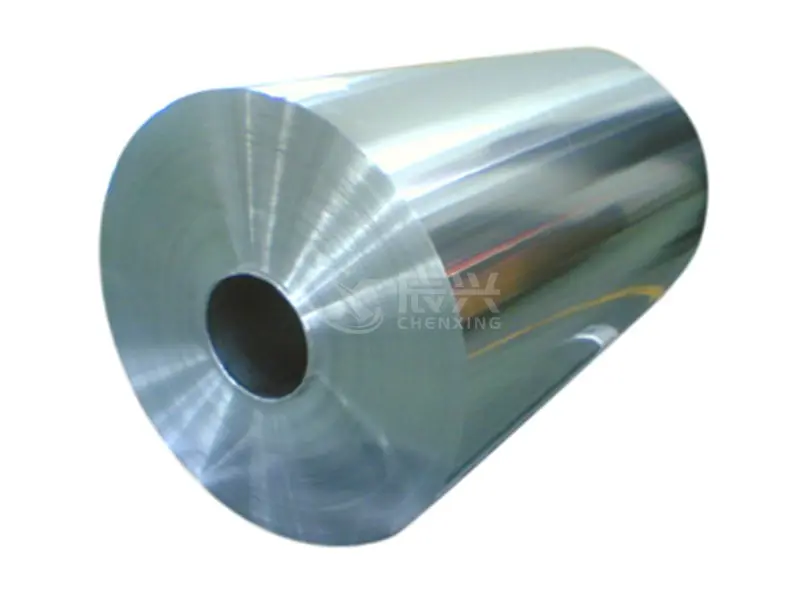


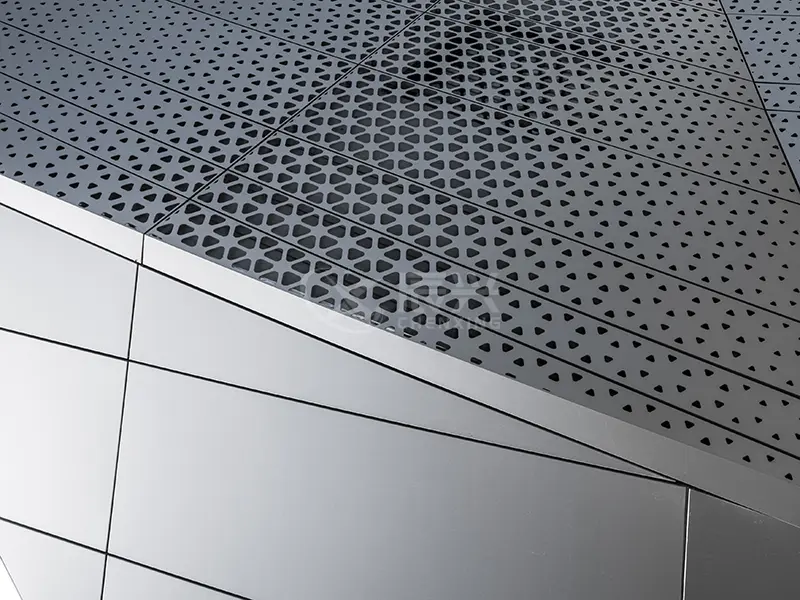

Our manufacturing and processing facilities adhere strictly to global quality frameworks. Every batch of colorful aluminum destined for the United Arab Emirates undergoes rigorous testing to guarantee performance under real-world GCC operating conditions:
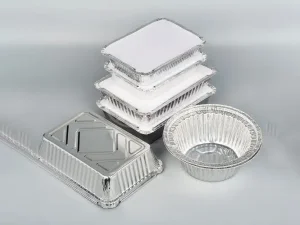
Procuring raw aluminum materials from China to the Middle East requires careful coordination of shipping logistics, customs compliance, and protective packaging to avoid transit damage. We implement strict operational guidelines to ensure hassle-free port clearance at Jebel Ali or Abu Dhabi Khalifa Port:
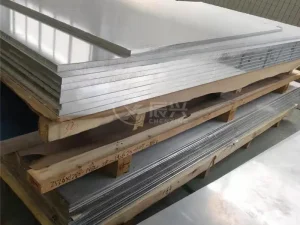
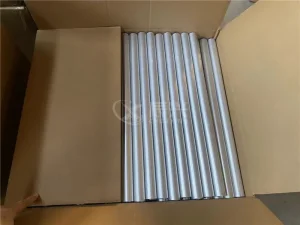
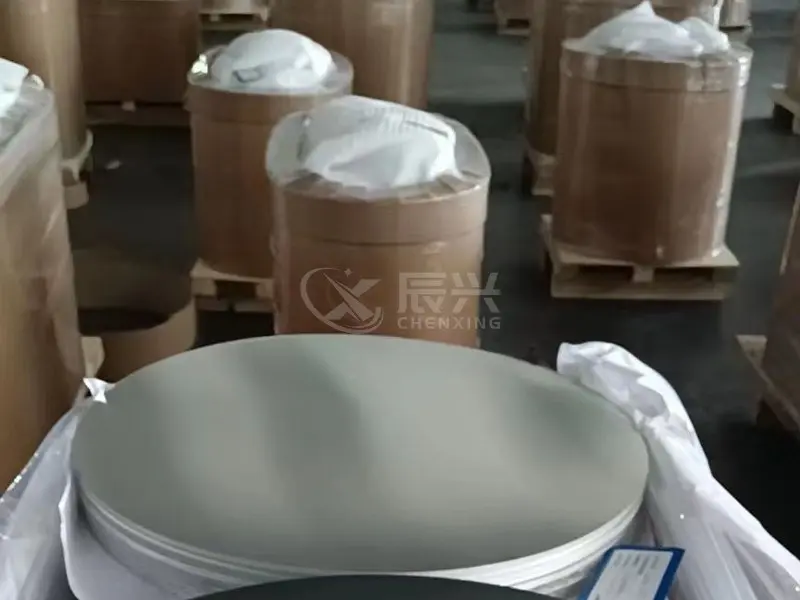
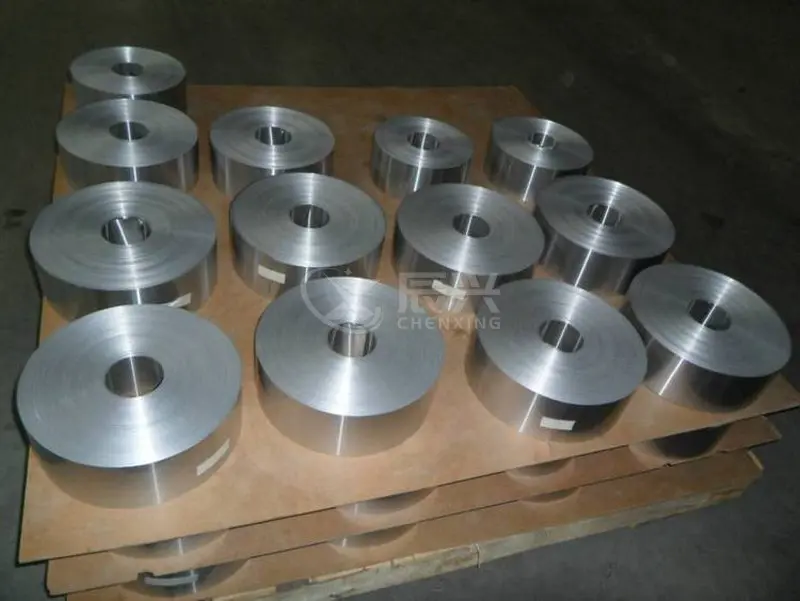
Maritime transport routes pass through high-humidity zones. Standard packaging leaves metal vulnerable to condensation and corrosion. Our export-grade packaging features double-layered polymer vapor barriers, heavy-duty desiccant packs, and secure steel strapping on solid wooden pallets to prevent shifts in cargo during shipping.
We supply a complete document set for every shipment, including detailed Mill Test Certificates (MTC) conforming to EN 10204 3.1, Certificate of Origin, Detailed Packing List, Commercial Invoice with precise HS Codes (such as 7606.12 for roll-coated aluminum sheets), and third-party test reports (SGS/TUV) upon request to streamline port clearance and prevent unexpected demurrage costs.
Contact our engineering sales team today to request custom product specifications, color-matched samples, and a direct FOB or CIF delivery quotation for your project.
Send Inquiry Now