
Direct from our precision manufacturing facility. Fully compliant with ASTM and CSA standards for industrial installations across Ontario, Quebec, British Columbia, and Alberta.
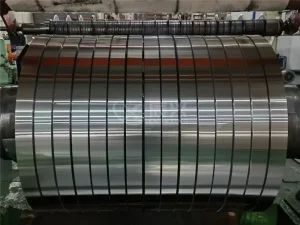
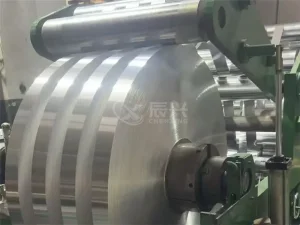
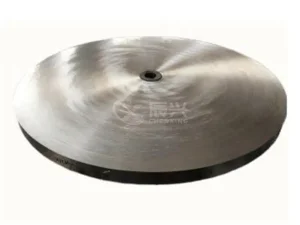
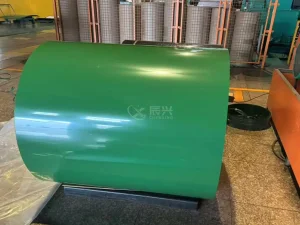
As one of the world's most advanced manufacturing nations, Canada maintains a complex and highly specialized demand for semi-finished non-ferrous metal products. Over the past decade, aluminum strips, slit coils, and circle configurations have transitioned from generic commodities to highly customized raw materials, critical to the operational performance of key industrial sectors. From automotive parts manufacturing in the Windsor-Detroit corridor to cold-climate building envelope assemblies in Edmonton, the physical properties of aluminum strips must conform to rigorous quality parameters, including dimensional accuracy, chemical purity, and precise grain structures.
Canada boasts a unique position in the global aluminum value chain. While Canada is a global leader in primary aluminum smelting—leveraging clean hydroelectric power in Quebec and British Columbia—the domestic processing sector for specialized, slit-to-width aluminum strips often relies on reliable, state-of-the-art international rolling and slitting plants to supplement demand. The requirements of Canadian fabricators are deeply integrated with North American standards, primarily set by the ASTM (American Society for Testing and Materials) and the CSA Group (Canadian Standards Association).
Key regional demand clusters across Canada present distinct engineering requirements:
Modern supply chains require rigorous tracking of Scope 1, 2, and 3 emissions. As a direct partner to Canadian industrial buyers, we provide transparent carbon footprints for our rolling and slitting processes. In alignment with Canada's commitment to net-zero manufacturing, our factory utilizes high-efficiency regenerative burners and advanced scrap recycling loops, ensuring that imported semi-finished aluminum aligns with local corporate ESG benchmarks.
Globally, the aluminum industry is undergoing a structural realignment. Supply shocks, energy price volatility, and shipping container logistics have forced procurement managers in Toronto, Montreal, and Vancouver to re-examine single-source dependencies. Developing a multi-tiered supply chain with advanced overseas mills that can guarantee tight dimensional tolerances (down to ±0.05 mm on slit widths) is now a standard risk-mitigation strategy.
Furthermore, international trade agreements and regional anti-dumping rules require manufacturers to be highly compliant with country-of-origin documentation, Mill Test Reports (MTRs), and SGS certifications. Our processing mills strictly monitor chemical configurations (specifically Fe, Si, and Mn percentages in alloys like 1050, 1100, and 3003) to guarantee crack-free deep drawing and bending capabilities.
Different industrial applications require specific metallurgical tempers and chemical makeups. Below is an engineering selection guide designed for Canadian buyers looking to optimize their material selection:
| Alloy Designation | Common Tempers | Tensile Strength (MPa) | Elongation (%) | Typical Canadian Applications |
|---|---|---|---|---|
| AA1050 | O, H14, H24 | 65 - 125 | ≥ 5% | HVAC fins, electrical conductors, food-grade cookware discs |
| AA1100 | O, H14, H18 | 75 - 145 | ≥ 4% | Deep-drawn chemical equipment, heat exchanger fins, architectural trim |
| AA3003 | H14, H24, H18 | 120 - 200 | ≥ 3% | Pipe cladding, air duct liners, structural wall corners, radiators |
| AA3104 | H19, H24 | 240 - 290 | ≥ 2% | High-strength container walls, can body stock, heat shields |
| AA5083 | O, H111, H321 | 275 - 350 | ≥ 12% | Marine vessel hulls, LNG storage tanks, cold-region transport bodies |
Meeting the performance specifications of automated assembly lines requires advanced processing equipment. At our manufacturing facility, we implement a three-tiered quality validation system:
Our aluminum strips and coils are specifically processed to meet the demanding operational conditions of major industrial sectors across Canada.




Select from our core production items, tailored for immediate processing and delivery to North American destinations.
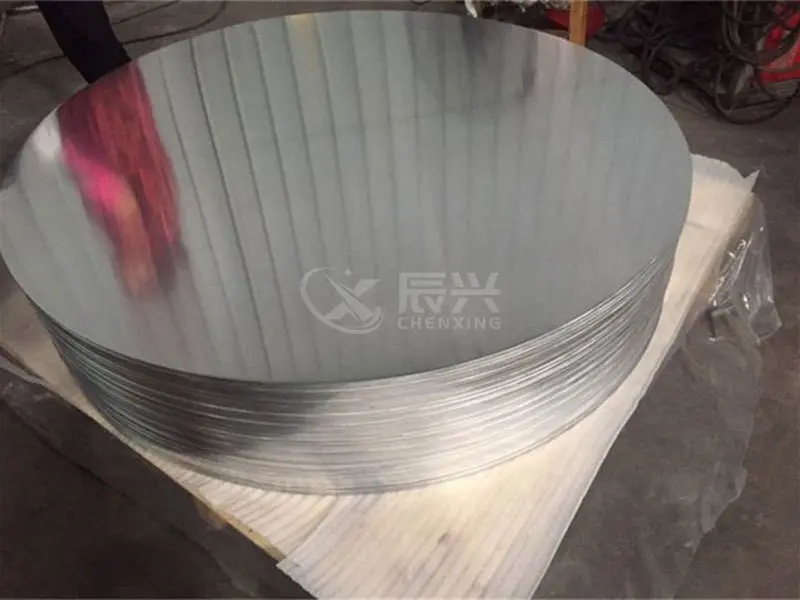
Commonly applied in manufacturing household cookware and road signs across Ontario.
Learn More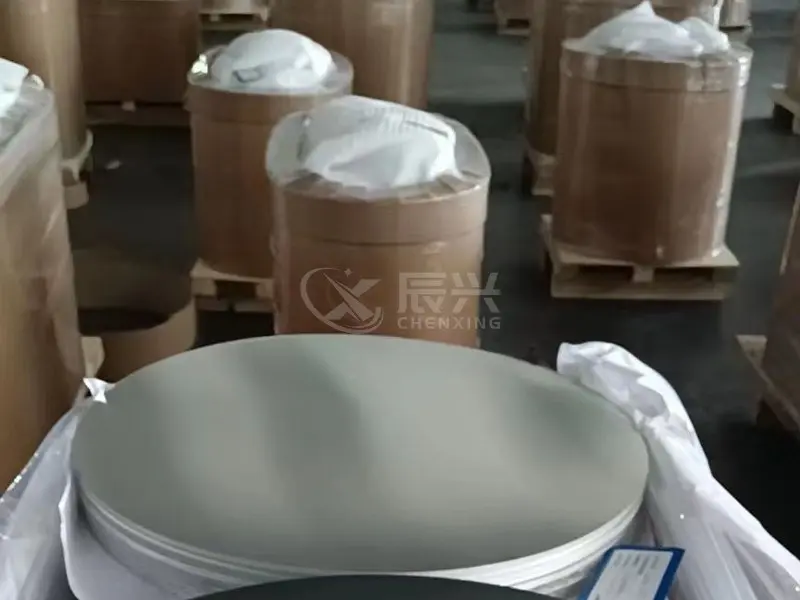
Engineered with manganese additions for improved structural strength and pressure vessel bodies.
Learn More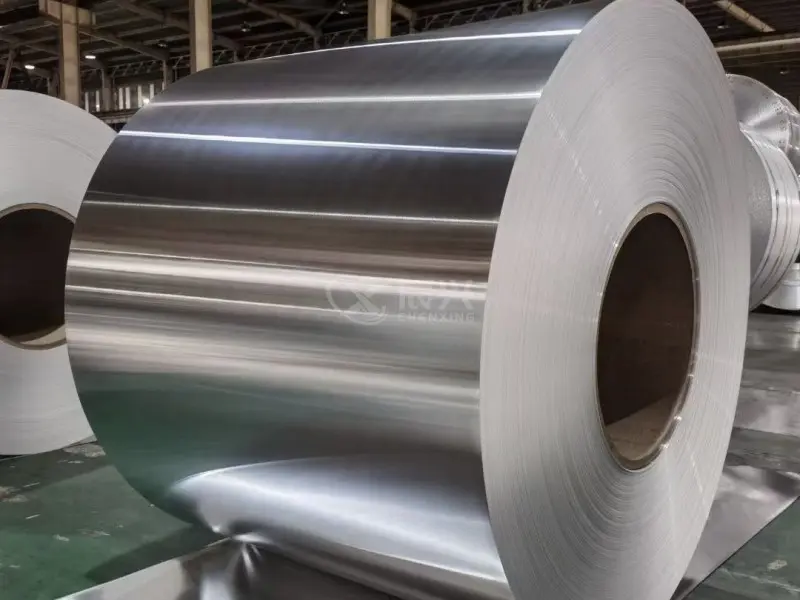
Heavy-duty master coils configured for structural fabrication and profile manufacturing lines.
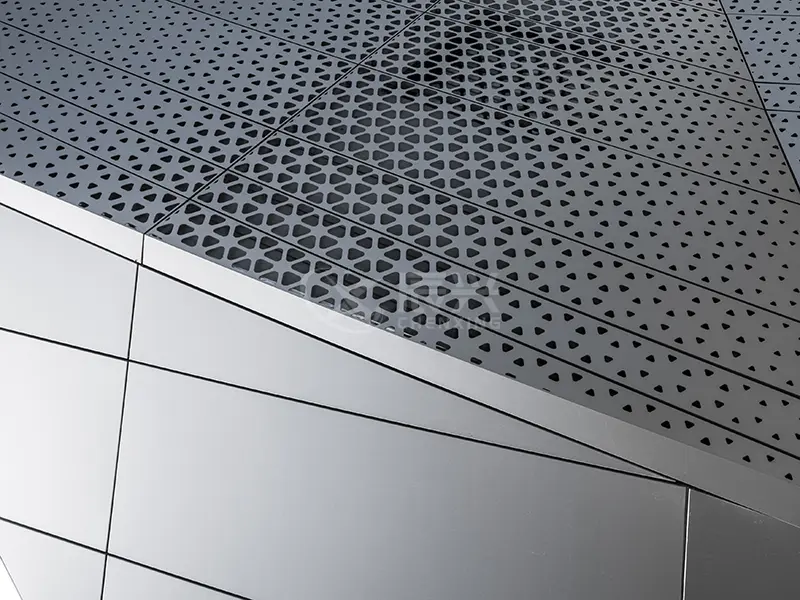
Learn MoreAesthetic surface texture designed for high-end interior trims and electronics packaging.
Learn More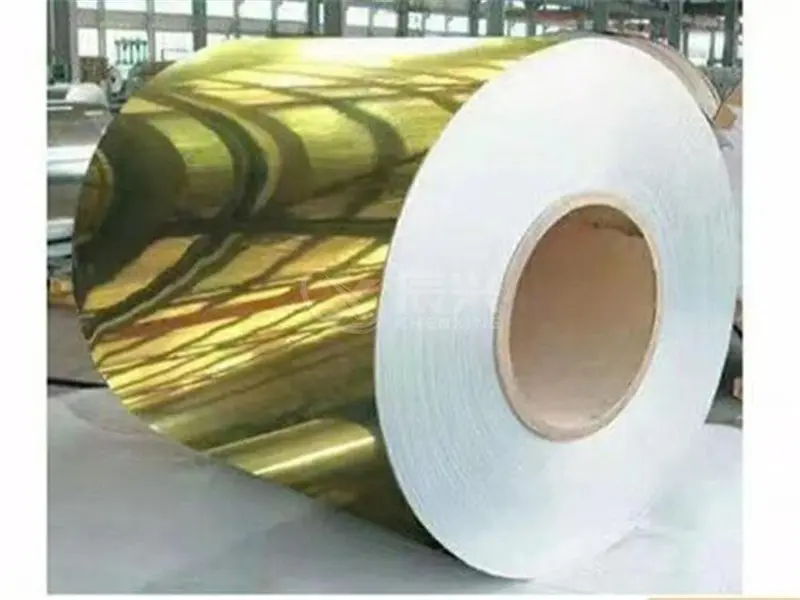
Highly polished surface with high total reflectance, perfect for commercial lighting fixtures and solar systems.
Learn More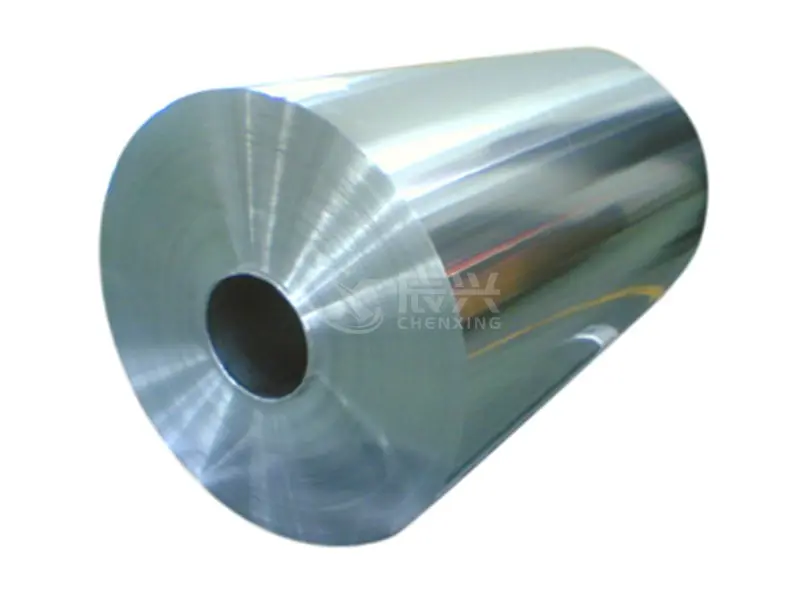
Specially treated foil for heat exchangers, optimizing condensation run-off in cold regions.
Learn More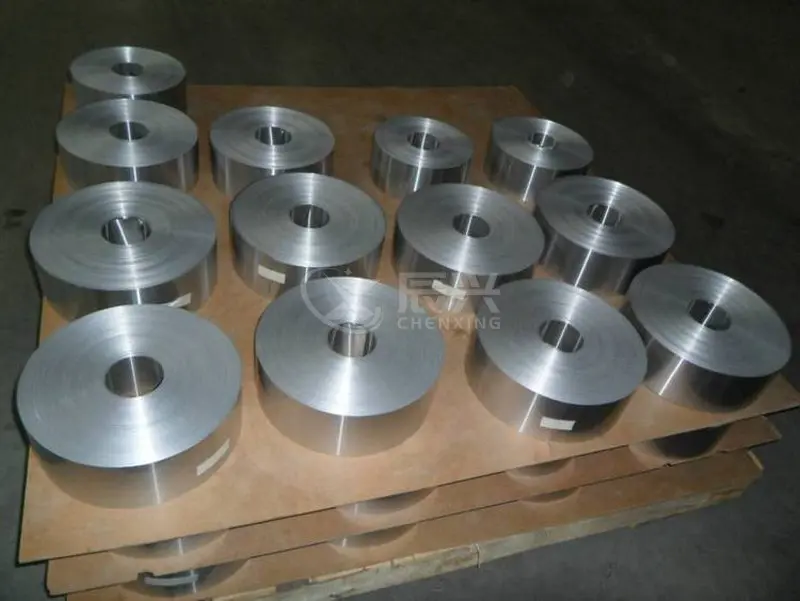
High mechanical durability and vapour barrier protection for HVAC ducting networks.
Learn More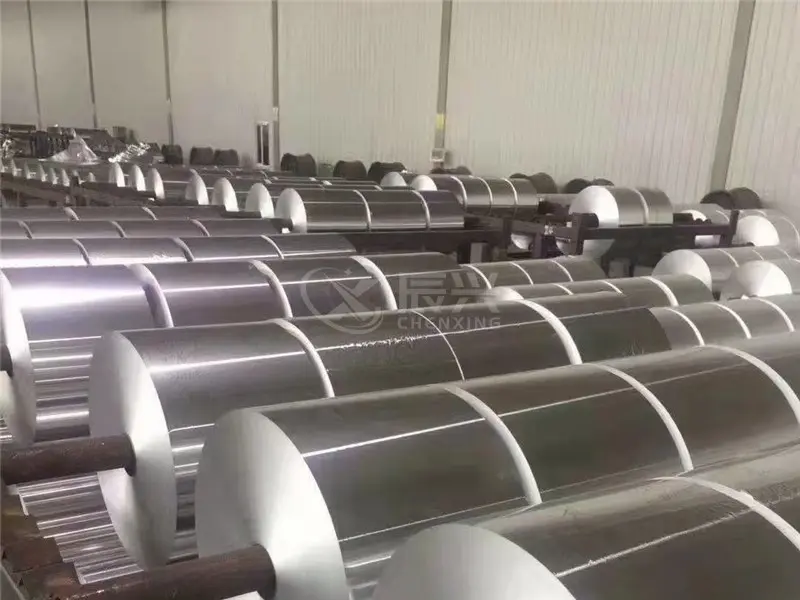
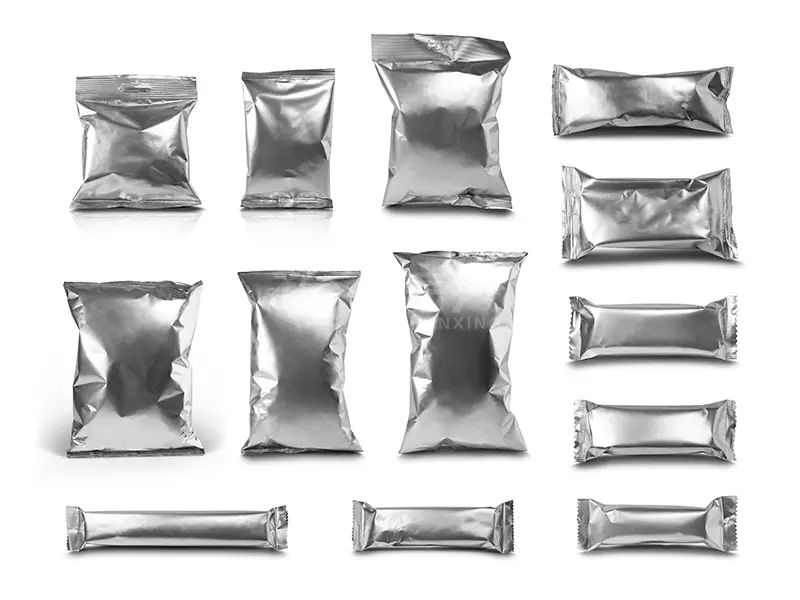
Multi-alloy foils optimized for lamination, heat-sealing insulation, and packaging products.
Learn MoreMany Canadian manufacturing plants run automated assembly setups with fixed uncoiler dimensions. We provide custom Outer Diameter (OD) limits, Inner Diameter (ID) options (e.g., 75mm, 150mm, 508mm paper or metal cores), and split widths down to 5mm to minimize setup times and material waste on your shop floor.
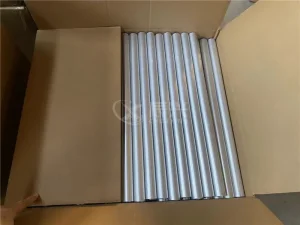
Sea transport across the Pacific or Atlantic to Canadian ports like Vancouver or Montreal exposes shipments to salt spray and high moisture levels. We utilize eye-to-sky or eye-to-wall export packaging configurations, using multiple layers of desiccants, plastic moisture barriers, and heavy-duty wooden crates to prevent oxidation.
By working closely with major North American freight forwarders, we organize customs clearance, port handling, and inland rail shipping directly to your logistics hubs in Ontario, Quebec, or Alberta, maintaining predictable lead times even during seasonal shipping peaks.
Canada's transition to a low-carbon economy relies heavily on raw materials. Aluminum, due to its infinite recyclability without loss of structural performance, is designated as a key component of sustainable infrastructure. The automotive sector in particular requires lightweight structural panels and crash box extrusions. By supplying aluminum strips with recycled content and utilizing clean processing technology, we support Canadian Tier-1 suppliers in meeting their strict environmental impact targets.
Get answers to common technical, logistics, and quality assurance questions when sourcing aluminum strips from our factory for Canada.
Explore additional high-performance aluminum sheets, foils, and specialized profiles developed in our certified factories.

Stay up to date with metallurgical advancements, trade policies, and global demand updates.
Our mills adapt to rising overseas demand by expanding slitting capabilities and adjusting batch delivery protocols to better serve North American routes.
Read More →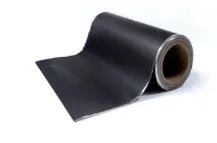
Evaluating the growth projections for lithium-ion battery cathode collectors, requiring high-purity alloy formulations.
Read More →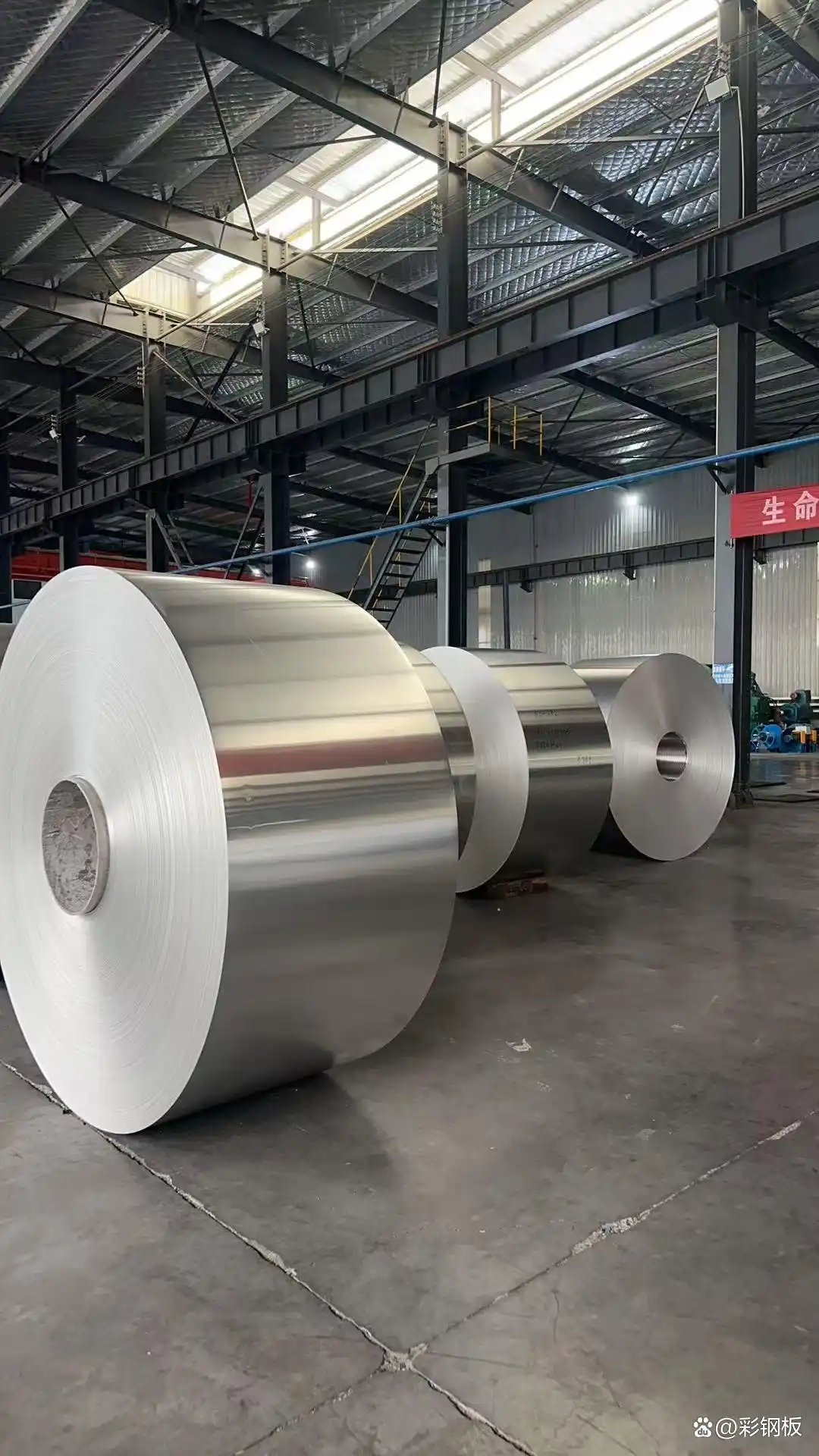
Analysis of how green construction initiatives and industrial infrastructure updates drive demand for weather-resistant coil solutions.
Read More →Connect directly with our engineering and logistics coordinators. We provide dynamic pricing, logistics arrangements, and customized slitting specifications within 24 hours.
Send Inquiry Now