
High-demand alloy sheets engineered for local Tokyo high-tech manufacturing, electrical engineering, and precision equipment fields.
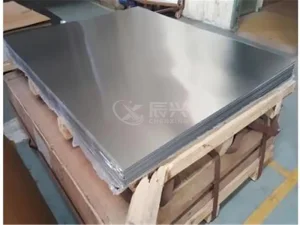
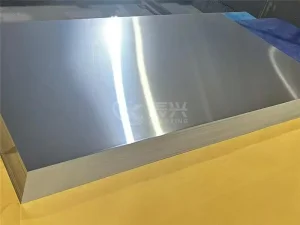
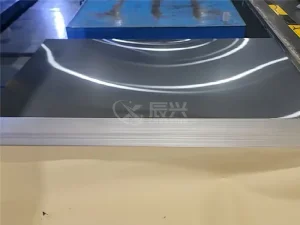
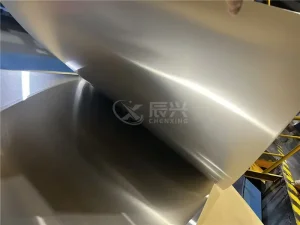
Mapping the spatial industrial architecture and technical prerequisites of Tokyo's dynamic advanced manufacturing and metalwork distribution centers.
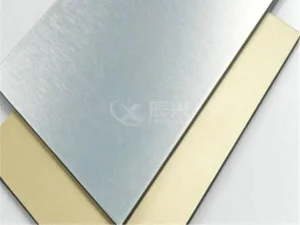
Tokyo is not merely a global commercial hub; it is the strategic epicenter for high-precision design, advanced electronics, and robotics in the Kanto region. Industrial zones spanning Ota City, Shinagawa, and the neighboring Kanagawa and Saitama industrial belts demand high-grade aluminum sheets with extremely tight tolerance criteria. The shift toward electrification, green buildings, and micro-component housing requires raw materials to possess superior tensile stability, flatness, and specialized finish options.
Tokyo-based engineers operate on the strict Japanese Industrial Standards (JIS H4000). Whether for precision stamping, structural automotive assemblies, or specialized battery enclosures, finding a supplier that integrates manufacturing agility with JIS equivalence is paramount to minimizing quality discrepancies.
Local metal service hubs within Tokyo face high operating overheads, leading to constrained stock dimensions and premium local pricing. This reality has driven major engineering and trading institutions across Kanto to diversify their supply risk. By linking up with top-tier international mills capable of providing high-order manufacturing runs coupled with robust container logistics directly into the Port of Tokyo or Port of Yokohama, Tokyo companies achieve significant cost mitigation while securing reliable raw material backup lines.
From cutting-edge urban architectures to precision microelectronics, aluminum sheets are instrumental in powering Tokyo's next-gen infrastructure.
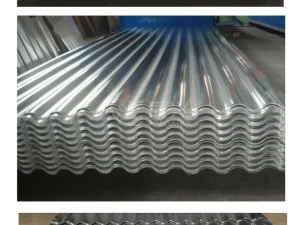
Tokyo's severe earthquake codes dictate structural lightness. Anodized and lightweight corrugated aluminum sheets are heavily utilized across redevelopment projects in Shinjuku and Shibuya, offering excellent wind-load resistance and durability with zero degradation from moisture or pollution.
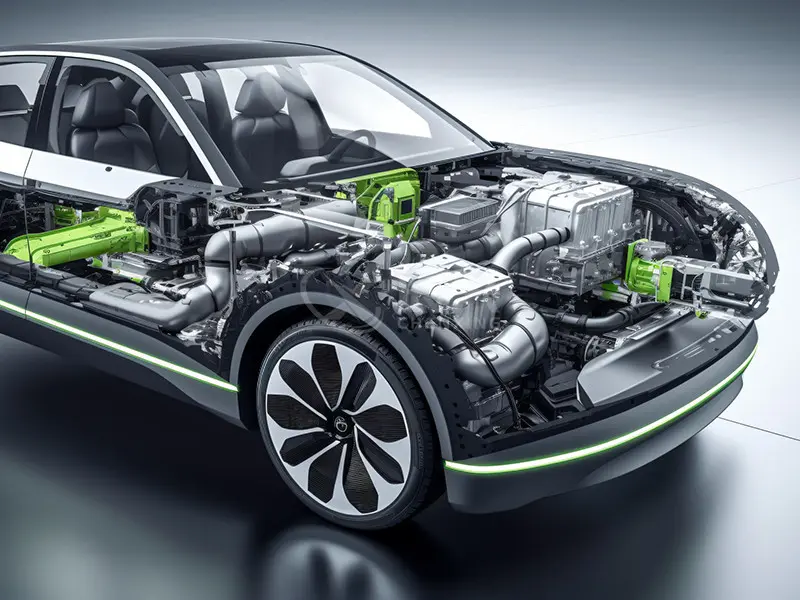
To reduce vehicle mass and maximize electric vehicle range, Kanto automakers leverage high-formability 5000-series (such as 5052 and 5083) and structural 6000-series sheet materials for body-in-white panels, sub-frames, and transit interiors.
Tokyo's global design labs require pristine thermal performance and electro-magnetic shield capabilities. Highly-pure 1000-series and high-conductivity 3000-series aluminum sheets supply critical enclosures, chassis, and cooling fins for IT equipment.
Decades of manufacturing expertise, rigorous testing facilities, and dedicated client service structures.
Explore the breadth of industries served by our custom aluminum configurations across Japan and international markets.
Supplying rolling stock structural profiles, high-speed rail panel skins, and aerospace-grade bulkheads built to withstand constant mechanical stress.
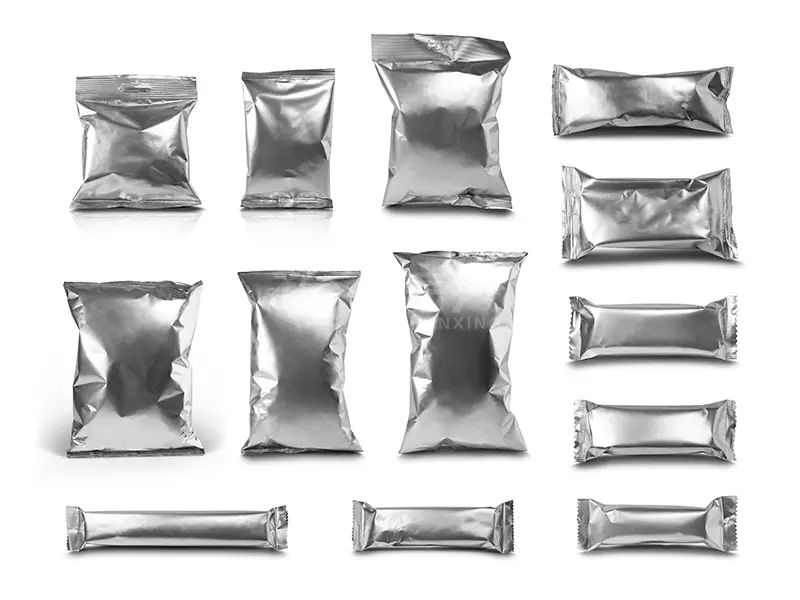
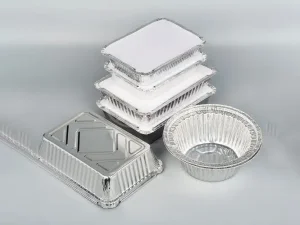
Excellent chemical resistance and barrier properties for food containers, medicine blisters, packaging bags, and industrial thermal foils.

High thermal conductivity sheets designed for precision circuit assemblies, smartphones, computer chassis, and LED cooling arrays.
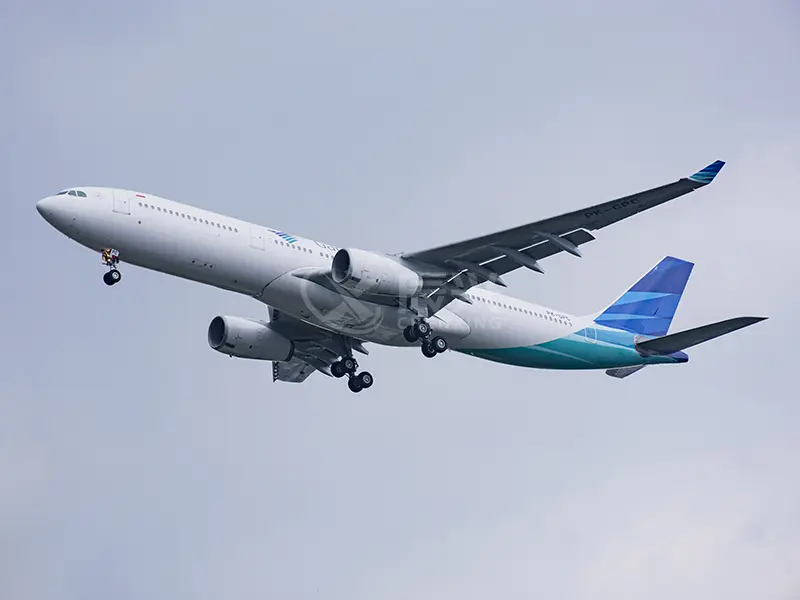
Sourcing ultra-high-strength 7075 and 2024 alloys requiring extreme fatigue tolerance and precision heat treatments.
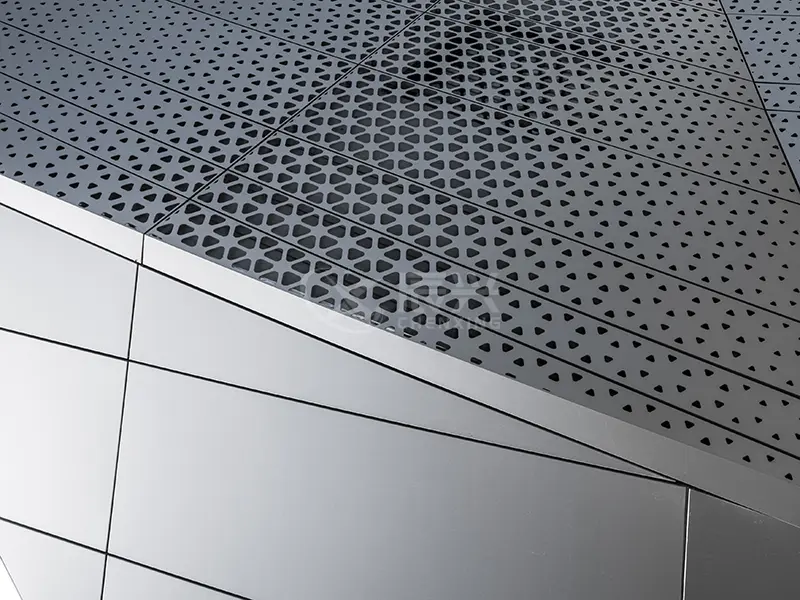
Enhancing seismic resilience and design flexibility of modern office buildings, cladding, ceilings, and modular cleanrooms.
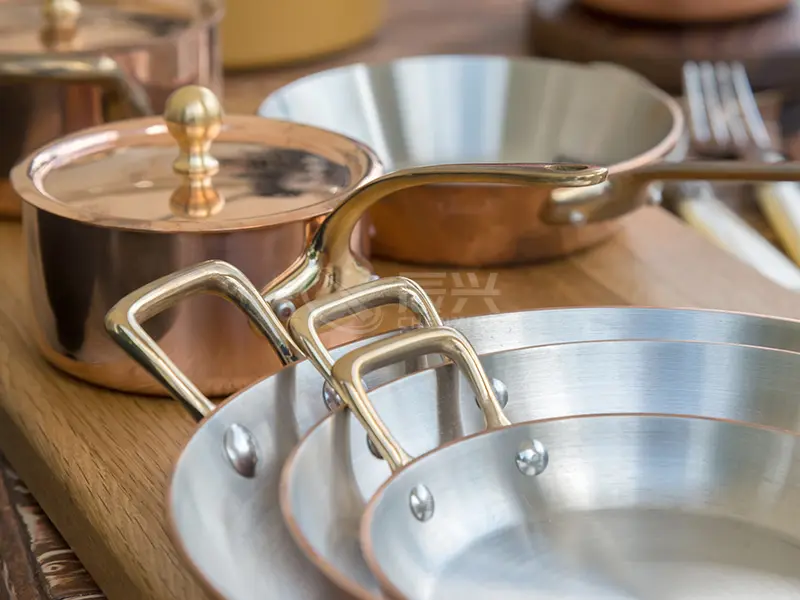
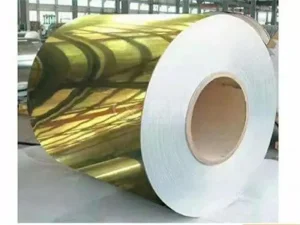
Fingerprint-resistant surface coated sheets for high-end refrigerator doors, washing machine drum parts, and heat ducts.
Why leading Tokyo manufacturing centers are leveraging the unparalleled capacity and logistical efficiency of Chinese primary mills.
By operating high-scale continuous casting and rolling mills in key Chinese industrial zones, we secure optimized raw aluminum ingot pricing, direct fuel lines, and high manufacturing yields. These cost advantages translate directly to reduced per-ton prices for Tokyo companies, without losing quality controls. All output batches undergo intensive mechanical and chemical tests, ensuring fully compliant MTC (Material Test Certificate) documentation conforming to JIS H4000, ASTM B209, and EN 485 specifications.
Logistical delays disrupt assembly flows. Our strategic partnerships with ports like Qingdao, Shanghai, and Ningbo allow us to secure cargo holds and dispatch regular shipments targeting the Port of Tokyo or Port of Yokohama. Transition times are typically reduced to 7-10 days, allowing Tokyo manufacturers to execute Just-in-Time raw material strategies without carrying high local inventory costs.
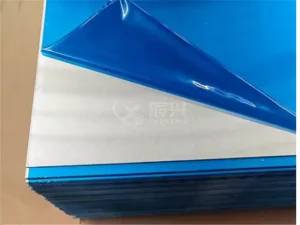
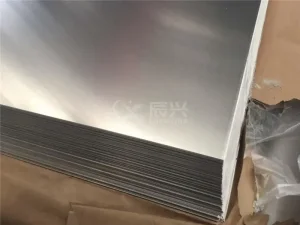
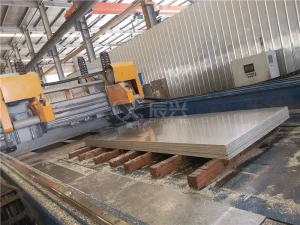
Our integrated manufacturing system features automated flat-sheet slitting, surface laminating (PE/paper interleaved protective layers), and custom heat-treatment capabilities (O, H14, H24, H32, T6, etc.) to match exact engineering specifications.
Envisioning the future of aluminum alloys: lighter, stronger, and environmentally conscious for the global industrial economy.
By introducing precise microelements (Scandium, Zirconium, Titanium) into 5000 and 6000 series systems, we increase welding performance and cracking resistance, which are critical for high-stress applications in transit and deep-draw stamping.
Responding directly to the Tokyo Metropolitan Government's "Zero Carbon Yokohama" and Tokyo-wide green procurement acts, we are expanding our supply of recycled scrap-based aluminum and carbon-offset primary ingots to lower downstream Scope 3 greenhouse emissions.
Developing specialized micro-etched mirror surfaces and self-cleaning anodized layers. These advancements allow Tokyo electronic firms to achieve improved heat dissipation characteristics while offering superior mechanical durability in exterior architectural exposures.
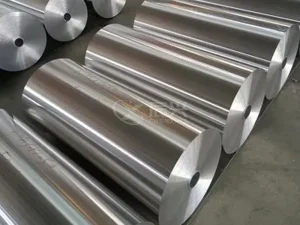
Explore our specialized alloys, anodizing configurations, circles, and foils requested by Tokyo and regional Japanese trade distributors.
Eliminating cross-border trade friction through transparent materials validation and verification procedures.
Many procurement teams believe sourcing outside of Japan poses quality risks. Our metallurgists map chemical compound boundaries strictly to align with JIS H4000 standards. Our alloys are thoroughly certified for chemical composition (Al, Si, Fe, Cu, Mn, Mg, Cr, Zn, Ti) and mechanical qualities (Tensile strength, proof stress, and elongation).
We ensure all aluminum materials shipped to Japan conform to recent RoHS directives (Restriction of Hazardous Substances) and REACH criteria. No banned trace contaminants enter our smelting, ensuring clean, hazard-free recycling pathways in compliance with Japanese local environmental policies.
Keep up with global market adjustments, factory capacities, and technological transformations in metallurgy.
We have increased extrusion and cold-rolling lines to stabilize deliveries to Kanto-based distributors amid volatile global container shipping schedules.
High-purity carbon-coated foils are expanding to meet the lithium-ion batteries market demand in automotive hubs within Greater Tokyo.
Low-carbon aluminum materials are becoming mandatory. We are adopting gas recycling heaters to decrease processing footprint by 15%.
Technical clarifications on procurement, specifications, lead times, and custom solutions.
5052 belongs to the Al-Mg family, where Magnesium (approx. 2.2% - 2.8%) is the primary alloying agent. It provides excellent corrosion resistance, high weldability, and moderate strength. 6082 is an Al-Mg-Si alloy with Silicon and Manganese additions, allowing for thermal strengthening (temper T6), which yields higher tensile strengths suitable for load-bearing frameworks.
Yes. Our smelting and rolling systems can be calibrated to meet JIS H4000 specifications (including specific composition limits, mechanical yield testing, and dimensional tolerance standards). Certified Mill Test Certificates (MTC) detailing chemical and physical validation results are generated for every cargo lot.
For standard stocked sheets, dispatch to domestic ports takes 2-4 days. Maritime transit times to the Port of Tokyo or Yokohama average 7-10 days depending on local seasonal shipping routes. Custom alloy configurations require a production period of 15 to 30 days before dispatch.
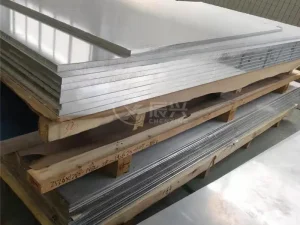
We apply high-performance protective PE/Laser films to the face of every sheet. Additionally, neutral moisture-resistant paper is interleaved between each sheet layer. Heavy-duty wooden crates are reinforced with moisture desiccant bags and sealed under tight plastic wrapping to prevent saltwater corrosion.
Yes. We understand Tokyo engineers require preliminary materials to test tooling presses and laser parameters. We accommodate prototype sample weights and smaller initial trial containers, allowing validation before bulk commitments.
Get direct access to mill-direct pricing, customized sizing runs, and dedicated engineering supports. Submit your specifications to receive a complete quotation within 24 hours.