
Direct supply paths from raw processing to final distribution in Sydney, NSW. Click on products to inspect core mechanical and dimensional specifications.
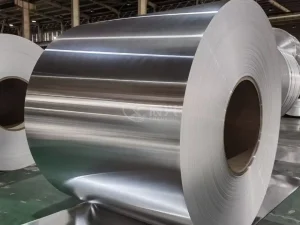
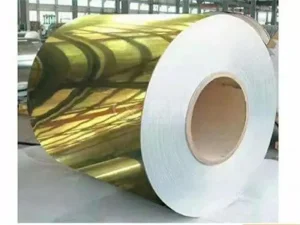
As the industrial and financial engine of Australia, Sydney and the wider New South Wales (NSW) region exhibit distinct requirements for light-metal alloys. The modern Sydney landscape is shaped by massive public infrastructure developments, residential high-rise renewals, and a rapidly expanding logistics sector along the Western Sydney Aerotropolis corridor. This construction surge demands immediate access to high-quality aluminum coil systems capable of resisting harsh coastal atmospheres, complying with stringent national fire safety codes, and satisfying tight construction schedules.
Aluminum coil is no longer treated as a simple commodity. For design engineers working on landmark Sydney CBD high-rises or industrial facilities in Botany, Smithfield, and Rydalmere, specifying the correct alloy and temper is critical. Coastal atmospheric conditions in Sydney present corrosive, salt-laden marine air, necessitating structural elements comprised of high-purity marine-grade aluminum, such as the 5xxx series. Additionally, local manufacturing sectors, including HVAC system fabricators, transport trailer body builders, and custom electronics enclosures producers, rely on precise dimensional tolerances and structural temper guarantees.
To support high-priority engineering projects across NSW, our supply framework relies on a direct-to-factory model. This integration eliminates domestic distribution markups while providing clear compliance paths. Purchasing directly from a manufacturing facility offers critical benefits that local steel merchants cannot match:
We ensure all aluminum coil components imported into Sydney fully satisfy local regulatory and performance guidelines.
For building developments in Sydney, structural safety and fire prevention standards are critical. Design engineers must ensure all materials comply with the National Construction Code (NCC) and key Australian Standards. Our mill practices are aligned with these rules, ensuring straightforward certifications during council approvals:
Specifies flat sheet, coiled sheet, and plate chemical compositions, mechanical traits, and dimensional tolerances for engineering applications.
Utilizes 5xxx marine-grade alloys (such as 5052 and 5083) to resist atmospheric corrosion in coastal areas up to 100 meters from the shoreline.
Our solid panel materials achieve zero indices for spread of flame and smoke development, meeting modern architectural cladding standards.
Selecting the right alloy is essential for optimizing performance and cost-efficiency. The following table highlights the properties of our primary alloys supplied to the Sydney market:
| Alloy Series | Primary Temper | Tensile Strength (MPa) | Key Mechanical Properties | Ideal Sydney Applications |
|---|---|---|---|---|
| 1xxx Series (e.g., 1050, 1060) | O, H14, H24 | 65 - 125 | 99.5%+ purity, high electrical & thermal conductivity, excellent workability. | Industrial chemical vessels, electrical busbars, transformer windings. |
| 3xxx Series (e.g., 3003, 3105) | H14, H24, H18 | 110 - 190 | Good structural strength, excellent corrosion resistance, high weldability. | HVAC units, air duct systems, building facades, kitchenware blanks. |
| 5xxx Series (e.g., 5052, 5754) | O, H32, H34 | 190 - 280 | High fatigue strength, superior marine corrosion resistance, excellent forming. | Marine hulls, road transport tanks, coastal architectural cladding. |
| 8xxx Series (e.g., 8011) | O, H22 | 80 - 145 | Superior thin-gauge rolling stability, puncture resistance, barrier properties. | Cable shielding foils, thermal insulation wrap, flexible air ducting. |
Combining large-scale automated processing with efficient global shipping to Port Botany.
Our mills utilize continuous casting and cold rolling lines integrated with automated gauge control (AGC) systems. These technologies maintain uniform thickness profile tolerances of ±0.02 mm across the entire length of the coil. Additionally, online pinhole detection for ultra-thin foils ensures consistent barrier protection, meeting the demands of battery manufacture and packaging industries.
Because ocean transit to Sydney exposes products to high relative humidity, we apply heavy-duty export packaging protocols. Coils are wrapped in plastic barriers containing desiccants, secured with cardboard core protectors, and mounted on heat-treated timber pallets. Shipping schedules are timed to align with major shipping lines to minimize port storage delays at Port Botany.
Our centralized manufacturing base leverages scale to keep raw material conversion costs low. Raw ingots are sourced from primary smelters to ensure consistent chemistry, avoiding recycled scrap contamination that can affect tensile strength. Our operations are certified to ISO 9001:2015 and IATF 16949 standards, providing documented quality assurance for industrial contracts.
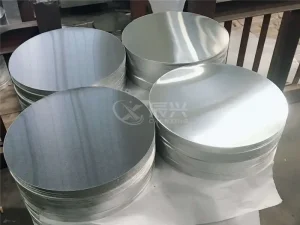
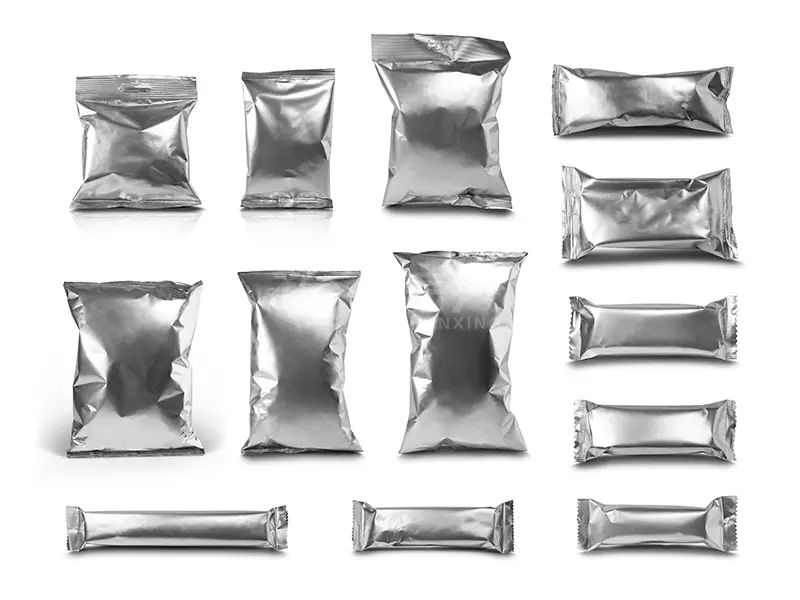
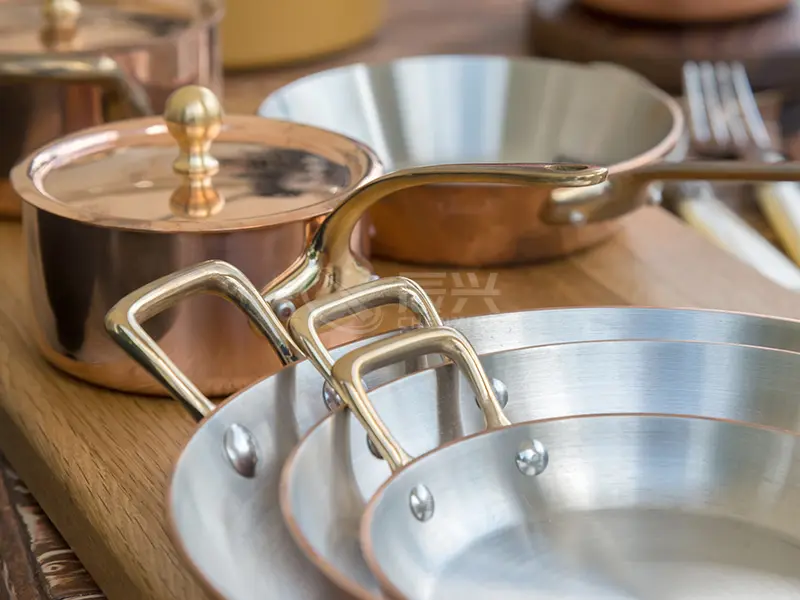
Our primary product catalog includes high-performance foils, specialized circles, and heavy-duty structural plates.
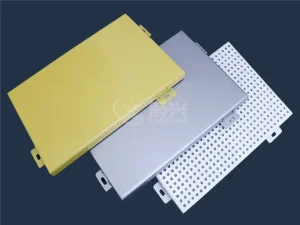
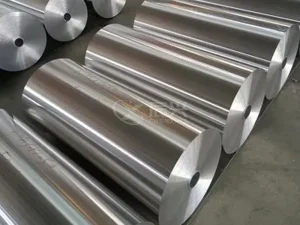
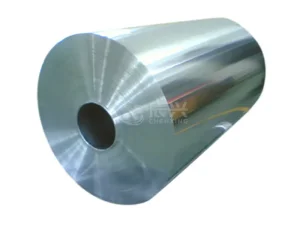
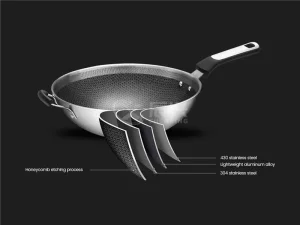
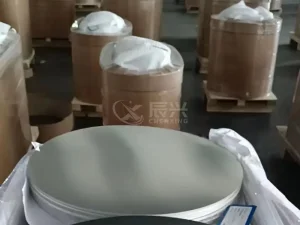
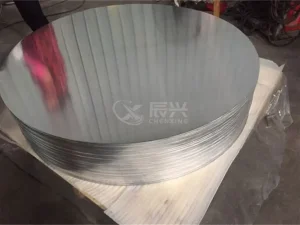
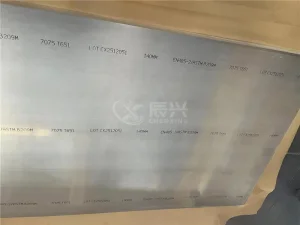
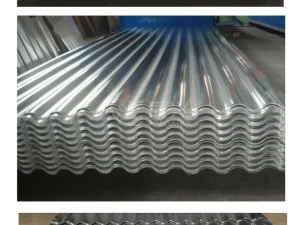
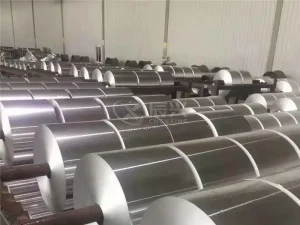
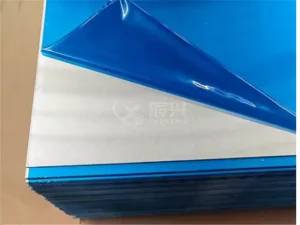
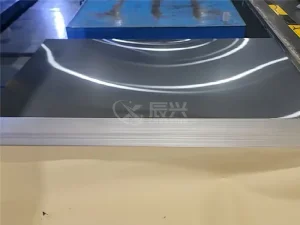
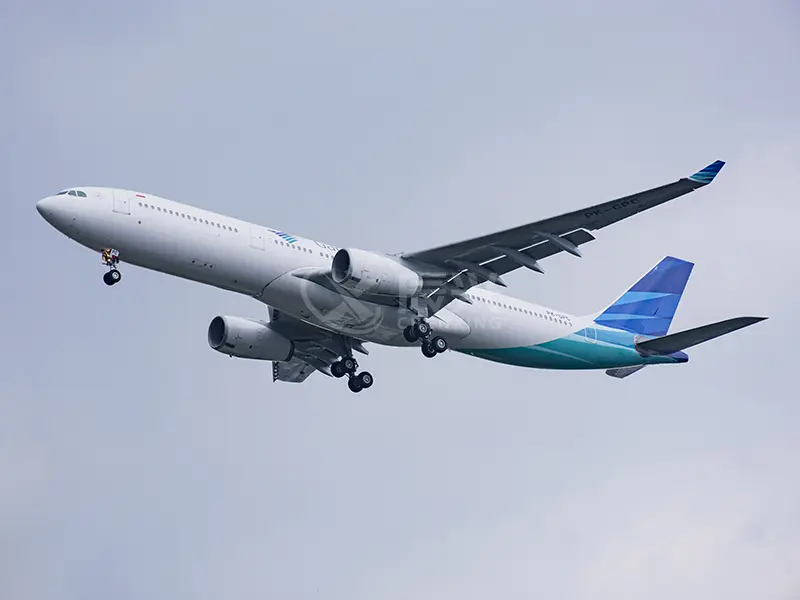
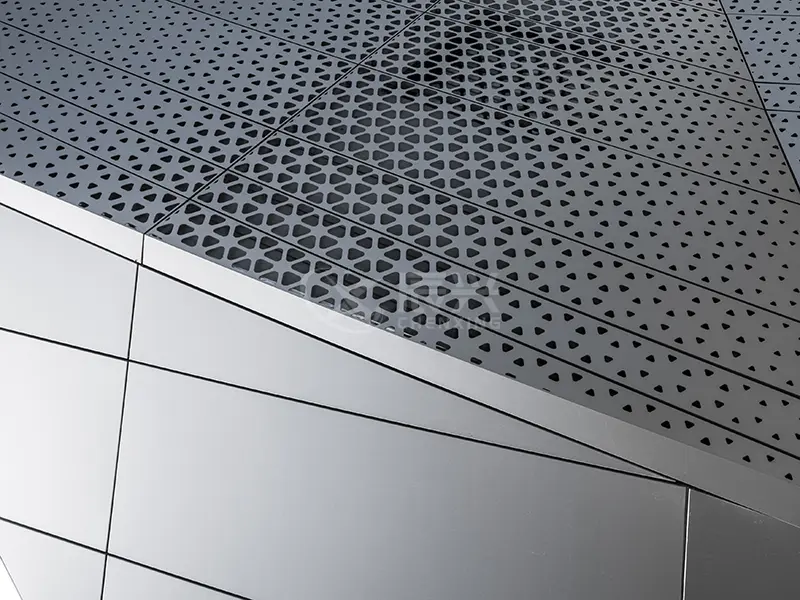
Our materials are utilized in key infrastructure projects, transport networks, and commercial manufacturing plants throughout New South Wales.
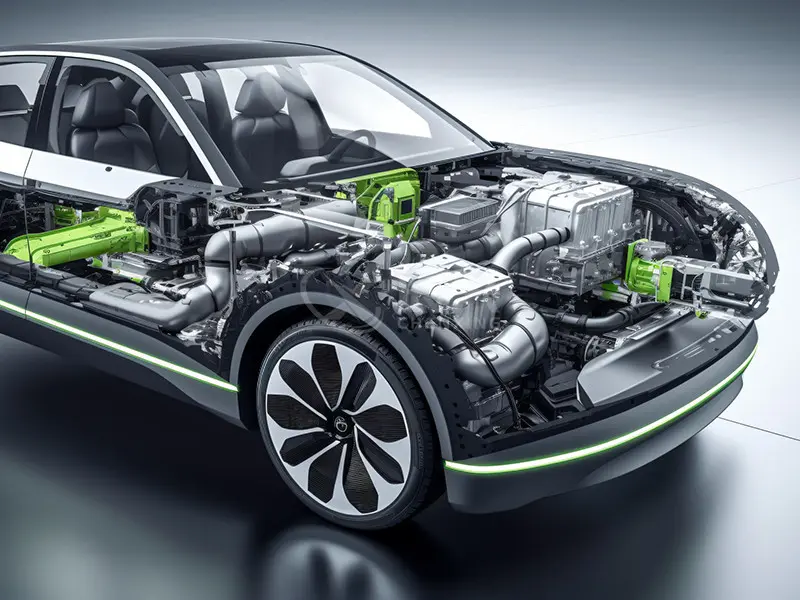

Stay informed with the latest insights on structural metal alloys, trade updates, and manufacturing innovations.
Global infrastructure demand is driving increased production. We have expanded our rolling capacity to ensure reliable lead times for long-term project schedules.
Read Press Release →
The expansion of grid storage and electric vehicle production in Australia is increasing the demand for high-purity cathode current collector foils.
Read Technical Article →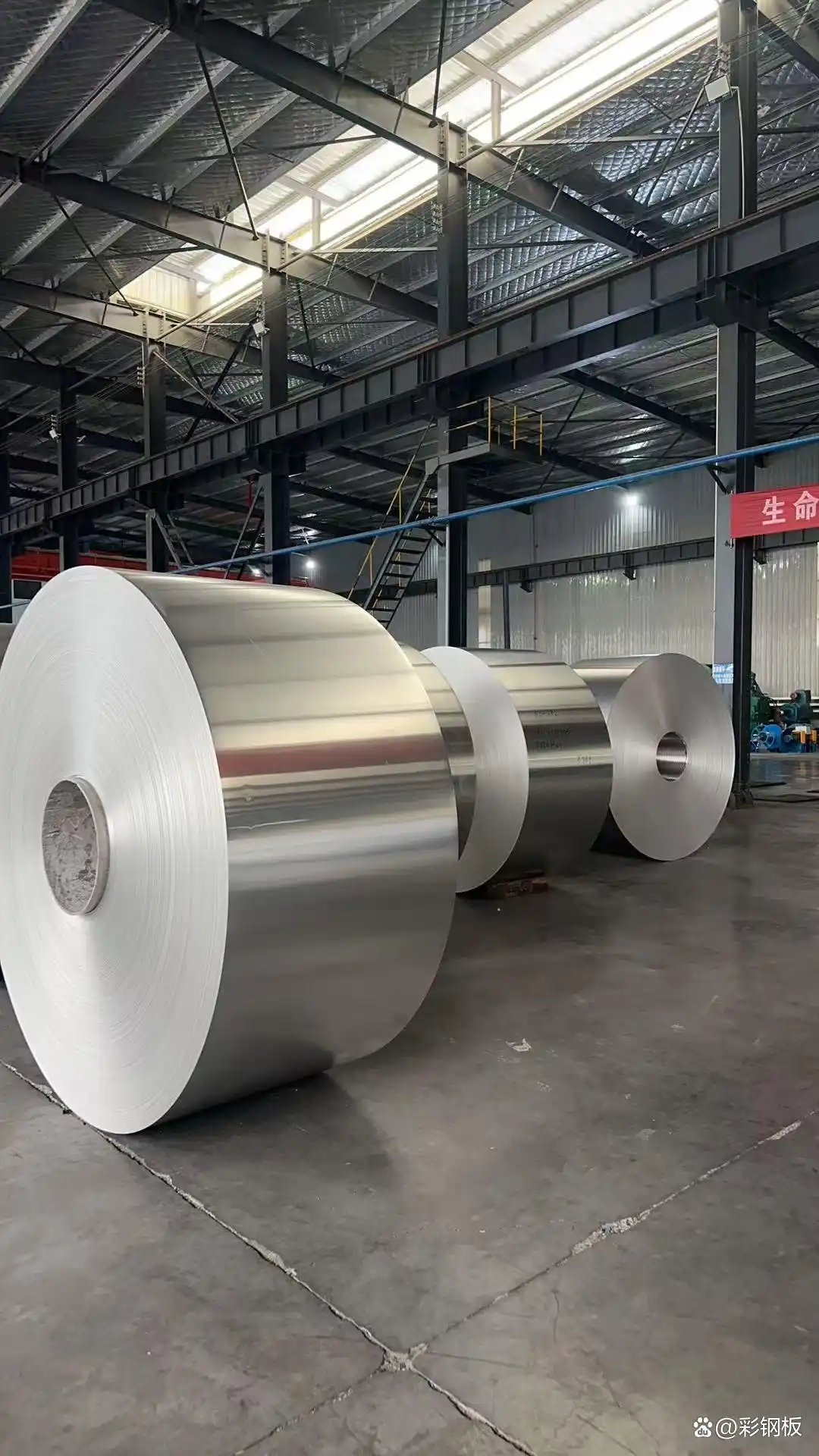
Modern building standards prioritize low-carbon materials. Our manufacturing processes utilize energy-efficient technologies to support sustainable construction projects.
Read Market Insight →Detailed answers to common questions about importing, standards, and material specifications for Sydney buyers.