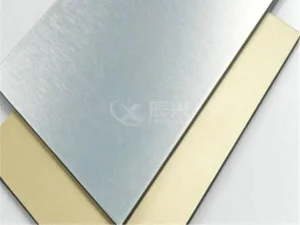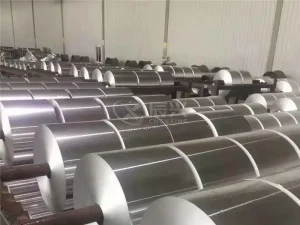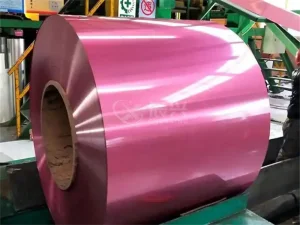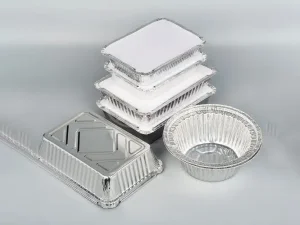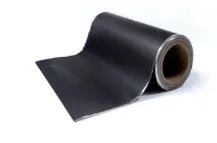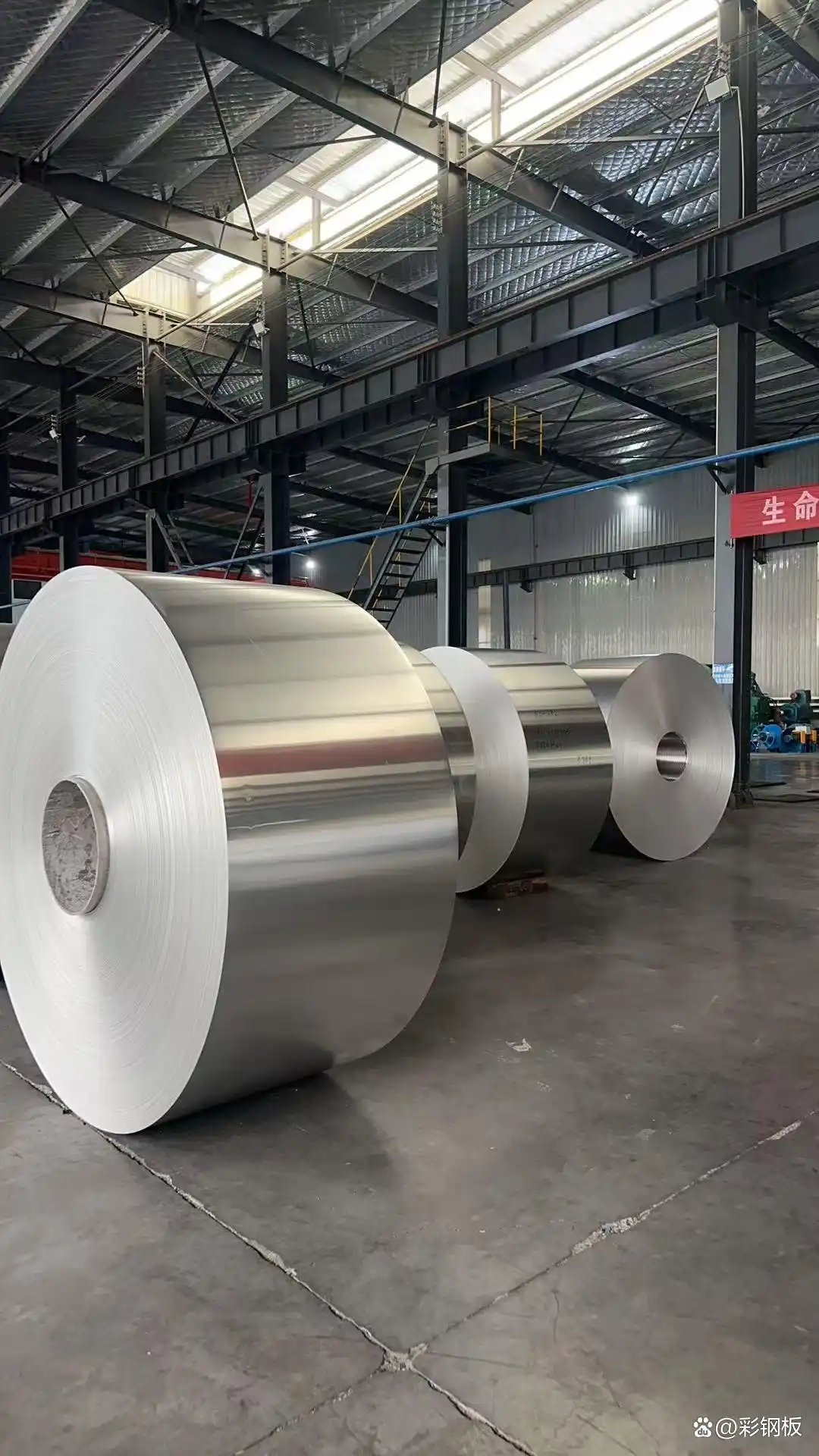
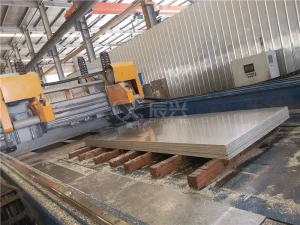
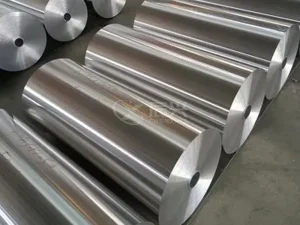
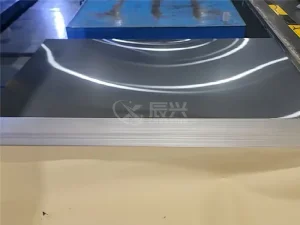
In the global industrial manufacturing landscape, the role of China as a dominant force in aluminum rolling metallurgy is driven by comprehensive industrial ecosystems and deep technological integration. As global demand for lightweight materials, high-density current collectors, and barrier-critical packaging surges, China's aluminum foil factories have evolved from high-volume manufacturers into precision engineering partners. This whitepaper analyzes the metallurgical characteristics, technological roadmaps, and structural supply chain advantages that make Chinese factories the cornerstone of the global aluminum foil value chain.
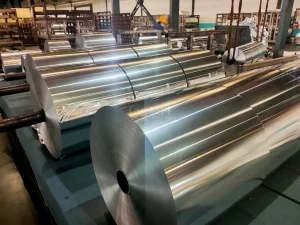
Modern Chinese aluminum manufacturing facilities operate under the "Factory 4.0" framework. By integrating Internet of Things (IoT) sensors across casting, hot-rolling, cold-rolling, and slitting production lines, manufacturers achieve high levels of precision and traceability. Automated thickness control (AGC) and shape control (AFC) systems monitor metallurgical flatness and thickness deviation in real-time, down to sub-micron accuracy.
Supply chain resilience is anchored in close-proximity clusters. From raw liquid alumina processing to deep rolling and finish slitting, the entire logistics loop is consolidated within single industrial zones. This concentration limits raw material shipping delays, maintains consistent thermal processing controls, and ensures uninterrupted scale during global supply chain fluctuations.
Different global market sectors demand specialized mechanical and chemical characteristics. Standard packaging foils cannot meet the electrical requirements of energy storage systems, nor can structural architectural panel foils satisfy the high drawability needed for deep-drawn container processing.
Lithium-ion batteries utilize 1060, 1070, and 1235 high-purity aluminum foils as cathode current collectors. Ensuring tensile strengths exceeding 180-240 MPa and thickness controls within ±0.5 μm, this foil minimizes internal resistance and prevents mechanical degradation during battery cycling.
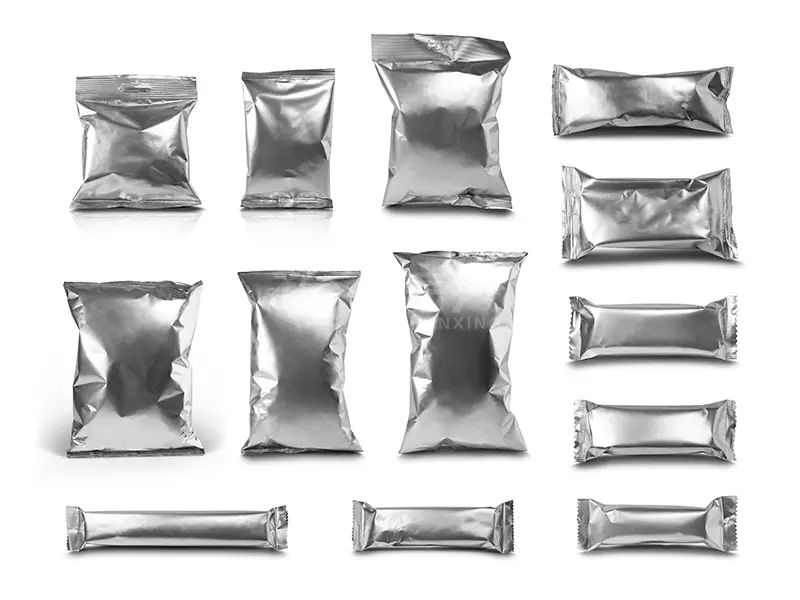
Alloys like 8011 and 8021 are manufactured to achieve a zero-pinhole state. Through targeted rolling patterns and precision annealing, they yield complete barriers against moisture, light, gas, and contaminants, securing stability in medical blister cards and aseptic packaging.
Hydrophilic and corrosion-resistant coated aluminum foils (typically 8011 or 3102) form the heat transfer structures in HVAC systems. Specialized coatings accelerate condensate drainage, prevent oxidation, and enhance system thermal performance.
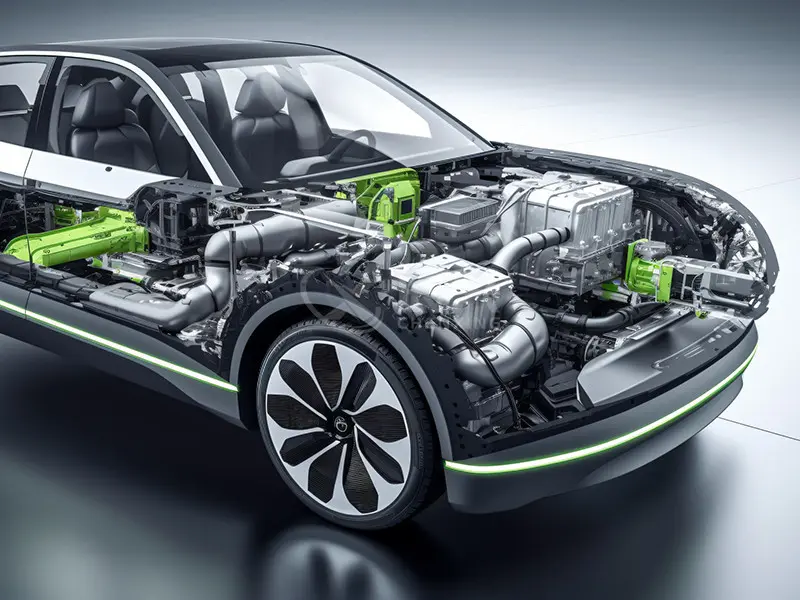
The next generation of aluminum foil production centers on down-gauging and structural functionalization. Development is focused on double-zero foils (foil under 0.009mm) optimized for ultra-high density multi-layer packaging, and 4.5 μm battery current collectors designed to decrease dead weight in electric vehicle power packs.
Furthermore, surface modification technology, including carbon coating and plasma surface cleaning, increases dry adhesion strength (dyne level >72) for advanced electrode slurries. In tandem, processing lines are undergoing electrification transitions to lower scope 1 and scope 2 emissions, ensuring readiness for future carbon taxation policies.
B2B aluminum procurement managers face complex regulatory landscapes. Beyond raw physical properties, global procurement demands compliance with EU CBAM (Carbon Border Adjustment Mechanism) carbon footprint reporting, US ASTM/AA standards, and EN harmonized standards.
Industrial suppliers in China navigate this landscape by offering fully certified materials. Every coil shipment is accompanied by Mill Test Certificates (MTC) outlining accurate chemical compositions, grain structure directions, and tensile elongation properties. To support international supply chains, factories utilize wooden pallet suspension shipping crates, protecting coils against structural indentation and moisture ingress during long sea routes.
We support global distribution operations through regional compliance partnerships. Our teams specialize in mitigating risk by providing detailed customs clearance documentation, HS code classification audits, and handling anti-dumping duty declarations. Working closely with local warehouse networks allows us to offer buffer stock inventory solutions, neutralizing long-distance transit lead times.
For high-purity battery foils (1060/1235), we limit thickness tolerances to within ±0.5 μm. This is achieved by utilizing active automatic gauge control (AGC) systems throughout the rolling processes, which prevents tension fluctuations and ensures uniform current collection in high-capacity lithium cells.
Our 8011 and 8021 pharmaceutical-grade foils undergo deep mechanical homogenization during casting and multi-pass cold rolling. Laser-based pinhole detection units monitor the sheet surface dynamically during rolling. We comply strictly with FDA and ISO cleanroom standards to exclude dust and impurities that cause micro-punctures.
We recommend alloy 3003 or 8011 with an O-temper (fully annealed). These display optimal elongation (up to 20%) and tear resistance, which are crucial for demanding deep drawing and spinning forming processes without cracking.
Connect with metallurgy and logistics specialists. Responses provided within 24 hours.