
Direct from verified China mills and processing centers. Precision structural components engineered to global regulatory specifications.
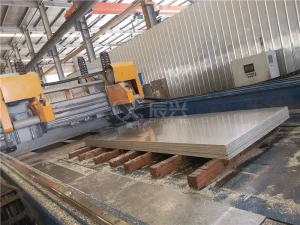
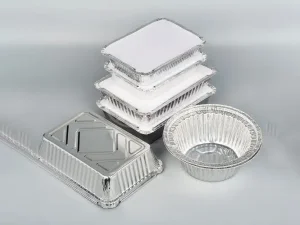
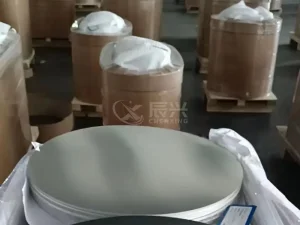
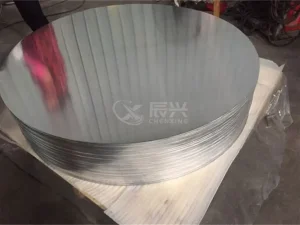
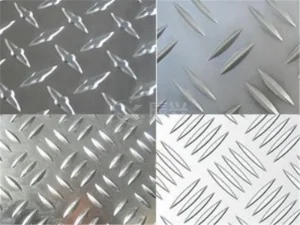
In the contemporary global landscape, steel and aluminum supply chains represent the foundation of modern infrastructure, transport systems, consumer electronics, and heavy production equipment. Over 50% of the world's refined metals originate from integrated Chinese hubs, where state-of-the-art mills operate with dynamic micro-grids, high automation levels, and strict adherence to international quality protocols. For international procurement managers, securing long-term supply agreements requires an intimate understanding of processing capacities, geopolitical logistics, and the material classifications defined by global standardization bodies.
Information Gain Insight: The critical bottleneck in high-purity aluminum and heavy structural steel imports is no longer localized pricing but the Carbon Border Adjustment Mechanism (CBAM) readiness of the supplier mill. Verified producers are actively investing in hydrogen metallurgy and hydro-powered aluminum smelters to systematically lower Scope 1 and Scope 2 emissions.
Different industrial applications require precise chemical compositions and temper profiles to guarantee tensile integrity and anti-corrosive performance under load. Our factories utilize advanced direct-chill (DC) and continuous casting (CC) mills to process alloys across multiple series:
| Alloy Series | Primary Elements | Common Tempers | Key Engineering Properties |
|---|---|---|---|
| 1xxx Series (e.g., 1050) | 99.5%+ Pure Al | O, H14, H18 | Outstanding electrical conductivity, superior ductility, optimal corrosion resistance. |
| 3xxx Series (e.g., 3003) | Manganese (Mn) | H14, H24, O | Excellent deep-drawing capabilities, highly responsive to extrusion, moderate structural strength. |
| 5xxx Series (e.g., 5083) | Magnesium (Mg) | H112, H116, H321 | Premium resistance to saline environment oxidation, extreme weldability, structural marine strength. |
| 7xxx Series (e.g., 7075) | Zinc (Zn) | T6, T651, O | Extreme strength-to-weight ratio, high hardness, aerospace-grade yield performance. |
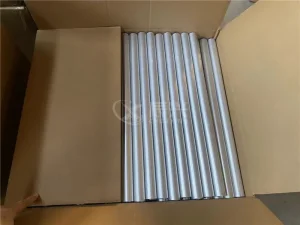
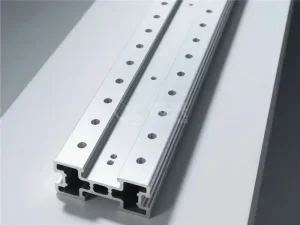
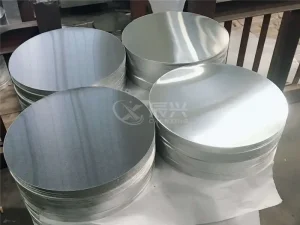
When engineering round tubes, profiles, or embossed sheets, specifying the exact temper designation determines the grain structure orientations. In deep drawing processes—such as container manufacturing or induction cookware disc fabrication—maintaining isotropic mechanical properties prevents earing defects and micro-fractures along structural radii.
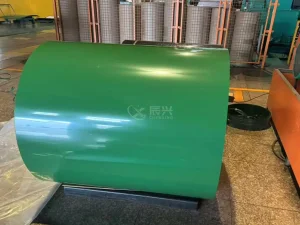
Moving toward a circular economy model, our factories prioritize energy transition pathways. By integrating high-efficiency induction melting furnaces, low-NOx burners, and regenerative thermal oxidizers (RTOs) in PVDF-coating lines, we reduce chemical emissions and waste output. Future projects focus on high-precision electromagnetic casting (EMC) technologies to improve structural surface grain alignment, minimizing the need for extensive post-process surface treatment.


Our products serve key heavy engineering and commercial applications worldwide.
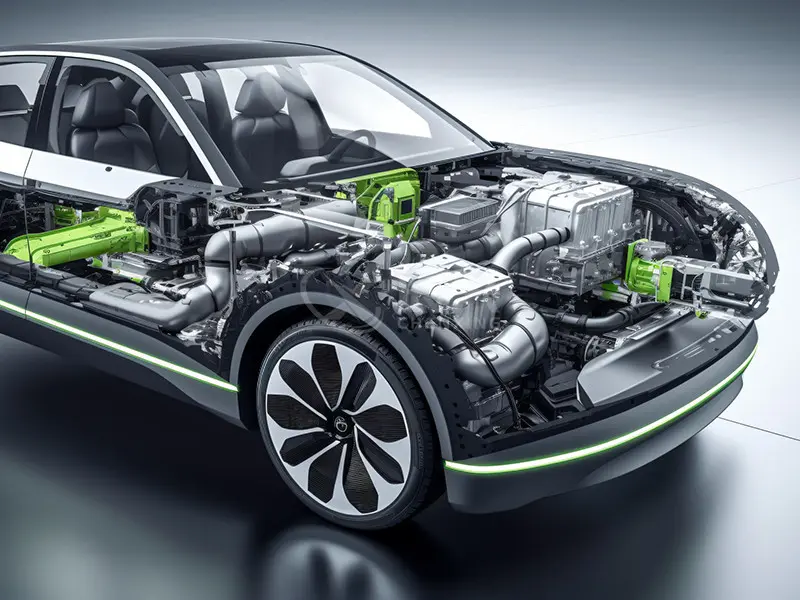
Reducing structural weight for rolling stock, automotive structural frames, marine hulls, and heavy logistics vehicles to optimize fuel efficiency.
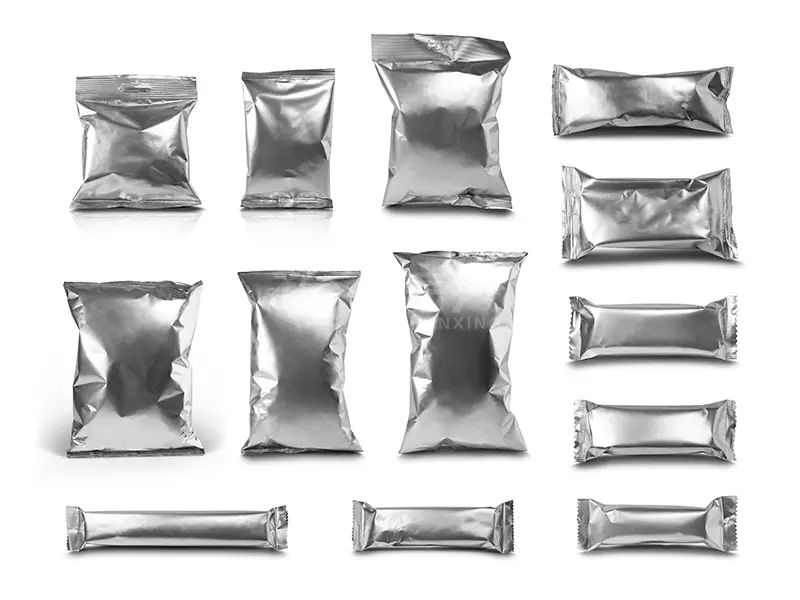
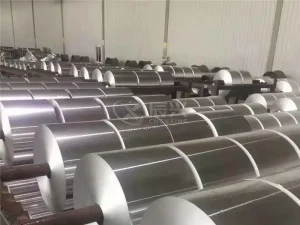
Providing high-barrier foils and container sheets designed for pharmaceutical preservation and food safety standards.

Precision-milled enclosures, thermal heat sinks, and component foils offering optimal electrical grounding and heat dissipation.

Utilizing high-yield 7075 and 2024 series alloys subjected to specialized solution heat treatment for structural durability under stress.
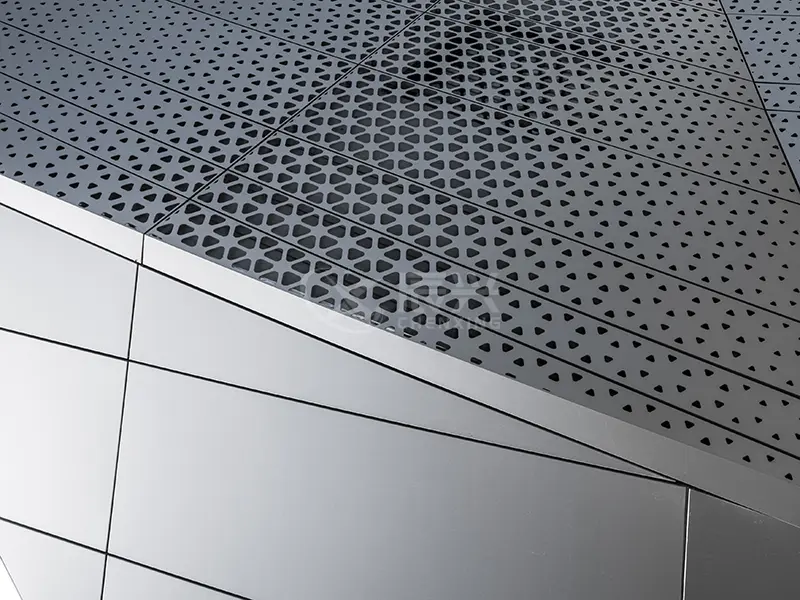
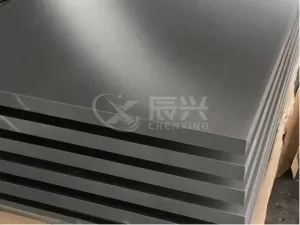
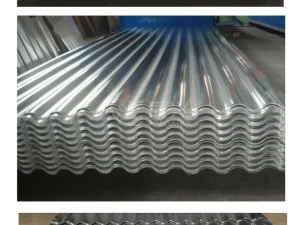
Cladding sheets, curtain wall panels, and PVDF-coated structures designed to withstand wind load requirements and thermal expansion.

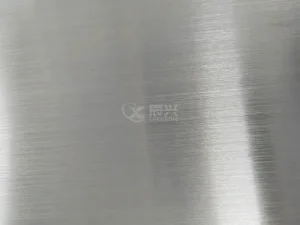
Premium aesthetics and surface finishes, including brushed coils, custom circles for cookware, and condenser foil lines.
Operating a modern metallurgical facility requires strict inspection processes at every stage of production. Standard quality control procedures include the following steps to ensure raw material integrity and dimensional precision:
Alloys like 5083, which are commonly used in boat building, pressure vessels, and logistics terminals, must resist sensitization. Sensitization occurs when magnesium precipitates at the grain boundaries, making the metal susceptible to intergranular corrosion. Our tempering lines apply specialized stabilization heat cycles to prevent this, ensuring high reliability in corrosive maritime environments.
Market updates, export trends, and manufacturing innovations from our engineering divisions.

Analyzing shifting international distribution channels, supply routes, and our facility expansion to meet rising demand.

An in-depth look at carbon-coated foil structures used for lithium-ion battery collectors in electric vehicles.

How global environmental regulations are driving demand for lightweight, recyclable materials in industrial sectors.
Technical guidance and sourcing details for procurement teams, engineers, and supply chain managers.
High-grade aluminum disks, induction circles, pharmaceutical foils, and architectural sheets.
For detailed structural alloy inquiries, pricing, or custom specifications, contact our engineering divisions.
Submit Inquiry Now