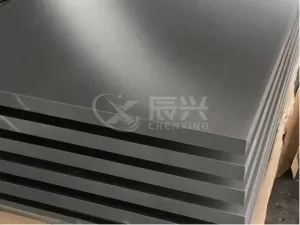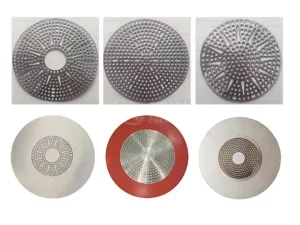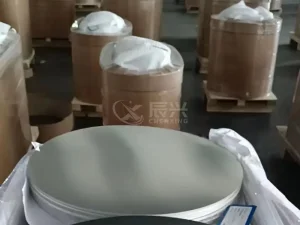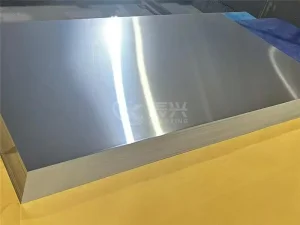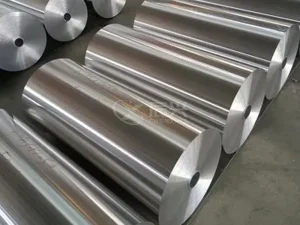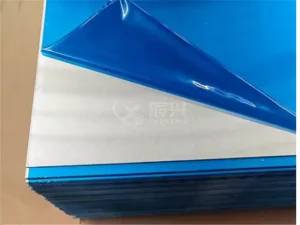
Providing precision engineered architectural, packaging, and industrial aluminum formulations direct from ISO 9001 certified rolling mills.
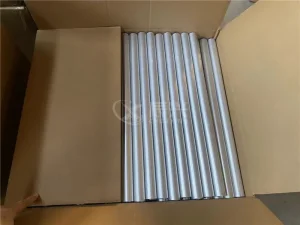
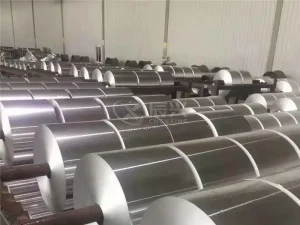
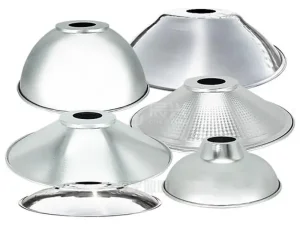
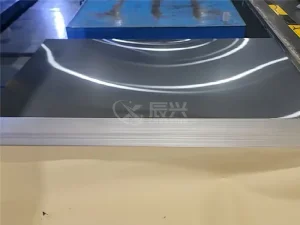
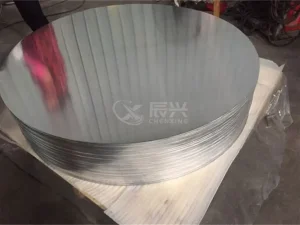
Decades of metallurgical innovation, advanced automated rolling lines, and a robust global logistical infrastructure make us the primary supply chain choice.
Over two decades of precision cold and hot rolling development, shaping the standard of Chinese metallic materials export.
Worldwide supply chain networks delivering structurally sound aluminum alloys across Europe, North America, Southeast Asia, and the MEA.

Implementing spectral chemical analysis, tension tests, ultrasonic fault detectors, and intelligent ERP tracking from slab to delivery.

Robust customer support backed by prompt 8D problem-solving methodologies for absolute risk mitigation in manufacturing operations.
Flat-rolled aluminum products serve as the foundational backbone for modern industry. From structural architectural components to precision electrical vehicle (EV) battery sleeves, the demand for high-integrity rolled aluminum sheets is experiencing unprecedented growth. Modern infrastructure demands structural efficiency, weatherization, and a low carbon footprint, leading global procurement officers to look to Chinese rolling mills for premium materials.
China has established itself as the global epicenter for rolled aluminum production. Leveraging robust mining complexes, efficient refining logistics, and high-capacity direct chill (DC) and continuous casting (CC) mills, Chinese manufacturers satisfy over 50% of worldwide volume requirements. More importantly, domestic developments in cold rolling technology have closed the gap in surface quality and mechanical property tolerances for critical applications like lithographic sheets, aerospace skins, and high-strength automotive structural blanks.
Selecting the correct rolled aluminum sheet requires matching structural requirements with the underlying material chemistry. The following table showcases key parameters for major alloys processed inside our rolling mills:
| Alloy Series | Nominal Chemistry | Tensile Strength (MPa) | Elongation (%) | Primary End-Use Application |
|---|---|---|---|---|
| 1050 / 1100 | 99.5% Al / 99.0% Al | 85 - 145 | 10 - 35 | Lighting reflectors, chemical processing equipment, nameplates |
| 3003 | Al-Mn (1.2% Mn) | 110 - 200 | 8 - 30 | Cookware deep drawing, HVAC cooling plates, architectural trim |
| 5052 | Al-Mg (2.5% Mg) | 190 - 290 | 7 - 25 | Marine components, pressure vessels, transport enclosures |
| 7075 | Al-Zn-Mg-Cu | 520 - 600 | 5 - 11 | Aerospace structural bulkheads, high-stress mold manufacturing |
*Data represents typified range from annealed (O) through hardened (H18/H19/T6) temper states. Custom mechanical properties are tailored upon order receipt.
Our engineering vision focuses on sustainable practices and high-accuracy processing. Global directives toward decarbonization require manufacturers to reduce carbon intensity throughout the refining and processing phases.
By investing heavily in regenerative burner technology, dry hearth furnaces, and closed-loop scrap reclamation programs, we are actively reducing the lifecycle emissions of our finished flat-rolled sheets. Furthermore, our development roadmap implements artificial intelligence to control roll gaps dynamically, preventing thickness deviations across wide coils.
The intersection of environment and performance dictates our materials design. Low-carbon rolled aluminum sheets behave identical to primary metal, but carry a dramatically reduced carbon footprint (target of < 4kg CO2 per kg Al compared to global averages exceeding 16kg CO2 per kg Al).
We work in unison with automotive OEMs to engineer alloys that speed up structural stamping cycles. High-formability 5xxx series alloys display minimal spring-back and high drawability, lowering tooling costs and speeding up assembly line production. For structural cladding in marine environments, customized stabilization treatments block intergranular corrosion, ensuring durability in salt spray exposures.
Delivering specific material properties tailored for the most demanding operating conditions across global sectors.

Reducing weight in rail cars, commercial trailers, and electric vehicle chassis to maximize range and minimize fuel consumption. Excellent yield strength under high stress loads.
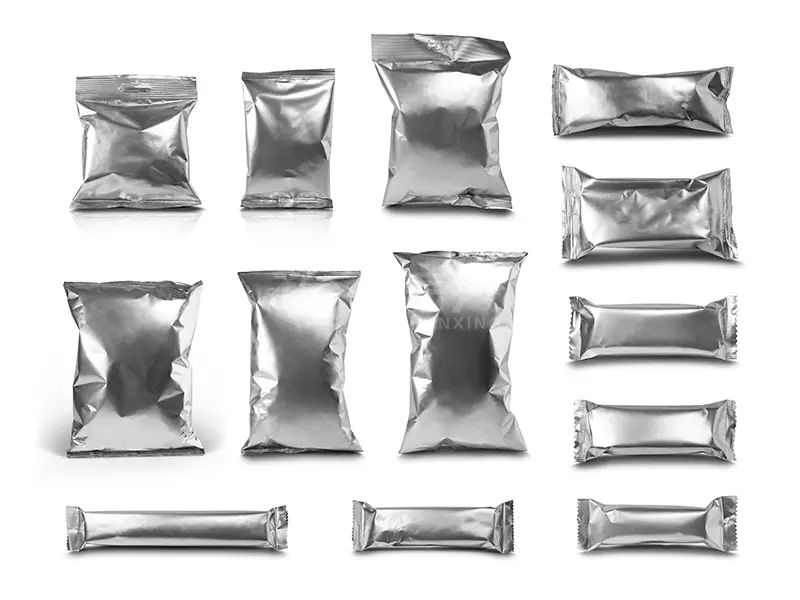
Ultra-thin foils and sheets designed for barrier isolation in medical blister packs, household applications, and food service wraps. Complete oxygen and light barrier performance.

High thermal conductivity sheets designed for precision stamping into heat sinks, phone frameworks, and circuit board backings. Strict cosmetic anodizing controls.

Military and commercial aerospace grade plate utilizing high-strength 7xxx series alloys. Processed through age hardening and controlled stretching to avoid internal stress distortion.
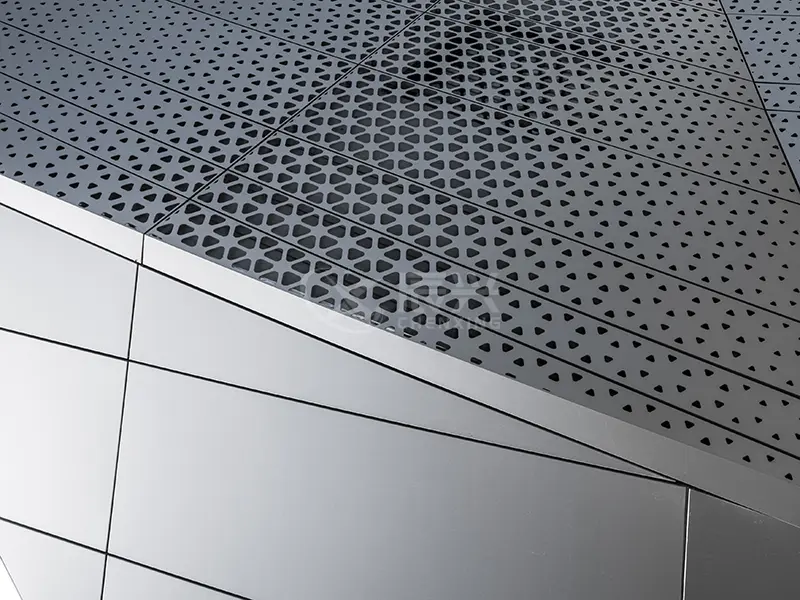
Weather resistant alloys for facades, roofing systems, and window frame extrusions. Treated with premium coatings (PVDF/PE) to protect from extreme weather conditions.

Excellent aesthetics combined with fingerprint-resistant surface treatments. Ideal for refrigerator doors, microwave panels, oven linings, and highly reflective lighting trim.
Keep informed of global market movements, technical developments, and production capacity expansion updates.
Analyzing the macro trends forcing high demands on flat-rolled aluminum exports, and our mill’s strategic response through advanced cold rolling lines.
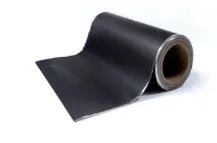
An in-depth look at lithium-ion battery material requirements. How ultra-thin high-purity aluminum foil serves as the optimal cathode collector.
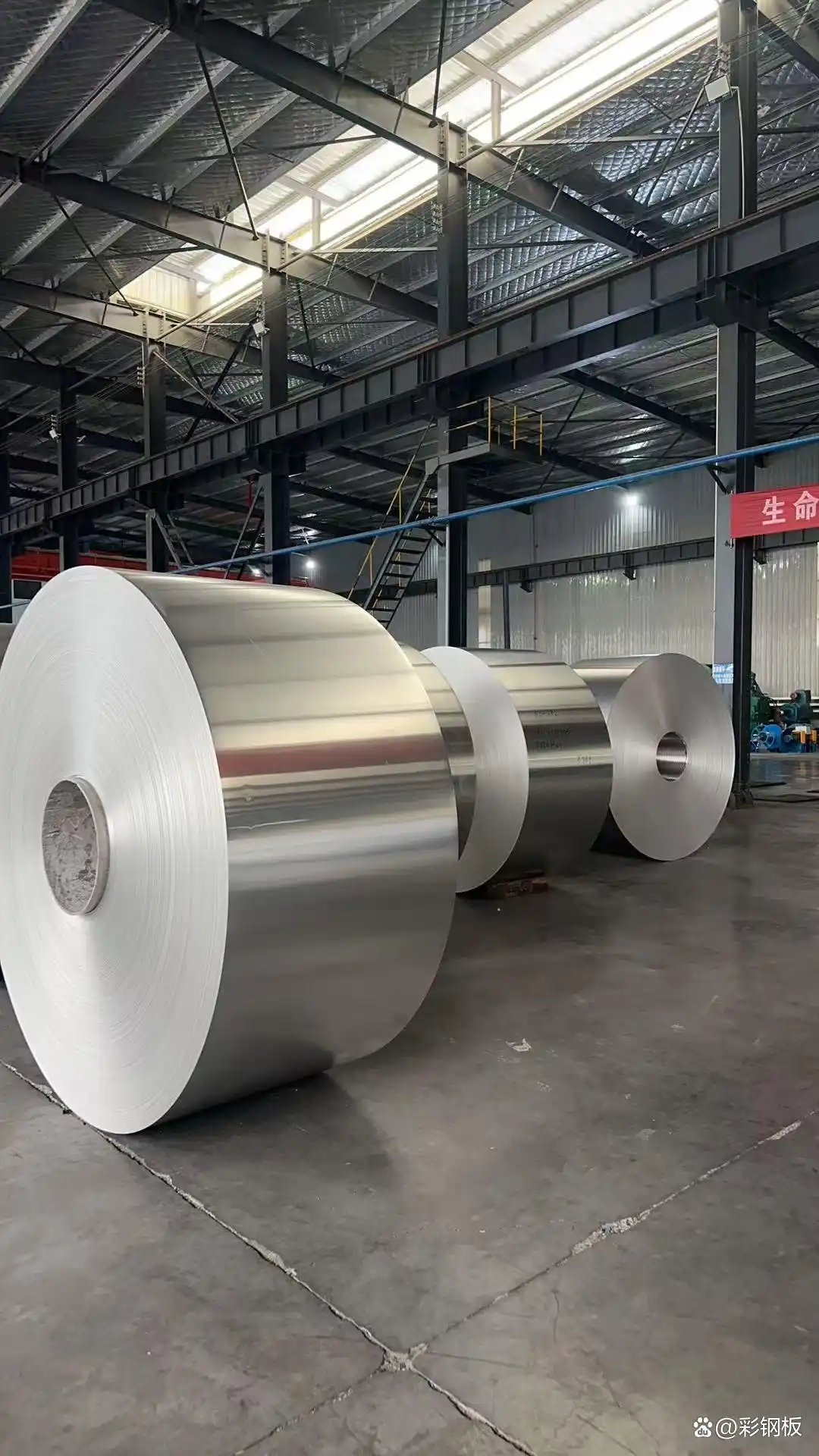
Detailed breakdown of PVDF-coated aluminum coil integration in commercial architecture to achieve LEED credits and cut installation times.
Clear, direct metallurgical and logistical advice to streamline your sourcing processes.
Direct Chill (DC) casting starts with cooling molten aluminum into thick rectangular slabs, which are subsequently hot rolled and cold rolled. This method ensures fine grain structures, low internal impurities, and optimal mechanical properties, making it essential for complex forming, deep drawing, and anodizing. Continuous Casting (CC) runs molten aluminum directly into thinner strips for rapid cold rolling. It is highly cost-effective and perfectly suited for commercial industrial siding, roof flashing, and basic utility applications.
We deploy modern shape-correction levelers alongside automated thickness gauges. Surface inspection is performed with high-speed automated camera arrays that detect and catalog microscopic defects like roll marks, slivers, or pinholes, ensuring each batch meets rigorous international standards (ASTM B209, EN 485).
For deep drawing, such as cookware circles or structural battery canisters, the annealed (O) temper or low strain-hardened (H12 / H22) tempers are highly recommended. These conditions provide maximum ductility and elongation (typically exceeding 25-30% depending on alloy), which prevents material tearing or orange-peel surface issues during tool stamping.
Our materials conform to standard international codes, including ASTM B209 (US), EN 485 / EN 573 (European Union), and JIS H4000 (Japan). We issue Mill Test Certificates (MTC) detailing precise chemical compositions (optical emission spectroscopy) and tensile test data with every shipment.
Connect with our expert metallurgical team. We offer tailored quotes, customized alloy formulations, and logistics planning within 24 hours.
Request Technical PricingComplete alloy inventory range spanning structural building plates, deep drawing cookware materials, and specialty foils.