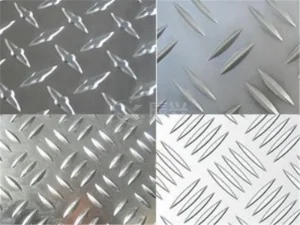
Engineered to meet stringent international standards for mechanical strength, ductility, and structural integrity.
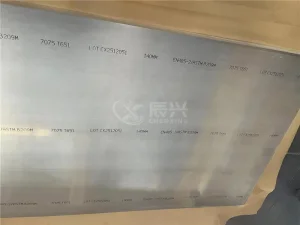
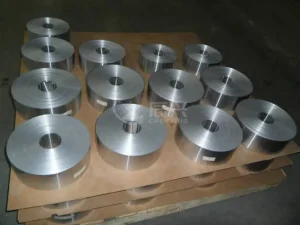
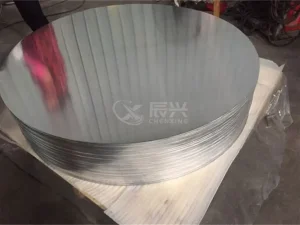
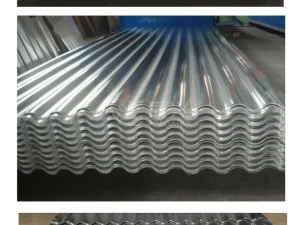
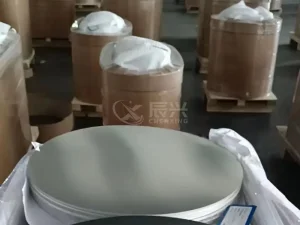
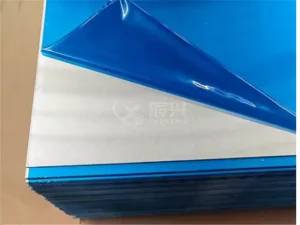
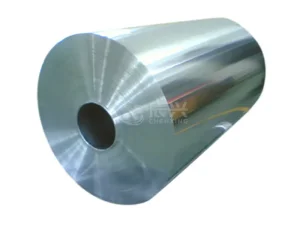
Flat aluminum bars stand as a foundational cornerstone of modern structural engineering, high-efficiency electrical power systems, dynamic automotive frame designs, and precision industrial automation. As structural demands shift toward lightweight, high-performance alloys with excellent corrosion resistance and electrical conductivity, manufacturers globally require high-grade aluminum flats. China's flat aluminum bar factories play a central role, driving industrial scale, metallurgical precision, and cost-efficiency to meet this growing global demand.
To achieve reliable mechanical performance, flat aluminum bars must undergo controlled extrusion, heat treatment, and surface preparation. China’s advanced aluminum factories operate at the intersection of metallurgy and production scale. From initial billet selection (using high-purity ingot feeds) to the application of controlled heat treatment tempers (such as T5, T6, and T6511), these factories implement rigorous processing pathways. In doing so, they ensure that key parameters—such as yield strength, tensile limits, and grain orientation—are fully optimized for demanding real-world applications.
In the modern industrial supply chain, the security and reliability of raw material sourcing are critical factors. Industry leaders do not simply look for suppliers; they search for strategic partners capable of providing consistent alloy performance, high-speed logistical routing, and deep regulatory compliance. High-quality flat aluminum bars function as structural backbones and electrical conductors, solving issues related to heavy assembly weights, galvanic corrosion, and electrical transmission losses.
Decades of engineering capability, structural testing, and international logistics experience combined to ensure project success.


Selecting the correct aluminum alloy and temper is vital to structural performance and product lifespan. Flat aluminum bars are manufactured across various alloy families, each tailored with specific mechanical characteristics. Below is an engineering overview of the primary alloys processed within China's modern extrusion facilities:
| Alloy & Temper | Tensile Strength (MPa) | Yield Strength (MPa) | Elongation (%) | Primary Applications |
|---|---|---|---|---|
| 6061-T6 | ≥ 290 | ≥ 240 | ≥ 8 | Heavy-duty structures, aerospace parts, marine components. |
| 6063-T6 | ≥ 205 | ≥ 170 | ≥ 8 | Architectural frames, decorative trims, cooling heat sinks. |
| 6082-T6 | ≥ 310 | ≥ 260 | ≥ 10 | High-stress structural frames, offshore structures, cranes. |
| 5083-H111 | ≥ 275 | ≥ 125 | ≥ 12 | Marine shipbuilding, pressure vessels, low-temp equipment. |
| 1050-O | 65 - 95 | ≥ 20 | ≥ 35 | Electrical connectors, chemical instruments, reflective sheet. |
Maintaining dimensional tolerances is a key differentiator of our manufacturing facility. By using high-precision extrusion presses equipped with automated cooling zones, our plant guarantees flat bars with minimal twist, straightness deviations, and thickness variations—strictly conforming to ASTM B221 and EN 755-5 standards.
Increases oxide layer depth to 15-25 microns, providing high scratch protection and resistance to saltwater corrosion.
Delivers flat aluminum bars with surface roughness (Ra) down to 0.8 microns, suitable for direct semiconductor assembly components.
Optimizes mechanical strength through automated solution heat treatment and artificial aging ovens, reducing internal stresses.
From high-altitude structural components to micro-electronic assemblies, our flat bars perform in diverse sectors.




Operating globally requires compliance with regional environmental directives and raw material certifications. Our production facility operates in compliance with REACH, RoHS, and California Proposition 65 directives, ensuring that all alloys are free from hazardous heavy metal trace elements. We cooperate with third-party testing organizations, including SGS and TÜV Rheinland, to provide formal mill test certificates (MTC) detailing chemical composition and mechanical stress test values for every batch.
Additionally, localized warehouses and distribution partners in North America, Western Europe, and Southeast Asia support dynamic supply programs. By establishing safety stock reserves and supporting just-in-time (JIT) deliveries, we protect our clients against fluctuations in raw material pricing and global supply chain disruptions.
In step with global sustainability goals, our production facility is transitioning to a green energy framework. By increasing the use of secondary (recycled) aluminum alloys and utilizing solar-powered extrusion equipment, we have reduced the carbon footprint of our aluminum flat bars by approximately 35% compared to the industry average. Our research division continues to develop next-generation high-strength aluminum alloys, aiming to match the tensile capabilities of high-tensile steel while maintaining excellent extrusion characteristics.
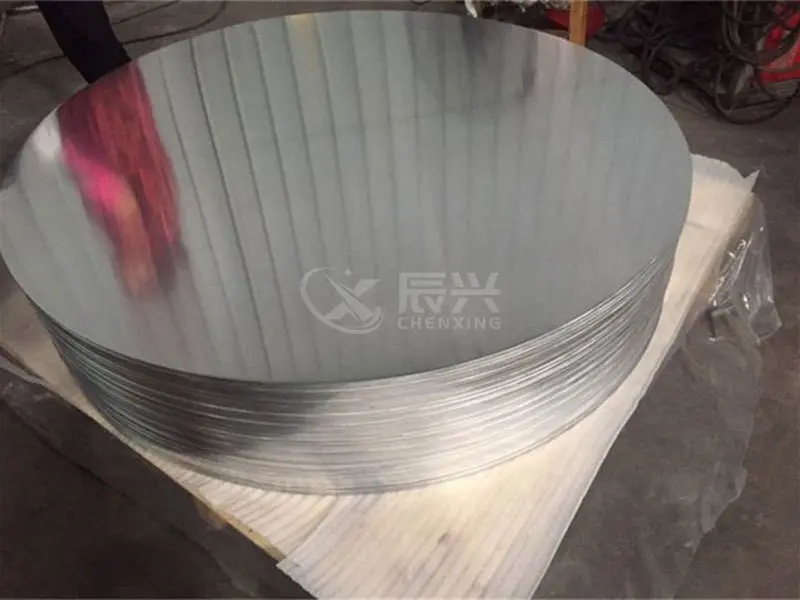
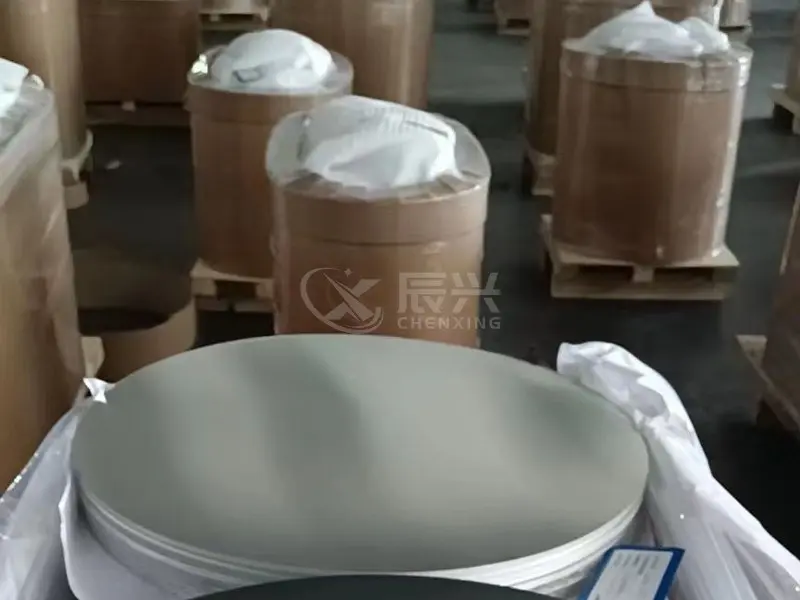
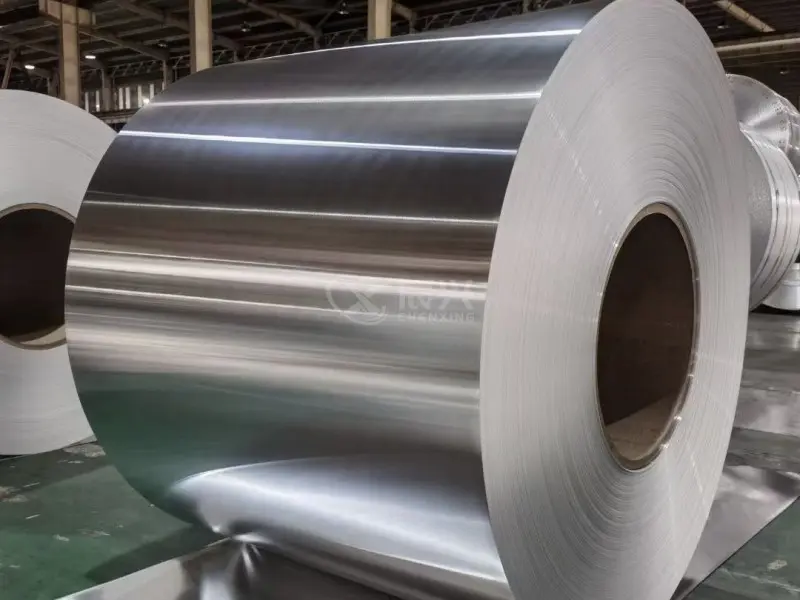
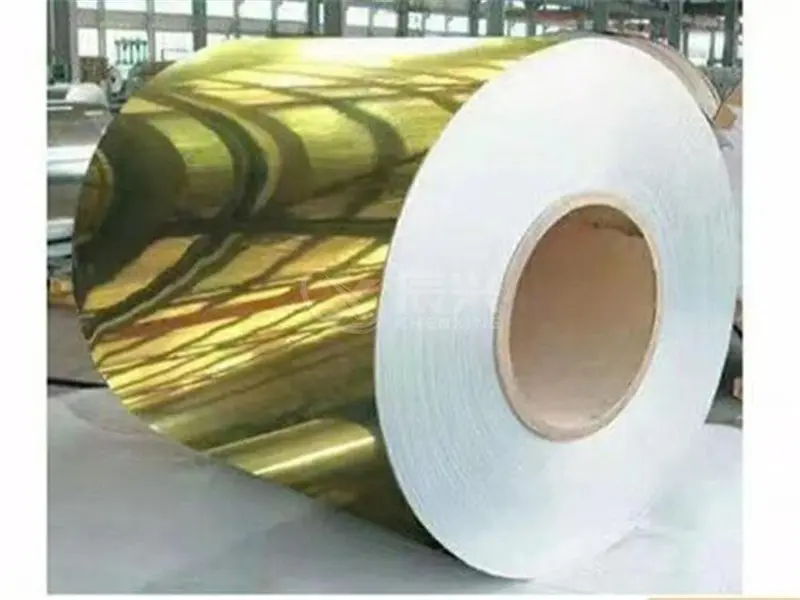
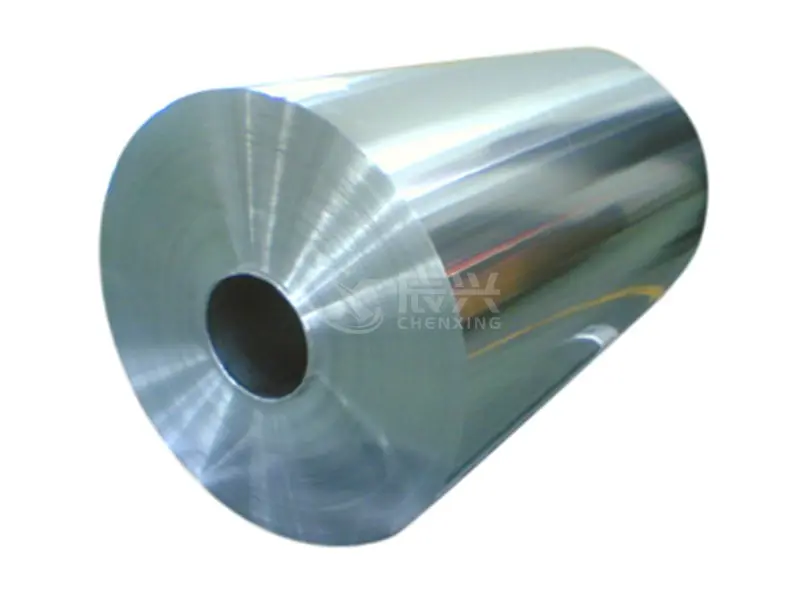
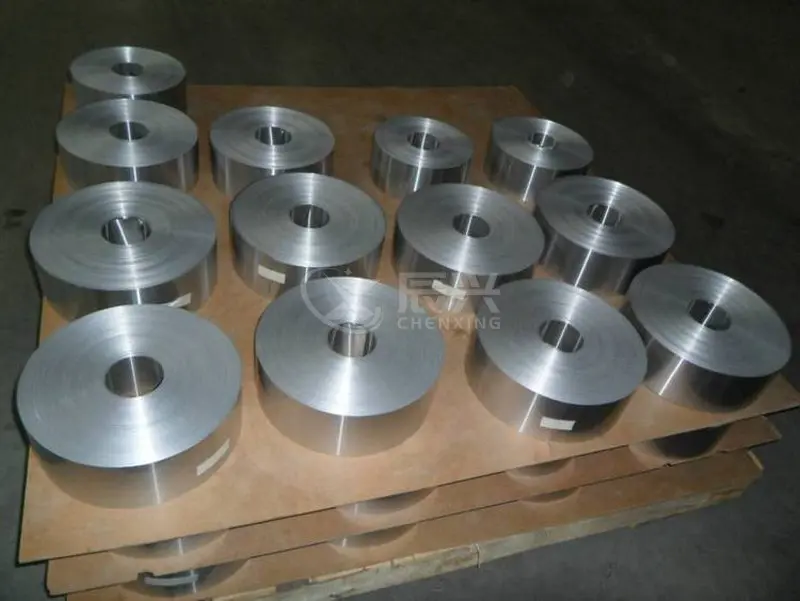
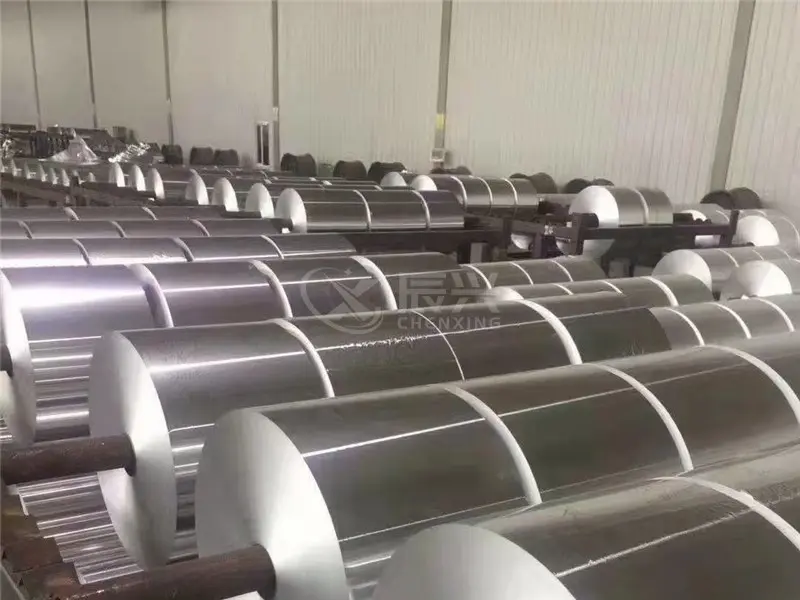
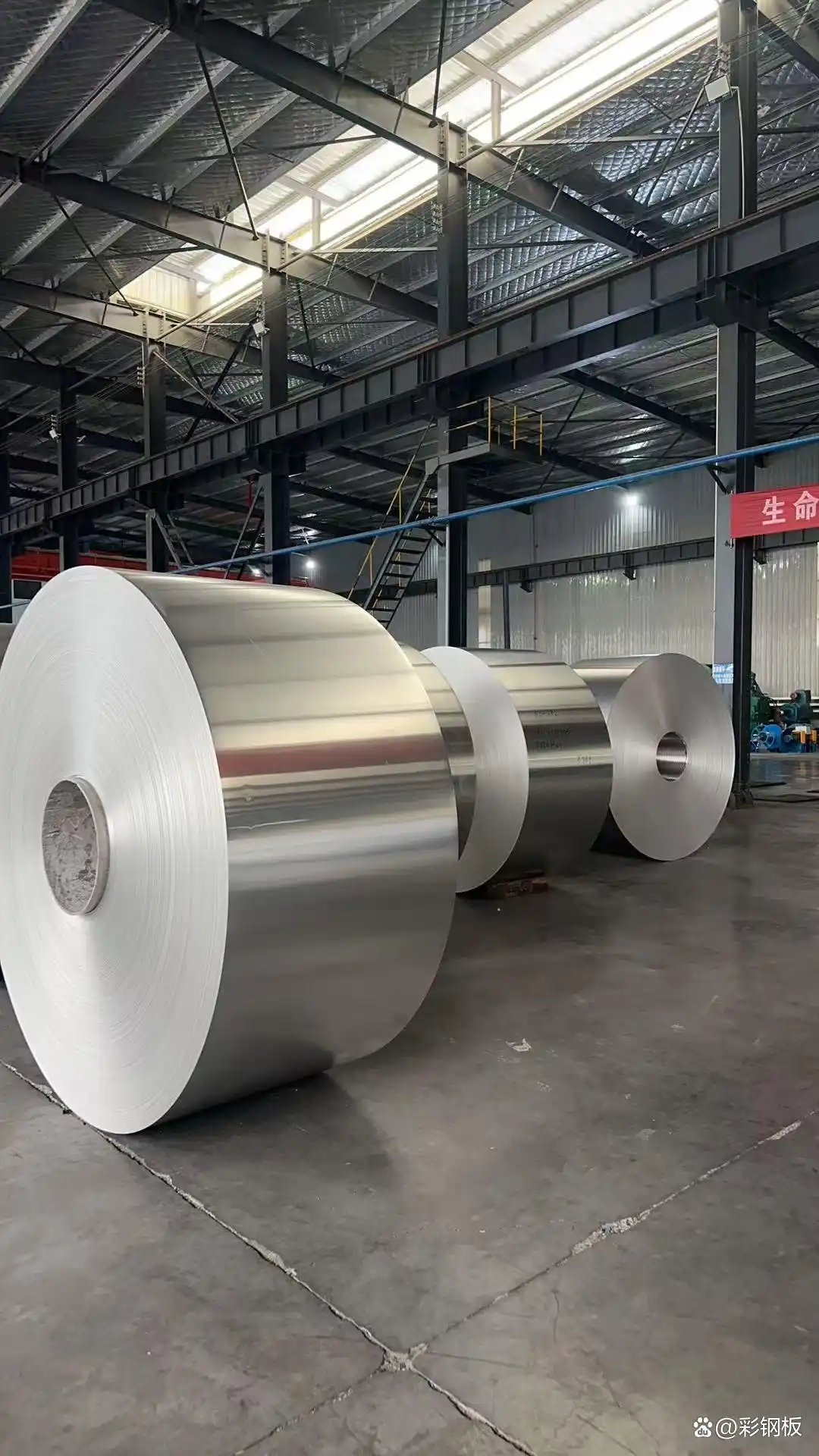
Explore our targeted aluminum shapes, circles, and specialty foils manufactured on our automated production lines.
Direct metallurgical answers from our production engineering staff.
Updates on technology investments, export trends, and market insights.
For inquiries about our products or pricelist, please leave your contact details with us and our sales team will respond within 24 hours.
Submit Inquiry NowComplete industrial inventory available for global delivery with full mechanical testing reports.