Direct sourcing from China's leading mills, engineered for global industrial and B2B specifications.
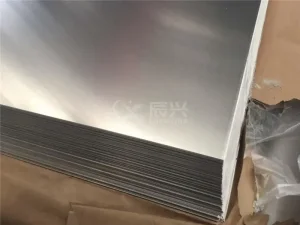
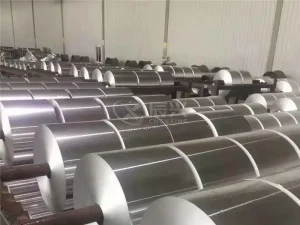
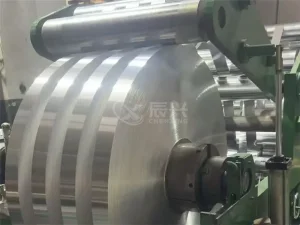
Analyzing key structural trends, surface treatment technologies, and the rise of high-performance lacquers.
Coated aluminium foil has evolved from a basic food packaging barrier into a highly critical engineered material for multiple sectors, including thermal management (HVAC), renewable energy (EV battery packs), pharmaceutical packaging, and architectural design. The application of functional organic coatings—such as hydrophilic polymers, polyurethane resins, high-durability epoxy-phenolic, and PVDF lacquers—conveys unique properties to the substrate. These include chemical resistance, corrosion protection in salt-laden coastal regions, and anti-microbial capabilities.
As international supply chains tighten energy and carbon footprints, B2B procurement professionals look for specialized coating properties. Advanced hydrophilic coatings, for example, facilitate efficient heat transfer by ensuring condensed water spreads thinly on heat exchanger fins rather than forming bridging droplets. This decreases airflow resistance and optimizes HVAC power consumption, directly contributing to energy efficiency goals.
Understanding how Chinese manufacturers achieve scale and precision through vertical integration.
China is a primary hub for global coated aluminum foil manufacturing, hosting a robust supply chain from raw bauxite extraction to precision casting, cold rolling, and high-speed coating lines. This integration enables factories to optimize production cycles and maintain precise control over alloy chemistry. Advanced cold-rolling processes produce foils down to 0.006mm (6 microns) with tight gauge tolerances, while high-efficiency curing ovens ensure consistent polymer cross-linking without compromising core mechanical properties.
Equally critical is the scale of domestic industrial supply lines. Access to major seaports, domestic chemical polymer complexes, and specialized slitting facilities allows Chinese manufacturers to offer customized widths, coil diameters, and inner cores. B2B buyers benefit from streamlined logistics and reduced lead times, backed by rigorous quality control protocols like 8D reporting, automated optical surface defect detection, and online pinhole monitoring systems.
Below is a typical parameter overview representing standard production capabilities for premium Chinese manufacturers of coated aluminum foil:
| Alloy Designation | Standard Temper | Thickness Range (mm) | Coating Type | Adhesion Performance | Primary Application |
|---|---|---|---|---|---|
| Alloy 8011 / 8021 | H18 / H22 / O | 0.015 – 0.080 | Epoxy / Food-grade Lacquer | Cross-hatch test (GT0 / 5B) | Blister packs, retort containers, lids |
| Alloy 1100 / 1030B | H18 / H24 | 0.080 – 0.200 | Hydrophilic / Epoxy-phenolic | Zero peeling under pressure cook test | HVAC fins, heat exchangers |
| Alloy 1235 / 1060 | H18 / O | 0.009 – 0.025 | Carbon-coat / Conductive resin | Excellent scotch tape test result | EV Lithium-ion current collectors |
| Alloy 3003 / 3105 | H14 / H24 | 0.050 – 0.150 | Polyester (PE) / PVDF | T-bend: ≤ 2T; Impact resistance | Honeycomb panels, roofing, insulation |
Decades of metallurgy development, rolling refinement, and continuous coating innovations.
Proven delivery routes, customs clearance experience, and international standard compliance.
Comprehensive online defect scanning, thickness gauge controls, and laboratory testing.
Engineering-led technical support within 24 hours to address application challenges.
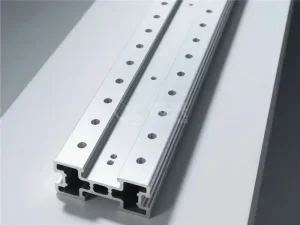
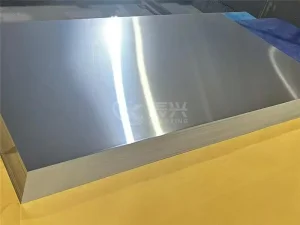
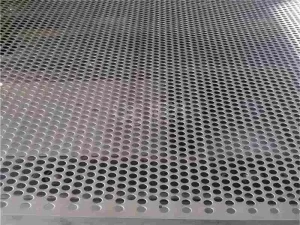
How specific industries utilize coated and uncoated aluminum components to optimize performance.

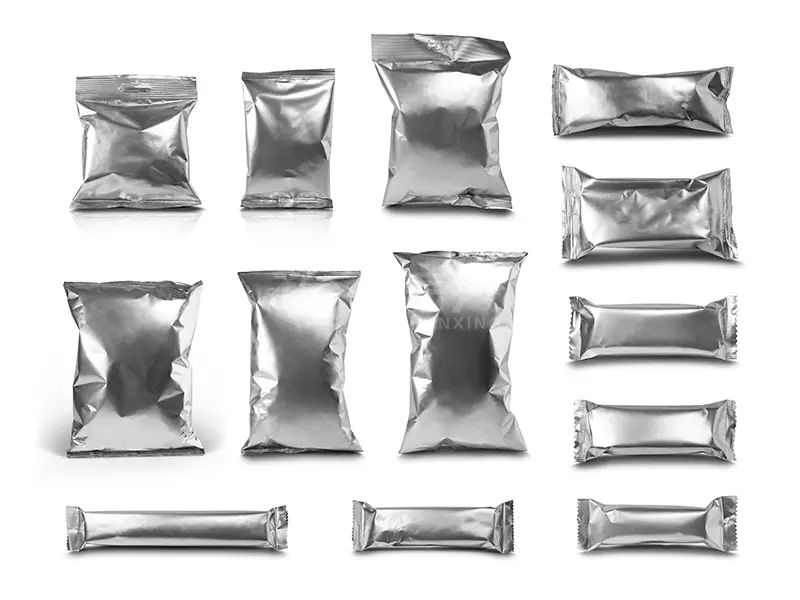


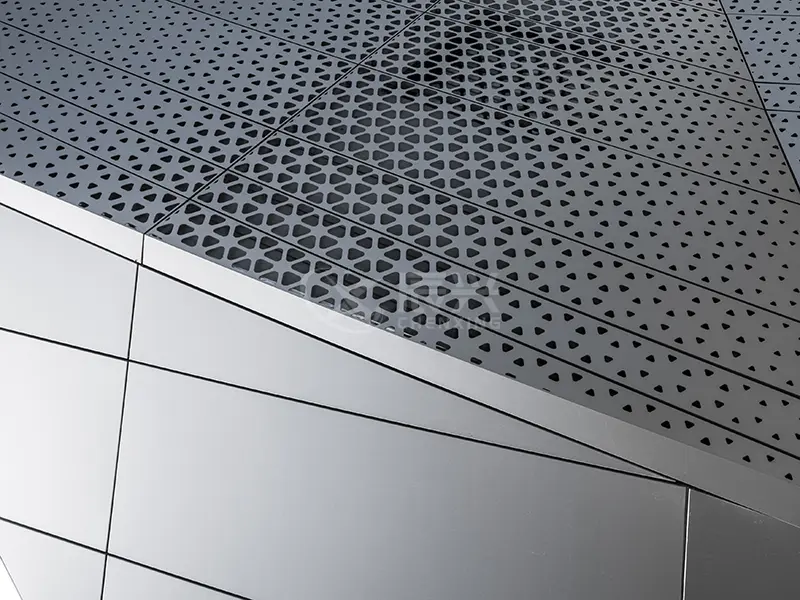

Navigating environmental regulations, performance standards, and material specifications.
The global coated aluminum foil market is increasingly shaped by regulatory compliance and sustainability initiatives. In Europe and North America, B2B procurement teams must verify that all raw materials align with safety standards like FDA, BfR, and REACH for direct food contact. Additionally, environmental criteria such as RoHS govern HVAC components to limit restricted hazardous substances.
For industrial applications, structural integrity is paramount. Coated foils used in building facades or insulation panels must offer fire-retardant properties and resistance to environmental stress cracking. B2B buyers should request documented performance metrics—including salt spray resistance (ASTM B117), solvent resistance (MEK double rub test), and coating thickness consistency (measured in g/m² or microns)—to ensure reliability in demanding service environments.
Connect with our technical engineers for customized coil dimensions, custom colors, specialized polymer formulations, and detailed volume pricing tables. We will respond within 24 hours.
Addressing key technical, logistical, and commercial inquiries for coated aluminum foil procurement.
Stay updated with global trends, battery foil advancements, and mill exports.
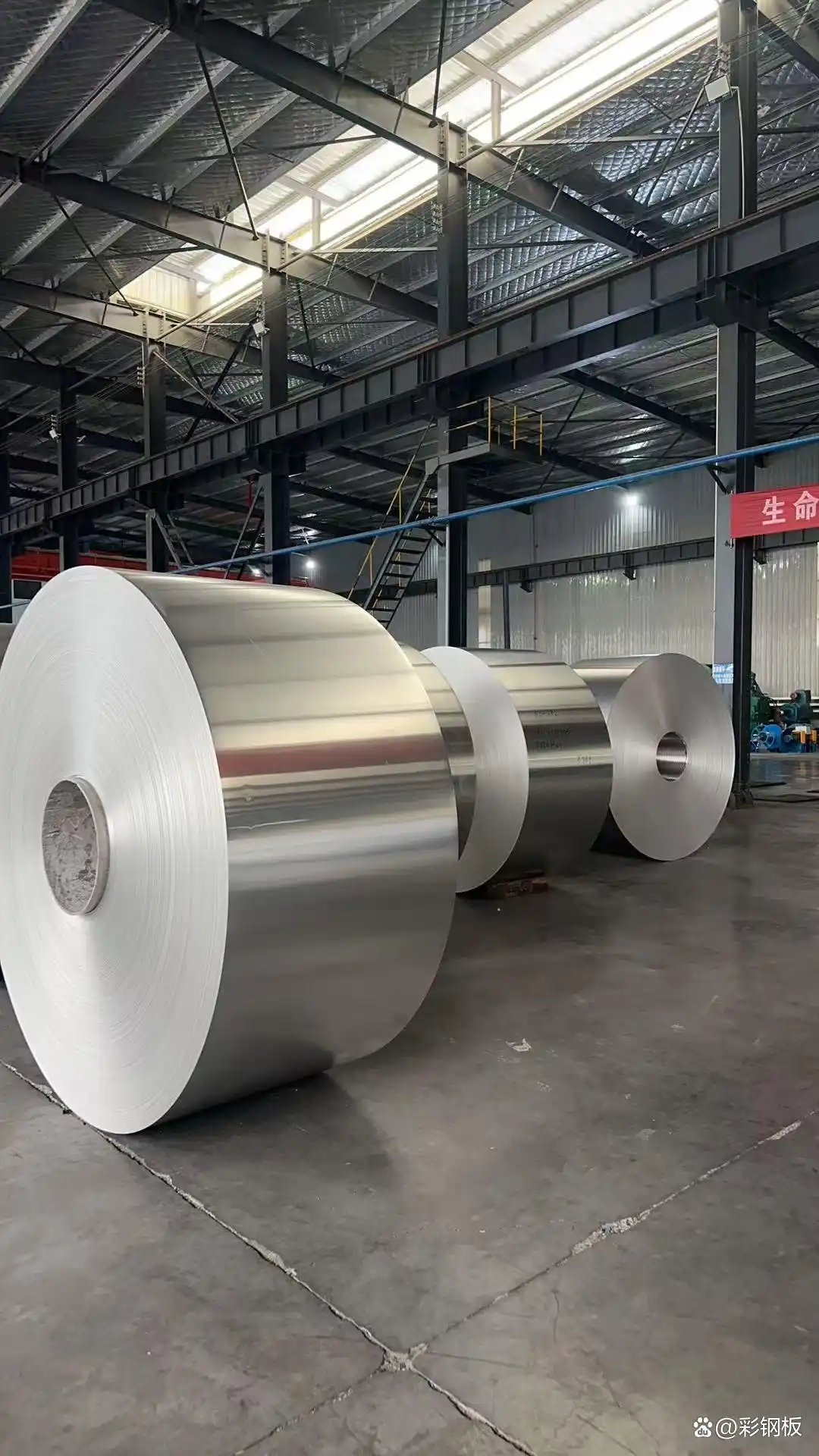
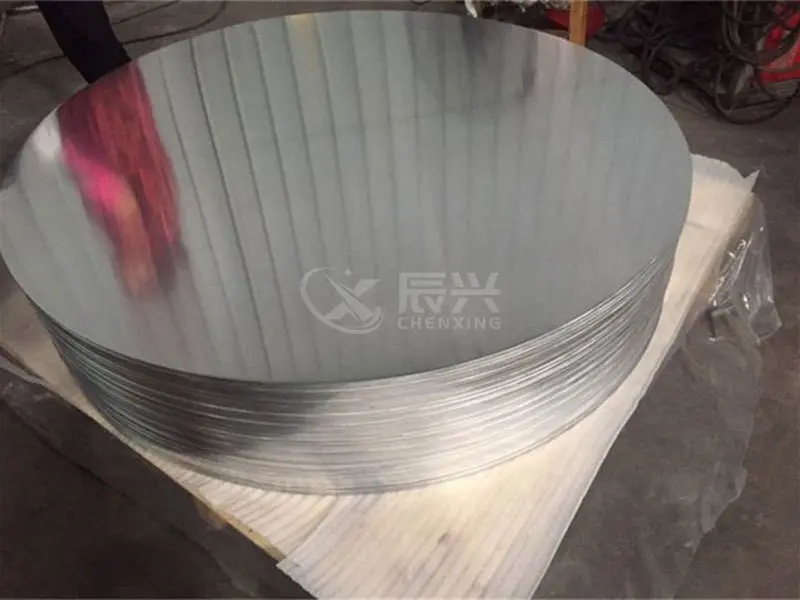
Explore our core product forms, including precision circles, foils, and specialized surface-finished coils.
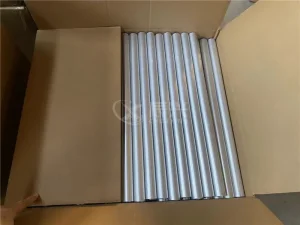
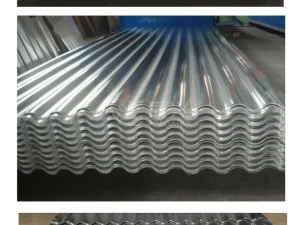
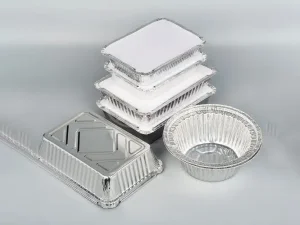
Explore precision tubes, heavy-duty sheets, and custom-designed container foils.