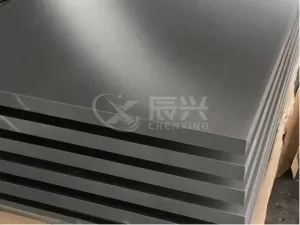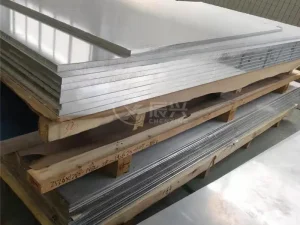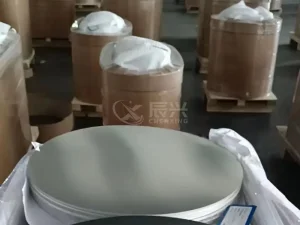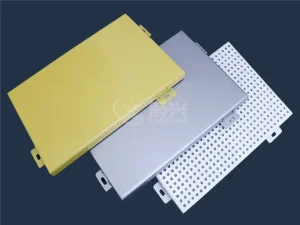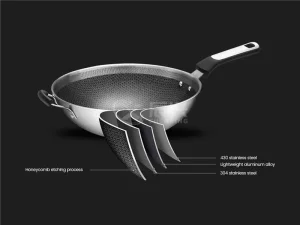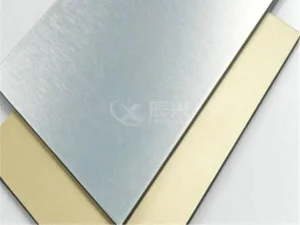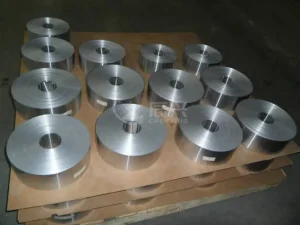
Direct access to our engineered aluminum profiles, sheets, coils, and foils for diverse manufacturing specifications.
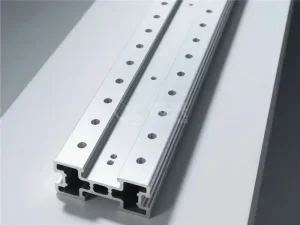
In modern industrial manufacturing, the structural Aluminum Bar serves as a critical structural component across critical industries including aerospace engineering, rolling stock production, high-voltage substations, and electric vehicle (EV) chassis architectures. As procurement divisions globally balance the dual constraints of strict physical tolerances and aggressive cost optimization, China’s industrial aluminum hubs have graduated from high-volume suppliers to deep engineering partners.
Industrial sourcing requires an intimate understanding of international chemical composition parameters and mechanical performance metrics. Companies sourcing globally must navigate diverse cross-border certification schemes (such as ASTM B221, EN 755, and JIS H4100). The current macroeconomic climate has highlighted the necessity of partnering with manufacturers that run integrated billet-casting, extrusion, and precision heat-treatment operations. This vertical integration mitigates the structural defects—such as grain boundaries and mechanical anisotropy—that often arise from fractured supply chains. By utilizing state-of-the-art multi-billet heating furnaces and automated twin-plunger extrusion presses, top-tier Chinese manufacturers assure consistent grain structure and zero internal porosity across long production runs.
Sourcing engineering components requires a systematic understanding of material physics. Aluminum bars are not generic commodities; their mechanical traits are strictly bound to their alloying agents and specific heat treatments (Tempers). Below is an engineering overview of the primary alloys utilized in modern machinery manufacturing:
| Alloy Series | Primary Alloying Elements | Common Tempers | Mechanical Yield Strength (MPa) | Primary Sourcing Application |
|---|---|---|---|---|
| 2xxx Series (e.g., 2024) | Copper (Cu) | T3, T4, T351 | 280 - 320 | Aerospace skin components, high-stress military brackets |
| 5xxx Series (e.g., 5083) | Magnesium (Mg) | O, H111, H112 | 125 - 200 | Marine vessel hulls, cryogenics, chemical pressure containers |
| 6xxx Series (e.g., 6061, 6082) | Magnesium & Silicon (Mg-Si) | T6, T6511 | 240 - 290 | Structural frames, heavy machinery, automotive structures |
| 7xxx Series (e.g., 7075) | Zinc (Zn) | T6, T651, T73 | 460 - 540 | Aerospace structural spars, high-precision injection molds |
Decades of metallurgy expertise verified by dynamic production controls, international quality tracking, and rapid response cycles.
The global industrial footprint is undergoing a profound structural evolution driven by the imperative of decarbonization. Automotive original equipment manufacturers (OEMs) are transitioning from heavy steel assemblies to lightweight extruded aluminum profiles. Our factory manufactures custom extruded aluminum bars engineered specifically for crash management systems, battery enclosures, and suspension links. These components must display high energy-absorption capacity during impact, demanding tight control over grain size distribution and microstructural phases.
Simultaneously, the global energy transmission network requires high-conductivity electrical aluminum busbars (typically 1350 or 6101 alloys). These busbars are vital to support the high current densities found in utility-scale solar installations and energy storage systems. By implementing optimized direct-chill casting processes, we control transition elements such as Iron (Fe) and Silicon (Si) to maximize electrical conductivity while retaining the tensile strength required for structural mounting.
Looking to the next decade, the research and development pipeline for industrial aluminum focuses on micro-alloying and green manufacturing technologies. We are integrating scrap-reclamation loops to recycle up to 80% of process-scrap back into secondary smelting loops without compromising material integrity. Our physical metallurgy laboratory is engineering high-strength alloys that utilize trace additions of Scandium (Sc) and Zirconium (Zr) to refine recrystallized grains during thermal processing.
This metallurgical advancement allows us to supply high-stress parts that achieve mechanical properties comparable to heavy steels at a fraction of the weight. On the production floor, we are transitioning toward AI-driven thermal imaging cameras along the extrusion line. This system continuously monitors exit temperatures, feeding real-time adjustments back to the extrusion speed controller to maintain optimal mechanical properties across every bar length.
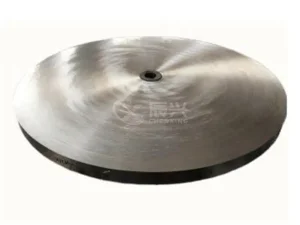
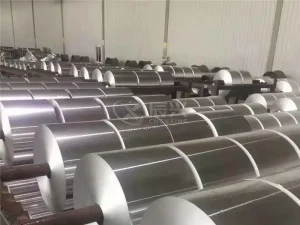
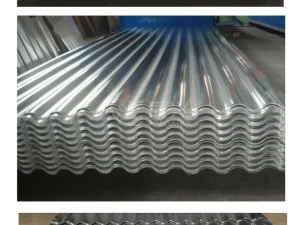
Explore our diverse selection of hot-rolled and cold-finished aluminum sheets, coils, circles, and foil alloys.
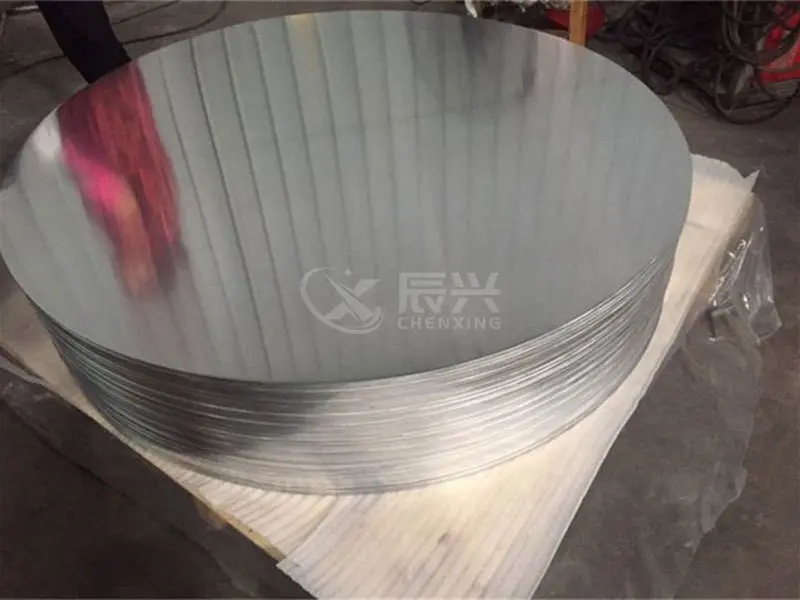
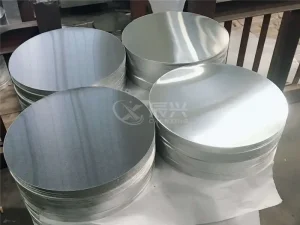
High purity, outstanding ductility, and exceptional deep-drawing properties for cooking utensil manufacturing.
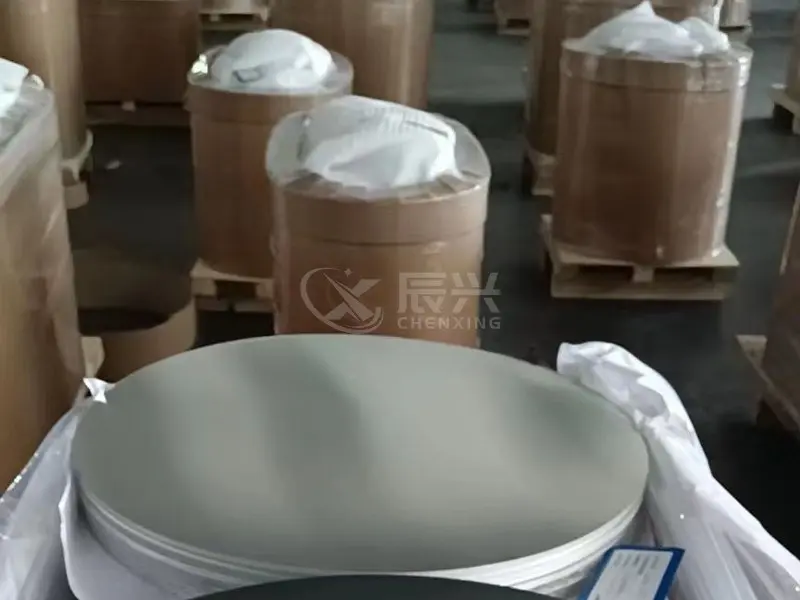
Manganese-alloyed aluminum providing enhanced strength and excellent corrosion resistance for industrial applications.
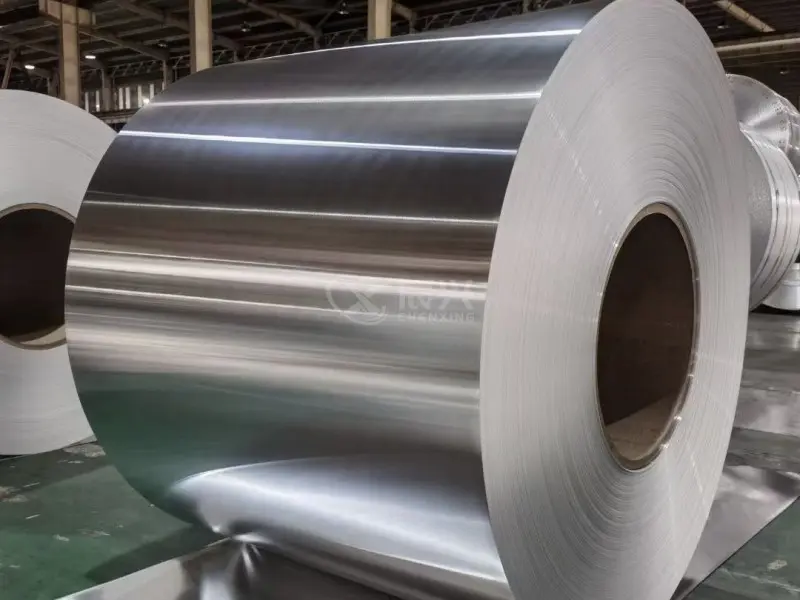
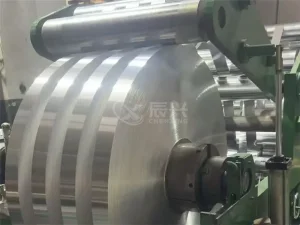
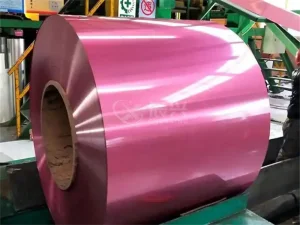
Precision-rolled coils suited for composite panels, architectural cladding, and industrial fabrication.
Specially treated linear surface finish designed for premium electronic housings and architectural interior trim.
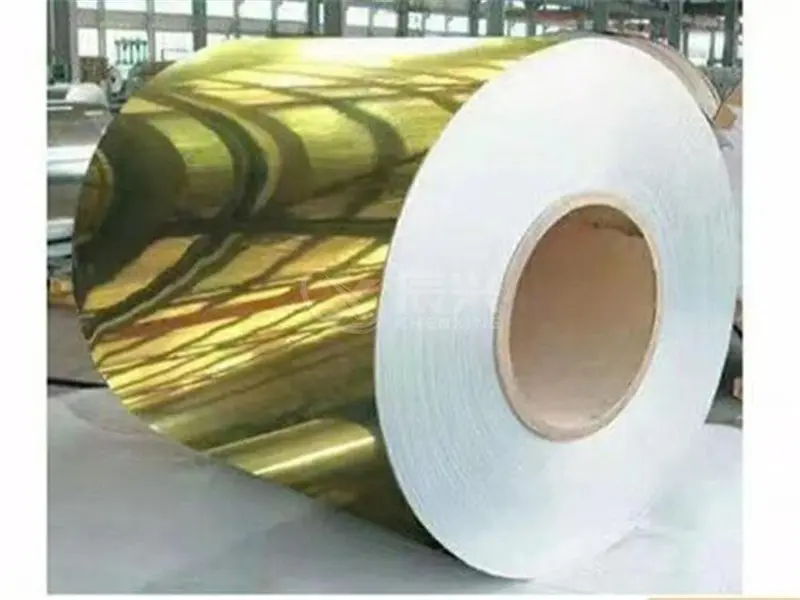
Superb specular reflectivity ideal for solar parabolic troughs, lighting reflectors, and architectural features.
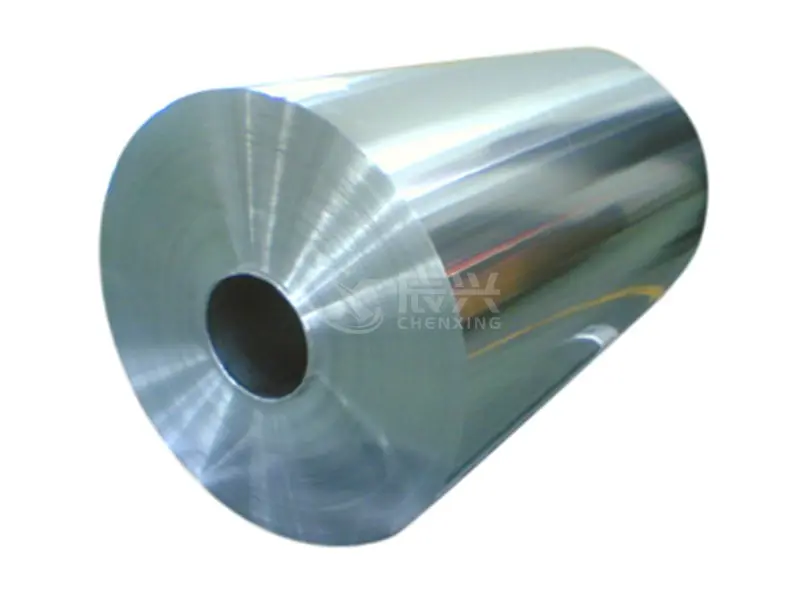
Hydrophilic coated foil engineered to maximize heat transfer efficiency in HVAC evaporators and condensers.
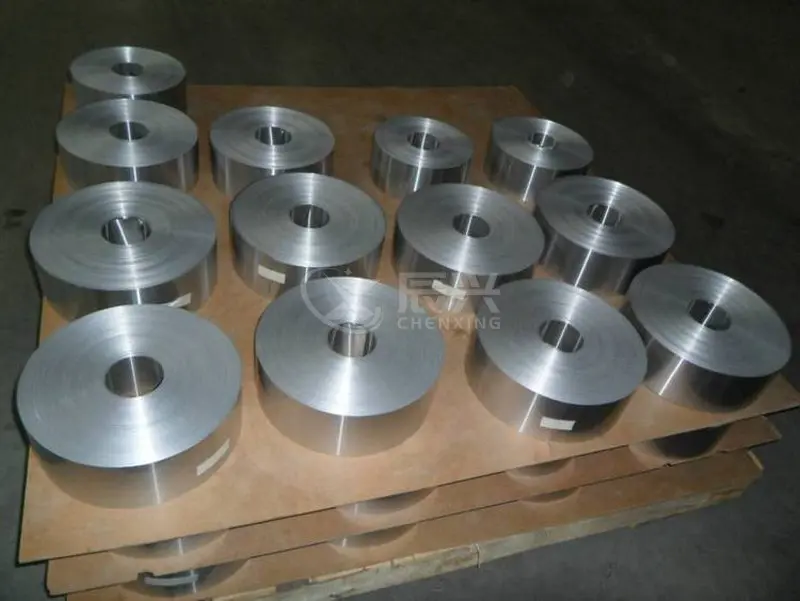
Flexible and fire-resistant composite foil laminate specifically engineered for thermal HVAC insulation ductwork.
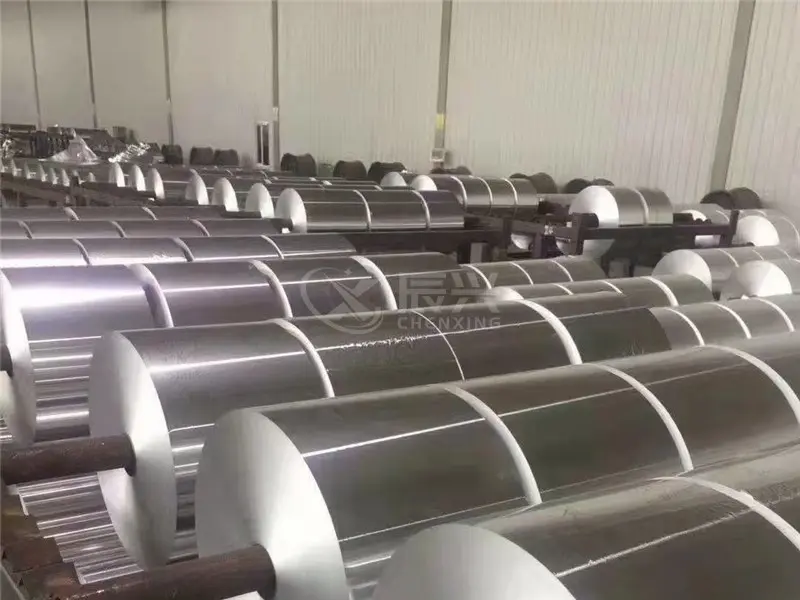
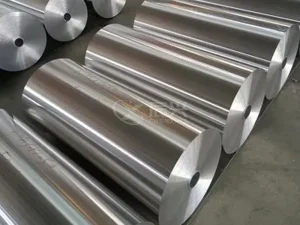
Excellent barrier properties against moisture, light, and gases, ideal for packaging and technical industrial shielding.
Our aluminum components are precision-engineered to meet the demanding requirements of global key sectors.

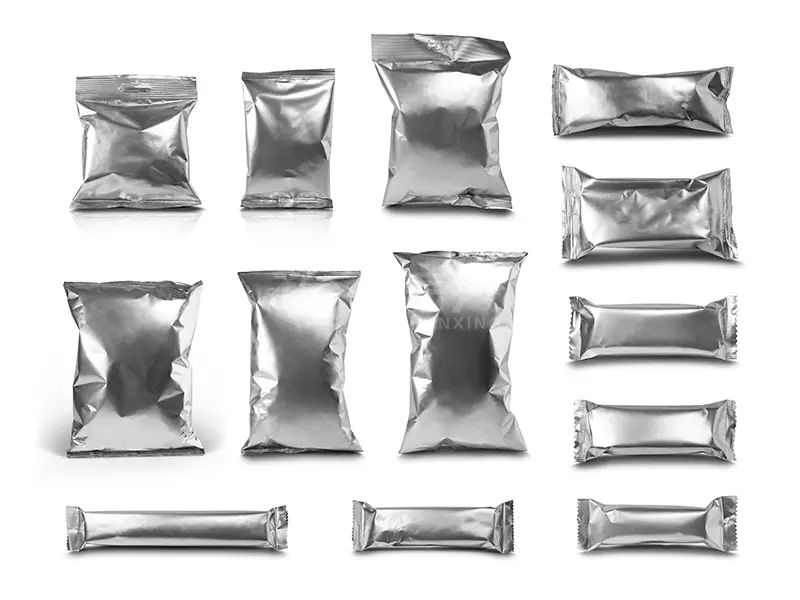


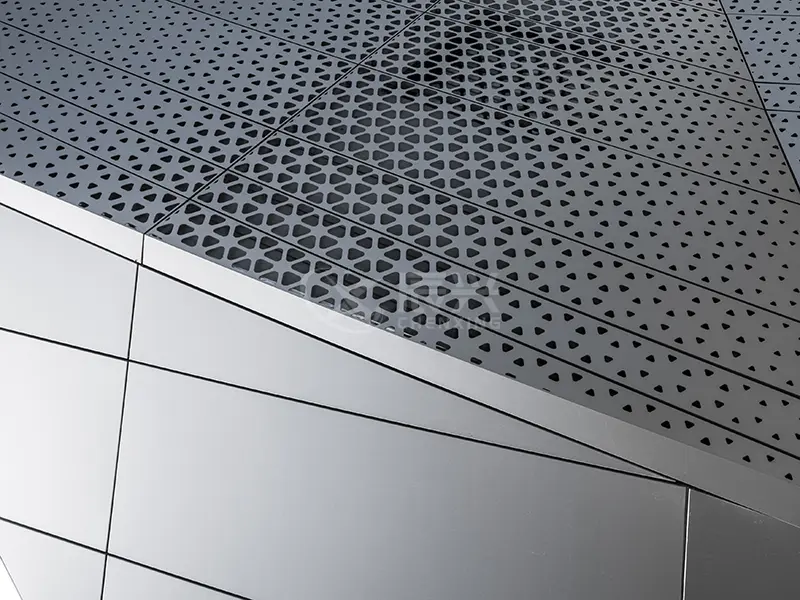

Navigating different international jurisdictions requires a proactive regulatory compliance posture. Our industrial facilities are certified under ISO 9001:2015, ISO 14001:2015, and IATF 16949 automotive quality frameworks. When shipping to North American or European Union markets, our compliance teams verify conformance with REACH, RoHS, and EU CBAM (Carbon Border Adjustment Mechanism) monitoring rules.
For custom aluminum bar profiles, we provide complete material traceability. Each shipment is accompanied by Mill Test Certificates (MTC) conforming to EN 10204 3.1, detailing the exact chemical melt analysis and physical tensile testing parameters. Our local engineering partners in Europe and the Americas support local warehousing, just-in-time delivery models, and quick-response customer technical support, ensuring seamless logistics integration.
To eliminate structural defects in specialized applications, our quality assurance division utilizes modern testing hardware. Our non-destructive testing (NDT) pipeline includes inline ultrasonic inspections that scan extruded bars for internal voids, microscopic cracks, or density anomalies.
For automotive components, we perform microstructural analysis using scanning electron microscopes (SEM) to evaluate grain boundary segregation and verify clean alloy structures. Our heat-treatment ovens are regularly calibrated using multi-point thermocouple dataloggers. This ensures uniform temperature distributions across the entire load, eliminating hard spots or zones of insufficient hardness within the profile cross-sections.
Professional metallurgical and logistics answers resolving standard B2B procurement queries.
Connect directly with our metallurgy and tooling engineers. We provide technical consultations and complete commercial pricing within 24 hours.
Read updates on global metal trade, raw material dynamics, and technical breakthroughs from our engineering team.
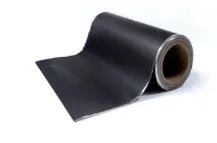
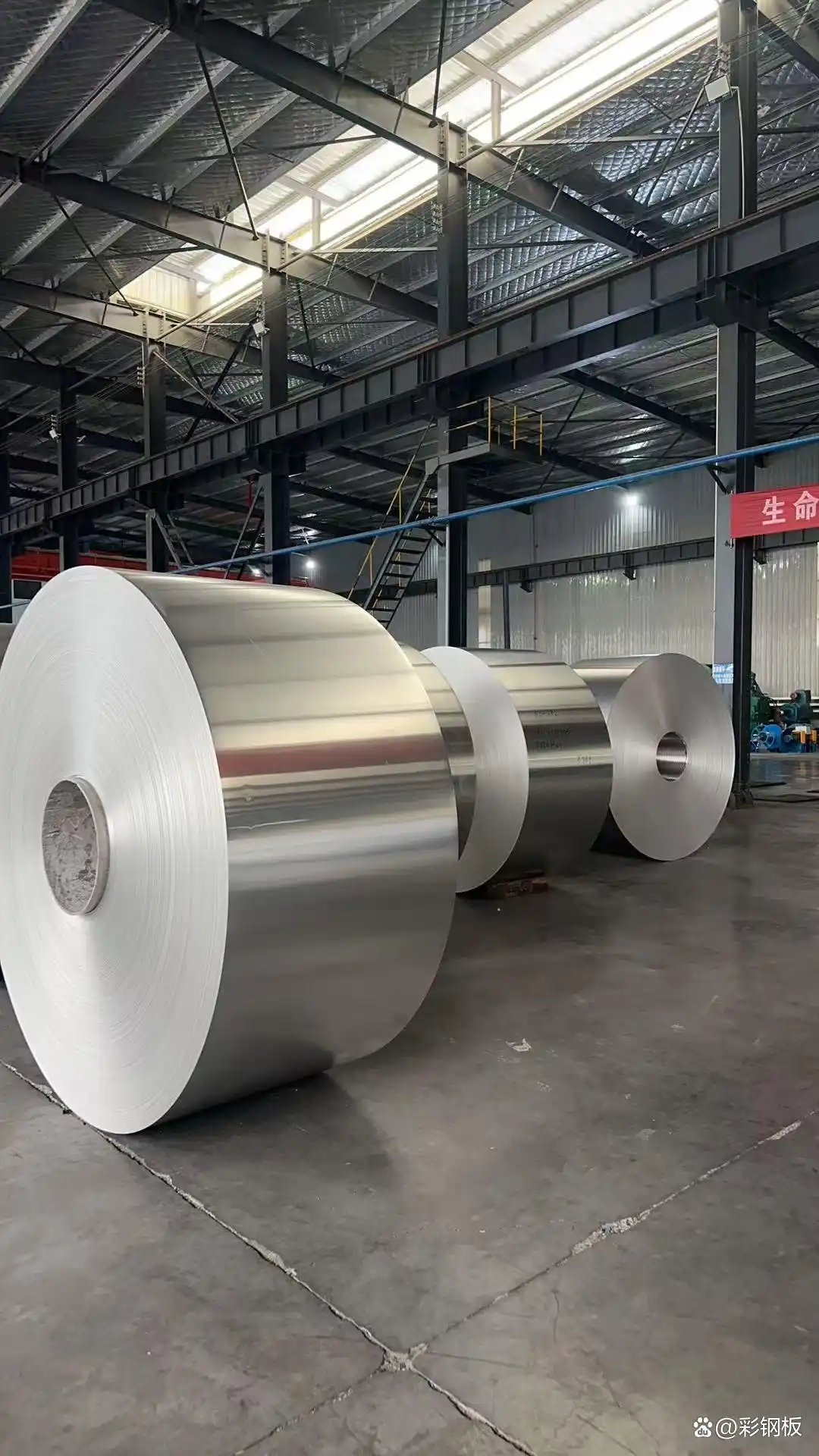
High-performance structural materials and specialized battery packaging foils engineered for demanding projects.