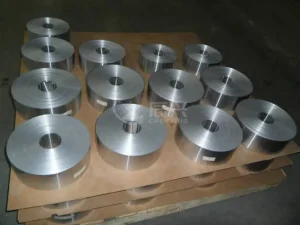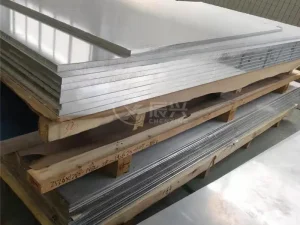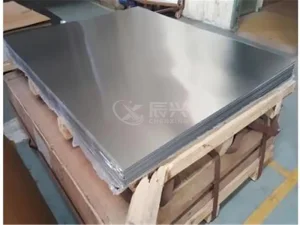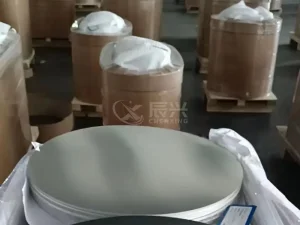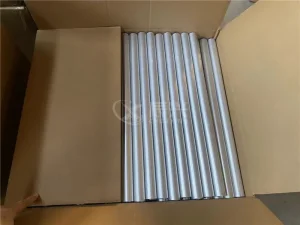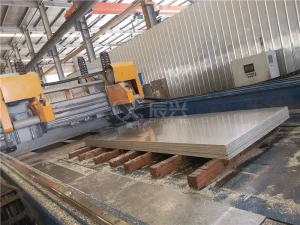
Explore our core manufacturing capabilities, featuring specialized aluminum rolls, containers, circles, and foil engineered to international standards.
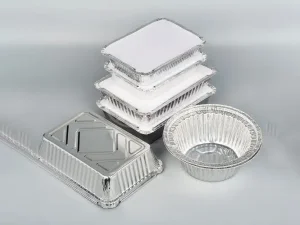
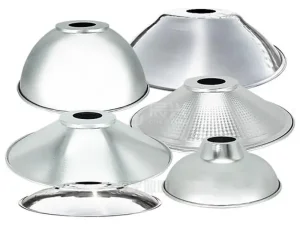
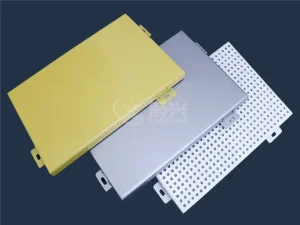
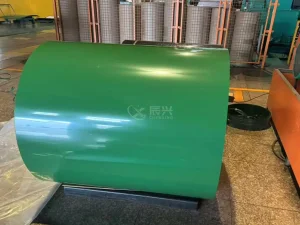
Our operational scale, engineering excellence, and responsive client service set the standard for high-volume raw metal procurement.


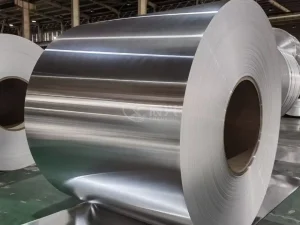
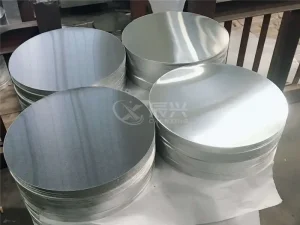
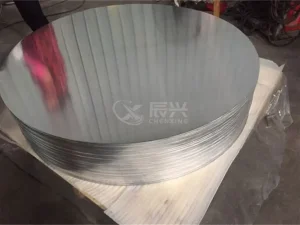
The global industrial landscape relies heavily on high-purity, structurally sound aluminum substrates. As a premier China Aluminium Roll Company & Factory, we provide downstream manufacturers with high-performance aluminum coils, circles, sheets, and foils that satisfy rigid metallurgical requirements. The processing efficiency and mechanical reliability of our aluminum rolls are supported by continuous hot-tandem rolling lines, cold rolling processes, and advanced heat treatment ovens designed to regulate alloy tempering precisely.
China's dominance in the non-ferrous metal industry is not merely a matter of sheer capacity, but rather the result of tight integration across the entire manufacturing value chain. Deep vertical integration—from the refining of bauxite and smelting of primary aluminum ingots to advanced precision rolling and surface coating—minimizes transport-related energy loss and raw material overhead. Located within China's primary industrial metal processing hubs, our factory benefits from immediate access to high-grade chemical inputs, localized tooling expertise, and multi-modal transport infrastructure, allowing us to maintain competitive lead times and cost structures.
By leveraging continuous casting and hot rolling technologies, we achieve a high degree of isotropic crystal grain alignment in our aluminum coils. This structural consistency translates directly to superior deep-drawing capability, uniform mechanical elongation, and minimal directional anisotropy during stamp-forming operations. For global procurement teams, sourcing from a consolidated Chinese factory ensures batch-to-batch chemical integrity, reducing scrap rates during high-speed production runs.
Aluminum roll classification requires precise control of trace alloying elements to align material properties with specific application demands. The following table highlights the standard alloys produced at our state-of-the-art facility, indicating their core mechanical qualities and target industrial applications:
| Alloy Series | Key Composition | Primary Mechanical Traits | Typical Industrial Applications |
|---|---|---|---|
| 1xxx Series (e.g., 1050, 1060) | Pure Al (≥99.5%) | Exceptional electrical conductivity, high ductility, superior corrosion resistance. | Lighting reflectors, chemical apparatus, capacitor casings, spinning blanks. |
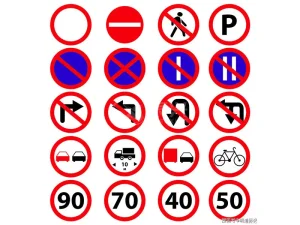
| 3xxx Series (e.g., 3003) | Al-Mn (1.0-1.5% Mn) | Moderate strength, excellent workability, superb weldability, rust resistance. | Cookware, chemical containers, radiator fins, road signs, HVAC enclosures. |
| 5xxx Series (e.g., 5083, 5754) | Al-Mg (up to 5% Mg) | High mechanical strength, elite marine corrosion resistance, good fatigue properties. | Shipbuilding hulls, pressure vessels, automotive structural components. |
| 8xxx Series (e.g., 8011) | Al-Fe-Si | Ultra-thin tensile strength, high tear resistance, clean surface characteristics. | Food grade packaging containers, pharmaceutical foils, cable wrapping. |
To verify the mechanical integrity of each shipped aluminum roll, our in-house laboratory performs rigorous mechanical tests on samples taken from the beginning and end of each master coil. Tensile testing determines ultimate tensile strength (UTS) and yield strength, while elongation metrics verify formability. Earing tests are critical for deep-drawing alloys (such as 1050/3003) to ensure that downstream cup-forming operations yield clean, symmetrical edges without excessive trim scrap.
Our manufacturing plants maintain certified compliance with ISO 9001, IATF 16949 (Automotive Quality Management), RoHS, REACH, and FDA Food Contact standards. We supply full chemical analysis certificates (MTRs) with every shipment.
Our aluminum rolls are processed to fulfill requirements across diverse global industries, adapting perfectly to local manufacturing systems.

High-strength 5xxx series alloys used in automotive structural components, fuel tanks, inner panels, and lightweight railway structures. Enhances fuel efficiency and reduces structural load.
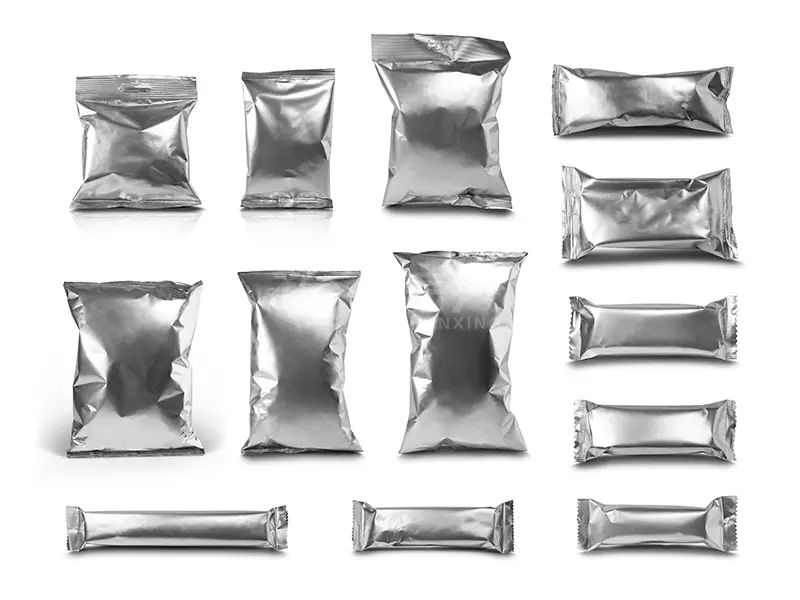
Strictly tested 8011 and 1235 alloy foils. Guaranteed sterile and chemically inert, making them suitable for food containers, pharmaceutical packaging, and flexible barrier films.

Highly conductive pure aluminum coils used in power grids, electrolytic capacitors, transformer windings, and custom heat dissipation panels for consumer electronics.

Specialty alloy formulations showing optimal strength-to-weight ratios and high fatigue resistance. Designed to withstand extreme atmospheric pressure changes.
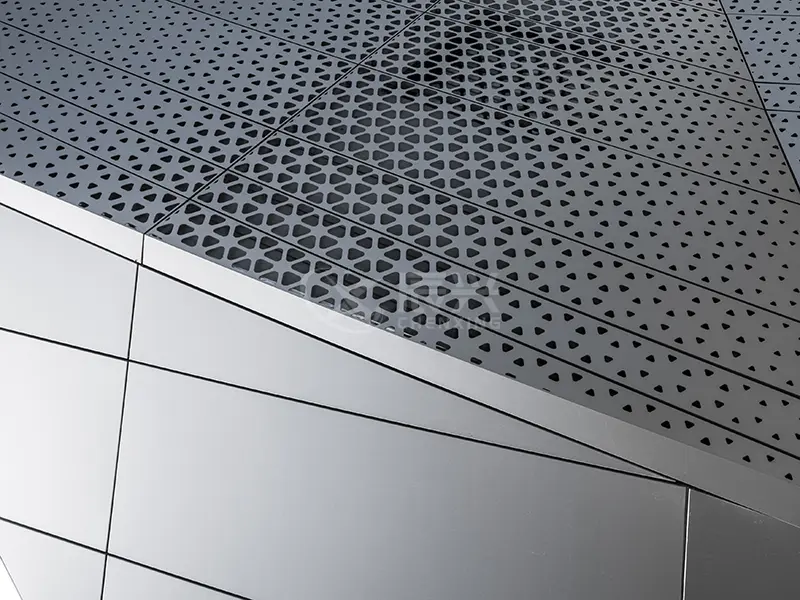
PVDF-coated aluminum sheets and coils engineered for architectural cladding, roofing, insulation systems, and exterior curtain walls. High weatherability and color retention.
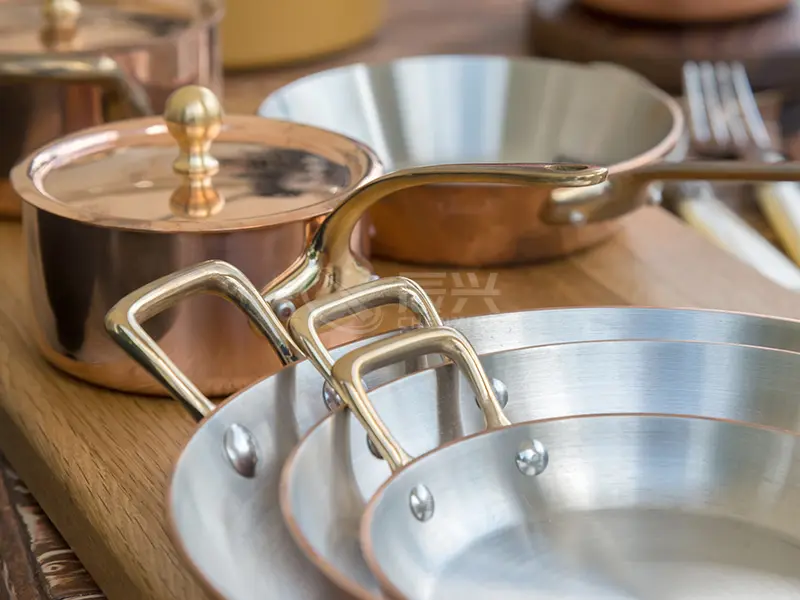
Excellent aesthetic and functional rolls for refrigerator liners, oven panels, washing machine basins, and micro-channel air-conditioning tubes.
A primary failure mode in automated stamping lines is inconsistent coil tension or surface contamination on the raw aluminum strip. To resolve this, our processing facility uses multi-roller levelers to regulate residual internal stress. High-precision slitting heads ensure clean, uniform coil edges, preventing localized stress concentrations that can lead to micro-cracks during stamping.
Depending on the downstream forming technique, we supply aluminum rolls with distinct surface profiles. For automotive sheet forming, a light mill finish with controlled roughness (Ra values between 0.8 and 1.6 μm) is applied to retain lubricants during deep drawing. In packaging applications, we supply dry, degreased surfaces or light food-grade oil coatings (DOS) to prevent sticking while protecting the aluminum surface from oxidation. We also offer protective PE films or interlaid paper options to protect mirror-finish surfaces from scratching during handling and fabrication.
Aluminum is naturally highly active and relies on a microscopic, protective passivating oxide film. However, exposure to moisture during transit can cause white rust (aluminum hydroxide) formations. We address this vulnerability through systematic packaging protocols:
Stay informed on global market dynamics, new technology rollouts, and raw material trends affecting aluminum sourcing.
Recent trade data highlights rising demand for high-grade semi-finished aluminum rolls. To support global partners, we have expanded our capacity with a new cold-rolling mill.
More News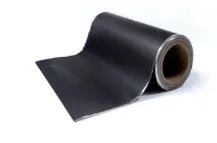
The global shift toward electric vehicles has driven demand for battery-grade cathode foils. Our research team discusses performance metrics and surface finish requirements.
More News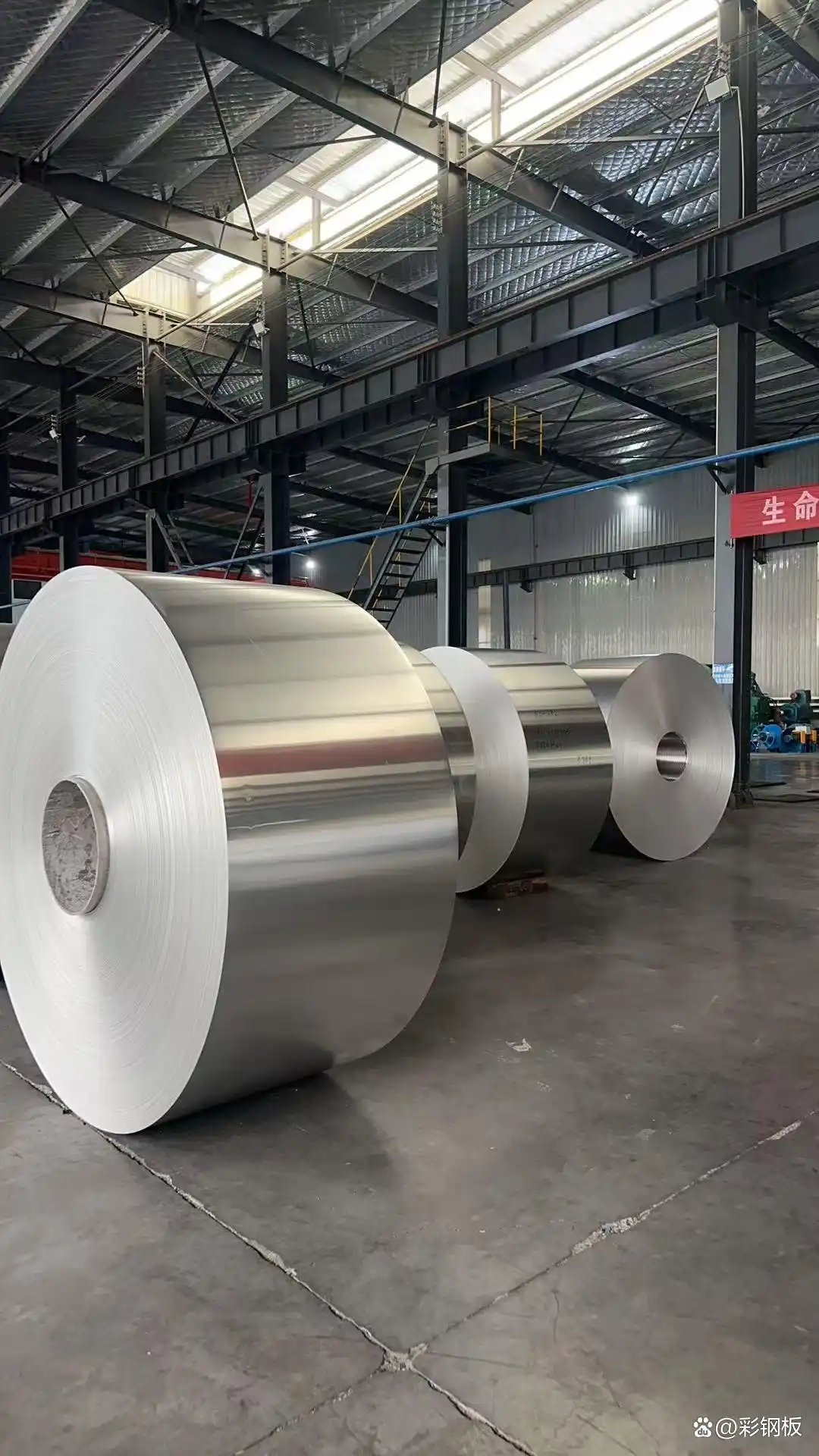
Environmental standards are driving the adoption of recyclable structural aluminum. Discover how our low-carbon production lines help projects meet LEED certifications.
More NewsPurchasing raw metal products internationally requires managing supply risk and ensuring quality compliance. Industrial sourcing processes should evaluate factory capabilities, supply chain logistics, and local regulatory standards to maintain a stable, cost-effective production flow.
The global aluminum trade faces changing tariff landscapes, including anti-dumping duties, countervailing duties (CVD), and carbon border adjustment mechanisms (CBAM). As an experienced international exporter, we help buyers optimize customs classification, provide documentation of origin, and arrange logistics through alternative hubs where appropriate. This proactive approach helps mitigate unexpected tariff liabilities at destination ports.
Quality deviations must be resolved quickly to prevent costly downtime. Our operations use a structured 8D Problem-Solving Methodology to address issues systematically:
Find answers to technical specifications, order logistics, packaging configurations, and custom product capabilities.
How do you prevent water corrosion stains on aluminum rolls during ocean shipping?
We wrap each master coil in multilayer vapor barriers, include heavy-duty silica gel desiccant packs, and secure the rolls on fumigated wooden skids. These packages are hermetically sealed before container loading to protect against ambient moisture and condensation during maritime transit.
What are the standard tolerances for aluminum roll thickness and width?
Our standard manufacturing processes achieve thickness tolerances of ±0.02 mm and width tolerances of ±0.5 mm. We can accommodate tighter tolerances for precision industrial applications upon review of technical drawings and requirements.
Which aluminum alloys are recommended for deep-drawing processes?
The 1050, 1060, and 3003 alloys in soft O-temper conditions are recommended for deep-drawing applications. They offer high ductility, good elongation, and minimal ear susceptibility, which makes them ideal for manufacturing cookware, cans, and reflectors.
Do your products comply with FDA food contact regulations?
Yes, our food-grade alloys (primarily 8011, 3003, and 1235) comply with FDA, SGS, and RoHS requirements. We maintain strict control over manufacturing inputs to ensure surfaces remain free from harmful rolling oils and chemical residues.
What is your typical lead time for a custom roll production order?
Depending on alloy specifications and order volume, standard lead times range from 20 to 35 days. We also maintain a regular inventory of standard alloys to accommodate urgent customer requirements.
Connect with our technical engineering team for quotes, physical material samples, alloy recommendations, or custom parameter inquiries.
Discover additional specialized aluminum configurations engineered for structural durability, formability, and reliable service life.