China Aluminium Metal Plate Company & Factories

Precision Engineering, Global Quality Compliance, and Full-Scale Industrial Solutions for High-Performance Aluminum Alloys

20+

20+ Years Manufacture Experience

35+

Exported To 35+ Countries

Strict QC Inspection & Tracking

24-Hour Service, 8D Response

The Strategic Advantage of Sourcing from Chinese Aluminum Plate Factories

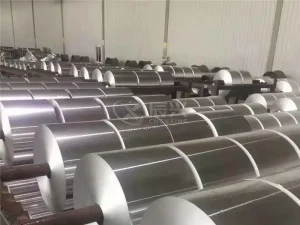
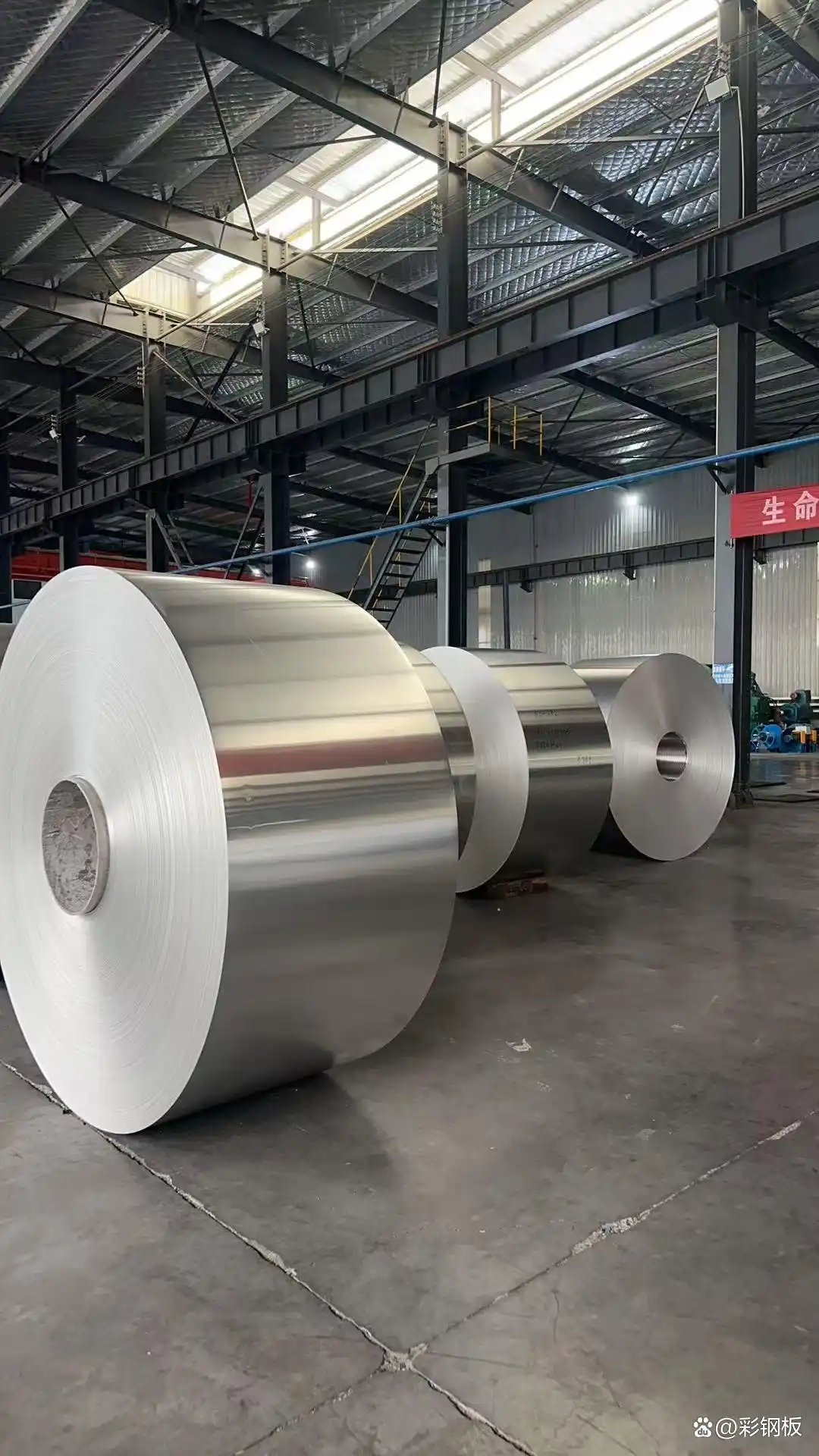
As industrial manufacturing moves toward greater efficiency, lightweight design, and green technologies, the global demand for high-strength aluminum alloy plates has grown significantly. China’s aluminum production sector has transformed from a high-volume manufacturing center into an advanced engineering hub. Through continuous technological upgrading, state-of-the-art hot and cold rolling mills, and optimized metallurgical processes, Chinese factories deliver materials that consistently meet or exceed international standards (ASTM, EN, DIN, and JIS).

When sourcing from a leading China Aluminium Metal Plate Company, buyers gain access to vertically integrated production processes. This integration spans raw material bauxite refining and ingot casting to customized surface finishing, including PVDF coating, anodizing, and pattern embossing. This localized concentration of technology reduces lead times, optimizes manufacturing yield, and ensures high structural integrity for demanding global applications.

Advanced Metallurgy

Utilizing gas-cushion continuous heat treatment, electromagnetic stirring, and multi-stage degasification to eliminate micro-porosity and secure uniform grain structures.

Dimensional Tolerance Control

Implementation of AGC (Automatic Gauge Control) and AFC (Automatic Flatness Control) systems ensures thickness tolerances within microns across wide plate dimensions.

Tailored Chemistry Profiles

Precise chemical compositions across critical temper ranges (e.g., T6, T651, H14, H24) are systematically formulated to ensure optimal weldability and stress-relief properties.

Alloy Family Selection: Aligning Material Properties with Engineering Requirements

Modern industrial applications require a deep understanding of alloy-specific behaviors. Sourcing teams must choose alloys that match their specific mechanical and environmental conditions:

  • 1xxx Series (e.g., 1050, 1060): Offering over 99.5% pure aluminum content, these alloys provide superior electrical conductivity, excellent corrosion resistance, and high thermal reflectivity, making them suitable for transformer windings, reflective lighting surfaces, and chemical equipment.
  • 3xxx Series (e.g., 3003, 3105): Alloyed with manganese, these materials offer roughly 20% higher strength than 1xxx series while maintaining excellent workability. They are widely used for HVAC systems, heat exchangers, and architectural flashing.
  • 5xxx Series (e.g., 5052, 5083, 5754): Magnesium-stabilized alloys characterized by exceptional weldability and outstanding marine environment corrosion resistance. Essential for shipbuilding, pressure vessels, and precise automotive components.
  • 6xxx Series (e.g., 6061, 6082 T6): Silicon-magnesium alloys engineered for structural applications. Featuring high tensile strength, excellent structural response under load, and precise heat-treatability, these alloys are widely used in structural frames, heavy-duty transportation, and industrial machinery.
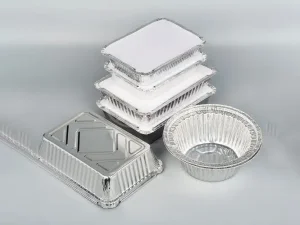
  • 8xxx Series (e.g., 8011): Uniquely alloyed for ductile applications and barrier properties. These formulations are ideal for high-precision pharmaceutical foil packaging, food service containers, and robust industrial pipe wraps.

Industrial Applications & Localized Integration Scenarios

Providing reliable metal solutions across multiple specialized global industries.

Aluminum For Transportation

Transportation & Logistics

Weight reduction is essential for improving range in electric vehicles and fuel efficiency in commercial fleets. High-strength aluminum sheets are increasingly used for structural components, outer body panels, and battery enclosures.

Aluminum For Packaging

High-Barrier Packaging

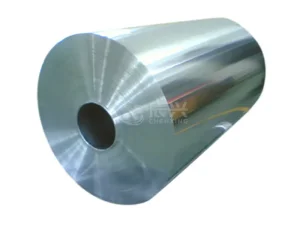
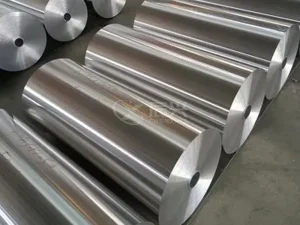
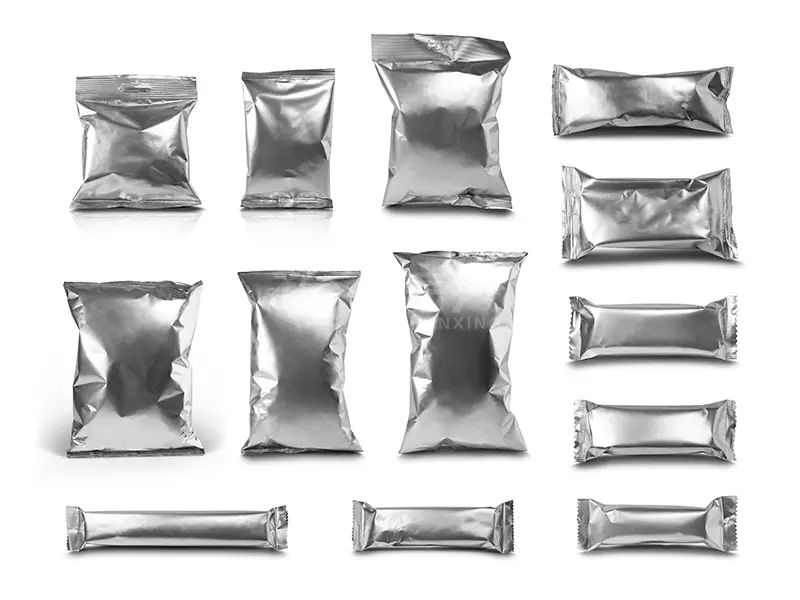
Pharmaceutical products require complete protection against oxygen, light, and moisture. Specialized 8011 and 1235 foils provide strong seal integrity and barrier properties for blister packs, vials, and food storage.

Aluminum For Electronics

Electronics & Thermal Management

High thermal conductivity is essential for protecting modern microchips and battery assemblies. Our micro-refined aluminum heat sinks and air conditioning foils ensure consistent heat dissipation and cooling performance.

Aluminum For Aerospace

Aerospace & Precision Machining

Structural reliability in aviation requires materials that resist fatigue and maintain stability under temperature changes. Thick-plate hot rolled alloys (e.g., 6082 T6) provide the mechanical strength needed for aircraft structures and mold making.

Aluminum For Construction

Architecture & Envelope Systems

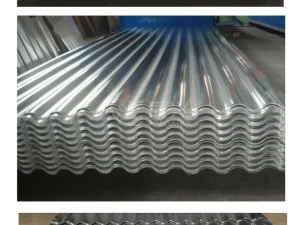
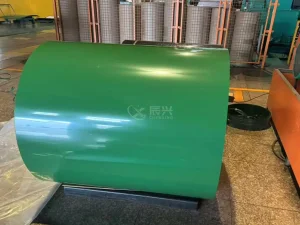
Modern building envelopes require materials that resist weathering and offer design flexibility. PVDF-coated coils and aluminum roofing sheets provide long-term durability and aesthetic appeal for exterior facades.

Aluminium For Household Appliances

Appliances & Consumer Goods

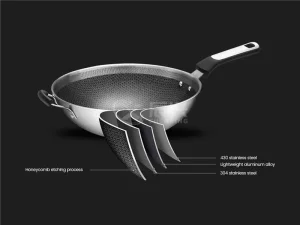
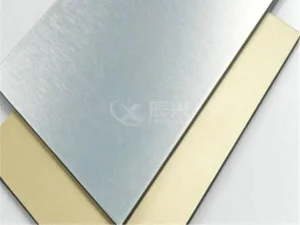
Consumer appliances require clean, modern finishes that resist fingerprints and wear. Brushed and mirror-finished aluminum sheets provide durable surface properties and a premium look for appliances and cookware.

Global Sourcing & Supply Chain Optimization: Ensuring Quality at Scale

Sourcing metal products globally requires managing complex logisitical processes, quality verifications, and compliance standards. Successful procurement depends on setting clear technical criteria and establishing verification protocols with your manufacturing partner. Leading Chinese exporters use advanced systems to maintain product consistency and protect materials during shipping.

1. Advanced Quality Assurance and Metallurgical Inspection

Industrial procurement teams require complete batch traceability. Standard documentation from leading factories includes chemical analysis certificates and physical test reports. Quality checks are performed using optical emission spectrometers, universal tensile testing machines, and metallographic microscopes to verify grain structure and surface quality before shipment.

2. Protective Packaging and Sea-Freight Preparation

Aluminum is susceptible to moisture oxidation and physical scratching during sea transit. Implementing robust packaging standards is crucial:

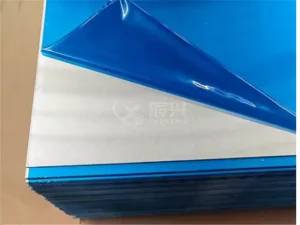
  • Interleaving Layers: Applying neutral paper or plastic film interleaving between sheets protects the surface from scratching and friction.
  • Desiccant Integration: Placing industrial silica gel packs inside air-tight plastic wraps prevents moisture condensation during transport.
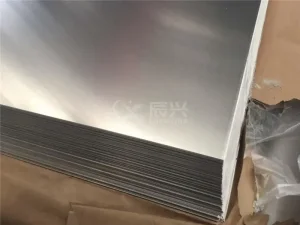
  • Structural Skids: Packing plates on reinforced wooden pallets (IPPC ISPM-15 compliant) with steel banding ensures safe handling with forklifts and cranes.

3. Navigating International Logistics and Inventory Flow

To reduce supply chain risks, experienced factories offer flexible shipping arrangements (FOB, CIF, DDP) and support safety stock programs. This ensures a consistent material supply and helps buffer against international market fluctuations.

Request a Technical Quote & Material Sample

Consult with our engineers to select the optimal alloy composition, temper, and dimensions for your project. We respond to technical inquiries within 24 hours with complete price estimates and metallurgical details.

Submit Inquiry Now

Frequently Asked Questions (FAQ)

Technical and logistical insights for global procurement managers and structural designers.

What is the standard tolerance limit for thickness on high-precision aluminum plates?
Our factory-directed cold-rolling mills operate under Automatic Gauge Control (AGC), securing tolerances tighter than typical ASTM standards. For plate thicknesses ranging from 1mm to 6mm, we consistently maintain tolerances within ±0.02mm, ensuring highly stable performance in precision stamping and automated assembly lines.
Which aluminum alloy is recommended for highly corrosive marine environments?
For marine-grade applications, we recommend 5xxx series alloys (primarily 5052 and 5083) in H111, H112, or H321 tempers. These magnesium-stabilized alloys offer excellent resistance to saltwater corrosion and maintain structural strength after welding, making them ideal for shipbuilding and offshore platforms.
How does PVDF coating compare to standard PE coatings for building facades?
PVDF (Polyvinylidene Fluoride) coatings offer superior UV resistance, chemical stability, and color retention compared to standard PE (Polyester) coatings. PVDF coatings are recommended for exterior applications exposed to weathering, providing up to 20 years of service life. PE coating is a cost-effective choice for interior applications.
What quality certifications do your manufacturing plants maintain?
Our manufacturing facilities are certified to ISO 9001:2015, ISO 14001:2015, and IATF 16949 (for automotive production). Our materials comply with CE, RoHS, and REACH directives. We also provide Mill Test Certificates (MTC) according to EN 10204 3.1 for all shipments.
How do you protect thin aluminum foils from oxidation during sea transit?
We use hermetically sealed packaging for all export foil shipments. The foil rolls are wrapped in plastic barriers, packed with active desiccant packs, and secured inside wooden boxes. This system prevents moisture contact and eliminates the risk of water staining or oxidation during sea transit.