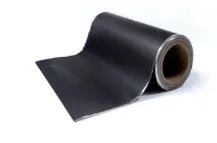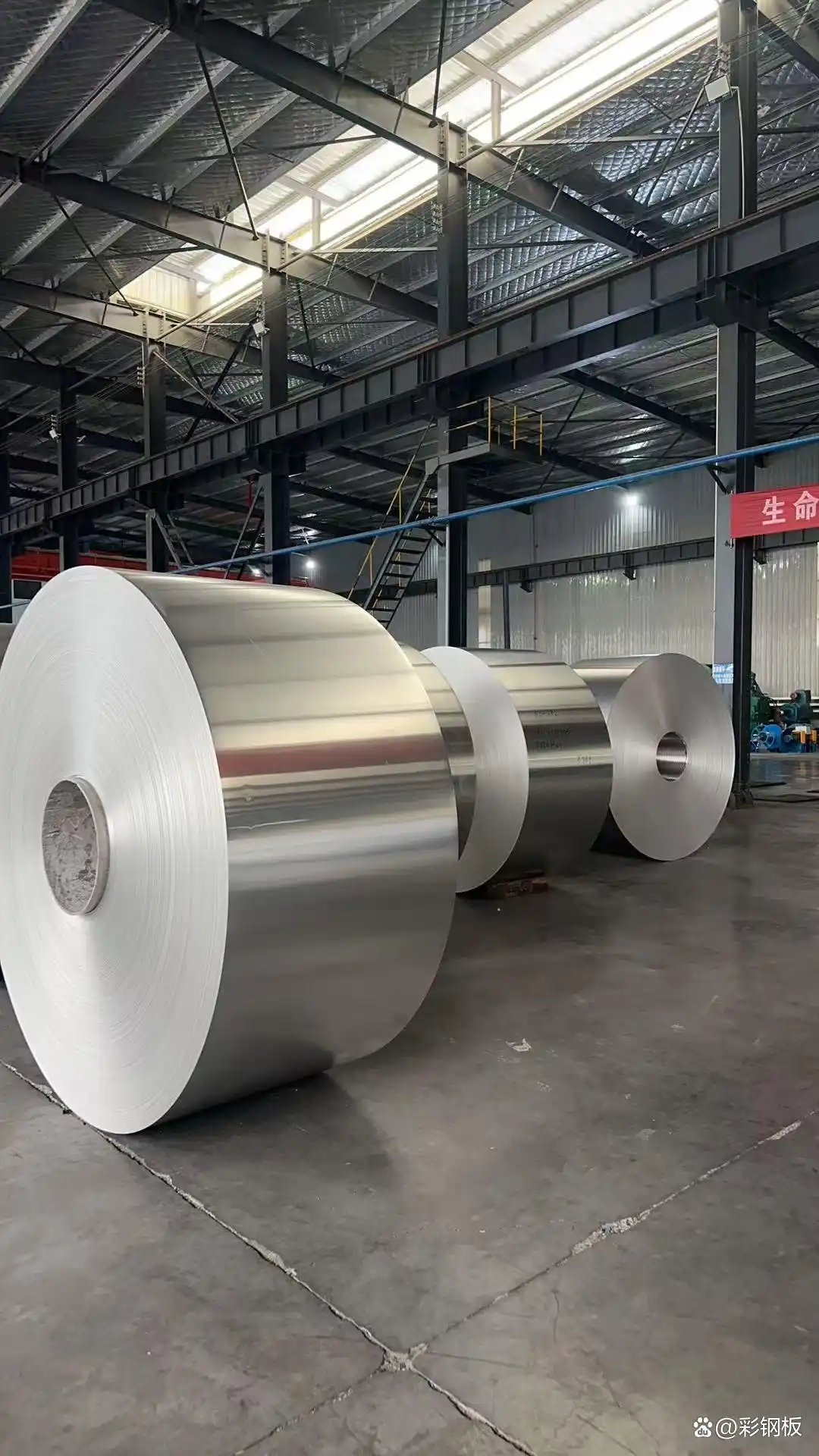
Explore our top-performing primary products engineered for durability, exceptional barrier properties, and exact metallurgical standards.
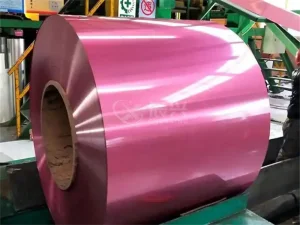
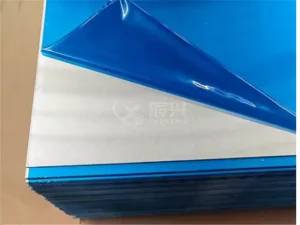
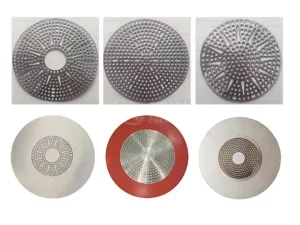
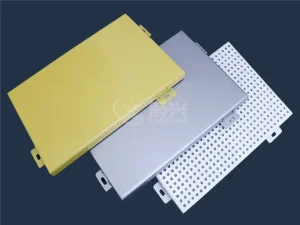
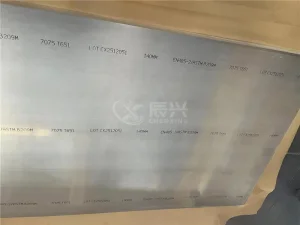
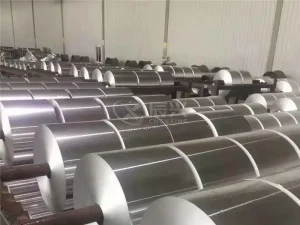
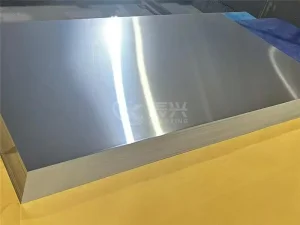
Our manufacturing infrastructure is optimized to support precision specifications across high-demand industrial sectors.
The global demand for high-performance aluminum foil rolls has accelerated rapidly over the last decade, driven by advances in flexible packaging, thermal systems, automotive battery technology, and sustainable construction. As the largest manufacturing hub for rolled aluminum, China represents a critical nexus in the global supply chain. In this industry brief, we investigate the technical dynamics, alloy selections, and quality parameters that define advanced aluminum production.
Aluminum foil rolls are classified by chemical composition and tempering styles, which directly define their performance metrics. The choice between pure aluminum alloys (e.g., 1000 series) and specialized alloys (e.g., 3000 and 8000 series) depends on the required strength, formability, and surface qualities.
| Alloy Series | Common Tempers | Tensile Strength (MPa) | Elongation (%) | Primary Industrial Applications |
|---|---|---|---|---|
| 1000 Series (1100, 1050) | O, H14, H18 | 75 - 120 | 3 - 12 | Chemical packaging, fins for cooling, spinning, electrical shielding. |
| 3000 Series (3003) | O, H22, H24 | 110 - 180 | 4 - 15 | High-durability food containers, cooking utensils, heat exchangers. |
| 5000 Series (5052) | O, H32, T6 | 190 - 270 | 12 - 20 | Corrosive environments, marine components, architectural paneling. |
| 8000 Series (8011, 8079) | O, H14, H18 | 80 - 145 | 5 - 18 | Pharmaceutical blister packs, household foil rolls, sterile packaging. |
The key performance characteristics of aluminum foil rolls are developed through cold rolling and annealing. During the rolling stage, structural reduction reduces the metal to thicknesses down to 0.006 mm (6 microns). Precise temperature control during thermal annealing is critical to relieve strain hardening, restoring the ductility needed for deep-drawing applications (such as foil containers or automotive heat shields).
Chinese factories deliver significant advantages to global buyers through integrated production ecosystems, raw material proximity, and continuous investment in rolling mill technology:
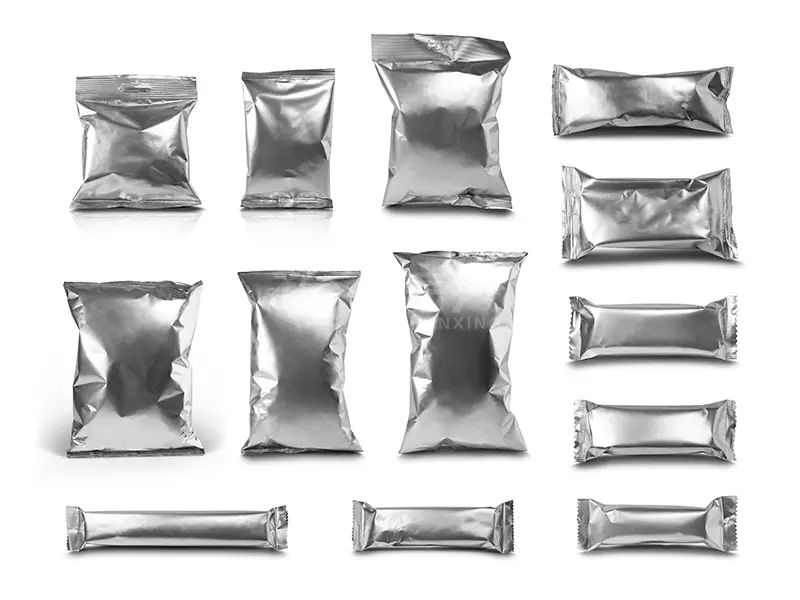
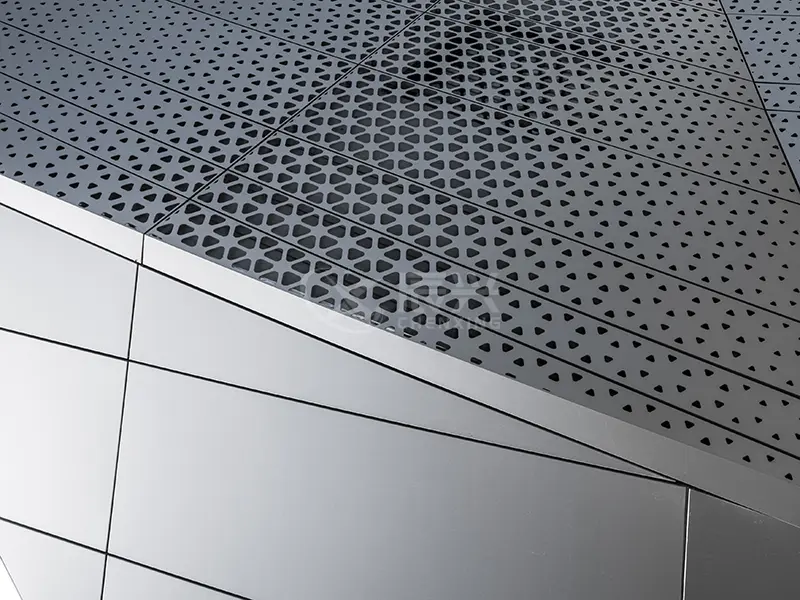
From micro-electronics to heavy structural engineering, aluminum rolls and sheets serve as key components across critical industries.




Reliable procurement requires strict compliance with international standards (ASTM, EN, and GB). Leading manufacturers implement rigorous testing protocols to verify structural performance and prevent material failure in the field:
Online laser scanning systems inspect foil surfaces to identify pinholes, guaranteeing reliable barrier performance for sensitive pharmaceutical products.
Measuring surface tension using dyne solutions confirms consistent adhesion for coatings, lacquers, or laminations.
Destructive tensile testing checks yield strength, ultimate tensile strength, and elongation limits to match project specifications.
To reduce international trade risks, our partners receive comprehensive documentation, including Mill Test Certificates (MTC) matching EN 10204 3.1, third-party SGS/TUV analysis, and precise packing lists indicating alloy details and roll identification codes. This end-to-end traceability forms the foundation of our supply chain security.
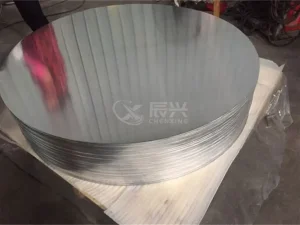
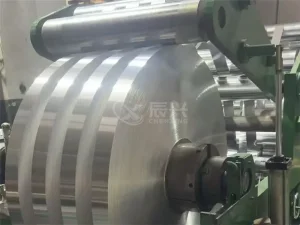
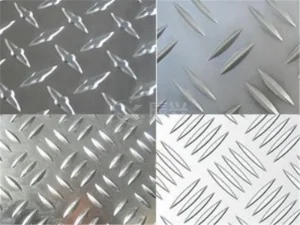
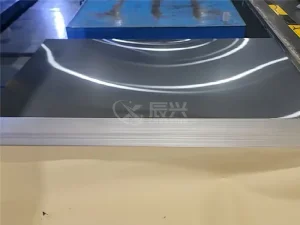
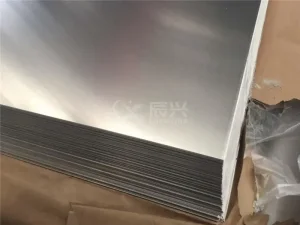
Premium-grade options including circles, strips, plates, and customized profiles developed for heavy industrial and manufacturing use.
Get answers to critical technical and logistical questions commonly raised by global procurement departments.
Alloy 8011 and 8079 in the O (fully annealed soft) temper are the standard choices for sterile packaging. They offer high elongation (typically exceeding 12%) and excellent formability, allowing them to form tight seals around blister cavities or containers. These alloys act as a complete barrier to light, moisture, oxygen, and micro-organisms during autoclave heat sterilization.
Modern rolling mills feature closed-loop Automatic Gauge Control (AGC) systems. These use non-contact isotope or X-ray sensors to measure thickness in real time. The feedback loop automatically adjusts hydraulic screwdown pressure and roll speed to maintain thickness variations within ±2% of target dimensions across the entire width of the coil.
Direct Chill (DC) casting involves hot rolling and produces a fine grain structure with minimal segregation, making it ideal for deep drawing, anodizing, or printing. Continuous Cast (CC) bypasses hot rolling, offering a more economical solution for standard applications like roofing sheets, standard insulation foils, and generic decorative paneling where mechanical demands are less severe.
Surface tension is measured using standard Dyne solutions in accordance with ASTM D2578. The target for coating and lamination is Grade A wettability (at least 38 dynes/cm). This is achieved through controlled thermal annealing, which burns off residual rolling oils, leaving a clean, high-energy oxide surface that facilitates consistent bonding with adhesives and coatings.
Coils are wrapped in plastic film, packed with silica gel desiccants, and sealed in heavy moisture-barrier wrap before being placed in wooden crates. This multi-layer packaging prevents seawater vapor condensation, protecting the coils from white rust and surface oxidation during transit.
The 8D (Eight Disciplines) system manages non-conformance by establishing a cross-functional team, defining the issue, executing interim containment, finding the root cause (using Ishikawa diagrams and the 5 Whys), implementing permanent corrective actions, and standardizing processes to prevent recurrence.
Stay informed about current market trends, export developments, and innovations in aluminum rolling technology.
Connect with our engineering and sales teams to request material samples, chemical analyses, or customized product pricing. We provide comprehensive quotes within 24 hours.