Explore our top-tier catalog containing custom-engineered food container alloys, blister solutions, and industrial-grade aluminum coils.
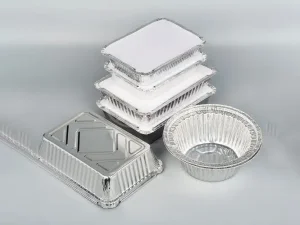
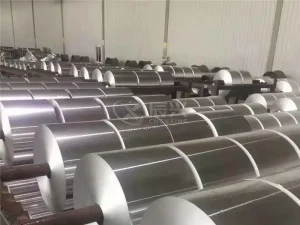
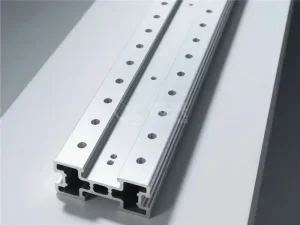
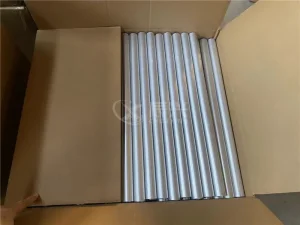
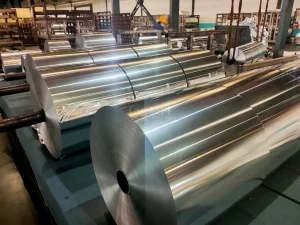
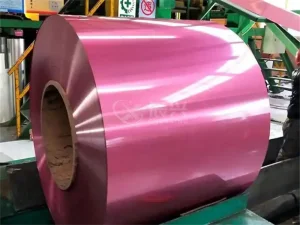
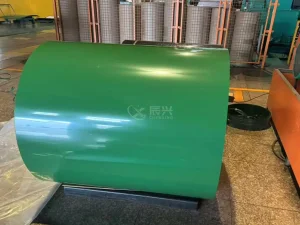
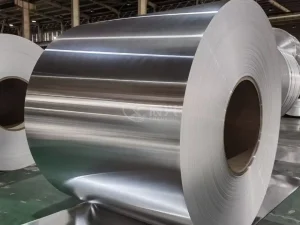
The global aluminium foil packaging market is undergoing a significant transformation, driven by an increasing demand for sustainable materials, higher shelf-life extensions, and exceptional barrier protection across food, pharmaceutical, and technical industries. Aluminium foil, particularly in thicknesses ranging from 6 to 200 microns, offers an absolute barrier to moisture, oxygen, light, and micro-organisms. This physical protection is unmatched by alternative plastic or paper-based materials, making it a critical substrate in modern preservation systems.
From a chemical and metallurgical perspective, the effectiveness of aluminium foil packaging rests on its crystalline lattice layout. When aluminum is rolled down to ultra-thin gauges (such as 6.35 microns or 7 microns used in aseptic liquid packaging), it maintains its absolute gas barrier properties provided the pinhole count is carefully managed. Leading China factories deploy advanced rolling mills equipped with automated shape control (AFC) and automatic gauge control (AGC) systems to monitor flat-rolled products in real-time, ensuring minimum pinhole densities that meet strict pharmaceutical and sterile food packaging regulations.
Moreover, the migration toward eco-friendly circular economies has accelerated the replacement of multi-layer plastic films with mono-material recyclable aluminum-based solutions. As globally defined by international packaging directives, aluminum is infinitely recyclable without losing its material properties, saving up to 95% of the energy required for primary extraction and refining. This makes it a key pillar for FMCG brands striving to meet ESG compliance standards.
| Alloy Grade | Common Temper | Thickness Range (mm) | Primary Industrial Application | Key Performance Attribute |
|---|---|---|---|---|
| 8011 | O, H18, H22, H24 | 0.006 - 0.200 | Household foil, food container, pharmaceutical blister | Excellent elongation and high tensile strength |
| 1235 | O | 0.006 - 0.009 | Aseptic packaging, capacitor foil, cigarette packaging | High purity (≥99.35% Al), minimal pinhole configuration |
| 3003 | H24, H18 | 0.020 - 0.200 | Semi-rigid containers, food trays, heat-sealable cups | Enhanced stiffness, excellent anti-corrosion properties |
| 8021 | O | 0.040 - 0.085 | Cold-formed pharmaceutical blister packaging (Alu-Alu) | Exceptional deep-draw moldability, puncture resistant |
| 8079 | O | 0.006 - 0.080 | Laminated flexible packaging, high-barrier medicine wraps | Higher tensile strength compared to 1235 alloy |
China's prominence as the hub for global aluminum foil production is not merely a matter of scale; it is rooted in structural supply-chain integration, technological modernization, and proximity to primary smelting clusters. China factories benefit from integrated manufacturing ecosystems where molten aluminum is sourced directly from nearby reduction plants and fed straight into continuous casting and rolling facilities. This hot-charge process eliminates the energy-intensive remelting step, resulting in dramatic cost-efficiency improvements and a lower carbon footprint.
Furthermore, Chinese manufacturers have heavily invested in European and domestic high-speed precision equipment (e.g., Achenbach rolling mills and Kampf slitters). This machinery allows for high-speed rolling down to extreme precision with deviations under +/- 2% on thickness profiles. By combining advanced technologies like X-ray thickness measurement gauges with automated optical inspection systems, Chinese factories ensure batch-to-batch consistency and high-speed production capacity that satisfies the tight lead times of global supply networks.
From custom surface treatments (lacquering, embossing, printing, and lamination) to multi-alloy compositions, Chinese factories exhibit unmatched agility. Integrated logistics ports in Qingdao, Shanghai, and Shenzhen enable fast maritime routes to major world markets, paired with streamlined custom declarations. This dynamic production-to-logistics pipeline guarantees that global industrial buyers can implement Just-In-Time (JIT) inventory strategies confidently.
From microelectronics thermal insulation to sterile pharmaceutical barrier protections, our packaging materials are developed for distinct operational needs.

High-durability alloys optimized for automotive heat shields, sound deadeners, and lightweight structural components to boost fuel efficiency.
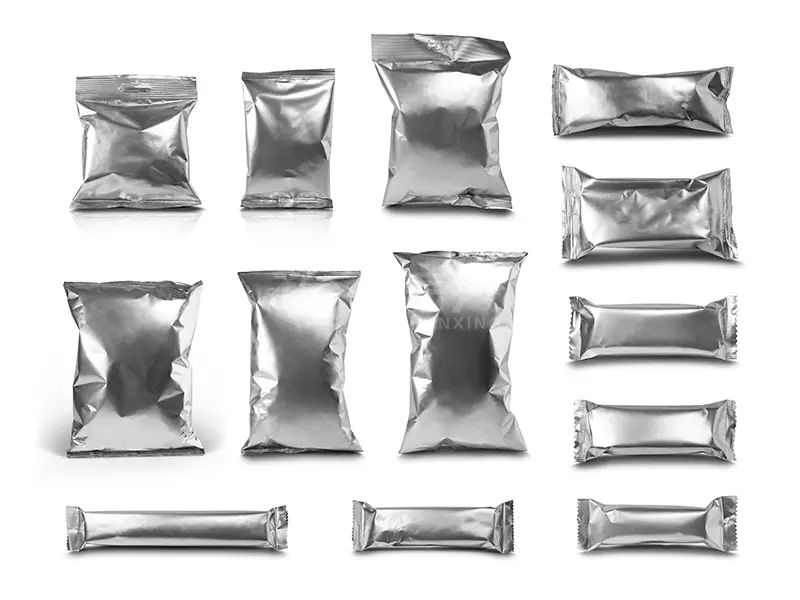
Excellent barrier characteristics for food, dairy, and chemical preservation, maintaining freshness and extending product stability under variable climates.

Electromagnetic shielding foils and capacitor packaging materials engineered with precision electrical conductivity and thermal dissipation profiles.

Ultra-high tensile alloy formulations (e.g., 7xxx series) engineered to meet the demanding load-bearing tolerances of modern aerospace programs.
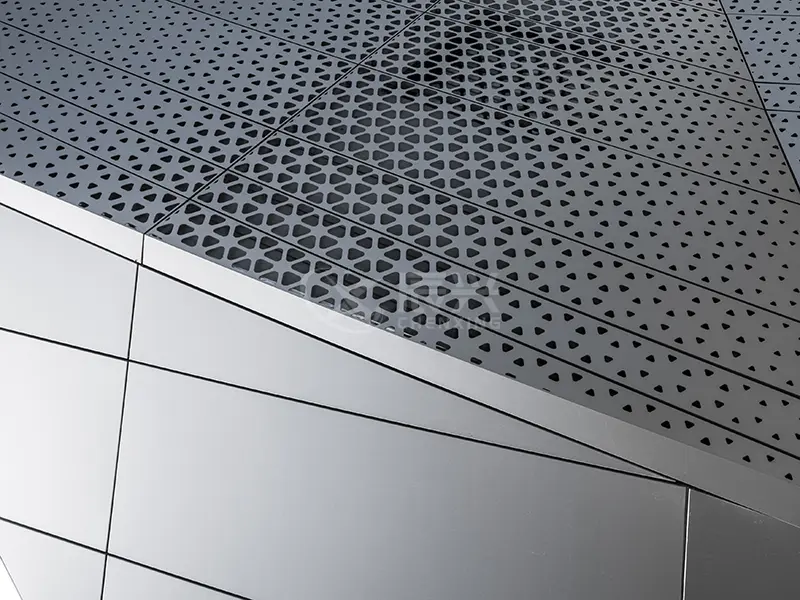
Cladding, composite panels, and vapor-barrier foils with excellent PVDF and polyester coatings designed for decade-long outdoor durability.

Precision fin stock, evaporator foils, and decorative exterior panels providing elevated corrosion resistance and clean aesthetics.
Procuring raw aluminium foil and structural containers requires a comprehensive understanding of international food and medical packaging standards. Because aluminum comes into direct contact with ingestible products, leading global brands enforce stringent manufacturing frameworks. High-caliber factories comply with multiple certifications:
When issuing a Request for Quotation (RFQ), procurement officers should clearly specify parameters including: tensile strength (MPa), elongation percentage (%), pinhole limits per square meter, core material types (steel, aluminum, or fiberboard), and outer roll diameters. Understanding these parameters beforehand prevents material failures on high-speed automated packaging lines.
Catch up on the latest technological and commercial developments from our global engineering teams.
Responding to rising demands for structural coils and packaging substrates, we have deployed advanced cold-rolling systems to boost output and shorten lead times.
Analyzing the structural demand for battery foil in EVs. Our specialized 1070 and 1235 coils are engineered for high electrical performance and chemical stability.
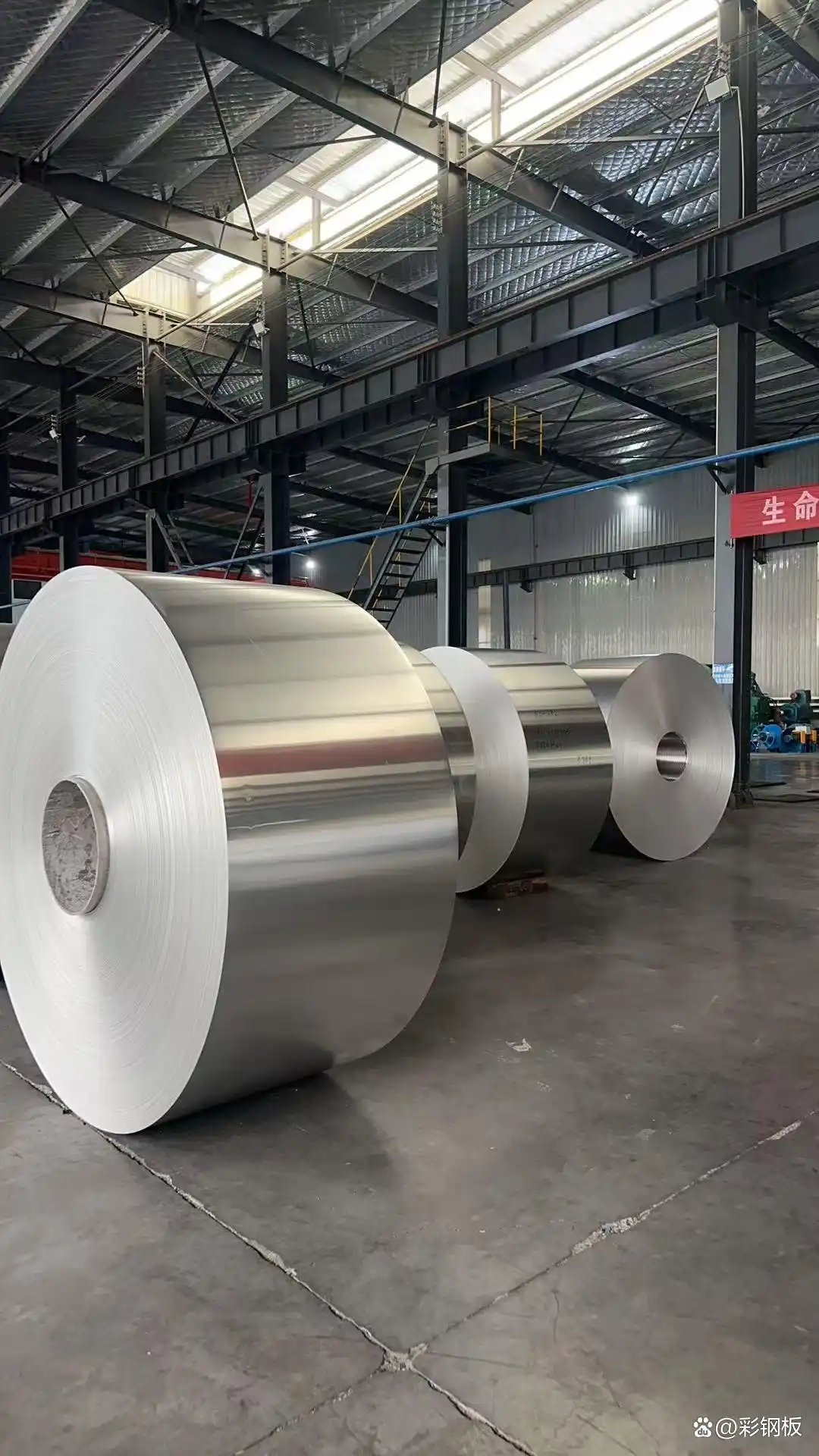
As sustainable construction gains momentum, PVDF and polyester-coated aluminum coils are becoming industry standards for low-maintenance building envelopes.
Get professional technical insights on aluminum foil performance, alloys, and procurement parameters.
Get in touch with our engineering team for detailed technical support, alloy recommendations, and custom volume pricing. We guarantee an response within 24 hours.
Submit Inquiries NowBrowse our collection of structural plates, metal blanks, induction circles, and pharmaceutical packaging materials.