
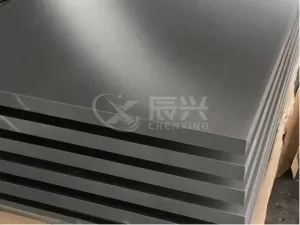
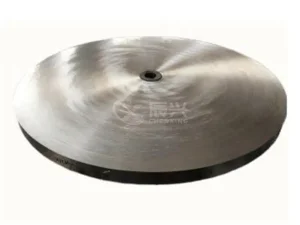
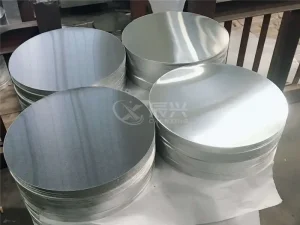
Explore our foundational range of premium alloy strips, coils, sheets, and discs engineered for high durability, structural integrity, and exceptional finishing quality.
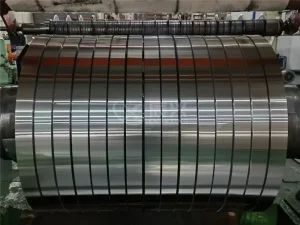
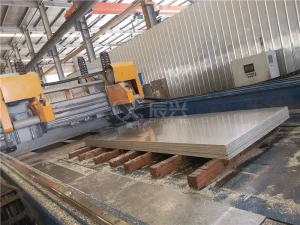
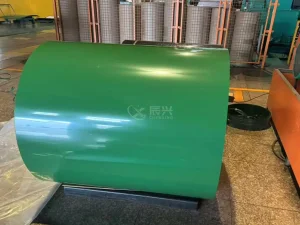
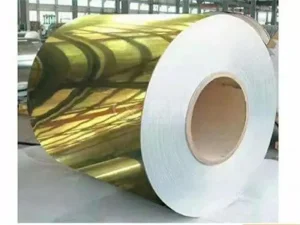
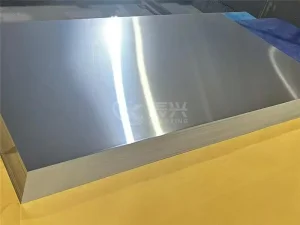
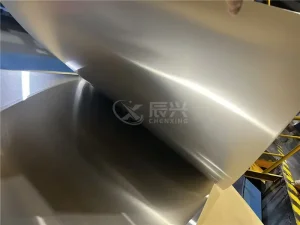
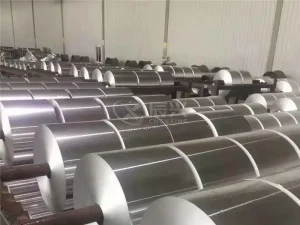
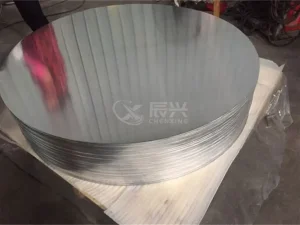
Decades of industrial expertise combined with digital manufacturing controls, setting new benchmarks in quality assurance and global distribution.
A comprehensive whitepaper outlining metallurgy, coating processes, compliance systems, and supply chain strategies for modern industrial buyers.
Aluminum coated sheets represent a pinnacle of material science, marrying the lightweight, high-strength characteristics of aluminum alloys with advanced, resilient organic polymers or ceramic layers. Modern industrial environments require surface performance that can withstand corrosive, mechanical, and thermal challenges. These demands have driven manufacturers to shift from basic mill-finished substrates to specialized coated panels.
Selecting the correct base alloy is critical. Substrates like Alloy 1100 or 1050 offer outstanding ductility and electrical conductivity, making them excellent choices for deep-drawing applications and food containers. In contrast, magnesium-manganese alloyed bases like Alloy 3003, 3104, and structural powerhouses like 5083 and 7075 are preferred for heavy infrastructure, maritime settings, and aerospace structural frames.
The protective coating layer defines how a sheet performs over its operational lifetime. As experienced manufacturers, we deploy three primary surface treatment formulations:
China's global leadership in aluminum coated sheet manufacturing stems from its integrated industrial clusters. The close proximity of primary bauxite smelting facilities, hot-rolling mills, precision cold-rolling plants, and advanced continuous coil coating lines (CCL) minimizes internal logistical friction and reduces transport emissions. This integrated ecosystem ensures highly stable material sourcing and provides a cushioned buffer against global raw material price swings.
Additionally, Chinese production centers feature state-of-the-art multi-stage tension leveling machines and automated non-contact optical thickness monitoring units. These systems guarantee consistent coil flatness and micro-tolerance level controls that meet or exceed demanding international structural engineering standards.
Global procurement teams must navigate a complex web of environmental, structural, and chemical safety certifications. Our plants conform to leading international compliance standards, ensuring seamless integration into localized logistics chains:
Procuring raw metal stocks requires robust quality control and structured incident management. To support this, we run a dedicated 8D problem-solving discipline for any reported product anomalies. Upon receiving a customer notification, our quality control team deploys immediate containment actions within 24 hours. We then isolate the root cause using fishbone analyses and statistical regressions, and implement preventive modifications within 7 business days.
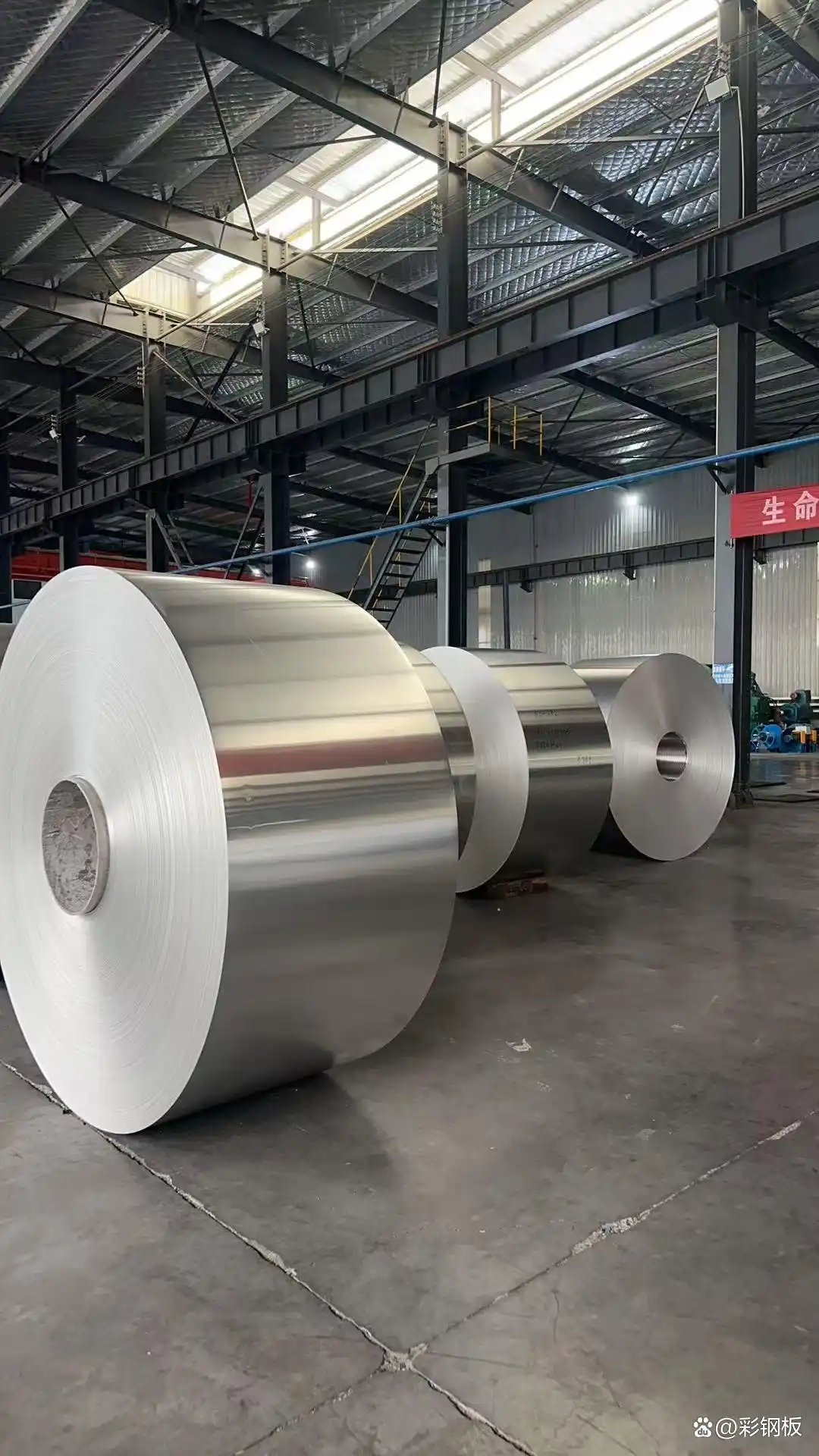
Our logistics departments coordinate with international freight carriers to offer customized packaging, including eye-to-sky and eye-to-wall configurations. Coils are wrapped in multi-layered moisture barriers, steel bands, and heavy wooden skids to prevent oxidation and physical damage during sea voyages.
Our product portfolio is engineered to meet the demanding requirements of diverse global industries.
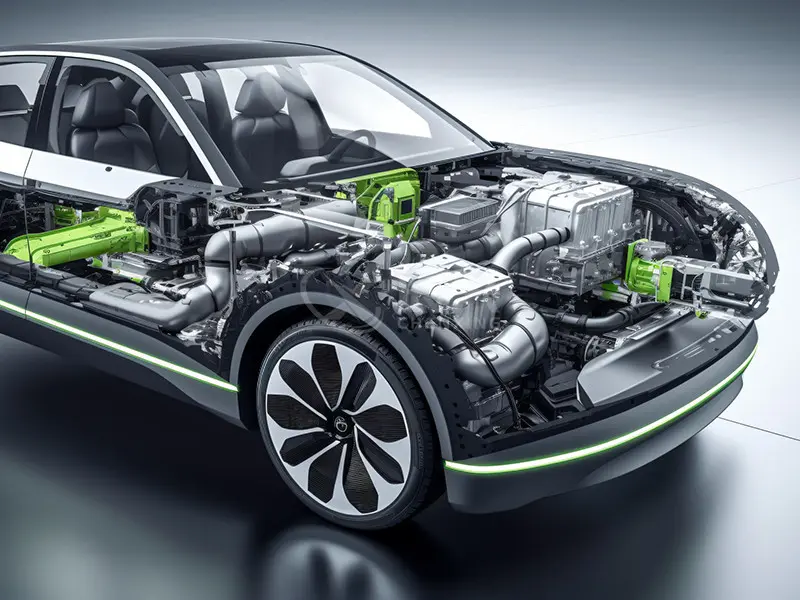
High-strength, lightweight coated alloys designed to reduce fuel consumption in commercial automotive fleets, railway cars, and container vessels.
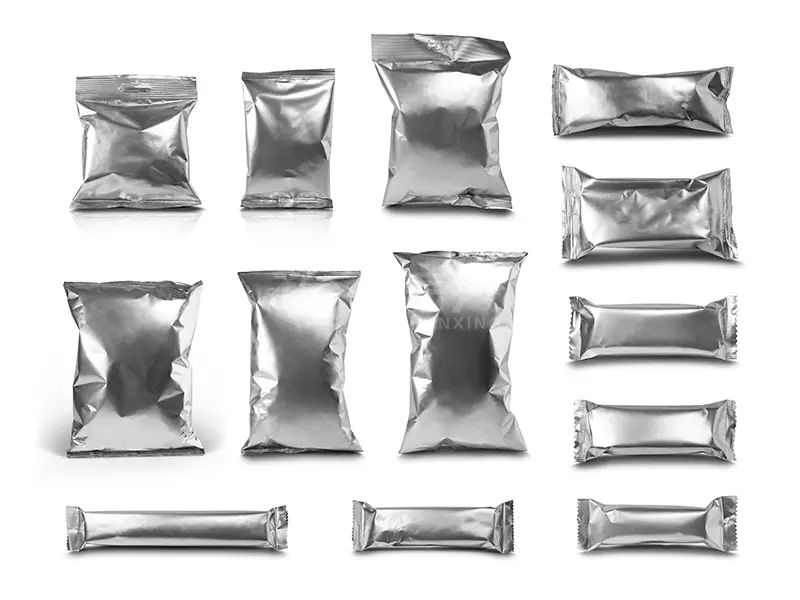
Hygiene-certified foils and thin-gauge strips tailored for high-barrier food containment, pharmaceuticals, and industrial wrapping systems.

Premium surface treatments, including brushed and mirror finishes, optimized for electronic device enclosures and effective thermal dissipation panels.

Structural alloys that undergo rigorous mechanical, tensile, and fatigue performance testing to withstand extreme high-altitude conditions.
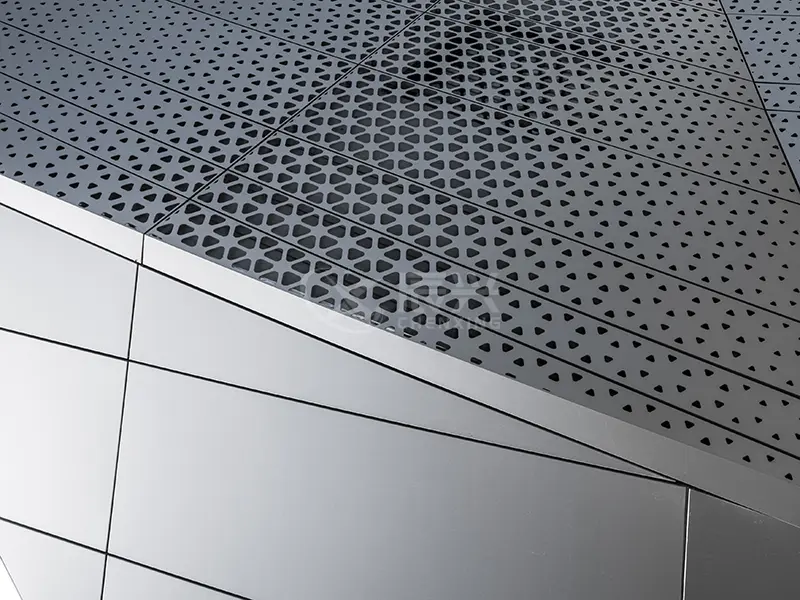
Weather-resistant PVDF-coated sheets designed for robust roofing panels, external curtain walls, and building envelopes.

Pre-painted, easy-to-clean aluminum surfaces with anti-fingerprint treatments, tailored for refrigerator panels and washing machine casings.
An in-depth look at emerging technologies that are reshaping the aluminum coating landscape.
Global supply chains are increasingly shifting toward green aluminum. By utilizing clean hydro-electric power during the initial smelting phase, we can significantly reduce the embedded carbon footprint of our base coils, helping global clients meet scope 3 emission targets.
By incorporating nano-hydrophilic technology into our top PVDF coats, we create surfaces that naturally shed dust and contaminants during regular rainfall. This reduces ongoing building maintenance costs for municipal infrastructure projects.
Advanced near-infrared (NIR) induction ovens allow us to dry multi-layer systems in seconds. This continuous curing technique reduces paint cracking risk, enhances adhesion, and improves thermal energy efficiency.
Keep track of the latest updates from our manufacturing facilities and structural trends across global markets.
Get answers to common technical, logistics, and quality control questions from our structural design and engineering teams.
PVDF (Polyvinylidene Fluoride) coatings offer outstanding weatherability and UV protection, making them ideal for outdoor applications like building facades, roofing, and curtain walls. They maintain color consistency and resist chalking for over 20 years in harsh environments. PE (Polyester) coatings are more economical and offer excellent flexibility, but they are recommended for indoor use, ceiling structures, and interior packaging where exposure to extreme weather is minimized.
We use non-destructive magnetic induction or eddy-current gauges to verify coating thickness across the coil. Adhesion is verified using the cross-hatch tape test (following ASTM D3359 standards) and impact resistance tests. These protocols ensure the polymer coating does not peel or delaminate during post-forming processes like roll forming, deep drawing, or metal stamping.
For marine or high-humidity coastal applications, 5xxx series alloys (such as 5083 or 5052) are highly recommended. These alloys are rich in magnesium, providing excellent resistance to saltwater corrosion and stress cracking. For architectural cladding, 3xxx series alloys (like 3003 and 3105) provide an optimal balance of structural strength and flexibility.
We use digital spectrophotometers to monitor color variation, keeping the color deviation threshold (Delta E) below 1.0. We mix our liquid formulations using automated, computer-controlled dispensing systems and run paint batches through continuous coating lines. This minimizes variation in temperature, application speed, and oven curing times, ensuring reliable color consistency from coil to coil.
Explore our specialized range of perforated plates, high-strength aircraft-grade sheets, and custom-formed structural accessories.
For custom alloy selections, thickness parameters, chemical coating treatments, or bulk container pricing, request a consultation with our technical specialists. We will follow up with you within 24 hours.
Submit Inquiry Now